
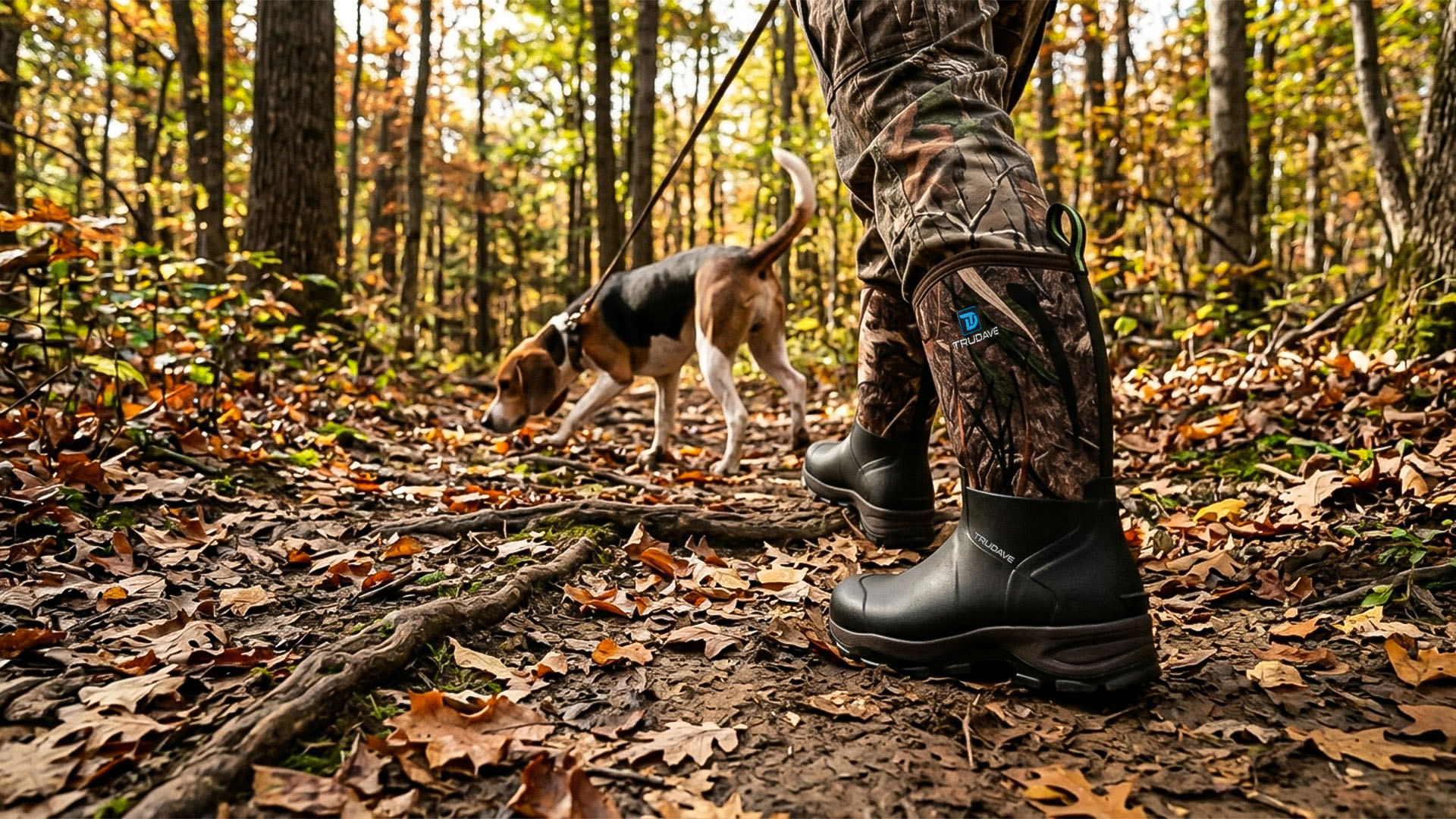
Bottomland whitetail country can look chaotic.
Water fills old channels.
Mud covers the forest floor.
Hardwoods grow on slightly higher ridges.
Creeks snake through thick timber.
One patch of ground is dry.
Twenty yards away, water reaches halfway up a hunter’s boot.
At first, the landscape can seem random.
To a whitetail, it is not.
Deer know exactly where the dry ground is.
They know which creek bank is easiest to cross.
They know which oak ridge stays above floodwater.
They know which narrow strip of timber connects bedding and feeding habitat.
Successful hunters learn to recognize those same routes.
In wet country, water does more than create inconvenience.
It organizes deer movement.
Bottomland Whitetails Live Around Micro-Elevation
A difference of only a few feet can completely change habitat.
Slightly elevated ground may remain dry while surrounding forest becomes saturated.
Look for:
- Natural levees
- Oak ridges
- Old logging roads
- Raised creek banks
- Islands of dry hardwood timber
These areas often become important travel and bedding zones.
Dry Ground Becomes More Valuable When Everything Else Is Wet
During normal conditions, deer may spread across the forest.
After heavy rain or flooding, usable dry terrain shrinks.
That can concentrate movement.
Learn to See High Ground
From ground level, elevation differences can be subtle.
Clues include:
- Different tree species
- Less standing water
- Firmer soil
- Older leaves
- Established deer trails
Topographic and elevation maps can help identify these features before the hunt.
Natural Levees Can Function Like Deer Highways
Rivers and creeks often deposit slightly raised strips of ground along their banks.
These areas may stay dry longer than adjacent bottoms.
Deer can use them for:
- Travel
- Feeding
- Bedding
Creek Crossings Are Major Clues
Whitetails do not cross water randomly.
They often prefer locations with:
- Lower banks
- Shallow water
- Firm bottom
- Cover on both sides
Repeated tracks reveal preferred crossings.
Look for Multiple Trails Converging
One light trail may mean occasional use.
Several trails feeding into the same creek crossing suggest a stronger movement corridor.
Mud Makes Crossings Easy to Read
Fresh hoofprints in soft creek-bank mud can reveal:
- Direction
- Number of deer
- Recent activity
Track Freshness Matters
Fresh tracks often show:
- Sharp edges
- Moist soil displacement
- Undisturbed water in the print
Older tracks soften over time.
Rain Can Reset the Ground
A strong storm can erase old tracks.
That makes new tracks appearing afterward especially useful.
Deer Hunting After Rain Can Be Productive
Wet leaves reduce walking noise.
Fresh mud preserves sign.
Deer may also begin moving once heavy rain eases.
Heavy Rain Can Shift Deer Toward Sheltered Habitat
During intense weather, deer may use:
- Dense timber
- Conifer pockets
- Protected creek benches
rather than exposed edges.
Once Rain Stops, Movement Can Increase
Animals that remained bedded may resume:
- Feeding
- Traveling
- Checking cover
Watch known routes soon after improving weather.
Flooding Can Completely Reorganize Movement
A normal travel route may disappear underwater.
Deer respond by shifting toward the remaining dry corridors.
Treat Floodwater Like a Barrier
Ask:
If a deer wanted to move from bedding to food without entering deep water, where would it go?
That question often reveals the best route.
Narrow Dry Strips Can Become Funnels
A raised strip between:
- Slough
- Creek
- Flooded timber
can concentrate deer movement dramatically.
Islands of Dry Timber Can Hold Deer
A small hardwood island surrounded by wet ground may provide:
- Security
- Bedding
- Reduced human pressure
Access may be difficult.
That can make the habitat even more attractive.
Do Not Assume Every Island Is Worth Reaching
Some may offer little:
- Food
- Cover
- Travel connection
Study the full habitat before making a difficult approach.
Bottomland Oak Ridges Can Be Excellent
Where oaks produce mast, slightly elevated hardwood ridges may combine:
- Food
- Dry ground
- Travel structure
Acorns Can Concentrate Deer
When mast is available, fresh feeding sign may include:
- Tracks
- Disturbed leaves
- Droppings
around productive trees.
Not Every Oak Produces Equally
Look for current food on the ground rather than simply identifying oak species.
Soft Mast Can Matter Earlier
Depending on region and season, deer may also use:
- Persimmons
- Other fruit
- Browse
around bottomland edges.
Food Changes Through the Season
Do not hunt last month’s food source automatically.
Current availability matters.
Agricultural Edges Can Pull Deer Out of Bottomlands
Where river bottoms meet:
- Soybeans
- Corn
- Pasture
- Food plots
deer may travel between timber and open feeding areas.
Hunt the Transition
The edge between:
- Hardwood cover
- Agricultural food
can be highly productive.
But Pressure Changes Timing
Deer may use open fields primarily after dark once hunting pressure increases.
Travel routes inside timber can become more valuable.
Bedding Cover Matters
Whitetails commonly choose areas providing:
- Security
- Visibility
- Escape options
In bottomlands, dry bedding ground can become particularly limited.
Thick Islands Can Become Bedding Areas
Brushy elevated patches surrounded by:
- Water
- Mud
- Difficult access
may receive less disturbance.
Brushy Creek Bends Can Hide Deer
A river or creek bend can create:
- Dense vegetation
- Erosion structure
- High banks
that offer security.
Wind Still Controls the Hunt
Wet habitat does not reduce a deer’s ability to detect scent.
Hunters must consider:
- Prevailing wind
- Thermals
- Drainage airflow
Creeks Can Funnel Air
Cool air often follows low terrain.
This can move scent along:
- Creek channels
- Drainages
- Slough edges
Morning and Evening Airflow Can Differ
Temperature changes influence local movement.
Check wind repeatedly.
Swirling Wind Is Common in Bottoms
Timber and winding waterways create inconsistent airflow.
One setup may have stable wind.
Another only a short distance away may swirl constantly.
Avoid Unstable Wind Locations
A great trail is less useful if scent cannot be controlled.
Entry Route Matters as Much as Stand Location
Walking directly across the trail you plan to hunt can leave:
- Scent
- Ground disturbance
before the hunt begins.
Use Water as an Access Advantage
Where safe and legal, creeks or wet edges can sometimes help hunters approach while avoiding main deer trails.
Do Not Turn Quiet Access Into Dangerous Access
Deep water, unstable banks, and mud can create serious risk.
The safer route always wins.
Wet Leaves Can Help Hunters Move Quietly
After rain, forest noise decreases.
This can make careful ground movement easier.
But Wet Leaves Become Slippery
Noise improves.
Traction gets worse.
Move slowly.
Wet Roots Are Especially Dangerous
A root hidden under leaves can act like polished wood.
Avoid stepping directly on it when possible.
Fallen Logs Become Slick
Moss and rain can make downed timber difficult to cross.
Step around unstable logs.
Creek Banks Can Collapse
Soft saturated soil may fail under body weight.
Stay away from undercut edges.
Flooded Timber Hides Holes
Standing water may conceal:
- Stumps
- Ditches
- Deep mud
Never assume consistent depth.
Bottomland Hunting Is Hard on Footwear
A typical whitetail hunt may involve:
- Wet leaves
- Sticky mud
- Shallow creeks
- Standing water
- Marsh edges
- Logging roads
- Long walks
Hunters may benefit from waterproof hunting boots for whitetail hunting that provide secure heel retention, dependable mud traction, and enough waterproof protection for repeated travel through wet hardwood terrain.
Waterproofing Is Essential in Wet Bottomlands
Even without deep water, hunters may encounter moisture from:
- Dew
- Rain
- Mud
- Wet vegetation
for hours.
Tall Rubber Boots Can Be Very Practical
Rubber hunting boots work especially well where terrain includes:
- Mud
- Shallow water
- Saturated grass
Boot Height Matters
One unexpected ditch can fill a low boot from above.
Know typical water depth.
Secure Fit Still Matters
Loose rubber boots become tiring during long walks.
Mud suction increases heel movement.
Lace-Up Waterproof Boots Can Be Better on Higher Ground
If most of the route involves:
- Dry ridges
- Long forest roads
- Rolling terrain
a supportive waterproof lace-up boot may provide better walking comfort.
Choose Boots for the Entire Route
Do not choose footwear based only on the wettest ten yards.
Consider:
- Distance
- Water depth
- Mud
- Temperature
- Terrain
Traction Matters in Clay
Bottomland mud can become extremely slick.
An aggressive tread improves control.
Mud Can Pack Into Soles
Once tread fills, grip decreases.
Clean boots when practical.
Gaiters Can Help on Wet Vegetation
Where water remains shallow, gaiters can reduce:
- Rain runoff
- Seeds
- Mud
entering boots.
Waders May Be Necessary in Some Flooded Areas
If water consistently exceeds boot height, properly fitted hunting waders may be appropriate.
Waders Do Not Make Floodwater Safe
They keep you dry.
They do not protect against:
- Current
- Hidden channels
- Deep holes
Avoid Unknown Flooded Crossings
Find a safe route.
Floodwater Can Have Current Even in Forest
River overflow may appear calm while still moving strongly.
Use conservative judgment.
Beavers Can Change Habitat Quickly
Beaver activity may create:
- New ponds
- Flooded trails
- Dam crossings
that alter deer movement.
Beaver Dams Can Become Crossings
Wildlife may use them.
Hunters should not assume they are safe to walk.
Muskrat and Beaver Channels Can Be Deep
Vegetation can hide them completely.
Test footing.
Swamp Edges Can Be Excellent Funnels
Where dry hardwood timber narrows between:
- Water
- Wetland
deer movement may concentrate.
Look for Pinch Points
A pinch point could be:
- Narrow ridge
- Creek bend
- Slough edge
- Fence
- Road crossing
where several movement options compress into one route.
Funnels Become More Important Under Pressure
Deer may avoid open routes and stay within protected cover.
Narrow secure corridors can become high-value areas.
Old Logging Roads Can Help Hunters
They provide:
- Quiet access
- Firmer footing
- Visibility
through difficult forest.
Deer Use Logging Roads Too
Tracks may reveal travel along or across them.
Muddy Roads Are Excellent Sign
Fresh hoofprints are easy to identify.
Do Not Hunt Only the Road
Use it to understand movement.
Then examine the surrounding cover.
Road Intersections Can Reveal Multiple Routes
Several crossing trails may converge near:
- Culverts
- Creek bridges
- Timber transitions
Culverts Can Influence Deer Crossing
Roadside ditches may funnel movement toward easier crossing points.
Vehicle Traffic Changes Deer Behavior
Busy roads may push movement toward quieter periods.
Low-traffic forest roads can behave differently.
Public-Land Pressure Changes Patterns
Deer close to:
- Parking lots
- Easy access
may receive repeated disturbance.
Difficult Wet Access Can Reduce Pressure
One creek or mud flat may discourage many hunters.
That can create secure habitat beyond it.
Do Not Assume Hard Access Guarantees Deer
Food, cover, and movement still come first.
Trail Cameras May Be Regulated
Where legal, cameras can help understand timing.
Check current rules before using them.
Tracks and Sign Work Everywhere
When electronic tools are restricted, fresh ground sign remains extremely valuable.
Rubs Can Reveal Buck Presence
During applicable seasonal periods, rubbed trees may indicate:
- Buck activity
- Travel corridors
One Rub Means Little
Several fresh rubs along a route can be more informative.
Scrapes Can Add Information
Where seasonally relevant, scrape activity may help identify areas bucks are visiting.
Weather Can Refresh Scrapes
Rain may alter appearance.
Look for fresh disturbance afterward.
Rut Behavior Changes Travel
During breeding periods, bucks may leave normal patterns and cover more ground.
Funnels Become Especially Interesting
Terrain corridors connecting doe bedding areas can see increased movement.
Do Not Assume Rut Means Wind No Longer Matters
A moving buck can still detect hunter scent.
Early Season Is Often Food-Driven
Warm-weather deer may follow:
- Agricultural crops
- Soft mast
- Green browse
Heat Can Reduce Daylight Movement
Cool creek bottoms and shaded forest may become more important.
Late Season Returns Attention to Food
After the rut, energy recovery becomes important.
Available food can strongly influence patterns.
Cold Weather Can Change Bedding
Deer may choose locations offering:
- Sun
- Wind protection
- Security
South-Facing Higher Ground Can Warm Earlier
In colder climates, sunny edges may become more comfortable.
Snow Makes Trails Obvious
Fresh snow can reveal:
- Current routes
- Bedding areas
- Feeding activity
Flooded Bottomland Snow Creates Clear High-Ground Patterns
Deer may stay on exposed ridges where walking is easier.
Follow Fresh Sign, Not Just Trails
A huge trail network may contain old use.
Recent tracks tell you what matters today.
Fog Can Reduce Visibility
Bottomland river valleys can hold dense fog.
Navigation becomes important.
Do Not Depend Only on Familiar Trees
Fog and darkness can make a known route confusing.
Offline Maps Are Useful
Download:
- Property boundaries
- Creeks
- Sloughs
- Access roads
- Topography
before hunting.
Mark the Vehicle
Wet forest movement can pull hunters away from the original approach.
Carry a Headlamp
Whitetail hunters often enter and leave in darkness.
Carry Backup Light
Wet conditions can affect electronics.
Waterproof Important Gear
Protect:
- Phone
- Maps
- Batteries
- Emergency supplies
Tree Stand Access Requires Extra Caution in Rain
Wet climbing surfaces can become slick.
Always follow current manufacturer instructions and tree-stand safety guidance.
Harness Use Is Essential Where Applicable
Use approved fall-arrest equipment according to the stand manufacturer’s instructions.
Muddy Boots Can Reduce Climbing Traction
Clean excessive mud before climbing.
Never Rush the Climb
Darkness and bad weather increase risk.
Ground Hunting Can Be Effective in Bottomlands
Dense cover, natural trees, and terrain may provide good concealment.
Ground Setups Offer Easier Mobility
Hunters can adapt more quickly to:
- Flooding
- Wind
- Changing sign
But Ground-Level Visibility Is Limited
Choose positions with:
- Trail visibility
- Safe shooting lanes
Natural Blinds Need Safe Backgrounds
Do not shoot through unidentified brush.
Positive Identification Is Essential
Bottomland forests may contain:
- Other deer
- Livestock
- Hunters
Know the target and what lies beyond.
Low-Light Hunting Requires Discipline
If identification is uncertain:
Do not take the opportunity.
Regulations Can Be Highly Specific
Whitetail rules can vary by:
- State
- County
- Management unit
- Season
- Weapon
Legal Deer Definitions Matter
Depending on location, rules may involve:
- Antlered deer
- Antlerless deer
- Antler restrictions
Verify Current Official Regulations
Before hunting, confirm:
- Season dates
- Tag requirements
- Legal sex
- Antler rules
- Weapon restrictions
- Shooting hours
- Reporting requirements
- Public-land regulations
Flooded Public Land Can Have Temporary Closures
High water may affect:
- Roads
- Access areas
- Wildlife management properties
Check current conditions before hunting.
Private Land Boundaries Can Be Difficult in Timber
Creeks and fences do not always represent legal boundaries.
Use reliable ownership information.
A Deer Crossing a Creek Does Not Change Ownership
Stay within permitted ground.
Ask About Retrieval Rules Before Hunting Property Lines
A downed animal may cross:
- Creek
- Fence
- Neighboring land
Understand the legal process beforehand.
Deer Recovery Can Become Difficult in Wet Forest
A blood trail may be harder to see on:
- Wet leaves
- Mud
- Standing water
Mark the Last Known Location
Before moving, note:
- Tree
- Log
- Trail
- Creek bend
Use Multiple Landmarks
Dense hardwood forest can make everything look similar.
Rain Can Wash Away Sign
If conditions are wet, recovery planning becomes even more important.
Follow Current Hunter-Education Guidance
Tracking and recovery decisions should match the specific situation and local regulations.
Water Can Complicate Trails
A deer may cross:
- Creek
- Slough
- Flooded timber
and leave little visible sign.
Check Natural Exit Points
If the animal entered water, look for:
- Opposite-bank tracks
- Broken vegetation
where it may have exited.
Do Not Enter Dangerous Water During Recovery
Seek a safer route.
Warm Weather Makes Game Care Important
Bottomlands can remain humid even during cooler seasons.
Proper meat cooling matters.
Plan the Recovery Route Before the Hunt
Know:
- Vehicle access
- Dry routes
- Creek crossings
before going deep.
Game Carts May Help on Firm Ground
Mud and water can make them nearly useless.
Match recovery equipment to terrain.
Pack-Out Systems May Be Better in Wet Timber
Where legal and appropriate, carrying manageable loads may outperform dragging through:
- Mud
- Brush
- Water
Avoid Overloading Yourself
Wet ground increases fall risk.
Clean Game Bags Help
Protect meat from:
- Mud
- Leaves
- Insects
Bottomland Humidity Can Slow Cooling
Follow current wildlife-agency and food-safety guidance.
Common Bottomland Whitetail Hunting Mistakes
Treating Water Only as an Obstacle
Water often creates predictable funnels.
Ignoring Small Elevation Changes
A few feet of high ground can control movement.
Hunting Old Tracks
Fresh mud sign matters more.
Crossing Main Trails During Entry
Access can contaminate the route before the hunt begins.
Assuming Rain Ruins the Hunt
Post-rain conditions can produce fresh sign and quieter movement.
Wearing Boots With Poor Mud Traction
Wet hardwood terrain can be extremely slick.
Underestimating Rising Creeks
A safe morning crossing can become difficult later.
Ignoring Recovery Access
Finding a deer deep beyond flooded timber is only half the job.
Frequently Asked Questions
Where do whitetail deer live in bottomland hardwoods?
Whitetails commonly use raised hardwood ridges, natural levees, creek benches, brushy islands, agricultural edges, and other dry or semi-dry habitat within wet river-bottom landscapes.
Are creek crossings good places to hunt whitetails?
They can be excellent when multiple deer trails converge at a shallow, firm crossing that connects feeding and bedding habitat.
Is whitetail hunting good after rain?
It can be. Wet leaves make hunter movement quieter, fresh mud preserves new tracks, and deer may resume movement after heavy rain eases.
Does flooding affect deer movement?
Yes. Flooding can eliminate normal trails and concentrate deer on dry ridges, levees, islands, and other elevated travel corridors.
What boots are best for bottomland whitetail hunting?
Waterproof hunting boots with strong mud traction, secure heel fit, and enough waterproof height for wet leaves, shallow water, and saturated ground are practical. Tall rubber boots can work especially well in flat swampy terrain.
Are waders necessary for flooded deer hunting?
Not always. Water depth and access determine the right equipment. Deeper flooded habitat may require properly fitted waders, but waders do not make deep water, current, or hidden channels safe.
Why are natural levees important for deer?
Natural levees provide slightly elevated, drier ground along waterways and may function as feeding, bedding, and travel corridors when surrounding bottoms are wet.
Do whitetail regulations vary?
Yes. Season dates, tags, antler restrictions, legal sex, weapon rules, reporting requirements, and public-land regulations can differ substantially by jurisdiction. Hunters should verify current official rules before hunting.
Final Thoughts
Bottomland whitetail hunting teaches hunters that water shapes the forest even when deer are standing on dry ground.
One creek blocks movement.
One shallow crossing opens it again.
One natural levee becomes a travel route.
One oak ridge provides food.
One flooded slough compresses an entire trail system into a narrow strip of dry timber.
Those differences can be measured in feet rather than miles.
Learn to see them.
Read the mud.
Look for converging trails.
Watch water levels.
Use high ground.
Plan entry routes around the wind.
Respect rising creeks.
Wear boots that let you cross wet leaves, sticky bottomland mud, shallow streams, flooded grass, old logging roads, and hours of saturated hardwood forest without making wet feet or poor traction the reason the hunt ends early.
And when fresh tracks lead through one shallow crossing while every other section of creek bank remains untouched, remember the lesson.
Whitetails do not move randomly through wet country.
Water draws the map.
The deer simply show you which route through that map they prefer.
