
Sora rail country can look almost impossible to hunt.
Shallow water disappears beneath reeds.
Wild rice leans over muddy openings.
Cattails close around narrow channels.
The ground looks solid from a distance.
It is not.
One step lands on firm mud.
The next sinks deep.
Nothing moves.
Then a small brown bird erupts almost beneath the hunter’s feet.
It rises only a short distance above the marsh.
Flies quickly toward another patch of vegetation.
And disappears again.
That is sora rail hunting.
These birds live in habitat where:
- Water is shallow
- Mud is soft
- Vegetation is dense
- Openings are small
The best rail habitat often looks too wet for upland birds and too shallow for traditional duck hunting.
Successful hunters learn to focus on that narrow middle ground.
Sora Rails Are Birds of Shallow Wetlands
Soras commonly use freshwater marsh habitat containing:
- Wild rice
- Cattails
- Sedges
- Smartweed
- Shallow mud flats
- Emergent vegetation
- Wet meadow edges
They rarely need deep open water.
Think About Mud First
One of the most useful clues is the bottom.
Good rail habitat often contains:
- Soft mud
- Very shallow water
- Dense feeding vegetation
Water Can Be Only a Few Inches Deep
That can be enough.
Deep Water Is Usually Less Attractive
Rail habitat is often concentrated along:
- Marsh edges
- Vegetated shallows
- Muddy pockets
rather than open deep water.
Wild Rice Beds Can Be Excellent
Wild rice creates:
- Food
- Cover
- Travel structure
inside shallow marshes.
Hunt the Broken Edges
A solid wall of vegetation is difficult to work.
Look for:
- Open pockets
- Narrow lanes
- Small channels
Rail Habitat Is Often Patchy
One corner may hold several birds.
Another similar-looking patch may hold none.
Food Distribution Matters
Seed-producing plants can concentrate sora activity.
Watch for Feeding Habitat
Productive vegetation may include:
- Wild rice
- Smartweed
- Sedges
- Other seed-producing marsh plants
Water Level Controls Habitat
A small rise or fall can change the entire marsh.
Too Much Water Can Reduce Usable Ground
Birds may shift toward higher vegetation edges.
Falling Water Can Improve Feeding Access
Mud and seed-bearing vegetation become easier to use.
Rising Water Can Push Birds
A productive area may move only a few yards but become completely different.
Scout Current Conditions
Do not assume last season’s best rail patch is still ideal.
Early-Season Rail Hunting Can Be Warm
Sora seasons may occur while:
- Vegetation is still green
- Humidity is high
- Mosquitoes remain active
Heat Changes the Hunt
Hunters should manage:
- Water
- Clothing
- Pace
- Dogs
carefully.
Shallow Marshes Can Feel Hotter Than Expected
Humidity reduces cooling.
Carry Plenty of Drinking Water
Marsh water is not automatically safe.
Drink Regularly
Do not wait until severe thirst.
Lightweight Clothing Helps
But cover exposed skin from:
- Sun
- Insects
- Sharp vegetation
Mosquitoes Can Be Intense
Still mornings can be especially bad.
Use Appropriate Insect Protection
Biting Flies Can Be Difficult Too
Open marshes provide little relief.
Long Sleeves Can Help
Sora Rails Often Hold Tight
They may remain hidden until hunters are very close.
Move Slowly
Fast walking can push birds without offering a clear identification opportunity.
Pause Frequently
A bird may flush after you stop.
Work Good Habitat Methodically
Do not simply walk straight through the marsh.
Parallel Passes Can Help
Where terrain allows, hunters can cover vegetation systematically.
Maintain Safe Spacing
Dense marsh cover hides partners quickly.
Communicate Often
One reed wall can block visibility completely.
Rail Flushes Can Be Sudden
Birds may explode from:
- Mud edge
- Grass clump
- Reed pocket
with little warning.
Keep Safe Shooting Zones
Never swing toward:
- Partners
- Dogs
- Boats
Low Flight Is Common
Soras often remain close to vegetation after flushing.
Flat Wetlands Are Not Backstops
Know what lies beyond.
Positive Identification Is Essential
Rail habitat can contain several marsh birds.
Hunters may encounter:
- Soras
- Other rails
- Moorhens
- Gallinules
- Protected marsh birds
depending on region.
Study Sora Identification Before Hunting
Important features include:
- Small body
- Short tail
- Compact profile
- Distinctive facial markings in adults
Juveniles Can Look Different
Do not study only mature birds.
Fast Flushes Make Color Hard to See
Use several characteristics together.
Habitat Is Not Identification
A small brown bird in reeds is not automatically a sora.
If Unsure, Do Not Shoot
Soras Can Run Through Vegetation
They do not always flush immediately.
Watch the Ground
A moving bird may appear between stems for only seconds.
Tracks Can Be Difficult to Use
Soft mud may preserve tiny footprints.
But species identification from tracks alone is unreliable.
Ground Sign Is Supporting Evidence
Actual bird observations matter more.
Marsh Edges Can Be Better Than the Center
A huge reed bed may look promising.
The productive zone may sit where vegetation changes.
Hunt Transitions Between:
- Wild rice
- Cattails
- Open mud
- Wet meadow
Small Openings Can Hold Birds
A pocket only a few yards wide may provide feeding and escape cover.
Mud Flats Can Be Excellent
Especially when surrounded by seed-bearing vegetation.
Do Not Ignore Wet Meadow Borders
Soras may use very shallow grassy water.
Smartweed Patches Can Be Worth Checking
Seed-rich marsh vegetation can attract birds.
Cattail Margins Provide Security
Birds may hold just inside dense cover.
Work the Outside First
This reduces unnecessary wading through the deepest mud.
Channels Can Help Access
Natural marsh channels may provide easier walking.
But Channels Can Be Much Deeper
Never assume.
Test Every New Route
A walking staff can help assess:
- Depth
- Bottom firmness
- Hidden cuts
Soft Mud Is One of the Biggest Challenges
A marsh only six inches deep can still be exhausting.
Bottom Type Matters More Than Water Depth
Firm bottom and shallow water can be easy.
Soft muck can be extremely difficult.
Mud Suction Can Trap Boots
Lift slowly.
Do Not Pull Aggressively
Maintain balance.
One Lost Boot Can End the Hunt
Secure fit matters.
Marsh Vegetation Can Hide Holes
Old muskrat runs and small channels may disappear beneath plants.
Take Short Steps
Avoid Running After Birds
The terrain is too unpredictable.
Cattail Roots Create Uneven Ground
Step carefully.
Fallen Vegetation Can Float
A vegetation mat may look solid.
It may not support weight.
Test Before Committing
Sora Hunting Is Hard on Footwear
A typical hunt may involve:
- Soft mud
- Shallow water
- Wet grass
- Wild rice
- Cattails
- Muddy dikes
- Long wetland walks
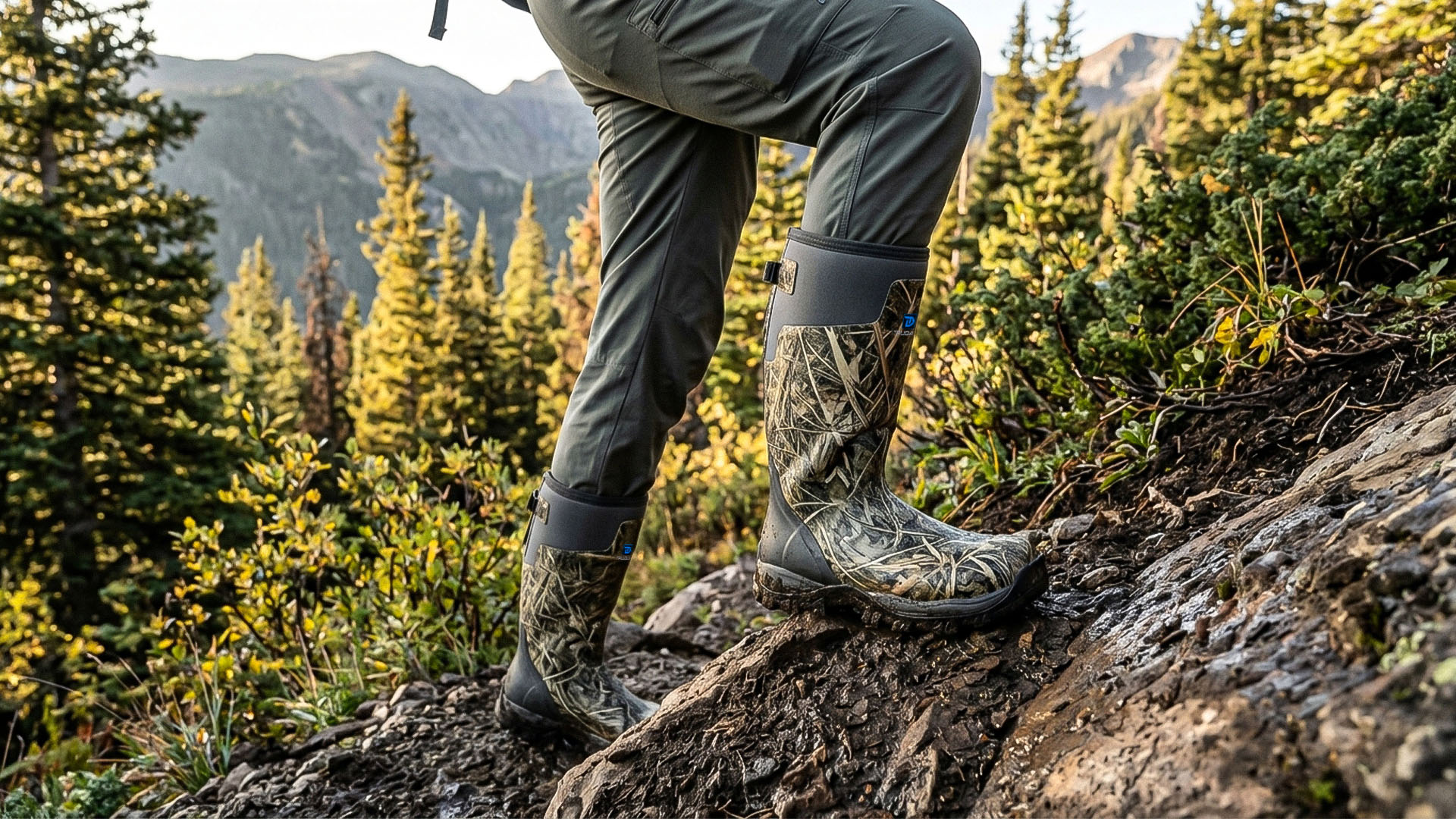
Hunters may benefit from waterproof hunting boots for marsh bird hunting that provide secure heel retention, strong mud traction, and enough waterproof height for repeated movement through shallow marsh habitat.
Tall Rubber Boots Can Be Excellent
Where water stays below boot height, rubber hunting boots are practical.
They Handle:
- Mud
- Wet grass
- Shallow water
well.
Secure Heel Fit Is Critical
Loose rubber boots become extremely tiring in muck.
Boot Height Matters
A deeper channel can fill shorter footwear instantly.
Lightweight Boots Can Reduce Fatigue
Early-season marsh walking can be physically demanding.
Avoid Excessive Insulation
Warm rail seasons usually require:
- Waterproofing
- Comfort
- Breathability
more than heavy warmth.
Lace-Up Waterproof Boots Can Work on Firmer Edges
Where the route includes:
- Dikes
- Grass roads
- Dry wetland margins
supportive lace-up boots may feel better.
Choose Boots for the Entire Route
Consider:
- Parking area
- Marsh edge
- Mud
- Water depth
Waders May Be Useful in Deeper Marshes
Where water regularly exceeds normal boot height, properly fitted hunting waders may provide better protection.
Breathable Waders Can Be Helpful in Warm Weather
Heavy insulated waders may become uncomfortable quickly.
Waders Do Not Make Deep Water Safe
They do not remove:
- Soft bottom
- Hidden channels
- Current
Use a Wading Belt Properly
Follow manufacturer guidance.
Chest Waders Are Not Flotation Devices
Avoid Water Too Deep to Wade Safely
Heat Inside Waders Can Build Quickly
Walking through warm marshes generates substantial body heat.
Take Breaks
Hydrate Often
Dogs Can Be Useful in Rail Cover
Where legal and appropriate, trained dogs can help locate birds in dense vegetation.
Dogs Can Force Tight-Holding Birds to Move
This may improve detection.
But Marshes Are Hard on Dogs
Potential hazards include:
- Heat
- Soft mud
- Deep channels
- Sharp vegetation
Warm Water Does Not Prevent Overheating
Dogs still work hard.
Provide Frequent Water Breaks
Carry fresh water.
Do Not Rely on Marsh Water
Keep Dogs Close
Dense vegetation can hide them within seconds.
Reliable Recall Matters
Mud Exhausts Dogs
Short marsh distances can require significant effort.
Watch for Fatigue
Paw Checks Matter
Wetlands may contain:
- Sharp reeds
- Shell
- Wire
- Debris
Eye Protection Can Help Dogs
Reeds can strike the face.
Hunters Benefit From Eye Protection Too
Clear glasses can help in dense vegetation.
Recovery Can Be Difficult
A sora is small.
It can disappear completely in:
- Reeds
- Wet grass
- Mud
- Floating vegetation
Mark Every Fall Immediately
Use fixed landmarks such as:
- Cattail point
- Dike
- Open-water hole
- Lone shrub
Do Not Look Away Too Soon
A few seconds can make recovery much harder.
Dogs Can Greatly Improve Recovery
Their nose helps where human visibility fails.
Give the Dog Room to Search
Without a Dog, Search Methodically
Start at the marked location.
Use:
- Small circles
- Parallel passes
Look Under Flattened Vegetation
A bird may be hidden beneath only a few stems.
Check Nearby Water
A wounded bird may move toward thicker cover.
Do Not Enter Dangerous Mud for Recovery
Choose the safest route.
Ethical Shot Selection Includes Recovery
If a bird flies toward:
- Deep channel
- Unsafe water
- Private boundary
consider passing.
Public Wetlands Can Be Productive
Wildlife management areas may contain excellent rail habitat.
But Rules Can Differ From General Waterfowl Rules
Check the exact property.
Some Areas May Have Special Access Restrictions
Possible rules include:
- Entry times
- Parking
- Boats
- Closed zones
Private Marshes Require Permission
Know exactly where legal access ends.
Water Does Not Define Property Boundaries
Flooded vegetation may cross several parcels.
Discuss Recovery Before Hunting Edges
Do not wait until a bird falls across the line.
Managed Wetlands Require Respect
Water-control structures may include:
- Boards
- Pumps
- Gates
- Ditches
Do Not Alter Anything
Wetland managers intentionally control water levels.
Stay on Authorized Vehicle Routes
Soft wetland roads are easy to damage.
Do Not Create Ruts
Walk when necessary.
Pick Up All Trash
Remove:
- Food packaging
- Gear debris
- Spent hulls
Clean Boots and Waders Between Wetlands
Mud and plants can carry invasive species.
Remove Vegetation From Gear
Inspect:
- Boots
- Waders
- Boats
- Dog equipment
Weather Can Change Rail Habitat Rapidly
One rainstorm may raise marsh water.
Sora Hunting After Rain Can Shift
Birds may move toward:
- Higher vegetation
- Firmer edges
- Newly flooded cover
Heavy Rain Can Make Mud Worse
Access may become much harder.
Rescout After Major Weather
Wind Can Affect Bird Position
Strong wind may push birds toward:
- Protected reed edges
- Interior marsh pockets
Leeward Cover Can Be Better
Birds may avoid the most exposed open water.
Wind Also Affects Hunting Comfort
Open wetlands provide little shelter.
Warm Wind Can Reduce Insects
But increase dehydration.
Cool Wind Can Lower Body Temperature
Especially when clothes are wet.
Carry a Light Wind Layer
Fog Can Be a Problem
Morning marsh fog reduces visibility.
Partner Awareness Becomes More Important
Do not spread too far apart.
Navigation Can Become Difficult
Flat wetlands look repetitive.
Offline Maps Are Useful
Download:
- Dikes
- Wetland boundaries
- Access points
- Property lines
Mark the Vehicle
Carry a Headlamp
But avoid exploring unknown marsh in darkness.
Scout Water Depth During Daylight First
Soras Are Migratory Game Birds
Hunters should verify current official regulations before hunting.
Check:
- Season dates
- Daily bag limits
- Possession limits
- Legal species
- Shooting hours
- License requirements
- Migratory bird requirements
- Ammunition rules
Rail Regulations May Differ From Duck Regulations
Do not assume waterfowl rules apply automatically.
Species-Specific Rules Can Matter
Different rail species may have different regulations.
Do Not Use Last Year’s Rules
Migratory bird regulations can change.
Positive Identification Is Especially Important
Dense marshes contain many similar-looking birds.
Public Areas May Require Non-Toxic Ammunition
Check exact property rules.
Habitat Conservation Matters
Shallow freshwater marshes support far more than rails.
They provide habitat for:
- Waterfowl
- Shorebirds
- Amphibians
- Invertebrates
Seasonal Wetlands Are Important
Even small marshes can have high wildlife value.
Avoid Trampling Sensitive Vegetation Unnecessarily
Use existing openings where practical.
Common Sora Rail Hunting Mistakes
Hunting Water That Is Too Deep
Soras often favor extremely shallow vegetated marsh habitat.
Ignoring Wild Rice and Seed-Producing Plants
Food can explain bird concentrations.
Walking Too Fast
Soras may hold tightly or run through cover.
Underestimating Soft Mud
Shallow water can still be exhausting.
Wearing Loose Boots
Mud suction exposes poor fit immediately.
Assuming Waders Make Deep Marsh Safe
They do not.
Shooting at Any Small Marsh Bird
Positive identification is essential.
Using Duck Regulations for Rail Hunting
Always verify species-specific rules.
Frequently Asked Questions
Where do sora rails usually live?
Sora rails commonly use shallow freshwater marshes, wild rice beds, cattail edges, sedges, smartweed, wet meadows, and other habitats combining shallow water with dense emergent vegetation.
Do sora rails prefer deep water?
Usually not. They commonly use shallow marsh habitat where mud, seeds, and aquatic food are easy to access.
Are wild rice marshes good for sora hunting?
Yes. Wild rice can provide both food and dense cover, making shallow rice beds excellent rail habitat.
Is sora hunting good after rain?
Rain can create new shallow flooded habitat and change marsh water levels, but heavy precipitation may also make mud and access more difficult.
What boots are best for sora rail hunting?
Lightweight waterproof hunting boots with secure heel fit and strong mud traction are practical where water stays shallow. Tall rubber boots are especially useful in muddy marsh edges.
Are waders necessary for rail hunting?
Not always. Many sora habitats are shallow enough for tall waterproof boots. Deeper marshes may require properly fitted breathable hunting waders.
Can dogs help hunt sora rails?
Yes, where legal. Dogs can help locate tightly holding birds and improve recovery, but warm weather, deep mud, hidden channels, sharp reeds, and hydration require careful management.
Do sora rail hunting regulations vary?
Yes. Seasons, bag limits, possession limits, legal species, migratory-bird requirements, shooting hours, ammunition rules, and public-land restrictions vary by jurisdiction. Hunters should verify current official regulations before hunting.
Final Thoughts
Sora rail hunting teaches hunters that some of the best bird habitat barely looks like water.
One wild rice bed provides food.
One cattail edge provides security.
One mud flat offers easy feeding.
One shallow opening gives a bird enough room to move.
One small change in water level can turn productive marsh into empty habitat—or create a completely new feeding area overnight.
Think shallow.
Look for mud.
Follow seed-producing vegetation.
Walk slowly.
Respect soft bottom, hidden channels, heat, dogs, property boundaries, and migratory-bird regulations.
Wear boots that let you cross sticky marsh mud, shallow water, wet meadow grass, wild rice beds, muddy dikes, and long wetland edges without making heel slip, soaked feet, or poor traction the reason the hunt ends early.
Use properly fitted breathable waders when water depth actually requires them.
And when a sora erupts from a muddy patch where the water barely covered your boot soles, remember the lesson.
To a hunter, it may barely look like a wetland.
To a rail, it may be perfect habitat.
