
Sage-grouse country can look endless.
Gray-green sagebrush stretches from one ridge to another.
A dry road disappears into the basin.
Low mountains rise in the distance.
There may be almost no tall timber.
Very little obvious cover.
And no reason, at first glance, for one patch of sage to be better than another.
Then the landscape begins to change.
One drainage stays greener.
One wet meadow holds more insects.
One bench carries taller sage.
One ridge stays exposed above winter snow.
One shallow basin provides both feeding cover and room to move.
That is the key to understanding sage-grouse habitat.
The birds do not use every acre of sagebrush equally.
Successful hunters learn to connect:
- Sagebrush structure
- Water
- Wet meadows
- Seasonal food
- Elevation
- Weather
- Open travel corridors
The country is huge.
The useful habitat is much more specific.
Greater Sage-Grouse Are Birds of Sagebrush Country
Greater sage-grouse are closely tied to sagebrush ecosystems.
Productive habitat can include:
- Sagebrush flats
- High desert basins
- Rolling foothills
- Wet meadows
- Riparian edges
- Broad ridges
- Shrubby uplands
Unlike forest grouse, sage-grouse depend heavily on broad open landscapes.
Sagebrush Is More Than Background Cover
To a hunter, one sage flat may look identical to another.
To a sage-grouse, differences in:
- Height
- Density
- Understory
- Food quality
can matter greatly.
Sage Height Matters
Very short sparse sage may provide limited concealment.
Extremely dense tall sage can also reduce open movement.
Look for Mixed Structure
Useful habitat often combines:
- Mature sagebrush
- Open ground
- Grasses
- Forbs
Ground-Level Vegetation Matters
Do not evaluate habitat only at eye level.
Look beneath the shrubs.
Ask:
Is there room for birds to move?
Are grasses and forbs present?
Is the ground completely bare?
Forbs Can Be Important
Broadleaf plants may provide:
- Food
- Insects
- Habitat diversity
especially during warmer seasons.
Wet Meadows Can Be High-Value Habitat
In otherwise dry country, wet areas can concentrate:
- Green vegetation
- Insects
- Moisture
Meadow Edges Are Often More Important Than Meadow Centers
Birds may remain close to sagebrush while using greener feeding habitat nearby.
Hunt the Transition
The edge between:
- Sage
- Green grass
- Wet soil
can be one of the most useful habitat types.
Small Springs Can Change a Large Landscape
A seep that keeps vegetation green may influence bird use far beyond its size.
Look for Green Lines
In high desert country, moisture often reveals itself through:
- Darker vegetation
- Taller grass
- Different plant communities
Seasonal Water Matters
A drainage that looks dry in late summer may hold more moisture earlier.
Rain Can Change Habitat Quickly
Storms may create:
- Fresh green growth
- Mud
- Temporary water
- Better tracking surfaces
Sage Grouse Hunting After Rain Can Be Productive
Fresh mud can reveal:
- Tracks
- Road crossings
- Current use
But Wet Roads Can Become a Serious Problem
High-desert clay can turn from hard ground into slick mud very quickly.
Do Not Damage Soft Roads
If conditions deteriorate:
Park.
Walk.
Remote Access Depends on Road Condition
A road that is easy when dry may become impassable after one storm.
High Desert Mud Packs Into Tread
This reduces traction and adds weight.
Clear Soles When Practical
Low Basins Can Hold Birds
Broad shallow basins may provide:
- More moisture
- Taller vegetation
- More consistent forage
than exposed ridges.
But Basin Bottoms Are Not Always Best
Some may become:
- Too wet
- Too disturbed
- Too open
Hunt the Edges
Where basin vegetation transitions back into sage can be excellent.
Ridges Can Be Productive Too
Higher terrain may offer:
- Windblown feeding areas
- Open movement
- Better winter access
Elevation Changes Bird Use
Sage-grouse may use different areas during different seasons.
Do Not Hunt One Elevation Year-Round
Current:
- Weather
- Snow
- Vegetation
matter.
Snow Can Reshape the Entire Landscape
Deep snow may cover low sagebrush.
Taller Sage Can Become More Valuable
Birds may concentrate where shrubs remain exposed.
Windblown Ridges Can Stay Open
Strong wind may remove snow from:
- Ridge tops
- Saddles
- Exposed slopes
Exposed Sage Can Provide Feeding Habitat
South-Facing Slopes May Melt Faster
During colder periods, they may offer:
- More exposed vegetation
- Easier travel
But Wind Exposure Can Be Greater
Birds need both food and usable conditions.
Fresh Snow Is an Excellent Scouting Tool
Tracks can reveal:
- Current movement
- Feeding areas
- Travel corridors
Look for Concentrated Sign
A few random tracks mean less than repeated use around one sage patch.
Snow Can Also Hide Hazards
Low rocks, holes, and drainage cuts disappear.
Move Carefully
Sagebrush Basins Can Be Deceptively Uneven
What looks flat from a road may contain:
- Washes
- Small ridges
- Dry gullies
- Rock shelves
Use Topographic Maps
Subtle terrain often matters.
Low Ridges Can Help Hunters Glass
A small rise may reveal several square miles.
Glass Before Walking
Open habitat makes binoculars valuable.
Look for:
- Moving birds
- Groups crossing openings
- Fresh tracks
- Concentrated droppings
Sage-Grouse Can Blend Extremely Well
Their plumage matches:
- Dry soil
- Gray sage
- Brown grass
Movement Is the Best Clue
One walking bird may reveal several others.
Look Beneath Shrubs
A bird may sit partly hidden in shade.
Do Not Expect Them to Stand in the Open
Even in open country, sagebrush provides substantial concealment.
Flocks Can Be Spread Out
One bird may sit well away from another.
Stay Ready After the First Flush
Additional birds may remain nearby.
Slow Down
Open country encourages hunters to walk too fast.
Birds May Hold Longer Than Expected
Especially in thicker sage.
Dogs Can Be Extremely Useful
Pointing or flushing dogs can help locate birds across large sage landscapes.
But Sage Country Is Hard on Dogs
Potential challenges include:
- Heat
- Dry air
- Limited water
- Seeds
- Sharp vegetation
Carry More Water Than Expected
Natural water may be scarce.
Do Not Depend on Springs
A mapped spring may be:
- Dry
- Fenced
- Unsuitable
Dogs Need Water Too
Dry wind increases dehydration.
Early Season Can Be Hot
High-desert mornings may begin cool and become warm quickly.
Watch Dogs Closely
Signs of fatigue can develop faster than expected.
Provide Frequent Breaks
Shade Can Be Limited
Sagebrush offers little deep shade.
Plan around cooler periods
when conditions require it.
Paw Wear Matters
Dogs may encounter:
- Sharp rock
- Dry soil
- Gravel roads
Check Pads
Seeds Can Lodge in Coat and Ears
Inspect dogs after every hunt.
Burrs and dry vegetation can accumulate quickly
Eye Protection May Help Dogs
depending on cover and hunting style.
Sagebrush Can Scratch Hunters Too
Low woody stems can catch:
- Pants
- Gloves
- Packs
Durable Clothing Helps
Loose Straps Catch on Brush
Keep gear compact.
Sage-Grouse Hunting Is Hard on Footwear
A typical hunt may involve:
- Dry sage flats
- Wet meadow edges
- Mud after rain
- Rocky ridges
- Gravel roads
- Snow
- Long-distance walking
Hunters may benefit from waterproof hunting boots for sage grouse hunting that provide secure heel retention, dependable traction, and enough support for uneven high-desert terrain without becoming unnecessarily heavy.
Lightweight Boots Reduce Fatigue
Sage country often requires substantial mileage.
Heavy Boots Add Up Over Time
But Extremely Soft Footwear Can Lack Protection
High desert ground may contain:
- Rock
- Sharp sage stems
- Hidden holes
Secure Heel Fit Matters
Long walks expose poor fit quickly.
Heel Slip Becomes a Blister
Moderate Ankle Support Helps
Dry washes and uneven slopes can twist feet unexpectedly.
Waterproofing Still Matters in Dry Country
Hunters may encounter:
- Wet meadow grass
- Rain
- Mud
- Snow
Morning Dew Can Be Heavy
Especially around green basins.
Gaiters Can Be Useful
They help keep:
- Seeds
- Dust
- Snow
- Mud
out of boots.
Seeds Inside Boots Become Irritating Quickly
Stop and remove them.
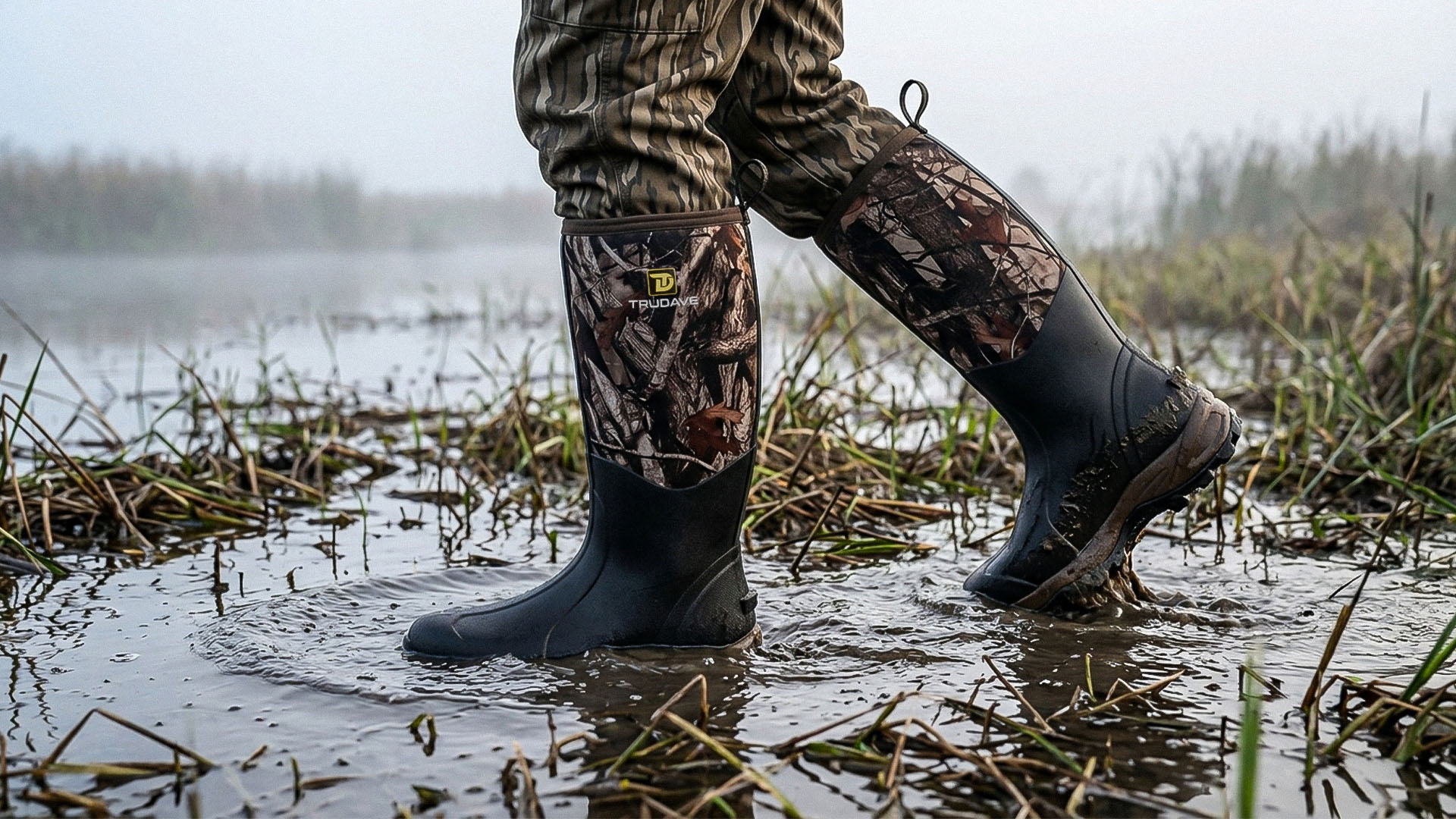
Tall Rubber Boots Can Work Near Wet Meadows
Where ground is saturated, they may be practical.
But Long Sage Walks Often Favor Lace-Up Boots
Supportive waterproof lace-ups provide better:
- Heel lock
- Walking efficiency
- Breathability
Choose Boots for the Entire Hunt
Think about:
- Mileage
- Wet ground
- Rock
- Temperature
- Snow
Avoid Excessive Insulation in Warm Conditions
High-desert hunts can heat up quickly.
Too Much Insulation Causes Sweat
Sweaty Feet Become Cold Later
especially when wind increases.
Carry Spare Socks
Cold Mornings and Warm Afternoons Are Common
Layer footwear and clothing accordingly.
Wind Is a Major Factor
Open sage country offers little protection.
Strong Wind Can Change Bird Position
Birds may favor:
- Leeward slopes
- Protected basins
- Lower draws
Wind Also Makes Hunting Physically Harder
Walking into strong wind increases fatigue.
Use Terrain for Shelter
Even a small ridge can make a difference.
Windproof Clothing Matters
Calls and Natural Sounds Are Harder to Hear
Do not depend only on sound.
Glass More During Windy Conditions
Rain and Wind Together Can Be Brutal
Open high desert has few natural shelters.
Carry a Reliable Outer Layer
Weather Can Change Quickly
A sunny morning may become:
- Rain
- Wind
- Snow
especially at elevation.
Carry Layers
Lightning Is a Risk on Open Ridges
Move to safer terrain when storms approach.
Do Not Remain on exposed high points
during thunderstorms.
Dry Washes Can Flood
Heavy storms may produce sudden runoff.
Do Not Camp or park in obvious drainage bottoms
during storm risk.
High Desert Roads Can Wash Out
Check access before committing to remote areas.
Navigation Is Critical
Huge sage basins can look repetitive.
Offline Maps Are Essential
Download:
- Roads
- Water
- Topography
- Property boundaries
Mark the Vehicle
A flock can pull hunters much farther than expected.
Carry a Headlamp
Late returns happen easily.
Carry Backup Power
Cold reduces battery life.
Do Not Depend Only on Distant Mountains
Fog or snow can remove visual landmarks.
Public-Land Boundaries Can Be Complex
Sage country may include:
- Federal land
- State land
- Private ranches
- Other managed parcels
Open Landscape Does Not Mean Open Access
Know exact ownership.
Roads May Cross Private Land
Do not assume all routes are legal.
Leave Gates As Directed
Livestock may use the same habitat.
Do Not Block Ranch Roads
Water Sources Can Be Ranch Infrastructure
Do not alter:
- Troughs
- Pipes
- Fences
Livestock and Wildlife Share Sage Country
Never shoot toward:
- Cattle
- Horses
- Structures
Wide-Open Terrain Still Requires Safe Background Awareness
A low ridge is not always enough.
Other Hunters Can Be Hard to See
Sagebrush may hide someone at ground level.
Establish Hunter Spacing
Maintain Communication
Open country encourages hunters to spread too far apart.
Keep a clear line
Low-Flying Birds Require Discipline
Sage-grouse can stay relatively close to the ground after flushing.
Never shoot toward dogs or partners
Pick One Bird
If several flush together, choose one clear target.
Do Not Shoot Into the Group
Watch Where Birds Land
Flocks may split after the initial flush.
Mark Landing Areas
Use:
- Rock outcrop
- Road bend
- Tall sage patch
- Ridge line
Distance Is Deceptive
Birds may land farther away than expected.
Use Multiple Landmarks
Do Not Chase Every Bird Across the Basin
Prioritize:
- Safe route
- Good habitat
- Reasonable distance
Recovery Can Be Difficult
Sage-grouse blend well with:
- Dry grass
- Sage
- Bare ground
Watch Every Bird to the Ground
Mark the Fall Immediately
Dogs Greatly Improve Recovery
Give them time to work.
Without a Dog, Search Methodically
Use:
- Parallel passes
- Expanding circles
Check Beneath Sage
A bird may be hidden almost completely.
Ethical Shot Selection Includes Recovery
A bird headed toward:
- Private property
- Deep ravine
- Unsafe road
may be a poor opportunity.
Positive Identification Matters
Sage country can overlap with other upland birds depending on region.
Study Greater Sage-Grouse Carefully
Learn:
- Body size
- Shape
- Plumage
- Flight style
Males and Females Differ
Do not study only displaying males.
Hunting-season plumage may look much more subtle
than spring breeding images.
Juveniles Can Be Less Distinctive
Habitat Is Not Identification
A large bird in sage is not automatically a sage-grouse.
If Unsure, Do Not Shoot
Greater Sage-Grouse Regulations Can Be Highly Restrictive
This species is carefully managed across much of its range.
Some Areas May Have Limited or No Hunting Opportunity
Hunters must verify current rules for the exact jurisdiction.
Seasons Can Be Short
Bag Limits Can Be Low
Specific Units May Be Closed
Verify Current Official Regulations
Before hunting, confirm:
- Open hunt area
- Season dates
- Daily bag limit
- Possession limit
- License requirements
- Permit requirements
- Public-land restrictions
- Ammunition rules
Do Not Use Last Year’s Regulations
Sage-grouse management can change.
Do Not Assume a Statewide Season Means Every Area Is Open
Unit-specific rules may apply.
Conservation Should Be Part of the Hunt
Sage-grouse depend on large connected sagebrush ecosystems.
Habitat Fragmentation Matters
Roads, development, invasive plants, and wildfire can alter habitat.
Avoid Unnecessary Disturbance
Stay on authorized vehicle routes.
Do Not Drive Through Sensitive Habitat
Wet Meadow Areas Are Especially Vulnerable
Vehicle damage can persist.
Fire Is a Major Sagebrush Concern
Wildfire can transform habitat dramatically.
Follow Current Fire Restrictions
Never Park Over Dry Vegetation
Hot vehicle parts can start fires.
Invasive Grasses Can Increase Fire Risk
Habitat recovery may take years.
Clean Gear Between Areas
Seeds can travel on:
- Boots
- Tires
- Dog coats
Remove Plant Material
Follow local land-management recommendations.
Do Not Disturb Water Developments
Pick Up All Trash
Remove:
- Food packaging
- Gear debris
- Spent hulls
Leave the habitat cleaner than you found it
Common Sage-Grouse Hunting Mistakes
Walking Huge Sage Flats Randomly
Focus on water, vegetation structure, basins, and current sign.
Treating Every Sagebrush Patch as Equal
Height, understory, and moisture create major differences.
Ignoring Wet Meadows
Green feeding habitat can concentrate birds.
Underestimating High-Desert Mileage
Open country makes distances look shorter.
Wearing Heavy or Poorly Fitting Boots
Long-distance walking rewards efficient footwear.
Carrying Too Little Water
Dry air and dogs increase demand.
Ignoring Mud After Rain
Remote roads can become impassable quickly.
Assuming Sage-Grouse Seasons Are Widely Open
Always verify current unit-specific rules.
Frequently Asked Questions
Where do greater sage-grouse usually live?
Greater sage-grouse commonly use sagebrush steppe, high-desert basins, wet meadow edges, rolling foothills, and other large connected landscapes dominated by sagebrush.
Are wet meadows good for sage-grouse hunting?
They can be important because they provide greener vegetation, insects, and moisture adjacent to sagebrush security cover.
Is water important for sage-grouse?
Water and moist vegetation can strongly influence seasonal habitat use, particularly in dry landscapes, although birds also depend heavily on sagebrush cover.
Is sage-grouse hunting good after rain?
Rain can create fresh tracks, improve green vegetation, and make current bird use easier to read, but high-desert roads may become extremely muddy.
What boots are best for sage-grouse hunting?
Lightweight waterproof hunting boots with secure heel fit, reliable traction on dry soil, mud, rock, and snow, and enough support for long uneven walks are practical.
Are rubber boots good for sage-grouse hunting?
Tall rubber boots can work around wet meadows and muddy low ground, while long sagebrush walks generally favor supportive waterproof lace-up boots.
Can dogs help hunt sage-grouse?
Yes, where legal. Pointing or flushing dogs can help locate birds across broad sage landscapes, but hunters should carefully manage heat, limited water, sharp vegetation, roads, and paw condition.
Do sage-grouse hunting regulations vary?
Yes. Seasons, hunt areas, bag limits, permits, closures, licensing, and public-land requirements can vary substantially and may be highly restrictive. Hunters should verify current official regulations for the exact area before hunting.
Final Thoughts
Greater sage-grouse hunting teaches hunters that open country can hide complexity.
One basin stays greener.
One wet meadow provides insects.
One ridge keeps sage exposed above the snow.
One patch of taller brush provides security.
One rainstorm changes the road, the vegetation, and the birds’ daily pattern.
From a distance, it all looks like sagebrush.
To the birds, every piece is different.
Find the moisture.
Study sage structure.
Glass before walking.
Watch elevation.
Respect weather, water, remote roads, property boundaries, and conservation restrictions.
Carry enough water for both hunters and dogs.
Wear boots that let you cross dry sage flats, muddy meadow edges, gravel roads, rocky ridges, snow, shallow drainages, and miles of high-desert country without making soaked feet, heel slip, blisters, or unnecessary weight the reason the hunt ends early.
And when a flock finally rises from a patch of sage that looked no different from a thousand others, remember the lesson.
The habitat was different.
You just had to learn which differences mattered.
