
Chukar country can make a hunter regret every step uphill.
A canyon wall rises from the valley floor.
Loose rock covers the slope.
Dry grass grows between basalt outcrops.
A narrow spring cuts through the bottom.
The hunter climbs.
Then climbs again.
Nothing flushes.
The hillside looks empty.
Then one bird runs across the rocks.
Another appears behind it.
A covey explodes uphill, crosses the canyon, and lands even higher on the opposite slope.
That is chukar hunting.
These birds have a reputation for living in country that punishes:
- Poor conditioning
- Poor footwear
- Poor route choice
- Poor planning
Successful hunters learn very quickly that the shortest route is rarely the easiest route.
Chukar country is defined by:
- Rock
- Elevation
- Sparse water
- Steep slopes
- Open grass
- Canyon structure
The birds use these features with surprising consistency.
Chukar Are Birds of Dry Rocky Country
Chukar commonly thrive in arid western landscapes.
Productive habitat may include:
- Rocky canyon slopes
- Great Basin hills
- Cheatgrass
- Basalt rims
- Sagebrush
- Dry ridges
- Springs
- Creek corridors
They do not need dense forest.
They need a combination of:
- Food
- Water
- Escape terrain
- Open visibility
Rock Is One of the Strongest Habitat Clues
Chukar are strongly associated with rough rocky terrain.
Look for:
- Basalt outcrops
- Broken cliffs
- Scree slopes
- Rock bands
Rock Provides Security
Birds can move quickly through terrain that slows hunters dramatically.
Rocky Rims Can Hold Coveys
A flat or gently sloping bench below a rim may provide feeding habitat.
The cliff above provides immediate escape cover.
Hunt Below the Rim
Birds often use the transition between:
- Rock
- Grass
- Sagebrush
Cheatgrass Slopes Can Be Productive
Dry grasslands often provide seed-producing habitat.
Look for Grass Near Rock
A huge grass flat without nearby escape terrain may be less attractive than a smaller patch beside a rocky canyon wall.
Habitat Combination Matters
The strongest areas often include:
- Rock
- Seed-producing vegetation
- Water nearby
Water Can Be the Best Starting Point
In dry country, springs and seeps can greatly narrow the search.
Possible water sources include:
- Natural springs
- Creek pockets
- Stock tanks
- Seep lines
Do Not Hunt Only the Water Hole
Birds may visit water and then climb hundreds of vertical feet.
Follow the Terrain Above Water
Look for:
- Feeding benches
- Rocky side slopes
- Escape cliffs
Morning Water Use Can Be Important
Depending on weather and season, birds may visit water early.
Tracks Can Reveal Activity
Soft ground near water may preserve small bird tracks.
Droppings Add Evidence
Repeated sign near a spring suggests regular use.
Do Not Assume Every Spring Holds Birds
Fresh sign matters.
Springs Can Dry Up
A reliable source last season may be empty now.
Scout Current Water
Arid-country hunting changes dramatically with precipitation.
Wet Years Can Spread Birds Out
More temporary water creates more usable habitat.
Dry Years Can Concentrate Them
Permanent water becomes more valuable.
Canyon Structure Organizes Movement
A huge slope can look random.
It usually is not.
Birds may favor:
- Benches
- Side draws
- Rim edges
- Rock-grass transitions
Benches Can Be Excellent
A flat shelf on a steep hillside allows easier feeding.
Topographic Maps Help Find Them
Look where contour lines spread slightly apart.
Small Benches Matter
Even a narrow shelf can hold an entire covey.
Side Draws Can Hide Birds
A shallow drainage creates:
- Cooler shade
- More vegetation
- Easier travel
Canyon Mouths Can Be Productive
These areas often combine:
- Water
- Grass
- Rock
- Multiple escape routes
Ridges Can Help Hunters Glass
Open-country visibility allows binoculars to do useful work.
Glass Before Climbing
Look for:
- Moving birds
- Feeding coveys
- Tracks in snow
- Birds standing on rocks
Chukar Can Be Hard to See
Their coloration blends extremely well with:
- Dry grass
- Brown rock
- Sagebrush
Look for Movement
One running bird may reveal ten others.
Listen Too
Chukar are vocal birds.
Calls can help hunters locate a covey across a canyon.
Sound Travels Far in Open Country
A covey may sound closer than it really is.
Use Several Listening Positions
Terrain can distort direction.
Do Not Climb Straight Toward Every Call
Study the route first.
Chukar Often Run Uphill
This is one of the classic frustrations of the hunt.
Do Not Chase Directly Behind Them
Birds can out-climb hunters easily.
Use Terrain to Cut Them Off
Look for:
- Saddles
- Benches
- Rim openings
Think Across the Slope
Sidehilling can sometimes be more effective than climbing vertically.
But Sidehilling Is Hard on Ankles
Good footwear becomes critical.
Chukar Often Flush Downhill
Birds may run uphill and then launch across or down the canyon.
This Creates Difficult Shooting Angles
Hunters must remain aware of:
- Partners
- Dogs
- Roads
below.
Never Shoot Downhill Without Knowing the Background
Open canyon country can carry shot a long distance.
Pick One Bird
Coveys may erupt all at once.
Choose one clear target.
Do Not Shoot Into the Covey
Individual target discipline improves safety.
After the Flush, Watch Where Birds Land
Chukar often break into smaller groups.
Mark Multiple Landing Areas
Use:
- Rock outcrops
- Brush patches
- Ridge shapes
Do Not Chase Every Bird
Prioritize the nearest safe and huntable group.
Covey Breakup Can Improve Hunting
Separated birds may hold tighter.
Slow Down After a Covey Flush
Single birds may remain hidden.
Expect Delayed Flushes
One bird may stay behind after the main group leaves.
Dogs Can Be Extremely Useful
Pointing or flushing dogs can help locate birds on rocky slopes.
But Chukar Country Is Hard on Dogs
Dogs may cover:
- Much more distance
- Much more elevation
than hunters.
Carry More Water Than Expected
Natural water may be scarce.
Dogs Need Water Too
Do not depend on springs.
Heat Can Be Serious
Early-season chukar hunts may occur in warm conditions.
Dry Air Hides Dehydration
Dogs can overheat quickly during steep climbing.
Watch for Fatigue
Take breaks.
Shade Can Be Limited
Rock slopes may offer very little cover from sun.
Dog Pads Take a Beating
Sharp rock can cause:
- Cuts
- Abrasion
- Cracking
Check Paws Frequently
Do not wait until the dog starts limping.
Loose Scree Is Hard on Dogs
Dogs can slip or tumble.
Keep Range Controlled
Especially near:
- Cliffs
- roads
- steep drops
Tracking Equipment Can Help
Where legal, locating equipment may improve dog safety.
Chukar Hunting Is One of the Toughest Footwear Hunts
A typical day may involve:
- Scree
- Loose gravel
- Basalt
- Steep grass
- Mud after rain
- Shallow creek crossings
- Long climbs
- Long descents
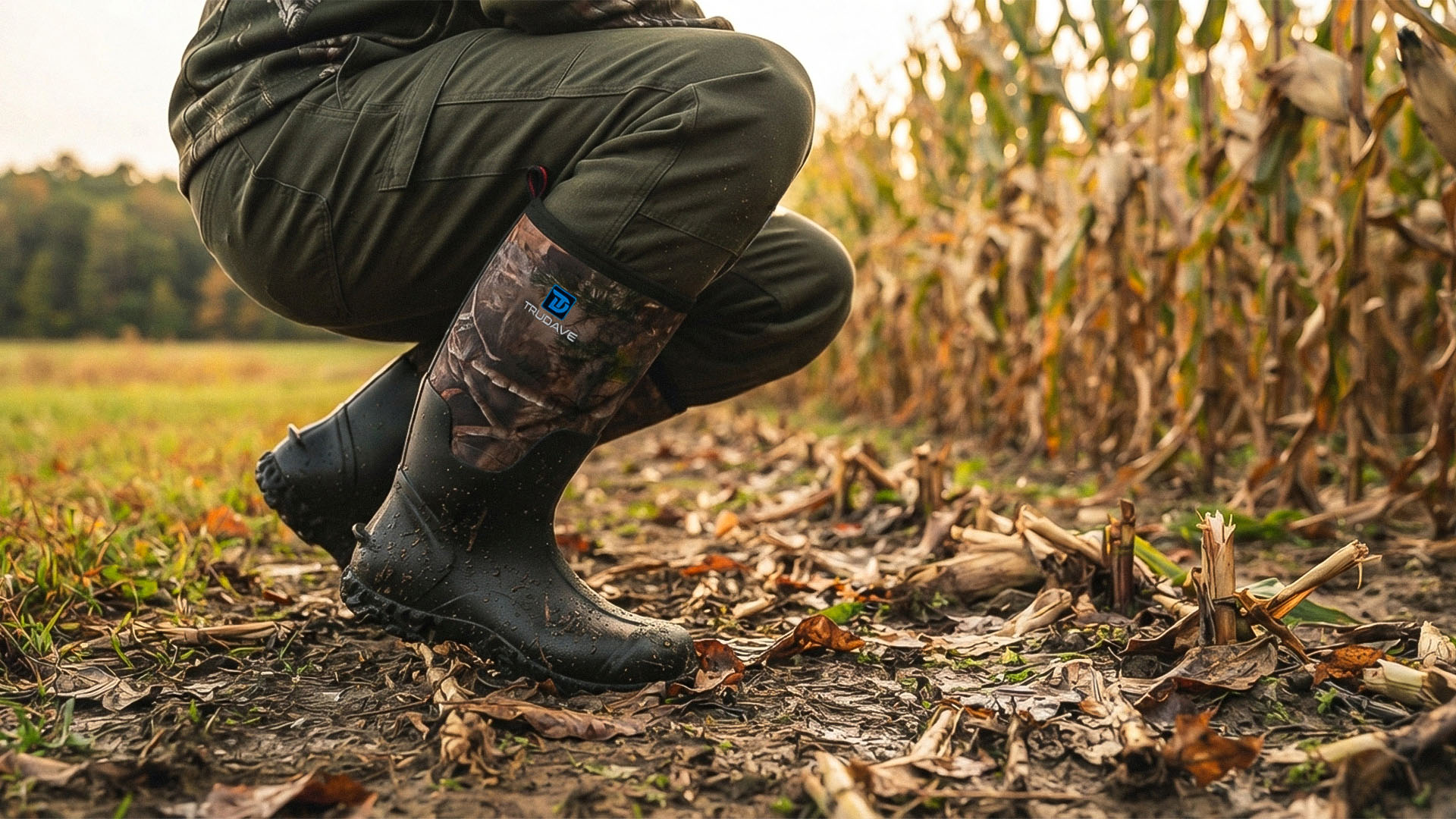
Hunters may benefit from waterproof hunting boots for chukar hunting that provide secure heel lock, dependable traction, and enough ankle support for steep rocky terrain without becoming unnecessarily heavy.
Heel Lock Is Critical
Repeated climbing exposes poor fit quickly.
Heel Slip Creates Blisters
A small hot spot can end the hunt after several thousand vertical feet.
Toe Room Matters on Descents
Downhill travel pushes feet forward.
Poor Fit Punishes Toenails
Long descents can become miserable.
Ankle Support Matters
Sidehilling on loose rock places constant stress on ankles.
But Extremely Heavy Boots Can Increase Fatigue
Balance:
- Support
- Weight
- Comfort
Waterproofing Still Matters in Dry Country
Chukar habitat can include:
- Dew
- Rain
- Mud
- Creek crossings
- Snow later in the season
One Wet Storm Changes the Entire Mountain
Dry slopes can become slick rapidly.
Gaiters Are Extremely Useful
They help keep:
- Scree
- Seeds
- Mud
- Snow
out of boots.
Small Rocks Inside Boots Are a Major Problem
Stop and remove them.
Do Not Keep Walking
Friction can create blisters quickly.
Outsole Traction Is Essential
Chukar terrain may include:
- Loose stone
- Hard rock
- Wet clay
No Sole Makes Scree Stable
Foot placement still matters.
Short Steps Improve Control
Especially downhill.
Trekking Poles Can Help
They may improve balance during:
- Steep climbs
- Scree descents
- Creek crossings
Rock Can Roll Underfoot
Test larger stones before committing weight.
Basalt Can Be Sharp
Durable boot uppers help.
Wet Rock Is Much More Slippery
Rain or snowmelt can reduce traction significantly.
Chukar Hunting After Rain Can Be Productive
Rain can create:
- Fresh tracks
- Temporary water
- Greener vegetation
But Access Can Become Dangerous
Clay roads and steep slopes may become slippery.
Do Not Damage Wet Roads
Many western hunting areas depend on dirt access.
Park and Walk if Needed
A muddy road can trap vehicles far from assistance.
Storms Can Also Trigger Flash Flooding
Canyon bottoms deserve respect.
Do Not Camp in Active Drainages
Especially when thunderstorms are possible.
Water Can Arrive From Distant Rain
A dry canyon can flood even if the sky overhead looks clear.
Weather Changes Quickly in Desert Mountains
A warm morning can become:
- Rain
- Wind
- Snow
- Cold
Carry Layers
Do not assume dry country means stable weather.
Wind Can Be Severe
Exposed ridges amplify wind.
Birds May Use Leeward Slopes
Protected areas can offer:
- Better feeding
- Less exposure
Hunters Benefit From Protection Too
Use terrain to stay out of strong wind.
Wind Affects Calls
A vocal covey may be difficult to hear from the wrong direction.
Stop Frequently to Listen
Especially near likely habitat.
Snow Can Make Chukar Easier to Locate
Fresh snow reveals:
- Tracks
- Feeding areas
- Covey movement
Birds Stand Out Better Against Snow
Sometimes.
But shadows and rock still create camouflage.
Snow Changes Elevation Use
Deep snow may push birds toward:
- Lower slopes
- Windblown ridges
- South-facing terrain
South-Facing Slopes Can Melt Faster
Exposed grass becomes accessible earlier.
Windblown Rims Can Stay Open
Birds may concentrate there.
Snow Makes Footing More Difficult
Loose rock hidden beneath snow becomes hazardous.
Ice Can Form on Shaded Slopes
Move carefully.
Do Not Assume Wildlife Tracks Mean Safe Ice
Avoid frozen water hazards.
Deep Snow Adds Huge Effort
A short route becomes exhausting.
Plan Smaller Loops
Mileage means little without considering elevation.
Elevation Is the Real Cost
Two miles with 2,000 feet of climbing can be harder than a much longer flat walk.
Train Before Season
Chukar hunting rewards conditioning.
Train Uphill
Flat-road fitness is not enough.
Train Downhill Too
Descents punish:
- Quads
- Knees
- Feet
Use the Boots You Will Hunt In
Preseason training exposes fit problems early.
Carry a Pack
Even bird hunts require:
- Water
- Ammunition
- Clothing
- Dog gear
Pack Weight Adds Up
Especially when carrying water.
Do Not Leave Essential Water Behind to Save Weight
That is the wrong trade.
Hydration Is Central
Dry western air can hide sweat.
Drink Regularly
Do not wait for thirst.
Electrolytes Can Be Useful
Especially during long warm climbs.
High-Energy Snacks Help
Chukar hunting can burn substantial calories.
Save Food for the Return
The downhill can still require hours.
Canyon Navigation Can Be Confusing
One ridge can look like another.
Offline Maps Are Essential
Download:
- Topography
- Roads
- Water
- Property boundaries
Mark the Vehicle
A covey can pull hunters into a neighboring drainage.
Mark Water Sources
They may become critical later in the day.
Carry a Headlamp
A late covey chase can push the return into darkness.
Carry Backup Power
Cold weather reduces battery performance.
Night Travel Is More Dangerous
Loose rock and cliffs are harder to see.
Do Not Chase Birds Too Late
Plan turnaround time.
Property Boundaries Matter
Chukar habitat may include:
- Public land
- Private ranches
- Tribal land
- Other managed property
Open Desert Does Not Mean Open Access
Use current maps.
Roads Can Cross Private Parcels
Do not assume every route is legal.
Gates Need Respect
Leave them as directed.
Do Not Drive Around Closed Gates
Walk only where access rules allow.
Livestock May Share Chukar Country
Sheep and cattle may use:
- Springs
- Grass slopes
- Canyon bottoms
Do Not Shoot Toward Livestock
Water Sources May Be Ranch Infrastructure
Do not damage:
- Troughs
- Pipes
- Fences
Springs Are Valuable to Wildlife and Livestock
Keep them clean.
Do Not Camp Directly on Water
Animals need access.
Positive Identification Matters
Chukar range can overlap with other upland birds depending on region.
Study Their Features
Chukar show:
- Distinctive side barring
- Dark facial markings
- Compact partridge shape
Juveniles May Look Less Distinctive
Do not study only mature adults.
Gray Partridge May Occur Elsewhere
Know local species.
Habitat Is Not Identification
A bird on a rocky slope is not automatically a chukar.
If Unsure, Do Not Shoot
Regulations Vary by Jurisdiction
Before hunting, verify current official:
- Season dates
- Daily bag limits
- Possession limits
- License requirements
- Legal methods
- Public-land restrictions
Some Areas May Have Combined Partridge Limits
Check the exact regulation.
Do Not Use Last Year’s Rulebook
Regulations can change.
Public Areas May Have Vehicle Restrictions
Seasonal road closures can affect access.
Check Fire Restrictions Too
Dry western uplands often face wildfire danger.
Vehicle Exhaust Can Start Fires
Avoid parking in tall dry grass.
Follow Current Land-Management Rules
Wildfire Can Change Chukar Habitat
Burned landscapes may temporarily lose cover.
Recovery Can Create New Grass
Several years later, burned slopes may become productive again.
Burn Age Matters
Do not assume every old fire scar is poor habitat.
Scout Vegetation
Habitat Condition Changes With Grazing
Heavy or light livestock use can alter grass availability.
Birds May Shift Accordingly
Current Habitat Matters More Than Historical Reputation
Hunting Pressure Changes Covey Behavior
Birds close to popular roads may flush earlier.
Walk-In Areas Can Hold Less-Pressured Birds
But only if habitat is good.
Do Not Walk Far Just to Walk Far
Find the habitat first.
Use Roads to Scout, Not to Hunt Entirely
Binoculars and tracks can help narrow the area.
Then Get Off the Road
Productive coveys often sit above or below easy access.
Recovery Can Be Difficult
A downed bird may disappear among:
- Rock
- Grass
- Sagebrush
Mark the Fall Immediately
Use fixed features such as:
- Large boulder
- Rim
- Sagebrush patch
- Canyon bend
Mountain Distance Is Deceptive
The bird may land farther away than expected.
Use Multiple Landmarks
Do not rely on one rock.
Dogs Greatly Improve Recovery
Their nose can find birds hidden in rocky grass.
But Give the Dog Time
Do not trample the entire area.
Without a Dog, Search Carefully
Start at the marked location.
Work:
- Small circles
- Parallel passes
Check Downhill
A bird can slide or roll on steep ground.
Warm Weather Requires Game Care
Early-season hunts may be hot.
Keep harvested birds:
- Clean
- Cool
Direct Sun Heats Birds Quickly
Use appropriate storage.
Dust Can Contaminate Game
Keep birds off dirty ground when practical.
Common Chukar Hunting Mistakes
Climbing Before Scouting
Use optics, calls, and habitat clues first.
Hunting Far From Water During Dry Conditions
Water can be one of the best search filters.
Chasing Birds Straight Uphill
Use terrain instead of trying to out-climb them.
Ignoring Benches and Rim Edges
These can be prime feeding and escape transitions.
Wearing Poorly Fitting Boots
Chukar country exposes footwear problems immediately.
Underestimating Downhill Travel
Descents can be harder on feet and knees than climbs.
Carrying Too Little Water
Dry air and elevation increase demand.
Letting Dogs Range Near Cliffs
Mountain terrain adds serious risk.
Frequently Asked Questions
Where do chukar usually live?
Chukar commonly use dry rocky western habitat including canyon slopes, cliffs, scree, cheatgrass hills, sagebrush, rocky benches, and terrain near reliable water.
Why are rocky slopes good chukar habitat?
Rocky country provides escape cover and security while nearby grass and shrubs provide feeding opportunities.
Is water important for chukar hunting?
Yes, especially in dry conditions. Springs, seeps, creeks, and stock water can help narrow large areas of otherwise similar habitat.
Are chukar difficult to hunt?
They can be physically demanding because they commonly occupy steep, rocky country and often run uphill before flushing.
What boots are best for chukar hunting?
Waterproof hunting boots with secure heel lock, dependable traction, strong toe protection, and enough ankle support for steep sidehilling, loose scree, and long descents are practical.
Are gaiters useful for chukar hunting?
Yes. Gaiters can help keep scree, grass seeds, mud, and snow out of boots during long rocky hunts.
Can dogs help hunt chukar?
Yes. Pointing and flushing dogs can be very effective, but sharp rock, heat, limited water, steep drops, paw wear, and long-range movement require careful management.
Do chukar hunting regulations vary?
Yes. Seasons, bag limits, possession limits, licensing, legal methods, public-land access, and vehicle restrictions vary by jurisdiction. Hunters should verify current official regulations before hunting.
Final Thoughts
Chukar hunting teaches hunters that the mountain always charges for shortcuts.
One rocky rim provides security.
One grass bench provides food.
One spring makes a dry canyon usable.
One side draw creates shade.
One covey runs uphill just far enough to make you question every decision that brought you there.
That is part of the hunt.
Glass before climbing.
Listen for birds.
Find water.
Study benches.
Use terrain instead of fighting it.
Respect heat, cliffs, loose rock, mud, snow, dogs, property boundaries, and limited water.
Wear boots that let you cross scree, basalt, dry grass, muddy canyon roads, shallow creeks, snowy slopes, and thousands of vertical feet without making blisters, unstable footing, or poor traction the reason the hunt ends early.
And when a covey flushes from the exact rocky bench you spent an hour climbing toward, only to fly across the canyon and land higher on the opposite slope, remember the lesson.
Chukar do not live where hunting is convenient.
They live where rock, grass, water, and steep terrain give them the advantage.
Learning how to hunt that terrain is the real challenge.
