
Spring turkey country can feel empty right up until the forest suddenly answers.
The morning is still dark.
Rain from the previous night drips from hardwood branches.
A creek moves through the bottom of the hollow.
Oak ridges rise on both sides.
The hunter listens.
Nothing.
Then one gobble rolls across the ridge.
Another answers farther away.
A third bird sounds off somewhere below the bench.
Within seconds, the silent mountain becomes a map.
That is one of the defining experiences of Eastern wild turkey hunting.
These birds live in forests where:
- Terrain changes sound
- Spring weather changes movement
- Food changes weekly
- Vegetation grows quickly
- Human pressure changes behavior
Successful turkey hunters learn to read much more than tracks.
They read:
- Ridges
- Hollows
- Roost trees
- Logging roads
- Green fields
- Creek crossings
- Weather
- Current bird response
The woods may look uniform.
Turkeys do not use every acre equally.
Eastern Wild Turkeys Are Strongly Connected to Hardwood Landscapes
Eastern wild turkeys occupy a wide variety of habitats.
Productive spring country may include:
- Oak-hickory forests
- Mixed hardwoods
- Pine-hardwood transitions
- Creek bottoms
- Pastures
- Logging roads
- Old fields
- Agricultural edges
The strongest landscapes usually provide both:
- Forest cover
- Open feeding habitat
Think in Habitat Combinations
A large block of mature timber can hold turkeys.
But birds often become easier to pattern where forest connects with:
- Fields
- Logging openings
- Pastures
- Creek bottoms
- Young forest
Spring Changes the Forest Quickly
Early spring may look brown.
A few weeks later:
- Clover grows
- Insects increase
- Leaves emerge
- Grasses green up
Turkey movement can change with that progression.
Follow the Green-Up
Fresh vegetation often creates new feeding opportunities.
Look for:
- Sunny logging roads
- Field edges
- Creek bottoms
- Open timber
where growth begins earlier.
South-Facing Slopes Can Green Up First
Greater sun exposure may create:
- Earlier vegetation
- More insect activity
- Warmer feeding areas
But Do Not Hunt Only One Slope Direction
Local weather and vegetation matter.
Current sign matters more than a simple rule.
Ridges Are One of the Most Important Turkey Features
Eastern turkeys frequently use ridge systems for:
- Travel
- Calling
- Feeding
- Roost access
Ridge Tops Can Carry Sound
A gobble from a high ridge may travel a long distance.
That can make the bird sound closer than it is.
Listen From Multiple Positions
Do not immediately charge toward the first gobble.
Use terrain to confirm direction.
Ridge Fingers Can Funnel Movement
A narrow finger descending from a main ridge can connect:
- Roosting habitat
- Fields
- Creek bottoms
Saddles Can Be Excellent Travel Routes
A low point between two high areas may offer easier walking for both:
- Turkeys
- Hunters
Fresh Tracks in a Saddle Matter
Especially when combined with:
- Droppings
- Scratching
- Feathers
Bench Terrain Can Be Extremely Productive
A bench is a flatter section on an otherwise steep slope.
Turkeys may use benches for:
- Feeding
- Strutting
- Travel
Benches Are Easy to Miss From Below
Topographic maps can reveal them.
Creek Bottoms Can Organize Turkey Movement
Creek valleys often contain:
- Open hardwoods
- Soft soil
- Green vegetation
- Easier travel
Birds May Travel Parallel to Water
Rather than crossing steep slopes repeatedly.
Creek Crossings Can Become Predictable
Look for:
- Tracks
- Flattened banks
- Scratchings
where birds regularly cross.
Do Not Assume Turkeys Avoid Water
Small creeks may be crossed easily.
Larger water features can influence route choice.
Flooding Can Change Patterns
Heavy spring rain may temporarily make some crossings less attractive.
Rain Can Help Turkey Hunting in Several Ways
Spring rain can:
- Quiet dry leaves
- Soften soil
- Create fresh tracks
- Push birds toward openings
Turkey Hunting After Rain Can Be Excellent
Birds may move into:
- Fields
- Logging roads
- Open ridges
where feeding and movement are easier.
Wet Ground Makes Sign Easier to Read
Fresh tracks in soft mud can reveal current activity.
Logging Roads Become Tracking Surfaces
Check:
- Muddy turns
- Puddles
- Field entrances
- Ridge crossings
Rain Also Changes Sound
Wet leaves make hunter movement quieter.
But Water Dripping From Trees Can Mask Bird Movement
Listen carefully.
Heavy Rain Can Reduce Gobbling
A quiet morning does not automatically mean no turkeys are present.
When Rain Stops, Activity Can Increase
A break in bad weather may trigger:
- Feeding
- Movement
- Gobbling
Open Fields Can Become More Attractive After Rain
Turkeys may enter openings where:
- Insects
- Green vegetation
are easier to find.
Wind Changes the Hunt
Strong spring wind makes gobbling harder to hear.
Hunt Protected Terrain
Look for:
- Leeward hollows
- Creek bottoms
- Sheltered fields
Birds May Prefer Quieter Sides of Ridges
Especially during strong wind.
Wind Makes Calling More Difficult
Sound may not travel consistently.
Do Not Assume a Silent Bird Is Far Away
Wind can hide approaching turkeys.
Watch Constantly
A gobbler may appear without warning.
Fog Can Delay Visibility
Spring mornings may bring fog into valleys.
Sound Becomes Deceptive
A bird across a hollow may sound extremely close.
Do Not Rush in Low Visibility
Wait until you understand the terrain.
Roost Habitat Is Central to Spring Hunting
Turkeys often spend the night in large trees that provide secure elevated roosts.
Roost Trees May Occur Near:
- Ridge edges
- Creek bottoms
- Mature hardwoods
- Pine stands
depending on local habitat.
Roost Location Does Not Guarantee Morning Direction
A bird can fly down and move almost anywhere.
Study the Surrounding Terrain
Ask:
Where can the turkey land?
Where is the nearest feeding area?
Where do hens typically travel?
Fly-Down Areas Matter
A steep slope may limit comfortable landing locations.
Open Ridge Shoulders Can Be Useful
Turkeys may fly toward relatively clear ground.
Avoid Getting Too Close Before Daylight
Approaching a roost too aggressively can:
- Bump birds
- Change movement
- End the hunt early
Use Terrain to Stay Hidden
Approach from behind:
- Ridges
- Creek banks
- Terrain folds
Do Not Walk Under the Roost
Even in darkness.
Morning Setups Require Patience
A gobbler may answer repeatedly and still take time to approach.
Hens Can Change the Plan
A tom may follow hens away from calling.
Do Not Assume the Hunt Is Over
Birds can separate later.
Midmorning Can Be Excellent
Once hens move toward nesting activity, gobblers may become easier to call.
Late Morning Can Produce Lonely Birds
A silent morning may turn into a productive hunt later.
Do Not Leave Too Early
Where regulations allow continued hunting, patience can be valuable.
Spring Feeding Areas Matter
Turkeys consume a broad range of foods.
Useful spring habitat may include areas containing:
- New vegetation
- Seeds
- Acorns
- Insects
Oak Flats Can Remain Important
Residual mast may still attract birds.
Scratching Reveals Feeding
Look for areas where leaves have been disturbed.
Fresh Scratching Has Distinctive Clues
Recently moved leaves may show:
- Darker soil
- Moist underside
- Sharp edges
Old Scratching Becomes Weathered
Do not assume every disturbed leaf bed is current.
Fresh Droppings Add Confidence
Repeated sign indicates regular use.
Feathers Can Reveal Activity
But feathers alone do not prove birds are currently nearby.
Logging Roads Can Be Excellent Spring Habitat
Roads provide:
- Green vegetation
- Insects
- Easy walking
- Visibility
Birds May Travel Long Distances Along Them
Especially quieter gated roads.
Road Intersections Can Be High-Value Spots
Several travel corridors meet.
Grassy Roads Can Become Strutting Areas
Gobblers may use open roads to display.
Dirt Roads Preserve Tracks
Especially after rain.
Closed Roads Can Reduce Disturbance
Where legal foot access is allowed.
Verify Land Rules
A closed gate does not automatically mean hunting access is permitted.
Fields Can Be Excellent
Pastures and small openings may provide:
- Green vegetation
- Insects
- Visibility
Field Corners Can Be Better Than Centers
Corners often connect directly to:
- Timber trails
- Ridge fingers
- Creek draws
Look for Entry Trails
Fresh tracks in soft ground show where birds enter.
Small Fields Can Be Easier to Hunt
Large open fields give birds more room to see danger.
Timber-Field Edges Matter
Turkeys often travel just inside cover.
Do Not Always Sit in the Middle of the Opening
The forest edge may offer better concealment.
Old Fields Can Hold Birds
Abandoned ground may contain:
- Forbs
- Grass
- Insects
- Shrubby cover
Early Successional Habitat Adds Diversity
Turkeys benefit from landscapes containing several vegetation stages.
Prescribed Burns Can Change Turkey Habitat
Recently burned forest floors may create:
- Easier walking
- New vegetation
- Increased visibility
Burned Ground Can Reveal Tracks
Bare soil provides excellent sign.
Burn Age Matters
Fresh burns and older burns offer different food and cover.
Do Not Assume Every Burn Is Productive
Scout actual bird use.
Pine-Hardwood Transitions Can Be Useful
Pines may provide:
- Roost structure
- Weather protection
while nearby hardwoods and openings provide food.
Creekside Pines Can Be Important
Especially where mature trees overlook open bottoms.
Agricultural Edges Can Concentrate Birds
Where woodland meets:
- Pasture
- Crop ground
- Hay fields
turkeys may feed heavily.
Private Property Becomes Important
Eastern turkey landscapes often include mixed ownership.
Know Exact Boundaries
A bird can cross:
- Fence
- Road
- Creek
in seconds.
A Gobbler Across the Fence Does Not Create Permission
Stay legal.
Talk About Access Before the Season
Clarify:
- Parking
- Gates
- Retrieval
- Walking routes
Property Boundaries Can Be Hard to See in Timber
Use reliable current maps.
Calling Is Only Part of Turkey Hunting
Finding the right terrain is often more important.
Loud Calling Cannot Fix a Bad Setup
A gobbler may refuse to cross:
- Deep creek
- Fence
- Open field
- Steep ravine
Think About the Bird’s Route
Before calling, ask:
Can the turkey realistically reach this position?
Barriers Matter
Even small obstacles can change the approach.
Set Up on the Same Side When Possible
If a bird is across a creek, crossing first may improve the situation.
But Do Not Risk Unsafe Water
A turkey is not worth a dangerous crossing.
Use Terrain to Close Distance Legally and Safely
Calling From Ridges Carries Far
But it may also attract birds from several directions.
Know the Background
A turkey may approach silently from behind.
Hunting Pressure Changes Behavior
Public-land birds can become:
- Less vocal
- More cautious
- More likely to approach silently
Do Not Judge the Woods Only by Gobbling
Fresh sign matters.
Silent Birds Can Still Be Huntable
Slow down.
Pressure Can Push Turkeys Away From Roads
Walk-in habitat may become more useful.
But Distance Alone Does Not Create Birds
Habitat comes first.
Find Sign Before Walking Miles
Vehicle Noise Can Alert Birds
Close doors quietly.
Avoid Slamming Tailgates
Do Not Call From the Parking Area
Unless you are intentionally locating birds from a legal position and understand nearby hunters may be present.
Public Land Requires Extra Safety
Other hunters may respond to the same gobbler.
Never Stalk Turkey Sounds
This is one of the most important safety rules.
A Turkey Call May Be Another Hunter
Never approach movement or sound assuming it is a bird.
Positively Identify the Target
And know what lies beyond.
Avoid Wearing Turkey Colors
Red, white, blue, and black can resemble parts of a gobbler.
Follow Current Hunter-Safety Guidance
Especially on crowded public land.
Communicate With Hunting Partners
Everyone should know:
- Setup location
- Movement plan
- Safe zones
Do Not Move Toward a Bird Without Informing Partners
Turkey Decoys Require Extra Caution
Other hunters may mistake them for real birds.
Place Decoys With Safety in Mind
Avoid locations visible from:
- Roads
- Common access trails
- Other unknown hunters
Sit Where You Can Observe Approaches
Do Not Carry Exposed Decoys Through Hunting Areas
Transport them safely according to current hunter-safety guidance.
Eastern Turkey Hunting Is Hard on Footwear
A typical spring hunt may involve:
- Wet leaves
- Muddy logging roads
- Creek crossings
- Morning dew
- Steep ridges
- Slick roots
- Long forest walks
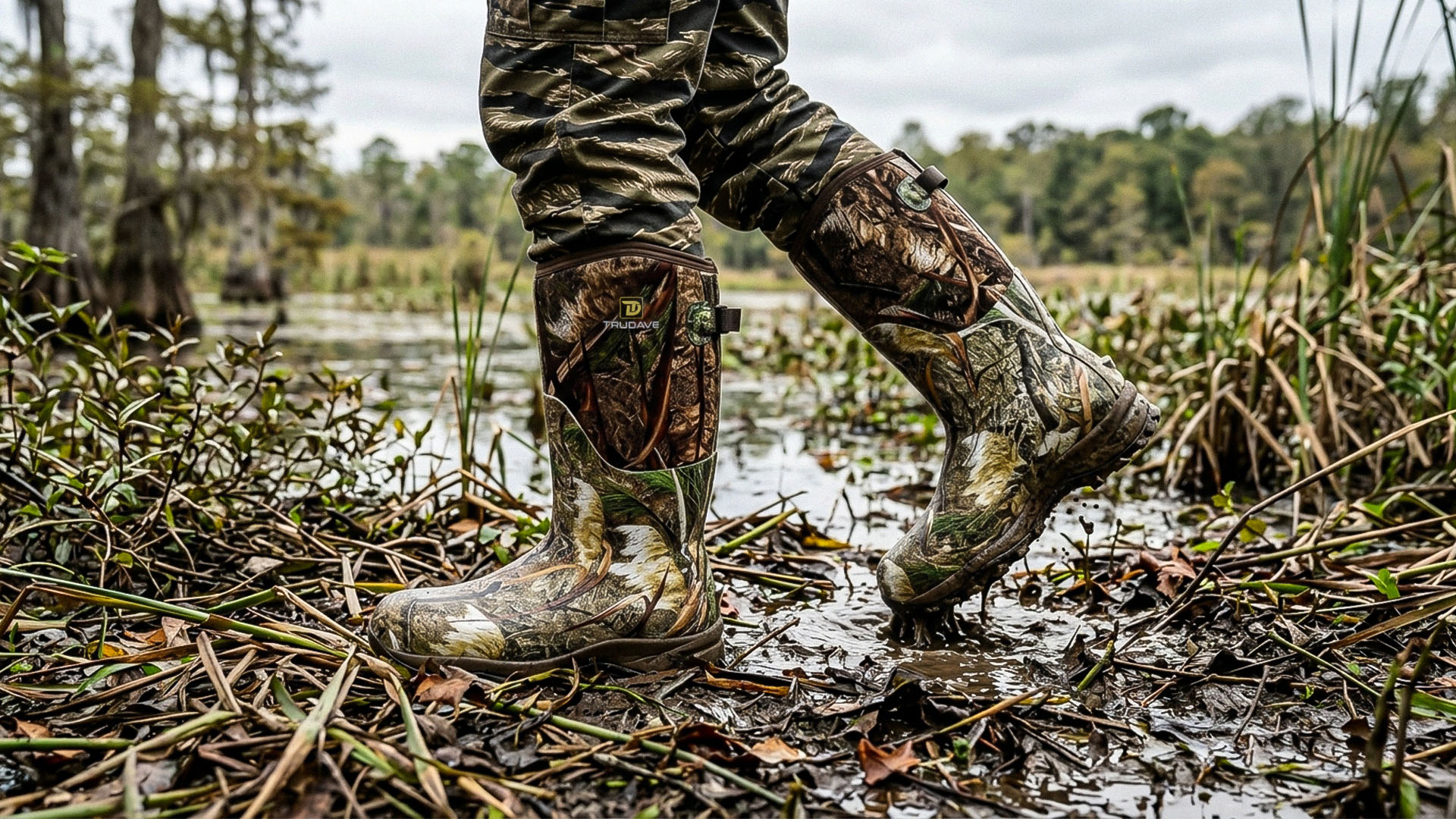
Hunters may benefit from waterproof hunting boots for spring turkey hunting that provide secure heel retention, dependable traction, and enough support for wet hardwood terrain without creating unnecessary weight.
Waterproofing Matters Every Morning
Spring grass can hold heavy dew even without rain.
Dew Can Soak Non-Waterproof Footwear Quickly
Especially around:
- Fields
- logging roads
- Creek bottoms
Rain Adds More Moisture
A waterproof boot helps maintain comfort during long sits.
Wet Feet Become Cold During Stationary Hunting
Spring mornings can still be chilly.
Secure Heel Fit Matters
Hunters may climb several ridges before settling in.
Heel Slip Creates Blisters
A hunt that requires repeated relocation exposes poor fit quickly.
Traction Matters on Wet Leaves
Leaves can slide over:
- Clay
- Rock
- Roots
Wet Roots Are Extremely Slick
Step beside them when possible.
Muddy Clay Slopes Can Be Dangerous
Short controlled steps improve balance.
Logging Roads May Become Slippery
Vehicle ruts fill with:
- Water
- Mud
Avoid Walking Directly Through Deep Ruts
Use firmer edges.
Creek Banks Can Be Slick
Wet soil may collapse.
Choose Crossing Points Carefully
Look for:
- Firm bottom
- Stable banks
- Shallow water
Trekking Poles Can Help
Especially on steep wet terrain.
Tall Rubber Boots Can Work in Flat Wet Country
They may be excellent around:
- Swamps
- creek bottoms
- Mud
- Pasture edges
But Steep Appalachian Terrain Often Favors Lace-Up Boots
Supportive waterproof boots provide better:
- Heel lock
- Ankle control
- Sidehill stability
Choose Boots for the Entire Hunt
Do not select footwear only for one muddy field.
Gaiters Can Be Useful
They help keep:
- Dew
- Mud
- Seeds
- Rain runoff
out of boots.
Spring Vegetation Can Grow Quickly
Late-season hunts may involve much wetter brush than early season.
Lightweight Boots Can Reduce Fatigue
Turkey hunters often move repeatedly between setups.
But Excessively Soft Boots Can Be Unstable
Mountainous terrain requires support.
Moderate Ankle Support Works Well
Especially on uneven ridges.
Insulation Depends on Climate
Cold northern mornings may justify more warmth.
Warm southern spring hunts may require very little insulation.
Avoid Excessive Insulation
Overheated feet sweat.
Sweat becomes uncomfortable during long sits.
Match Socks to Conditions
Moisture-managing socks improve comfort.
Carry Spare Socks
One unexpected creek crossing can soak the first pair.
Rain Pants Can Be Useful
Wet vegetation often soaks legs before rain itself becomes a problem.
Quiet Clothing Matters
Turkey hearing is excellent.
Avoid loud fabrics if possible.
Rain Gear Should Still Allow Movement
Heavy noisy gear can become frustrating.
Gloves Have Several Uses
They help with:
- Concealment
- Cold mornings
- Brush
Face Concealment Can Be Important
Turkey vision is excellent.
Avoid Unnecessary Movement
Even good camouflage cannot hide obvious motion.
Sit Comfortably
A poor setup makes movement more likely.
Use Natural Back Cover
A large tree can break up the hunter’s outline.
Check Behind the Tree Before Sitting
Watch for:
- Poison ivy
- Insects
- Sharp branches
- Unstable ground
Ticks Can Be Serious in Spring
Turkey habitat overlaps heavily with tick habitat.
Use Appropriate Prevention
Check:
- Clothing
- Skin
- Gear
after the hunt.
Mosquitoes Increase Later in Spring
Wet bottoms can become uncomfortable.
Insect Protection Helps
Snakes May Become Active
Warmer spring weather can bring snakes out.
Watch Where You:
- Step
- Sit
- Reach
Do Not Place Hands Blindly Around Rocks or Logs
Spring Storms Can Develop Quickly
Thunderstorms are common in many turkey regions.
Lightning Is a Real Risk on Ridges
Move away from exposed high ground when severe weather approaches.
Heavy Rain Can Raise Creeks
A small crossing can become dangerous.
Do Not Wait Until Water Becomes Unsafe
Plan exit routes.
Wind Can Drop Branches
Wet forests may contain:
- Dead limbs
- Damaged trees
Look Up Before Choosing a Long Sit
Avoid obviously hazardous trees.
Fog Can Complicate Navigation
Especially before sunrise.
Offline Maps Are Useful
Download:
- Roads
- Topography
- Property boundaries
- Creeks
Mark the Vehicle
Turkey hunting often involves moving through several hollows.
Carry a Headlamp
Predawn access is standard.
Carry Backup Light
Do not depend on one battery.
Use Low Light Carefully
Avoid shining unnecessary light into known roost areas.
Navigation in Darkness Requires Slower Movement
Do not rush through unfamiliar terrain.
Turkeys Can Cover Ground Quickly
A gobbler heard on one ridge may be in another hollow an hour later.
Do Not Assume He Disappeared
Use terrain to relocate.
Listen From High Points
A ridge can improve hearing distance.
But High Points Expose Movement
Approach carefully after daylight.
Midday Relocation Can Be Effective
Walk quietly and pause often to listen.
Do Not Call Constantly
Excessive calling may educate pressured birds.
Let the Bird Reveal Its Position
Patience matters.
Scratching Sounds Can Be Useful
Natural forest sounds may suggest feeding activity.
But Human movement must remain safe and legal
Do not imitate turkey movement while walking in crowded hunting areas without considering hunter safety.
Gobblers Can Approach Silently
Always assume a bird may be nearby after calling.
Scan Slowly
Look for:
- Head
- Neck
- Body movement
between trees.
Do Not Stand Up Suddenly
A silent gobbler may already be within range.
Turkey Vision Punishes Movement
Move only when terrain or vegetation hides you.
Eastern Turkeys Can Use Fields Differently Throughout the Day
Early morning may involve field edges.
Midday birds may move into:
- Timber
- Creek bottoms
Evening patterns may shift again.
Current Behavior Matters More Than One Rule
Breeding Activity Changes Through the Season
Early spring social groups may behave differently from later-season birds.
Hen Nesting Activity Can Change Gobbler Behavior
Later in the season, toms may spend more time alone.
Do Not Assume Late Season Is Worse
It is different.
Reduced Foliage Early Helps Visibility
Later green-up provides more concealment for both:
- Birds
- Hunters
But Dense Leaves Reduce Sound Distance
A gobble may not carry as far.
Adjust Scouting Effort
Dusting Areas Can Reveal Turkey Use
Dry loose soil may show:
- Feathers
- depressions
- Tracks
Roads and Field Edges Often Contain Dusting Sites
Strut Zones Can Be Subtle
Gobblers may display in:
- Logging roads
- Field corners
- Open hardwood benches
Tracks Can Reveal Repeated Use
Large gobbler tracks may appear in soft soil.
But Track Size Alone Should Not Drive Hunting Decisions
Use sign together.
Droppings Can Add Information
Freshness matters.
Public Land Can Produce Excellent Turkey Hunting
But pressure changes behavior.
Walk Beyond Obvious Parking Areas When Habitat Justifies It
Do not simply walk farther for the sake of distance.
Look for Habitat Others Avoid
Examples include:
- Steep benches
- Secondary ridges
- Difficult creek systems
But Safety Comes First
Do not cross unsafe terrain simply to avoid other hunters.
Private Land Can Offer Different Patterns
Lower pressure may make birds more vocal.
Agricultural Food May Influence Movement
Landowners May Have Specific Restrictions
Follow them exactly.
Gates Must Be Left As Directed
Do Not Block Farm Roads
Respect Livestock
Turkeys may feed near cattle pastures.
Never Shoot Toward Livestock
Buildings May Be Hidden Behind Terrain
Know the entire property.
Positive Identification Is Essential
Spring turkey regulations often specify:
- Sex
- Visible beard
- Other legal characteristics
depending on jurisdiction.
Know the Exact Legal Definition
Do not assume every turkey is legal.
Hens Can Have Beards
Depending on local regulations, visual identification may require more than sex alone.
Study Current Rules Before Season
Turkey Seasons Are Highly Jurisdiction-Specific
Before hunting, verify current official:
- Season dates
- Legal birds
- Daily and season limits
- Shooting hours
- Weapon rules
- Tag or permit requirements
- Public-land restrictions
Do Not Use Last Year’s Regulations
Rules can change.
Different Counties or Zones May Have Different Dates
Know the exact area.
Public Wildlife Areas May Require Additional Permits
Check property-specific information.
Youth or Special Hunts May Have Separate Rules
Do not assume they apply to general-season hunters.
Shot Restrictions May Apply in Some Areas
Verify legal ammunition and equipment.
Hunter Orange Rules May Differ During Turkey Season
Check current local requirements.
Turkey Recovery Should Be Immediate
After a legal harvest, retrieve the bird promptly.
Steep Terrain Can Complicate Recovery
A bird may move downhill.
Mark the Location
Use:
- Tree
- Rock
- Trail
- Ridge feature
Spring Vegetation Can Hide Birds
Even a large turkey can disappear in:
- Ferns
- brush
- leaves
Warm Weather Requires Game Care
Spring afternoons can become warm quickly.
Keep Harvested Birds Cool
Follow current food-safety guidance.
Direct Sun Adds Heat
Move toward cooling promptly.
Clean Storage Matters
Keep game away from:
- Mud
- Dust
- Vehicle contamination
Carry Appropriate Game Bags or Containers
Common Eastern Turkey Hunting Mistakes
Hunting Only Where Birds Gobble at Dawn
Midmorning and midday can be productive.
Ignoring Terrain
Ridges, benches, creeks, and saddles control movement.
Calling From the Wrong Side of a Barrier
Creeks and fences can stop an otherwise interested bird.
Walking Too Close to the Roost
Bumping birds early can ruin the setup.
Leaving Too Soon After Rain
Bird activity may increase when weather breaks.
Wearing Boots With Poor Wet-Surface Traction
Spring hardwoods can be extremely slippery.
Moving Too Much During a Setup
Turkey vision quickly detects unnecessary motion.
Stalking Turkey Sounds
A call may be another hunter. Never stalk turkey sounds.
Frequently Asked Questions
Where do Eastern wild turkeys usually live?
Eastern wild turkeys commonly use hardwood forests, mixed pine-hardwood habitat, creek bottoms, ridges, logging roads, old fields, pastures, and agricultural edges.
Are hardwood ridges good for turkey hunting?
Yes. Ridges can provide travel routes, feeding habitat, calling locations, and access to nearby roosting areas.
Is turkey hunting good after rain?
It can be excellent. Rain quiets forest litter, creates fresh tracking conditions, and may push birds into fields, logging roads, or other open areas when the weather improves.
Are creek bottoms good places to find turkeys?
Yes. Creek bottoms can provide green vegetation, soft feeding soil, water, and easier travel through steep landscapes.
What boots are best for spring turkey hunting?
Waterproof hunting boots with secure heel fit, reliable traction on wet leaves and mud, and enough support for ridges, creek crossings, and long forest walks are practical.
Are rubber boots good for turkey hunting?
Tall rubber boots can work extremely well in flat wet forests, swamp edges, and muddy lowlands. Steeper Appalachian or hill-country hunts may favor supportive waterproof lace-up boots.
Do turkeys move differently in windy weather?
Strong wind can push birds toward protected hollows, creek bottoms, and leeward slopes while also making gobbling harder for hunters to hear.
Do Eastern turkey hunting regulations vary?
Yes. Seasons, legal birds, tag requirements, bag limits, shooting hours, weapons, and public-land restrictions vary by jurisdiction. Hunters should verify current official regulations before hunting.
Final Thoughts
Eastern turkey hunting teaches hunters that the spring forest is never as quiet or as random as it first appears.
One hardwood ridge carries a gobble farther.
One creek bottom greens up earlier.
One saddle gives birds an easier route.
One logging road creates feeding habitat.
One rainstorm turns dry leaves quiet and leaves fresh tracks in every muddy opening.
The turkey sees all of those connections.
Successful hunters learn to see them too.
Listen from ridges.
Study benches.
Check creek bottoms.
Watch logging roads after rain.
Follow the spring green-up.
Respect roosts, private-property boundaries, other hunters, changing weather, and rising water.
Wear boots that let you cross dew-soaked grass, muddy logging roads, wet hardwood leaves, slick roots, creek bottoms, steep ridges, and miles of spring forest without making soaked feet, blisters, or poor traction the reason the hunt ends early.
And when a gobbler that went silent an hour earlier suddenly appears on the same bench you almost abandoned, remember the lesson.
Turkey hunting is not always about making a bird answer.
Sometimes it is about understanding the terrain well enough to know where that bird wants to go even when he says nothing.
