Mountain quail country can look almost impossible to hunt.
Chaparral covers the hillside.
Oak brush fills a shallow draw.
A creek disappears beneath willow and alder.
Loose soil slides under every uphill step.
Visibility may be only twenty yards.
Sometimes less.
A hunter climbs through what looks like perfect cover.
Nothing flushes.
Then one bird calls from somewhere across the drainage.
Another answers farther uphill.
Minutes later, a covey erupts from beneath the brush and disappears into terrain that looked too dense for anything to move through.
That is mountain quail hunting.
These birds live in western landscapes where:
- Brush
- Water
- Elevation
- Shade
- Terrain
- Seasonal food
all matter.
The mountain may contain thousands of acres of cover.
The birds often concentrate in a much smaller portion of it.
Successful hunters learn to search for the places where dense vegetation and usable water come together.
Mountain Quail Are Birds of Dense Western Cover
Mountain quail are strongly associated with western habitats containing combinations of:
- Chaparral
- Brushy foothills
- Oak woodland
- Conifer edges
- Creek bottoms
- Canyon slopes
- Dense shrub cover
They differ from many open-country quail species.
Mountain quail can live in habitat where visibility is extremely limited.
Brush Is the First Major Clue
Productive cover may include:
- Manzanita
- Ceanothus
- Scrub oak
- Willow
- Other dense shrubs
depending on region.
Dense Cover Provides Security
A bird can move through brush while remaining almost invisible to hunters.
Hunt the Edge Before the Center
The thickest cover may be nearly impossible to walk.
Start where brush meets:
- Trail
- Creek
- Grassy opening
- Timber edge
Small Openings Matter
Mountain quail may feed in small clearings before retreating into brush.
A Twenty-Yard Opening Can Be Enough
Do not focus only on large meadows.
Creek Draws Can Be Excellent Habitat
Water is often one of the best ways to narrow the search.
Brush around creeks can provide:
- Shade
- Food
- Insects
- Security
Seasonal Creeks Still Matter
A drainage may remain useful even when surface water disappears.
The surrounding vegetation often stays denser.
Look for Green Corridors
During dry seasons, creek vegetation may remain noticeably greener than surrounding hillsides.
Springs Can Concentrate Birds
Small springs and seeps can create productive pockets.
Hunt the Cover Around Water
Do not stand directly over the water source.
Birds may spend most of their time nearby rather than at the water itself.
Tracks Can Reveal Current Use
Soft mud around a seep may show:
- Small bird tracks
- Repeated travel
Droppings Add Evidence
Fresh sign around water or feeding cover can help confirm activity.
Water Matters More During Dry Weather
As the landscape dries, reliable water becomes more important.
Wet Years Can Spread Birds Out
Temporary water allows quail to use more habitat.
Dry Years Can Concentrate Them
This can make scouting easier.
Chaparral Slopes Can Hold Coveys
Thick shrubland offers excellent protection.
But hunters need to find the right structure.
Look for Internal Openings
Coveys may use:
- Small grass patches
- Burned pockets
- Rocky clearings
- Trail edges
inside larger brush systems.
Brush Height Matters
Cover that is too tall and solid may be difficult for feeding.
Low-to-medium brush with open ground beneath can be better.
Think at Quail Height
Ask:
Can birds walk under the vegetation?
Is there food on the ground?
Can they escape quickly?
Steep Terrain Changes Everything
Mountain quail habitat often occurs on:
- Canyon walls
- Foothills
- Mountain benches
- Broken ridges
Elevation Can Affect Bird Distribution
Temperature, vegetation, and water availability change with elevation.
Early Season May Find Birds Higher
Where cooler temperatures and water remain available.
Seasonal Weather Can Move Them
Cold, snow, or changing food can alter elevation use.
Do Not Hunt One Elevation All Year
Current conditions matter.
Benches Can Be High-Value Habitat
A flat shelf on a steep hillside can provide:
- Feeding room
- Easier travel
- Resting habitat
Topographic Maps Help Find Benches
Look where contour lines spread apart.
Small Benches Can Hold Entire Coveys
Especially when they contain brush and nearby water.
Saddles Can Connect Habitat
Low points between ridges provide easier movement.
Hunt Around Vegetated Saddles
Especially where brush corridors connect two drainages.
Ridge Shoulders Can Be Productive
Birds may stay slightly below exposed crests.
Avoid Walking Only the Skyline
Search the protected side.
South-Facing Slopes Can Be Drier
This may reduce water availability.
North-Facing Slopes Can Stay Cooler
They may retain:
- Green vegetation
- Moisture
- Shade
longer.
Do Not Memorize One Slope Direction
Rainfall, season, and elevation all matter.
Recent Rain Can Transform Habitat
Dry foothill soil may suddenly become:
- Soft
- Muddy
- Green
after storms.
Mountain Quail Hunting After Rain Can Be Productive
Rain may:
- Freshen tracks
- Increase surface water
- Quiet vegetation
- Stimulate feeding areas
Wet Brush Makes Movement Quieter
Hunters can move with less noise.
But Wet Brush Soaks Clothing
Vegetation may remain wet long after rain stops.
Chaparral Holds Huge Amounts of Water
Every branch transfers moisture.
Waterproof Layers Matter
Even without active rainfall.
Mud Can Become Slick
Clay hillsides may lose traction rapidly.
Loose Soil Becomes Worse When Wet
A slope that felt manageable when dry may become dangerous.
Slow Down After Rain
Quiet terrain is not safe terrain.
Creek Banks Can Collapse
Saturated soil may break away.
Stay Back From Undercut Edges
Rain Can Make Small Creeks Rise
A crossing used in the morning may be deeper later.
Plan the Return
Fog Can Reduce Visibility
Coastal and mountain foothills can develop low cloud and fog.
Navigation Becomes Harder
Brushy ridges all begin to look alike.
Carry Offline Maps
Download:
- Topography
- Creeks
- Roads
- Property boundaries
Mark the Vehicle
A covey chase can pull hunters into another drainage.
Mountain Quail Are Often Vocal
Calls can help locate birds in thick cover.
Stop and Listen
Especially around:
- Creek corridors
- Brushy slopes
- Morning feeding areas
Sound Travels Through Canyons
Calls can be deceptive.
A Bird May Sound Closer Than It Is
Use terrain to estimate location.
Move Between Listening Positions
Do not rush directly toward the sound.
Coveys Can Spread Out
One calling bird may sit some distance from the rest.
Listen for Multiple Birds
This can reveal covey size and position.
Calling Can Be More Useful Than Visual Glassing
Dense brush often limits long-distance visibility.
But Binoculars Still Help
Glass:
- Open benches
- Trail edges
- Rocky clearings
before walking in.
Look for Moving Birds
A bird crossing an opening may reveal an entire covey.
Mountain Quail Often Run Before Flushing
Dense cover gives them an escape advantage.
Walking Too Fast Can Push Them Ahead
Slow down.
Dogs Can Help Greatly
Pointing or flushing dogs can locate birds hidden inside brush.
But Brush Country Is Hard on Dogs
Possible hazards include:
- Thorns
- Steep terrain
- Heat
- Limited water
Keep Dog Range Controlled
A dog can disappear quickly in chaparral.
Reliable Recall Is Essential
GPS or Legal Tracking Equipment Can Help
Where allowed.
Brush Can Injure Eyes
Dog eye protection may be useful in dense cover.
Check Dogs Frequently
Look for:
- Scratches
- Cuts
- Seeds
Grass Seeds Can Be a Serious Issue
Inspect:
- Ears
- Nose
- Paws
- Coat
Foxtails Can Be Dangerous
Where present, remove them promptly and monitor dogs carefully.
Carry Fresh Water
Do not assume every creek is flowing.
Mountain Water Can Be Seasonal
A blue map line may be dry.
Warm Weather Increases Risk
Early-season western bird hunts can be hot.
Dogs Can Overheat on Steep Slopes
Provide frequent:
- Water
- Rest
- Shade
Do Not Depend on Natural Shade Alone
Brush may provide cover but little airflow.
Mountain Quail Hunting Is Hard on Footwear
A typical hunt may involve:
- Loose soil
- Rocky slopes
- Wet grass
- Mud
- Creek crossings
- Brush
- Logging trails
- Long climbs
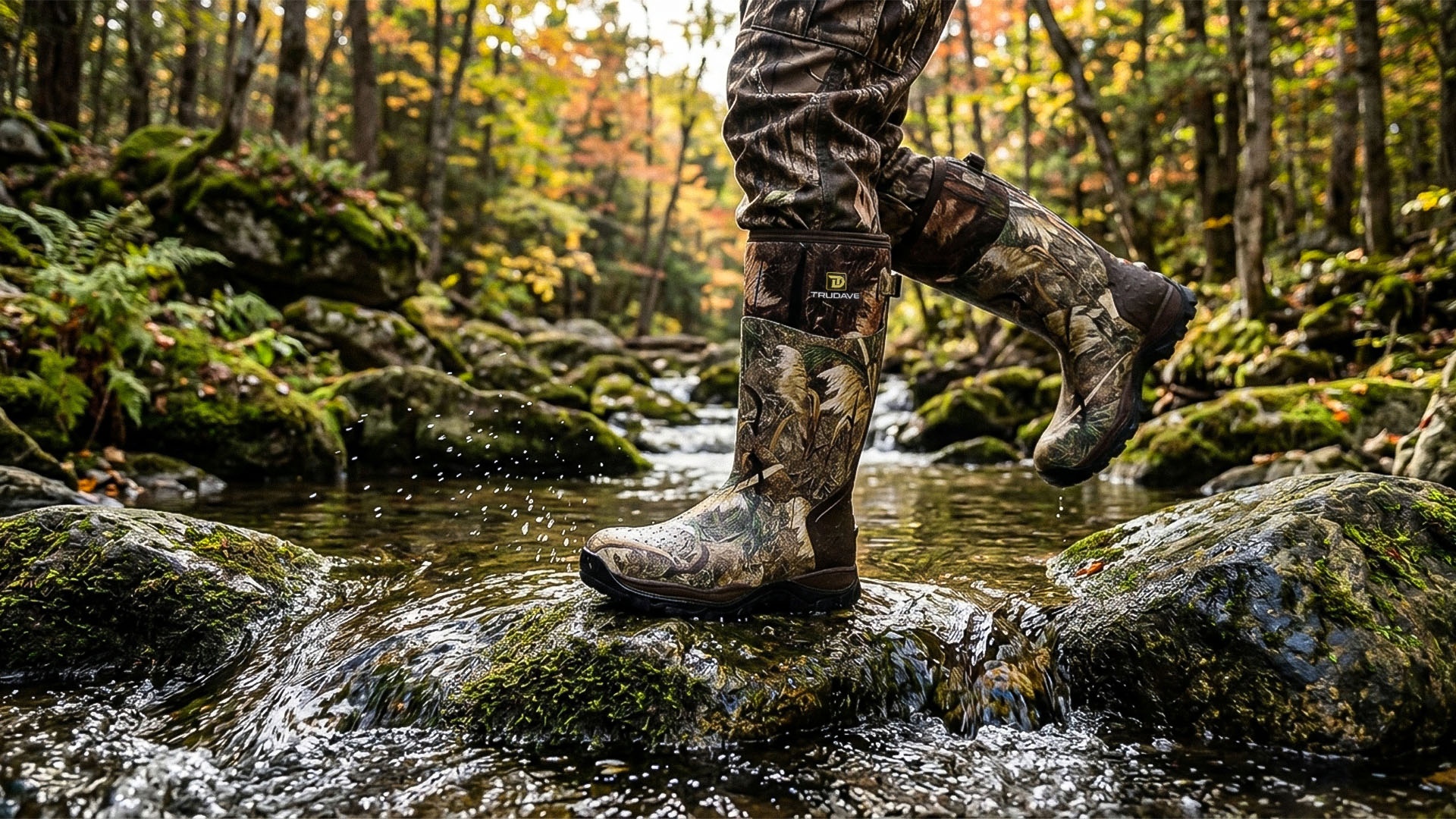
Hunters may benefit from waterproof hunting boots for mountain quail hunting that provide secure heel retention, reliable traction, and enough ankle support for steep foothill terrain without becoming excessively heavy.
Lightweight Boots Reduce Fatigue
Upland hunting involves constant movement.
But Too-Light Footwear Can Lack Support
Steep sidehilling requires structure.
Secure Heel Fit Is Critical
Repeated climbing quickly exposes poor fit.
Heel Slip Creates Blisters
Especially in wet conditions.
Toe Room Matters on Descents
Long downhill walks push feet forward.
Moderate Ankle Support Helps
Hidden rock and uneven brush terrain stress ankles.
Waterproofing Is Extremely Useful
Mountain quail habitat may contain:
- Morning dew
- Wet brush
- Creek crossings
- Rain
- Mud
Gaiters Can Be Excellent
They help keep:
- Seeds
- Mud
- Water
- Small rocks
out of boots.
Brush Debris Gets Everywhere
Gaiters reduce constant stopping.
Traction Matters on Mixed Surfaces
One hunt may involve:
- Dry dirt
- Wet clay
- Rock
- leaves
- grass
No Outsole Makes Every Surface Safe
Route choice still matters.
Wet Rock Is Slick
Especially around creeks.
Moss Adds Another Hazard
Avoid stepping directly on wet mossy rock when possible.
Roots Can Become Slippery
Take short controlled steps.
Tall Rubber Boots Can Work in Wet Creek Bottoms
Where terrain is flatter and saturated, they provide useful protection.
But Rubber Boots Are Often Less Ideal on Steep Hills
Lace-up waterproof boots typically provide better:
- Heel control
- Ankle support
- Precision
Choose Boots for the Entire Route
Do not select footwear only for one creek crossing.
Break Boots In Before Season
Mountain quail country is a poor place to discover fit problems.
Train in Them
Use:
- Hills
- Uneven trails
- Loaded pack
Physical Conditioning Matters
Mountain quail may require substantial climbing.
Mileage Does Not Tell the Whole Story
Three steep miles can feel much harder than eight flat miles.
Train Uphill
Train Downhill Too
Descending places heavy stress on:
- Knees
- Quads
- Feet
Save Energy
Do not climb every brush-covered hill randomly.
Use Habitat Clues First
Find:
- Water
- Bench terrain
- Feeding openings
Route Selection Matters
A straight line through chaparral may be much slower than a longer trail.
Use Old Roads and Trails
They can provide easier access.
Closed Roads Can Be Valuable Walk-In Routes
Where legal.
But Verify Access
Do not assume every gated road allows public foot travel.
Logging Roads Can Hold Birds
Grassy road edges may provide feeding habitat.
Road Bends Can Surprise Hunters
A covey may be feeding just beyond sight.
Slow Down Before Corners
Road Cuts Can Expose Rock and Soil
These small openings may attract birds for grit or feeding.
Powerline Corridors Can Create Openings
Where present, they may provide:
- Grass
- Shrubs
- Travel lanes
Hunt the Brush Edge
Burns Can Create New Habitat
Wildfire changes dense chaparral dramatically.
Recent Burns May Be Too Open
But vegetation regeneration can create useful feeding cover.
Burn Age Matters
Several years after fire, habitat may become attractive.
Hunt Burn-to-Brush Edges
These transitions combine:
- Food
- Security
Wildfire Also Changes Access
Old roads may:
- Wash out
- Close
- Become overgrown
Check Current Land Rules
Property Boundaries Matter
Mountain quail habitat may cross:
- National forest
- State land
- Private ranch
- Timber land
Open Hills Do Not Mean Open Access
Use current maps.
Private Creek Corridors Require Permission
Do not assume flowing water creates public hunting access.
Birds Cross Boundaries Easily
Hunters cannot.
Know Exactly Where You Are
Public Land Can Have Vehicle Restrictions
Many mountain areas restrict:
- Off-road driving
- Seasonal access
Stay on Authorized Routes
Do Not Drive Around Gates
Fire Restrictions Can Matter
Dry western uplands often face wildfire risk.
Avoid Parking Over Dry Grass
Hot vehicle components can start fires.
Follow Current Land-Management Rules
Mountain Quail Flushes Can Be Extremely Fast
Dense brush creates short shooting windows.
Birds May Rise Almost Vertically
Then turn through cover.
Do Not Shoot Through Thick Brush
Branches may hide:
- Partners
- Dogs
Establish Safe Shooting Zones
Especially when hunting narrow canyons.
Hunters Can Drift Vertically
One person may end up:
- Uphill
- Downhill
from another.
Communicate Constantly
Do Not Shoot Toward Unknown Terrain
A ridge or brush wall is not automatically a safe backstop.
Pick One Bird
Coveys may flush together.
Do Not Shoot Into the Group
Watch the Covey After the Flush
Birds may break into several smaller groups.
Mark Landing Areas
Use:
- Rock outcrop
- Lone tree
- Trail bend
- Brush opening
Singles Can Hold Tight
After covey breakup, slow down.
One Bird May Stay Behind
Expect delayed flushes.
Recovery Can Be Difficult
A downed mountain quail can disappear in:
- Dry leaves
- Brush
- Grass
- Rocks
Watch Every Bird to the Ground
Mark the Fall Immediately
Use multiple landmarks.
Steep Terrain Changes the Landing Point
A bird may roll or slide downhill.
Check Below the Mark
Dogs Greatly Improve Recovery
Allow the dog time to search.
Do Not Immediately Trample the Area
Without a Dog, Search Methodically
Use:
- Small circles
- Parallel passes
Brush Can Hide Birds Underneath
Look beneath low branches.
Ethical Shot Selection Includes Recovery
A bird flying toward:
- Cliff
- Deep brush
- Private ground
may be a poor opportunity.
Positive Identification Matters
Mountain quail habitat can overlap with other western quail species depending on region.
Study Local Species
Possible overlap may include:
- California quail
- Gambel’s quail
in portions of the West.
Mountain Quail Have Distinctive Features
Hunters should learn:
- Long straight head plume
- Chestnut sides
- Overall body pattern
Juvenile Birds Can Be Less Obvious
Do not study only mature adults.
Fast Flushes Make Identification Hard
Learn the birds before entering the field.
Habitat Is Only a Clue
Do not identify solely because the bird flushed from mountain brush.
If Unsure, Do Not Shoot
Regulations Vary by Jurisdiction
Before hunting, verify current official:
- Season dates
- Daily bag limits
- Possession limits
- License requirements
- Species-specific rules
- Public-land restrictions
- Shooting hours where applicable
Quail Regulations May Differ by Species
Do not assume one quail limit applies to all local birds.
Regional Zones May Have Different Seasons
Check the exact hunt area.
Do Not Use Last Year’s Regulations
Rules can change.
Non-Toxic Ammunition Requirements May Apply
Depending on jurisdiction and property.
Check Current Rules
Dogs Need Special Attention Around Roads
Mountain roads can curve tightly around brush.
Traffic May Be Hard to Hear
Keep dogs under control near:
- Forest roads
- Trailheads
- Ranch roads
Hunters Should Stay Visible Around Roads Too
Recreational Users May Share Public Land
Possible users include:
- Hikers
- Mountain bikers
- Horse riders
Know the Background Before Shooting
Do Not Assume Remote Brush Is Empty
Warm Weather Requires Game Care
Early mountain quail seasons may be warm.
Keep Harvested Birds Cool
Do not leave them in direct sun.
Carry Appropriate Storage
Protect birds from:
- Dust
- Brush debris
- Insects
Start Cooling Promptly
Follow current food-safety guidance.
Common Mountain Quail Hunting Mistakes
Hunting Huge Brush Fields Randomly
Focus on water, creek draws, benches, and feeding openings.
Walking Too Fast
Mountain quail often run before flushing.
Ignoring Seasonal Water
Dry-weather water can be one of the strongest habitat clues.
Fighting Through the Thickest Chaparral
Edges and openings are usually more efficient.
Wearing Boots With Poor Heel Lock
Steep terrain exposes bad fit immediately.
Underestimating Wet Brush After Rain
Vegetation can soak hunters quickly.
Letting Dogs Range Too Far
Brush, heat, cliffs, and roads create hazards.
Assuming All Western Quail Have the Same Regulations
Always verify species and regional rules.
Frequently Asked Questions
Where do mountain quail usually live?
Mountain quail commonly use brushy foothills, chaparral, creek draws, oak woodland, conifer edges, canyon slopes, and dense western shrub habitat.
Is water important for mountain quail?
Yes. During dry conditions, springs, seeps, creeks, and greener drainages can help concentrate birds and narrow the search area.
Are creek bottoms good for mountain quail hunting?
They can be excellent because they often provide water, dense cover, insects, shade, and feeding habitat.
Is mountain quail hunting good after rain?
Rain can create fresh tracks, new surface water, quieter vegetation, and improved feeding conditions, although steep slopes and creek banks may become much more slippery.
What boots are best for mountain quail hunting?
Waterproof hunting boots with secure heel fit, dependable traction, durable toe protection, and moderate ankle support for steep brushy slopes are practical.
Are rubber boots good for mountain quail hunting?
Tall rubber boots can work well in flat wet creek bottoms, while long climbs, sidehilling, and rocky foothills usually favor supportive waterproof lace-up boots.
Can dogs help hunt mountain quail?
Yes. Pointing and flushing dogs can be very effective, but hunters should manage dense brush, eye injuries, grass seeds, heat, limited water, steep terrain, and roads carefully.
Do mountain quail hunting regulations vary?
Yes. Seasons, bag limits, possession limits, species rules, licenses, ammunition requirements, and public-land restrictions vary by jurisdiction. Hunters should verify current official regulations before hunting.
Final Thoughts
Mountain quail hunting teaches hunters that the best cover is rarely the easiest cover.
One spring keeps a drainage green.
One creek creates dense willow.
One mountain bench offers feeding room.
One chaparral edge gives birds both food and escape cover.
One rainstorm turns a dusty hillside into a completely different habitat.
The mountains may contain endless brush.
The birds do not use all of it equally.
Find water.
Listen for calls.
Hunt creek corridors.
Check benches.
Work the brush edges.
Slow down after a covey flush.
Respect heat, steep terrain, wet clay, cactus, dogs, roads, wildfire risk, and property boundaries.
Wear boots that let you cross muddy creek bottoms, wet grass, loose foothill soil, brush-covered slopes, rocky trails, slick roots, and miles of western mountain country without making wet feet, heel slip, blisters, or poor traction the reason the hunt ends early.
And when a mountain quail covey erupts from a tiny brushy bench beside the only spring in an otherwise dry canyon, remember the lesson.
The birds did not choose the entire mountain.
They chose the place where water, cover, food, shade, and escape terrain all came together.
Find that intersection.
That is where the hunt begins.
