
Pronghorn country can make a hunter feel visible from miles away.
Grass barely reaches the ankle.
Sagebrush grows in scattered patches.
A low ridge breaks the horizon.
There is almost nowhere to hide.
Then a buck appears on the opposite flat.
He looks small through binoculars.
Far enough away that the hunter begins planning a stalk.
One step over the ridge.
The buck raises his head.
Another step.
The herd begins moving.
Within seconds, the animals are hundreds of yards farther away.
That is pronghorn hunting.
Pronghorn live in open landscapes where visibility is one of their greatest defenses.
Hunters cannot depend on thick timber.
They have to use the small things.
A shallow coulee.
A low ridge.
A fence line.
A sage-covered draw.
A slight fold in the prairie.
Successful hunters learn that open country is not truly flat.
It is full of small terrain features that can hide movement from animals watching almost everything around them.
Pronghorn Are Built for Open Country
Pronghorn commonly occupy broad western landscapes containing:
- Shortgrass prairie
- Sagebrush flats
- High plains
- Desert grasslands
- Rolling basins
- Agricultural edges
Their habitat is often extremely open.
That openness allows them to detect danger early.
Visibility Is Their Advantage
Pronghorn rely heavily on sight.
They can spend long periods in terrain where:
- Trees are rare
- Brush is low
- Long views are normal
A hunter standing upright in the wrong place can become obvious quickly.
Your First Goal Is Usually Not Getting Closer
It is avoiding being seen.
That means understanding:
- Terrain
- Wind
- Sun
- Movement
before leaving the glassing position.
Glass Before Walking
Pronghorn hunting rewards optics.
Use binoculars to scan large areas before covering ground.
Look for:
- White rump patches
- Dark horn shapes
- Horizontal body lines
- Small groups feeding across open flats
Elevated Ground Helps
A low hill or ridge can reveal enormous country.
Find a position where you can study:
- Basins
- Sage flats
- Water sources
- Agricultural edges
without exposing yourself.
Stay Below the Skyline
Do not stand on top of an open ridge if you can glass just below it.
A human silhouette is easy to detect.
Glass Slowly
Pronghorn can be surprisingly hard to see when they are:
- Bedded
- Standing in sage
- Partially hidden by rolling terrain
Look for White First
A bright rump patch may reveal an animal before the whole body becomes visible.
Movement Gives Them Away
A head turn or feeding step can make a previously invisible animal obvious.
Do Not Stop After One Scan
Animals may:
- Stand up
- Move out of a depression
- Enter better light
after several minutes.
Open Prairie Is Not Flat
This is one of the most important lessons in pronghorn hunting.
Small features may include:
- Coulees
- Shallow draws
- Low ridges
- Drainages
- Road cuts
These can hide a hunter completely.
Coulees Can Make a Stalk Possible
A drainage only several feet deep may allow a hunter to cross hundreds of yards unseen.
Study its direction before moving.
Follow the Coulee as Long as Possible
Do not leave concealment early.
Use the terrain until it no longer helps.
Coulees Can Curve
A drainage may look perfect from the glassing point but bend away from the animals.
Use maps to understand its shape.
Topographic Maps Are Extremely Useful
Even subtle contour changes matter.
Look for:
- Draws
- Benches
- Low saddles
- Drainage channels
Satellite Imagery Adds Habitat Information
Aerial imagery may reveal:
- Sage density
- Roads
- Fences
- Agricultural fields
Combine it with topography.
Low Ridges Can Hide Movement
A ridge only twenty feet high may be enough to shield an entire approach.
Stay on the opposite side.
Do Not Walk the Crest
Move slightly below it.
This reduces the chance of being silhouetted.
Sagebrush Can Add Concealment
Sage rarely hides a standing hunter completely.
But combined with low terrain, it can break up movement.
Crawl Only When Terrain Requires It
Staying low may help during final portions of a stalk.
But crawling across:
- Rock
- Cactus
- Thorns
can be physically punishing.
Plan the Final Approach Before Moving
Ask:
Where will I become visible?
That point matters more than the first half of the stalk.
Wind Still Matters
Pronghorn have excellent vision.
That does not mean scent can be ignored.
Use wind to reduce the chance of detection.
Crosswinds Can Be Useful
Depending on terrain, a crosswind may allow a more practical stalk than moving directly upwind.
Wind Can Change Quickly in Open Country
Ridges and basins can redirect airflow.
Check conditions repeatedly.
Strong Wind Can Help Hide Movement
Grass and sage moving in wind create visual noise.
This may make small hunter movements less noticeable.
Wind Can Also Make the Hunt Harder
It may increase:
- Shooting difficulty
- Walking fatigue
- Dust
Pronghorn May Bed Differently in Wind
Animals may choose:
- Leeward slopes
- Low basins
where conditions are calmer.
Search Protected Terrain on Windy Days
Even animals adapted to open country may use shelter.
Sun Direction Matters
A stalk directly into bright sunlight may make movement less obvious from the animal’s perspective.
But glare can also hurt the hunter.
Early Morning Light Can Reveal Animals
Low sun creates strong contrast.
Glass open flats carefully.
Midday Can Still Be Productive
Pronghorn may remain visible throughout the day.
Unlike some woodland game, they often stay in open country.
Midday Glass Can Save Miles
Instead of random walking:
Stay behind optics.
Heat Can Affect Movement
During warm conditions, animals may reduce activity and bed longer.
Shade Is Limited
They may bed behind:
- Sage
- Small terrain breaks
rather than under trees.
Water Can Be Important in Dry Country
Pronghorn may use:
- Stock tanks
- Springs
- Reservoir edges
- Wildlife water developments
depending on region.
Water Sources Can Concentrate Sign
Look for:
- Tracks
- Trails
- Droppings
around access points.
But Do Not Assume Animals Stay Beside Water
They may visit briefly and move long distances away.
Travel Routes Matter
Repeated trails between:
- Water
- Feeding flats
- Bedding areas
can help explain movement.
Agriculture Can Attract Pronghorn
Where prairie meets:
- Alfalfa
- Grain
- Irrigated fields
animals may feed regularly.
Agricultural Edges Can Become Predictable
Watch where animals:
- Enter
- Leave
the crop.
Private Land Can Complicate These Patterns
Pronghorn may feed on private ground and spend other parts of the day on public land.
Know exact boundaries.
Open Country Makes Boundaries Hard to See
A fence may or may not represent ownership.
Use reliable land information.
A Pronghorn Crossing a Fence Does Not Create Access
Respect property lines.
Ask About Retrieval Before Hunting Near Boundaries
Big-game recovery can become complicated quickly.
Fences Affect Pronghorn Movement
Pronghorn often prefer to pass under fencing rather than jump.
Look for established crossing points.
Repeated Fence Crossings Can Reveal Travel
Tracks and hair may show frequently used locations.
Do Not Alter Fences
Never:
- Cut wire
- Remove staples
- Create crossings
without permission.
Barbed Wire Is a Hunter Hazard Too
Open grass can hide low or fallen strands.
Watch your footing.
Fence Corners Can Concentrate Movement
Terrain and fence layout together may create predictable travel.
Roads Can Reveal Fresh Sign
Dirt two-tracks often preserve:
- Hoofprints
- Dust movement
after rain or snow.
Rain Can Improve Tracking
Fresh mud resets the surface.
Current movement becomes easier to see.
Pronghorn Hunting After Rain Can Be Excellent for Scouting
Check:
- Ranch roads
- Water sources
- Fence crossings
- Low basins
for fresh tracks.
Rain Can Also Destroy Access
High-plains clay can become extremely slick.
A road that was dry in the morning may become nearly impassable.
Do Not Rut Wet Roads
Park and walk instead.
Mud Can Add Huge Weight to Boots
Sticky clay builds on soles.
Clean it when practical.
Wet Sage Can Soak Hunters
Rainwater stays on vegetation.
Even low brush can transfer significant moisture to:
- Boots
- Pants
Morning Dew Can Do the Same
Open grassland may appear dry from a distance.
Walking through it tells a different story.
Pronghorn Hunting Is a Serious Walking Hunt
A typical day may involve:
- Shortgrass prairie
- Sagebrush
- Gravel
- Mud
- Cactus
- Fence crossings
- Long-distance stalks
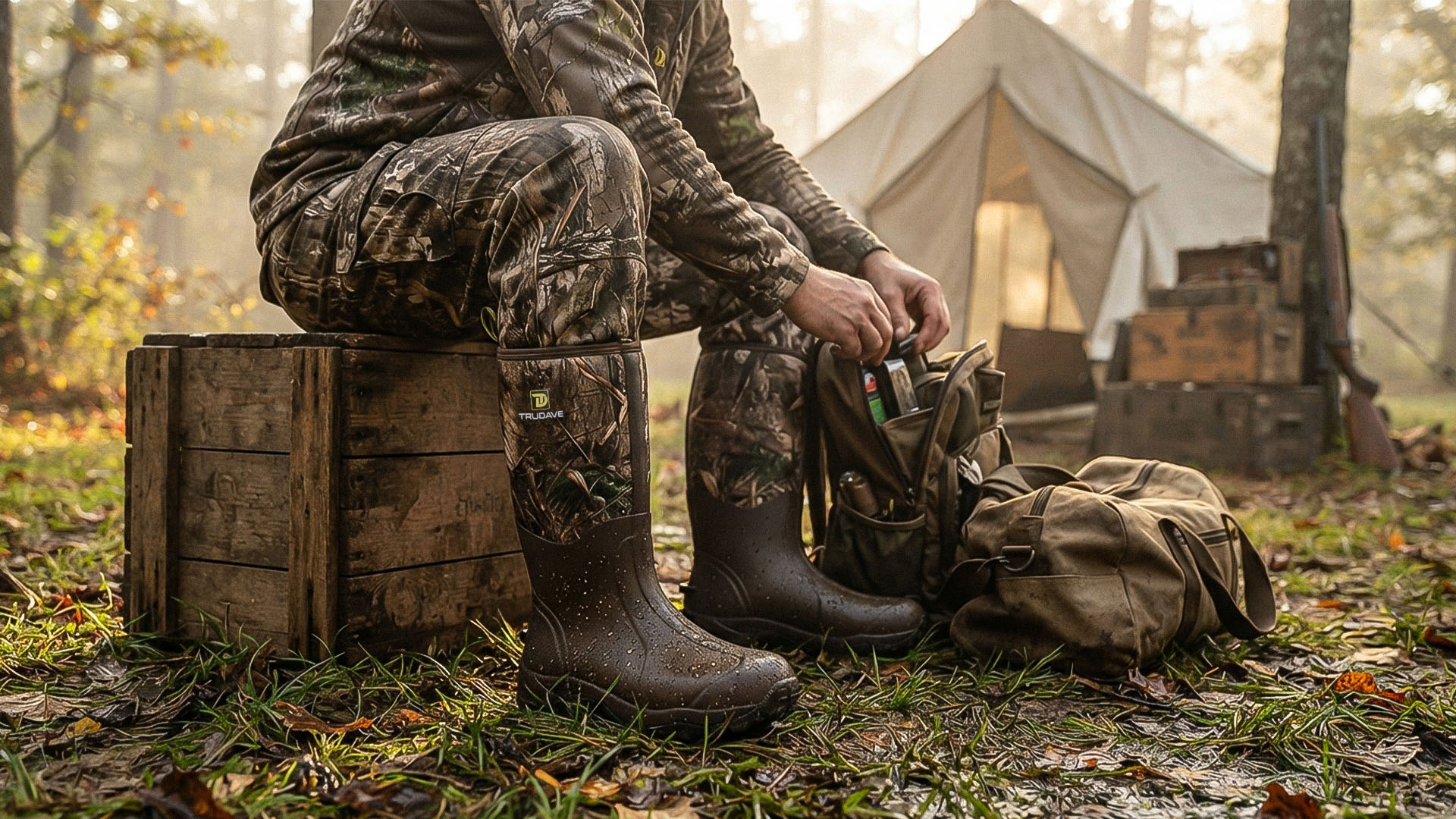
Hunters may benefit from waterproof hunting boots for pronghorn hunting that provide secure heel retention, dependable traction, and enough support for long open-country walks without unnecessary weight.
Lightweight Boots Are Often Ideal
Pronghorn country usually rewards mobility.
Heavy mountain boots may create unnecessary fatigue in rolling prairie.
But Terrain Still Matters
Some hunts include:
- Rocky badlands
- Steep coulees
- Broken ridges
where more support is helpful.
Match the Boot to the Hunt
Flat sage country may need different footwear from rugged canyon terrain.
Waterproofing Is Still Useful
Despite the dry reputation of western prairie, hunters may encounter:
- Wet grass
- Rain
- Mud
- Snow
Secure Heel Fit Prevents Blisters
A pronghorn stalk may turn into several miles of walking.
Poor fit becomes painful quickly.
Toe Protection Helps
Sharp:
- Rock
- Cactus
- Dry vegetation
can damage lightweight footwear.
Moderate Ankle Support Is Useful
Hidden holes and uneven coulees can twist ankles.
Traction Matters on Loose Dirt
Dry slopes can slide almost as badly as wet ones.
Use short steps.
Muddy Clay Can Be Worse
Once wet, some high-plains soil becomes extremely slick.
Gaiters Can Help
Gaiters may keep:
- Seeds
- Mud
- Wet grass
- Snow
out of boots.
Cactus Can Be a Real Problem
Depending on region, pronghorn habitat may contain:
- Prickly pear
- Other low cactus
Watch Where You Kneel
Final stalks often require:
- Sitting
- Kneeling
- Crawling
Check the ground first.
Cactus Can Hide Beneath Grass
Wear durable pants.
Gloves Can Help During Crawling
Rock and dry plants can be abrasive.
Knee Protection Can Be Useful on Long Low Stalks
Hard ground can become uncomfortable quickly.
Open Prairie Sun Is Relentless
There may be little natural shade.
Use appropriate:
- Hat
- Sunscreen
- Protective clothing
Dehydration Happens Quickly
Wind and dry air can hide fluid loss.
Carry enough water.
Do Not Depend on Stock Tanks for Drinking Water
Bring clean water for yourself.
Long Glass Sessions Still Require Hydration
Sitting does not eliminate dehydration.
Heat Can Be Severe During Early Seasons
Midday temperatures may be much higher than dawn temperatures.
Layering Helps With Large Temperature Swings
A cold morning can become warm rapidly.
Avoid Heavy Insulation During the Walk
Sweat can create discomfort later.
Windproof Clothing Is Valuable
Open-country wind may be constant.
A lightweight wind layer can make a major difference.
Cold Weather Changes the Hunt
Later-season pronghorn hunts may include:
- Frost
- Snow
- Frozen roads
Snow Makes Animals Easier to See
Their bodies contrast against white ground.
But glare can become intense.
Snow Also Reveals Tracks
Fresh tracks show:
- Travel routes
- Fence crossings
- Feeding activity
Windblown Ground Can Stay Exposed
Animals may feed where snow does not cover vegetation.
Frozen Ground Can Improve Walking
Mud becomes firm.
But ruts and hoof holes become harder.
Snow Can Hide Hazards
Watch for:
- Cactus
- Holes
- Wire
beneath the surface.
Blizzards Can Make Open Country Dangerous
There is little shelter.
Monitor weather carefully.
Do Not Get Trapped Far From the Vehicle
Visibility can disappear quickly.
Fog Can Be Surprisingly Disorienting
Open plains without landmarks become difficult to navigate.
Offline Maps Are Important
Download:
- Roads
- Property boundaries
- Water sources
- Topography
before the hunt.
Mark the Vehicle
A long stalk can cross multiple ridges and draws.
Save the location.
Carry a Headlamp
Recovery can continue after dark.
Open Country After Dark Looks Completely Different
Small roads and fences become harder to recognize.
Hunting Pressure Changes Behavior
Pronghorn close to roads may react strongly to vehicles.
Vehicles Can Spook Them From Long Distance
Stopping repeatedly near a herd may educate animals.
Scout Discreetly
Observe from a distance.
Public-Land Animals Learn Quickly
After several days of pressure, they may move toward:
- Private boundaries
- Remote basins
- Terrain farther from roads
Do Not Assume Remote Means Better
Habitat and current animal use still matter.
Glassing Can Identify Pressure Patterns
Watch where animals go when:
- Trucks stop
- People enter fields
That route may reveal secure terrain.
Herd Behavior Matters
A large group has many eyes.
One animal becoming alert can affect the whole herd.
Watch the Does
Even if hunting a buck, other animals may detect you first.
One Alert Animal Can End the Stalk
Treat the entire herd as the target’s security system.
Smaller Groups Can Sometimes Be Easier to Approach
There are fewer eyes.
But terrain still matters most.
Solitary Bucks May Behave Differently
Season and breeding activity can change social structure.
Rut Behavior Can Change Movement
During breeding periods, bucks may become more occupied with:
- Does
- Rival males
but they do not lose awareness.
Never Depend on Rut Behavior to Cover Poor Movement
Wind and visibility still matter.
Bedding Animals Can Be Easier to Stalk
A bedded herd may move less.
That can provide time to plan terrain carefully.
But One Standing Animal Changes Everything
Wait.
Patience may save the stalk.
Use Terrain Before Speed
There is rarely a reason to hurry across visible ground.
Long Detours Can Be Worth It
Walking an extra mile behind a ridge may be better than crossing two hundred yards in view.
Final Approaches Require Discipline
Move only when:
- Animals are feeding
- Terrain hides you
- Their heads are down
when conditions allow.
Stop When They Look Up
Movement is easier to detect than a still shape.
Plan Shooting Position Early
Do not arrive at the final point with nowhere stable to set up.
Use Natural Support
Depending on legal hunting method and conditions, hunters may use:
- Pack
- Terrain
- Legal shooting support
for stability.
Open Country Often Creates Longer Opportunities
Hunters should understand their personal and equipment limitations.
Never Take an Opportunity Beyond Your Confident Capability
Ethical decisions matter more than open-country distance.
Wind Can Affect Projectile Flight
Strong crosswinds make longer shots more difficult.
Distance Estimation Can Be Deceptive
Open prairie makes animals appear closer than they are.
Use a legal and appropriate rangefinding method where permitted.
Positive Identification Is Essential
Pronghorn have a distinctive appearance.
But hunters must still confirm:
- Legal sex
- Tag eligibility
before taking an animal.
Horn Requirements May Apply
Some hunts may distinguish:
- Buck
- Doe/fawn
- Any pronghorn
based on tag type.
Do Not Assume Every Animal Is Legal
Check your permit.
Tags Are Often Unit-Specific
A herd crossing a road or fence may enter a different hunt area.
Know exact boundaries.
Seasons Can Differ by Weapon Type
Dates may vary for:
- Archery
- Muzzleloader
- General seasons
depending on jurisdiction.
Verify Current Official Regulations
Before hunting, confirm:
- Season dates
- Tag validity
- Hunt area boundaries
- Legal animal
- Shooting hours
- Weapon rules
- Access rules
- Reporting requirements
Private Ranch Access May Have Additional Conditions
Follow landowner instructions.
Public Land Can Be Checkerboarded
Western ownership patterns can alternate:
- Public
- Private
in confusing ways.
Legal Access Must Be Verified
Do not assume apparent proximity means lawful access.
Respect Livestock
Pronghorn country often overlaps with cattle operations.
Know where animals are before taking a shot.
Ranch Equipment May Be Hidden
Water tanks, fences, and structures can sit in low ground.
Open Prairie Is Not a Backstop
Know exactly what lies beyond the animal.
Recovery Must Be Planned
A pronghorn in open country may fall a long distance from the nearest road.
Mark the Location Carefully
Use multiple landmarks:
- Ridge
- Fence post
- Road
- Rock
Do Not Walk Directly Without Marking
Open terrain can make distances deceptive.
GPS Marking Can Help
Save the location before leaving your shooting position where appropriate.
Warm Weather Makes Game Care Urgent
Many pronghorn hunts occur during relatively warm conditions.
Meat cooling must happen quickly.
Plan Game Care Before the Hunt
Know:
- Recovery route
- Cooling method
- Storage location
before leaving the vehicle.
Direct Sun Heats Game Quickly
Use appropriate shade and cooling.
Clean Game Bags Help
Protect meat from:
- Dust
- Grass
- Insects
Do Not Leave Harvested Game in a Hot Vehicle
Have cooling ready.
Long Drags Can Be Difficult
Flat country can still involve significant distance.
Carry Systems Can Help
A pack or game cart may be useful depending on:
- Terrain
- Regulations
- Access
Mud Can Make Carts Difficult
Dry prairie may turn into sticky clay after rain.
Plan alternatives.
Multiple Trips May Be Safer
Do not overload yourself.
Common Pronghorn Hunting Mistakes
Walking Before Glassing
Open country gives you a major optics advantage.
Crossing Visible Ground Too Early
Use terrain until the last possible moment.
Treating Prairie as Flat
Small coulees and ridges make stalks possible.
Ignoring the Whole Herd
One doe can detect you before the buck does.
Underestimating Wind
It affects both detection and shooting conditions.
Wearing Heavy or Poorly Fitting Boots
Pronghorn hunting often means long open-country miles.
Ignoring Mud After Rain
High-plains roads can become nearly impassable.
Failing to Plan Meat Care
Warm weather can make post-harvest cooling urgent.
Frequently Asked Questions
Where do pronghorn usually live?
Pronghorn commonly use open western habitats such as shortgrass prairie, sagebrush flats, high plains, desert grasslands, rolling basins, and agricultural edges.
What is the best way to hunt pronghorn in open country?
Glassing combined with careful spot-and-stalk use of coulees, low ridges, draws, and other terrain features is one of the most common approaches.
Are sagebrush flats good pronghorn habitat?
Yes. Sagebrush and grassland basins can provide food, visibility, and large open spaces, especially when connected to water and productive feeding areas.
Does wind affect pronghorn hunting?
Yes. Wind influences scent, animal bedding locations, hunter movement, and shooting conditions. Strong wind can both help conceal movement and make accurate shooting more difficult.
Is pronghorn hunting good after rain?
Rain can create fresh tracks and make current movement easier to read, but muddy high-plains roads and sticky clay can make access much more difficult.
What boots are best for pronghorn hunting?
Lightweight waterproof hunting boots with secure heel fit, dependable traction, and moderate support for gravel, sage, mud, cactus country, and long prairie walks are practical.
Why is glassing so important for pronghorn?
Pronghorn live in large open landscapes and can detect hunters from long distance. Good optics allow hunters to locate animals and study terrain before exposing themselves.
Do pronghorn hunting regulations vary by unit?
Yes. Tags, season dates, legal animals, hunt areas, weapon rules, access conditions, and reporting requirements can vary significantly. Hunters should verify current official regulations for the exact hunt.
Final Thoughts
Pronghorn hunting teaches hunters that open country does not mean exposed country.
One coulee hides the first half of a stalk.
One low ridge hides the second.
One sage-covered draw creates the final approach.
One fence crossing reveals a travel pattern.
One rainy night turns a dusty road into fresh tracking ground.
One small terrain fold makes the difference between being seen from a mile away and getting close enough to hunt effectively.
Glass first.
Study the terrain.
Use the coulees.
Stay below ridges.
Watch the whole herd.
Respect private ranches and fences.
Carry enough water.
Plan meat care before the temperature rises.
Wear boots that let you cross wet grass, sagebrush, loose gravel, sticky clay, cactus flats, ranch roads, and miles of open prairie without making your feet the limiting factor.
And when you finally reach the end of a stalk and look back across the country you crossed without ever being visible to the herd, remember the lesson.
Pronghorn country was never empty of cover.
The cover was simply made from terrain instead of trees.
