
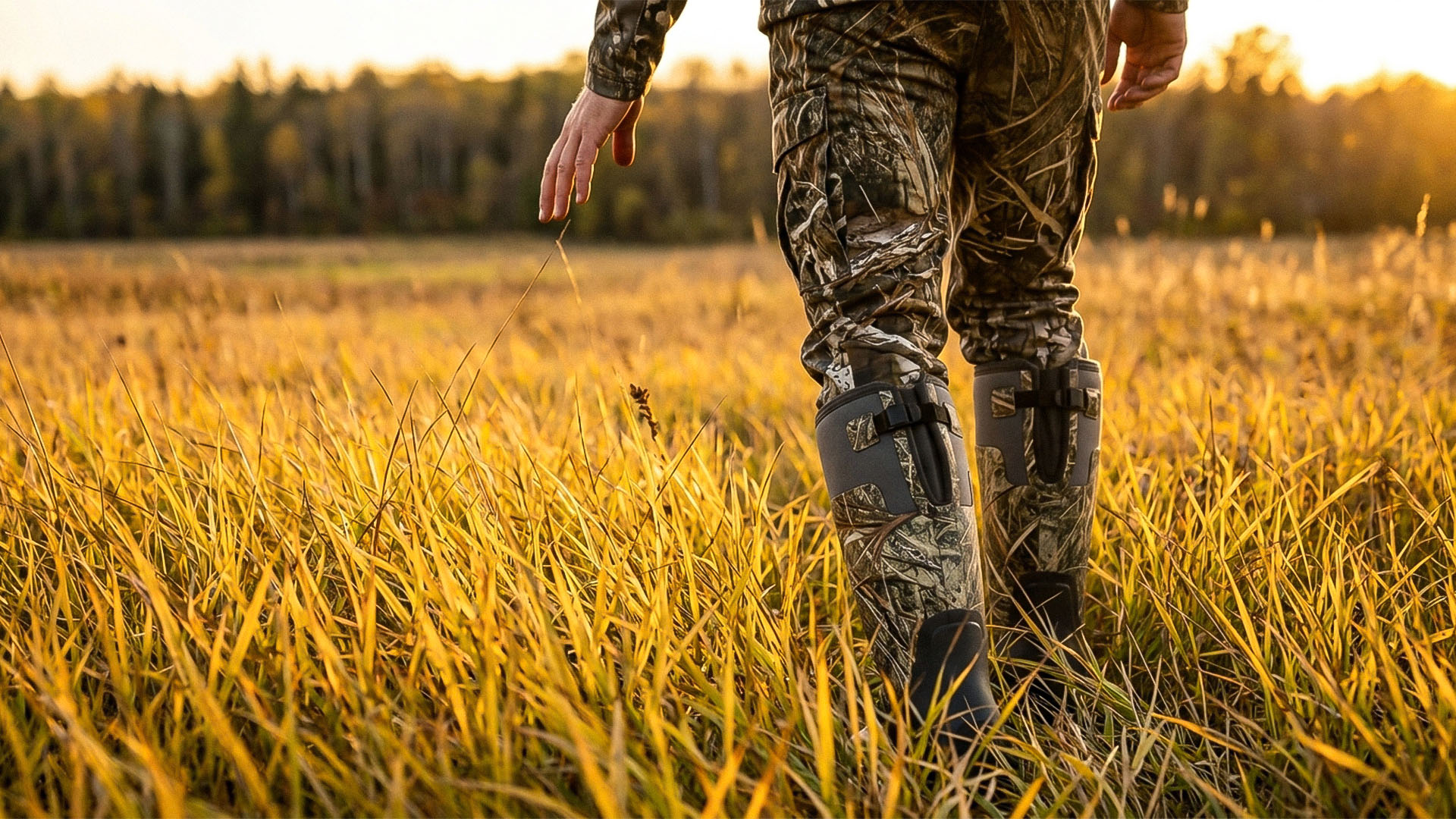
Gray partridge country can look almost painfully open.
Wheat stubble stretches across the horizon.
A shelterbelt breaks the wind along one section line.
Short grass fills a shallow drainage.
A gravel road cuts through flat agricultural ground.
There is nowhere for birds to hide.
At least that is what it looks like.
Then the dog suddenly turns into the wind.
The hunters slow down.
Nothing moves.
Another twenty yards.
A covey erupts from stubble barely higher than a boot.
Ten birds rise together.
They stay low.
Turn hard with the wind.
And disappear across the next field before the hunters have fully processed the flush.
That is gray partridge hunting.
These birds can live in country that seems far too open to provide security.
Their survival depends on:
- Camouflage
- Group behavior
- Agricultural food
- Grass edges
- Wind protection
- Fast low flight
Successful hunters learn that prairie farmland is not featureless.
A ditch matters.
A field corner matters.
A shelterbelt matters.
A strip of taller grass only thirty yards wide may matter more than hundreds of acres of open stubble.
Gray Partridge Are Birds of Agricultural Country
Gray partridge, often called Hungarian partridge or “Huns” by hunters, are closely associated with open farmland and grassland landscapes in portions of North America.
Productive habitat may include:
- Wheat stubble
- Grain fields
- Native grass
- Roadside cover
- Shelterbelts
- Fence lines
- Field borders
- Prairie drainages
The strongest habitat usually combines food with enough cover to provide security.
Grain Stubble Is an Important Starting Point
Harvested grain fields can provide:
- Waste grain
- Weed seeds
- Open feeding habitat
Birds may spend significant time in or near these fields.
But not every stubble field is equally useful.
Look for Cover Beside the Grain
A huge wheat field with no nearby shelter may be less attractive than one bordered by:
- Grass
- Brush
- Shelterbelt
- Ditch
Gray partridge benefit from having feeding habitat and escape cover close together.
Hunt the Transition
The first fifty yards where stubble meets grass can be much more productive than the middle of the field.
Slow down along:
- Fence rows
- Drainage strips
- Field corners
Field Corners Can Hold Entire Coveys
Agricultural equipment often leaves awkward corners less intensively managed.
These areas may develop:
- Taller grass
- Weeds
- Brush
That small patch can provide enough cover for a covey.
Shelterbelts Are Major Habitat Features
Rows of:
- Trees
- Shrubs
- Evergreen cover
can provide protection from prairie wind.
They may also connect feeding areas.
Hunt the Downwind Side
During cold or windy conditions, birds may use the protected side of a shelterbelt.
The difference in exposure can be dramatic.
Shelterbelt Ends Deserve Attention
Birds pressured through a linear tree belt may move toward:
- Grass corner
- Fence intersection
- Crop edge
at either end.
Do not relax near the last section.
Shelterbelts Can Also Hold Other Wildlife
Maintain positive identification.
Agricultural edges may contain:
- Pheasants
- Rabbits
- Other upland birds
Do not shoot simply because something flushes.
Roadside Grass Can Be Productive
In heavily farmed landscapes, road rights-of-way may provide some of the only remaining continuous grass cover.
Birds may use them for:
- Feeding
- Travel
- Escape cover
where hunting access is legal.
Road Hunting Rules Vary
Never assume roadside habitat is automatically legal to hunt.
Check current rules concerning:
- Rights-of-way
- Shooting near roads
- Vehicle-based hunting restrictions
Ditches Can Function Like Prairie Corridors
Agricultural drainage ditches may contain:
- Grass
- Weeds
- Shrubs
and connect several fields.
Coveys may move along them instead of crossing exposed ground.
Hunt the Upper Bank
The bottom of a ditch may be:
- Wet
- Muddy
- Filled with snow
while birds use the higher grass edge.
Small Drainages Can Hold Birds in Bad Weather
A depression only a few feet lower than the surrounding prairie can reduce wind exposure.
These subtle features matter.
Prairie Topography Is More Important Than It Looks
Flat country often contains:
- Swales
- Low ridges
- Shallow coulees
- Gentle benches
Birds notice these differences even when hunters barely do.
Use Elevation to Read the Field
From a slight rise, hunters can often identify:
- Taller grass
- Field edges
- Drainage systems
- Shelterbelts
before walking.
Glass Before Covering Miles
Binoculars can help reveal:
- Birds feeding in open stubble
- Habitat transitions
- Field structure
Even if birds are difficult to see, the landscape becomes easier to understand.
Gray Partridge Blend Extremely Well
Their plumage matches:
- Dry grass
- Soil
- Stubble
A motionless covey can disappear visually.
Look for Movement
A head turning or bird walking through stubble may reveal the group.
Color alone often will not.
Coveys Can Sit Surprisingly Tight
Open country does not always mean early flushes.
Birds may rely on camouflage until hunters are relatively close.
Stay ready in productive habitat.
But Pressured Coveys Can Flush Wild
After repeated disturbance, birds may rise well ahead of hunters.
Pressure changes behavior.
Hunting Pressure Matters
Coveys near:
- Roads
- Easy access
- Popular public fields
may become wary quickly.
Later-season birds often require more careful approaches.
Do Not Chase Every Wild Flush Directly
A covey that flushes far ahead may land several hundred yards away.
Watch carefully.
Then plan the second approach.
Mark the Landing Area
Use multiple landmarks such as:
- Shelterbelt corner
- Fence post
- Low hill
- Dark patch of stubble
Prairie fields can look identical once you start walking.
Scattered Birds May Hold Better
After a covey breaks apart, singles or smaller groups may stay tighter.
This can create better opportunities.
Give the Birds Time to Settle
Do not immediately sprint toward the landing point.
Slow down.
Regain orientation.
Approach carefully.
Coveys Can Run Before Flushing
Gray partridge may move ahead on foot when pressured.
Watch dog behavior.
A suddenly moving dog may indicate birds shifting through the cover.
Do Not Race the Dog
Running hunters often make birds run faster.
Use coordinated pressure.
Dogs Can Be Extremely Useful
Pointing dogs can help locate coveys across enormous agricultural landscapes.
A trained dog can search:
- Grass
- Stubble
- Field edges
much more efficiently than hunters alone.
Open Country Encourages Wide Dog Range
That can be useful.
But dogs still need:
- Reliable control
- Awareness of roads
- Property boundaries
Roads Are a Major Dog Hazard
Prairie hunting often occurs near:
- County roads
- Farm roads
- Highways
Know where traffic is before releasing dogs.
Fence Lines Can Injure Dogs
Barbed wire is common.
Dogs running at speed may encounter it unexpectedly.
Scout Major Fences
Understanding the property layout helps manage dog range.
Snow Can Hide Fence Wire
Winter conditions make old fencing even harder to see.
Use extra caution.
Dogs Need Paw Checks
Agricultural ground may contain:
- Sharp stubble
- Frozen soil
- Gravel
- Ice
Inspect pads regularly.
Stubble Can Abrade Feet
Dry cut stems may cause small injuries during long days.
Ice Can Build Between Toes
Snow and moisture can freeze into compact clumps.
Remove them before they cause irritation.
Grass Seeds Can Be a Problem Earlier in the Season
Check:
- Ears
- Paws
- Coat
throughout the hunt.
Carry Clean Water
Open prairie may provide little safe natural water.
Bring enough for both:
- Hunters
- Dogs
Warm Early Hunts Can Still Overheat Dogs
Wind can make the day feel cool to hunters.
Dogs working hard in grass may still overheat.
Give Regular Breaks
Do not wait for obvious exhaustion.
Wind Defines Prairie Hunting
Strong wind changes:
- Bird location
- Dog scenting
- Flight
- Hunter comfort
Few factors matter more.
Birds May Seek Wind Protection
During strong wind, search:
- Shelterbelt edges
- Low coulees
- Ditch banks
- Leeward slopes
Even Small Terrain Breaks Help
A depression only several feet deep can reduce wind dramatically at bird level.
Wind Can Make Flushes Extremely Fast
A covey flushing with a strong tailwind can gain distance almost immediately.
Stay controlled.
Pick One Bird
Several birds may cross at once.
Choose a single clear bird.
Do not shoot into the center of the covey.
Crosswinds Can Create Difficult Tracking
Birds may drift rapidly.
Maintain smooth movement and awareness.
Wind Affects Scenting Too
A steady wind can help a dog work birds from distance.
Strong swirling gusts may make location more difficult.
Approach From a Useful Wind Direction
Where terrain allows, position hunters so the dog can work scent effectively.
Calm Days Create Different Challenges
Without wind, scent may stay close to birds.
Coveys can be harder to locate until hunters are near.
Cold Weather Changes Habitat Use
Gray partridge live in country that can experience severe winter conditions.
Cold affects:
- Feeding
- Shelter
- Movement
Snow Can Concentrate Birds Near Food
When natural seeds become buried, grain stubble may become increasingly valuable.
Windblown Fields Can Stay Productive
Open portions where snow has been removed may expose:
- Grain
- Weed seeds
Birds may concentrate there.
Deep Snow Can Push Birds Toward Roads and Shelterbelts
These features may provide easier movement.
But roadside safety becomes especially important.
Snow Makes Tracks Easier to Read
Fresh tracks can reveal:
- Feeding zones
- Walking routes
- Group size
Follow Patterns Rather Than Individual Tracks
A covey may create a maze.
Look for repeated movement between:
- Food
- Shelter
- Roosting cover
Frozen Ground Changes Footing
Mud becomes hard.
Vehicle ruts become sharp and uneven.
Thawing Ground Can Be Worse
A firm morning field may become sticky by afternoon.
Plan the walk back.
Gray Partridge Hunting Is a Serious Walking Hunt
A typical day may involve:
- Wheat stubble
- Wet grass
- Mud
- Frozen ruts
- Snow
- Gravel roads
- Long field crossings
Hunters may benefit from waterproof hunting boots for prairie upland hunting that provide secure heel retention, dependable traction, and enough support for long agricultural walks without excessive weight.
Lightweight Boots Are Valuable
Gray partridge hunting may require many miles.
Heavy footwear adds fatigue with every step.
Waterproofing Still Matters
Morning grass and stubble can hold:
- Dew
- Frost
- Rain
that gradually soaks ordinary footwear.
Secure Heel Fit Prevents Hot Spots
Long, repetitive walking exposes poor fit quickly.
Heel slip becomes painful.
Moderate Support Helps
Prairie ground may hide:
- Holes
- Ruts
- Uneven frozen soil
Some ankle support improves stability.
Tall Rubber Boots Can Work in Mud
Where fields contain:
- Wet ditches
- Heavy mud
rubber boots can be practical.
Rubber Boots Need Walking Comfort
Loose fit becomes exhausting across miles of stubble.
Lace-Up Waterproof Boots Often Work Better for Distance
Firm agricultural ground favors lighter, supportive footwear.
Match Insulation to the Weather
Early-season prairie can be mild.
Late-season hunts may be brutally cold.
Do not use one insulation level automatically.
Too Much Insulation Causes Sweat
Active hunters generate heat.
Sweaty feet become colder once movement stops.
Thick Socks Need Enough Space
Compressed insulation and reduced circulation can make cold feet worse.
Gaiters Can Be Useful
Gaiters help keep:
- Snow
- Seeds
- Wet grass
- Mud
out of boots.
Morning Frost Can Melt Into Water
A frozen field at sunrise may soak clothing after the sun comes up.
Rain Turns Prairie Roads Into Mud
Clay farm roads can become:
- Slick
- Deep
- Easy to damage
Do Not Rut Private Roads
Landowner permission depends on responsible access.
Park farther away when necessary.
Walking Is Better Than Damaging the Farm
Future access matters more than a shorter setup.
Private Agricultural Land Requires Permission
Clarify:
- Parking
- Dogs
- Gates
- Retrieval
before hunting.
Open Fields Can Cross Multiple Properties
Do not assume one continuous field means one owner.
Know Exact Boundaries
Use reliable ownership information.
A Flushed Covey May Cross Onto Neighboring Ground
That does not create legal access.
Respect the boundary.
Ask About Retrieval in Advance
Know how the landowner wants you to handle a bird crossing:
- Fence
- Property line
Leave Gates As Directed
Do not assume every gate should be closed.
Follow instructions.
Livestock May Share the Fields
Cattle and other animals may be hidden in:
- Coulees
- Shelterbelts
Know where they are.
Low Birds Require Strict Background Awareness
Gray partridge frequently fly low.
Never shoot toward:
- Dogs
- Partners
- Livestock
- Roads
- Buildings
Stubble Does Not Stop a Projectile
Open farmland provides little natural backstop.
Know the full direction of every shot.
Group Hunts Need Organized Spacing
Hunters can work broad grass strips together.
Maintain a clear line.
Do Not Drift Ahead
One person twenty yards ahead changes every safe shooting angle.
Communicate.
Shelterbelts Can Hide Partners
Trees and shrubs may block visibility.
Know positions before entering.
Positive Identification Matters
Gray partridge habitat may overlap with:
- Ring-necked pheasants
- Sharp-tailed grouse
- Other upland birds
depending on region.
Gray Partridge Have Distinctive Features
Study:
- Body shape
- Tail
- Face pattern
- Chest markings
using official identification resources.
Fast Covey Flushes Make Preparation Important
Learn identification before entering the field.
Do not try to learn during the flush.
Do Not Identify Only by Size
Lighting and distance can distort apparent size.
Use multiple characteristics.
Habitat Helps but Is Not Enough
A covey in wheat stubble is not automatically gray partridge.
Confirm visually.
Regulations Vary by Jurisdiction
Before hunting, verify current official:
- Season dates
- Daily bag limits
- Possession limits
- License requirements
- Dog rules
- Public-land restrictions
Do Not Assume All Upland Birds Share the Same Season
Partridge regulations may differ from:
- Pheasant
- Grouse
Public-Land Rules Can Add Restrictions
Certain wildlife areas may regulate:
- Ammunition
- Entry
- Vehicle use
Hunter-Orange Rules May Apply
Overlapping big-game seasons can create additional requirements.
Check current regulations.
Habitat Management Matters
Gray partridge depend on agricultural landscapes containing enough cover.
Extremely clean farming systems can reduce:
- Grass edges
- Weed seeds
- Shelter
Field Borders Can Be Valuable
Unmowed or managed borders provide:
- Food
- Cover
- Travel routes
Shelterbelts Help Many Species
Tree and shrub rows can benefit:
- Partridge
- Pheasants
- Songbirds
- Other wildlife
Grass Corridors Improve Connectivity
Narrow strips may connect larger habitat blocks.
Responsible Hunters Protect Landowner Relationships
Do not damage:
- Crops
- Roads
- Fences
Stay on Authorized Routes
Avoid driving unnecessarily through fields.
Pick Up All Trash
Leave no:
- Food wrappers
- Dog supplies
- Equipment debris
behind.
Recovery Can Be Difficult
A gray partridge can disappear in:
- Short grass
- Stubble
- Snow
despite open surroundings.
Mark Every Fall
Pick several landmarks immediately.
Use Field Features
Mark relative to:
- Fence post
- Shelterbelt corner
- Tractor track
- Road sign
Dogs Can Greatly Improve Recovery
A trained dog can locate birds hidden in surprisingly short vegetation.
Give the Dog Room to Work
Do not immediately cover the entire area with human footprints.
Without a Dog, Search Methodically
Use:
- Parallel lines
- Small expanding circles
from the marked point.
Wounded Birds May Run
Search beyond the apparent landing point.
Snow Can Help and Hurt Recovery
Tracks may reveal movement.
But a bird can disappear into:
- Drifted grass
- Snow-covered stubble
Ethical Shot Selection Improves Recovery
If a bird crosses toward:
- Road
- Private property
- Livestock
let the opportunity go.
Warm Early-Season Conditions Require Game Care
Keep harvested birds:
- Clean
- Cool
according to
