
West Texas canyon country looks empty until something moves.
Red rock.
Dry grass.
Steep ridges.
Broken cliffs.
Long drainages cutting through miles of desert mountain terrain.
A hunter can stare at one hillside for ten minutes and see nothing.
Then one tan shape appears beneath a rock ledge.
Another steps from behind a cedar.
Suddenly an entire group of aoudad becomes visible.
They were there the entire time.
That is one of the biggest lessons in aoudad hunting.
These animals are extremely well adapted to steep, rocky country.
They use terrain that gives them:
- Visibility
- Escape routes
- Elevation
- Security
- Distance from pressure
The hunter who starts hiking before understanding the mountain often wastes enormous amounts of energy.
The hunter who glasses first can turn a huge canyon system into a much smaller problem.
Aoudad Are Built for Harsh Mountain Country
Aoudad, also known as Barbary sheep, are highly adapted to dry and rugged environments.
Productive habitat may include:
- Desert mountains
- Canyon systems
- Rocky ridges
- Cliff bands
- Broken foothills
- Sparse brush country
They are comfortable in terrain that is physically demanding for hunters.
This creates the central challenge:
The animals can travel through steep country much faster and more efficiently than you can.
Do not try to beat them with speed.
Beat them with planning.
Glassing Should Come Before Climbing
One of the most common mistakes is leaving the truck and immediately hiking.
In large canyon country, that can burn hours of energy before the hunter even knows whether animals are nearby.
Instead:
Find elevation.
Sit down.
Use optics.
Study the landscape carefully.
Look for:
- Tan body shapes
- Horizontal backs
- Horn curves
- Movement between rocks
Aoudad blend extremely well with dry terrain.
Glass Slowly
Fast scanning misses animals.
Divide the mountain into sections.
Search:
- Ridge tops
- Cliff bases
- Shaded ledges
- Open benches
- Drainage heads
Then repeat.
An animal that was hidden behind rock during the first scan may step into view during the second.
Morning Light Can Reveal Animals
Low-angle morning sunlight creates contrast.
Animals moving across shaded and illuminated terrain become easier to detect.
Glass:
- East-facing slopes
- Ridge edges
- Open feeding benches
before the sun becomes harsh.
Early light often makes body movement more obvious.
Shade Matters Later
As temperatures rise, aoudad may use:
- North-facing slopes
- Cliff shadows
- Canyon walls
- Brushy benches
Midday does not automatically mean the hunt is over.
It may simply mean you need to change where you are looking.
Search the cooler side of the mountain.
Canyon Walls Create Visual Blind Spots
A hillside may look completely exposed from one angle.
Move fifty yards and new terrain appears.
Small folds can hide:
- Entire bands
- Bedding areas
- Travel routes
This is why changing glassing angles can be more productive than changing mountains.
Use Multiple Glassing Points
If the first location produces nothing, move to a new angle.
Do not immediately assume the drainage is empty.
Aoudad can disappear behind:
- Rock ribs
- Ledges
- Small ridges
One canyon often requires several viewpoints.
Ridges Are Natural Travel Routes
Aoudad may move along:
- Ridge tops
- Saddles
- Sidehill benches
These routes allow efficient travel through broken terrain.
Look for tracks and trails around:
- Saddles
- Rock gaps
- Ridge intersections
Repeated use can create surprisingly obvious paths.
Saddles Can Funnel Movement
A saddle offers an easier crossing between two high points.
Animals often prefer the path requiring less energy.
This makes saddles useful for:
- Scouting
- Glassing
- Predicting movement
Do not assume the highest ridge is always best.
Sometimes the lowest gap controls everything.
Benches Are Extremely Important
A small flat shelf inside a steep mountain can provide:
- Bedding
- Feeding
- Travel
These benches may be almost invisible from below.
Study topographic maps.
Look for subtle contour changes.
A fifty-yard-wide bench can hold animals that never appear on the obvious slope.
Cliff Bases Can Provide Security
Aoudad may use broken cliffs and rock bands for protection.
Look beneath:
- Rock faces
- Overhangs
- Ledges
These areas can create:
- Shade
- Wind protection
- Escape routes
The cliff itself may be less important than the shelves directly below it.
Broken Terrain Gives Aoudad an Advantage
The more complicated the mountain, the easier it is for animals to disappear.
A hunter may see one ram.
Then lose it.
Do not rush into the canyon.
Stay on the optics.
The animal may reappear only a few yards from where it vanished.
Watch the Entire Group
Aoudad may occur in groups.
Once one animal is spotted, search nearby carefully.
Others may be:
- Above
- Below
- Behind rock
- Inside brush
Do not become so focused on one animal that you miss the rest of the group.
The other animals may detect you first.
Herd Eyes Make Stalking Difficult
More animals means more opportunities for detection.
A stalk on a group requires attention to:
- Wind
- Visibility
- Movement
One animal becoming alert can change the behavior of the entire group.
Move only when terrain hides you.
Wind Matters in Canyon Country
Canyons create complicated air movement.
Wind may:
- Funnel uphill
- Drop into drainages
- Swirl around rock
Check constantly.
A good starting wind can become bad halfway through the stalk.
Never assume the mountain air will stay consistent.
Thermals Change During the Day
Morning cool air often settles downhill.
As the sun warms slopes, thermals may begin rising.
That shift can completely alter a stalk.
Plan timing around:
- Sun exposure
- Canyon orientation
- Temperature
The route may be correct.
The timing may be wrong.
Use Terrain to Hide Movement
The best stalk usually involves staying out of sight.
Use:
- Ridge backs
- Drainages
- Rock walls
- Terrain folds
Avoid walking directly across exposed slopes simply because they offer the shortest path.
Distance is less important than concealment.
Do Not Skyline Yourself
A hunter walking along the top of a ridge may become visible from enormous distance.
Stay slightly below the crest.
When approaching a glassing point:
- Slow down
- Crawl or crouch only where necessary
- Use rock or vegetation
Do not expose your full body against the sky.
Recheck the Animals Before the Final Approach
A stalk can take a long time.
Animals may move during that period.
Before crossing the final exposed section:
Stop.
Glass again.
Confirm:
- Location
- Number
- Direction
The worst feeling is reaching the perfect spot only to discover the animals moved twenty minutes earlier.
Do Not Assume Bedding Animals Stay Put
Even resting aoudad may change position because of:
- Shade
- Wind
- Other animals
Track the entire group throughout the stalk when possible.
Dry Weather Does Not Mean No Water Influence
Even desert-adapted animals still need access to suitable resources.
Water can influence local movement depending on:
- Season
- Temperature
- Available forage
Look around:
- Springs
- Tanks
- Seep areas
But do not assume animals will stand directly beside water during daylight.
Travel Routes to Water Can Be More Valuable
Tracks around a water source can reveal the direction animals approach from.
Follow those routes visually toward:
- Ridges
- Bedding cover
- Canyon walls
The trail network can be more useful than sitting directly over water.
Rain Can Change the Mountain
A storm can transform dry canyon terrain.
Rain may produce:
- Fresh tracks
- Mud
- Green vegetation
- Temporary water
This can make scouting easier.
But it can also make footing much worse.
Fresh Tracks After Rain Are Valuable
Look for tracks on:
- Dirt roads
- Saddles
- Canyon bottoms
- Muddy benches
Fresh sign can confirm current use.
Old desert sign can remain visible for a long time.
Rain helps separate current activity from history.
Mud Can Make Roads Dangerous
West Texas dirt roads can become extremely slick after storms.
Clay and caliche may create:
- Deep ruts
- Slippery hills
- Vehicle problems
Respect private access rules and road conditions.
If the road is too soft:
Walk.
Rocky Terrain Punishes Poor Footwear
Aoudad hunting may require:
- Steep climbs
- Sidehilling
- Loose rock
- Mud after rain
- Dry creek crossings
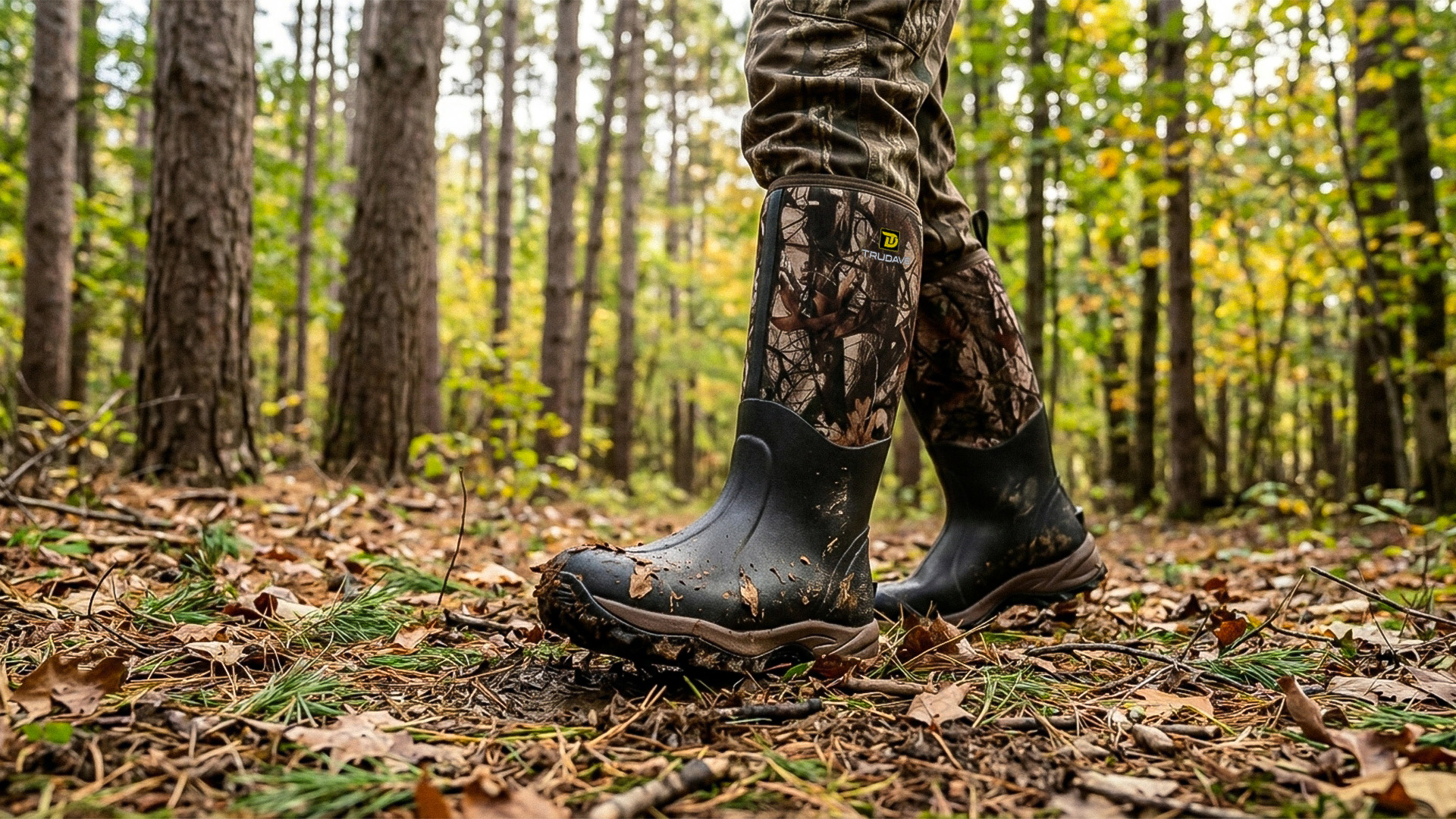
Hunters working these environments may benefit from waterproof hunting boots for rocky canyon hunting that provide secure heel retention, strong outsole traction, and enough ankle support for broken mountain terrain.
Ankle Support Matters
Loose rock constantly shifts underfoot.
Supportive boots can improve stability.
But footwear should still allow enough mobility for long mountain days.
The goal is support without turning every step into work.
Heel Lock Is Critical
Climbing lifts the heel.
Descending pushes the foot forward.
Poor fit creates:
- Blisters
- Hot spots
- Toe impact
Test boots on steep terrain before the hunt.
Flat pavement does not reveal mountain fit.
Toe Room Matters Downhill
Long descents are where poorly sized boots become obvious.
Your foot slides forward repeatedly.
Make sure there is enough room to prevent constant toe pressure.
Traction Matters on Loose Rock
Rocky slopes may contain:
- Gravel
- Shale
- Broken limestone
No tread eliminates sliding completely.
Take shorter steps.
Place the whole foot when possible.
Wet Rock Can Be Worse
After rain, smooth stone becomes slippery.
Use extra caution around:
- Creek bottoms
- Cliff bases
- Rock shelves
Slow movement is safer than trying to keep pace with animals.
Gaiters Can Help
Low gaiters can reduce:
- Gravel
- Seeds
- Mud
entering boots.
They may also protect lower legs from:
- Brush
- Cactus
Cactus Is a Constant Hazard
Aoudad country may include:
- Prickly pear
- Cholla
- Other thorny plants
Watch hand and knee placement.
Do not crawl blindly.
Carry appropriate tools for removing cactus spines safely.
Thorny Brush Can Tear Clothing
Desert brush may include:
- Mesquite
- Catclaw
- Other thorny shrubs
Durable pants help hunters follow the best stalking route.
If your clothing forces you around every brush patch, your stalk may become much more exposed.
Eye Protection Can Be Useful
Clear protective glasses can reduce injury from low branches and thorns.
This is especially useful during:
- Low-light approaches
- Brushy canyon travel
Hydration Is Critical
Dry mountain air hides water loss.
A hunter can become dehydrated without feeling heavily sweaty.
Carry enough water.
Watch for:
- Headache
- Fatigue
- Poor concentration
Mountain judgment declines quickly when hydration does.
Never Leave Water Behind on a “Short” Stalk
Aoudad move.
The stalk gets longer.
The return route becomes different.
Carry water with you.
Do not leave it at the glassing point because the animals looked close.
Desert Elevation Adds Physical Stress
Heat plus climbing creates a difficult combination.
Pace yourself.
Use:
- Shade
- Breaks
- Slower climbing
Energy saved early becomes valuable during recovery.
Physical Conditioning Matters
Aoudad hunting can involve significant:
- Vertical gain
- Sidehilling
- Pack weight
Prepare with:
- Hill walking
- Stairs
- Loaded hikes
Fitness improves both safety and hunting options.
Descending Is Often Harder Than Climbing
Hunters focus on getting up the mountain.
The descent can be more punishing.
Loose rock and tired legs create fall risk.
Save energy.
Do not race downhill.
Trekking Poles Can Help
On steep terrain, trekking poles may improve:
- Balance
- Stability
- Knee comfort
They can also help evaluate uncertain footing.
Use equipment you have practiced with.
Remote Canyon Country Requires Navigation
A maze of drainages can become confusing.
Mark:
- Vehicle
- Main ridge
- Water
- Property boundary
Use reliable offline navigation.
Do not depend only on memory.
A Canyon Looks Different From the Bottom
Terrain viewed from a glassing ridge may appear simple.
Once inside the drainage:
- Ridges disappear
- Side canyons look similar
Check navigation regularly.
Do not wait until sunset.
Offline Maps Are Essential
Cell service may be unreliable.
Download:
- Topographic maps
- Property boundaries
- Access roads
before the hunt.
Carry a Headlamp
Aoudad recovery can extend into darkness.
A headlamp should be in the pack even on morning hunts.
Bring backup power.
Game Recovery Can Become the Hardest Part
Harvesting an animal may happen far from the truck.
Before the shot, ask:
How will I get it out?
Consider:
- Elevation
- Temperature
- Distance
- Terrain
The shortest shooting opportunity can create the longest recovery.
Plan Extraction Before the Shot
Potential recovery may require:
- Multiple trips
- Additional hunters
- Pack systems
where legal and appropriate.
Do not wait until success to think about logistics.
Warm Weather Makes Meat Care Urgent
West Texas temperatures can rise quickly.
Prepare before hunting with:
- Game bags
- Cooler space
- Ice
- Processing plan
Get meat cooled promptly.
Shade Is Not Enough
A canyon shadow may feel cool.
The animal can still retain heat.
Field care should begin as soon as practical and legal.
Follow current wildlife-agency guidance.
Know Property Boundaries
Much aoudad hunting occurs on private or mixed-ownership landscapes.
Confirm:
- Permission
- Boundaries
- Vehicle routes
before the hunt.
Animals crossing property lines can complicate recovery.
Private Ranch Rules Matter
Landowners may have specific rules about:
- Roads
- Gates
- Shooting areas
- Vehicles
Follow instructions exactly.
Respecting ranch operations protects future access.
Leave Gates As Directed
Working livestock properties depend on gate management.
Do not assume every gate should be:
- Open
- Closed
Ask.
Then leave it exactly as instructed.
Livestock Changes Shot Selection
Aoudad country may overlap:
- Cattle
- Sheep
- Horses
Never shoot toward uncertain livestock areas.
Rocky terrain can hide animals behind ridges.
Safe Backstops Are Essential
Mountain backgrounds can be deceptive.
Aoudad may stand on:
- Ridge tops
- Skyline edges
Do not take shots where the background is uncertain.
Wait for a safe natural backstop.
Do Not Shoot Over a Ridge
A perfect broadside animal on the skyline can still be an unsafe opportunity.
You cannot know what lies beyond.
Let it move into a safer position.
Long Distance Should Not Become the Goal
Open canyon country can create long visual ranges.
Seeing an animal does not mean shooting is appropriate.
Hunters should work within:
- Their demonstrated ability
- Safe conditions
- Ethical distance
Better stalking is preferable to relying on extreme range.
Wind Can Affect Shot Placement
Mountain wind can be inconsistent.
Strong or gusting crosswinds make long shots more difficult.
If conditions are uncertain:
Get closer.
Wait.
Or pass.
Stable Shooting Positions Matter
Broken terrain may limit shooting options.
Look for:
- Prone position
- Pack support
- Rock rest
only where safe.
Avoid rushed unsupported shots after a difficult climb.
Recovery Begins Before Shooting
Mark:
- Exact animal location
- Nearby rock
- Canyon feature
before firing.
Once the animal moves or falls, the terrain can make relocation surprisingly difficult.
Watch the Animal After the Shot
Stay focused.
Note:
- Direction
- Last visible point
- Behavior
Do not immediately celebrate or pack equipment.
Information collected in the first seconds can make recovery much easier.
Rocky Ground Can Hide Sign
Tracking may be difficult on:
- Bare rock
- Gravel
Look for:
- Disturbed dust
- Tracks in softer pockets
- Blood where present
- Broken vegetation
Move slowly.
Do Not Destroy the Trail
If tracking is necessary, avoid having multiple hunters walk everywhere.
Protect sign.
Work methodically.
Steep Recovery Terrain Requires Caution
An animal may fall or move into:
- Cliffs
- Loose slopes
- Narrow ledges
Do not take unnecessary risks.
A safe recovery route matters more than the fastest route.
Regulations Must Be Checked Carefully
Aoudad regulations can vary significantly by:
- State
- Property type
- Hunting method
Before hunting, verify current:
- License requirements
- Season structure
- Bag rules
- Public-land restrictions
- Legal methods
Use current official wildlife-agency information.
Private-Land Rules Can Differ From Public-Land Rules
Do not assume methods or seasons are identical across land types.
Always check:
- State law
- Property-specific requirements
before hunting.
Species Identification Matters
Aoudad can share country with:
- Native wildlife
- Domestic livestock
- Other exotic ungulates
Hunters must positively identify the target before shooting.
Conservation and Land Stewardship Still Matter
Even where aoudad are considered non-native or managed differently from native big game, hunters should respect:
- Habitat
- Roads
- Water
- Ranch infrastructure
- Native wildlife
Responsible hunting includes responsible land use.
Common Aoudad Hunting Mistakes
Hiking Before Glassing
Use optics to reduce unnecessary climbing.
Looking Only at Open Slopes
Animals may spend hours in cliff shade.
Ignoring Benches
Small flat shelves can hold bedding animals.
Following the Shortest Stalk Route
Concealment matters more than distance.
Wearing Poor Mountain Footwear
Rock, mud, sidehills, and long descents punish weak boot fit.
Carrying Too Little Water
Dry mountain air hides dehydration.
Forgetting Recovery Logistics
The animal may be much harder to retrieve than to find.
Taking Skyline Shots
Always confirm a safe background.
Frequently Asked Questions
Where do aoudad usually live?
Aoudad commonly use steep, dry mountain terrain containing canyons, rocky ridges, cliff bands, benches, and sparse desert vegetation.
What is the best way to find aoudad?
Glassing from elevated positions is one of the most effective ways to locate animals before committing to a difficult stalk.
Are aoudad difficult to hunt?
Yes. Their camouflage, eyesight, group behavior, and ability to travel through steep terrain make them challenging.
Is aoudad hunting good after rain?
Rain can create fresh tracks and improve vegetation, but it also makes rock, clay roads, and canyon footing more slippery.
What boots are best for aoudad hunting?
Waterproof hunting boots with secure heel retention, strong rock traction, moderate ankle support, and durable construction are practical for steep canyon and desert mountain terrain.
Do aoudad hunting regulations vary?
Yes. Licensing, seasons, land access, and legal methods can vary by jurisdiction and property type, so hunters should always verify current official rules.
Final Thoughts
Aoudad hunting teaches hunters that mountain country should be solved with eyes before legs.
One bench holds animals.
One cliff creates shade.
One saddle becomes a travel route.
One terrain fold hides the entire group.
The hunter who walks first may spend the day climbing empty mountains.
The hunter who glasses first can make a much better decision.
Find elevation.
Glass slowly.
Study shade.
Watch the wind.
Use ridges and drainages to hide the stalk.
Carry enough water.
Wear boots that let you climb rock, cross mud, sidehill loose slopes, and descend safely after a long day.
And when an entire group of aoudad suddenly appears on a mountain you were certain was empty, resist the urge to start climbing immediately.
Keep watching.
In canyon country, the next ten minutes behind binoculars can save the next three hours on your feet.
