
Scaled quail can make a hunter question everything he knows about upland birds.
A covey appears near a ranch road.
The birds see the truck stop.
They start running.
The hunter circles ahead.
The birds keep running.
The dog gets birdy.
Then loses scent.
Then picks it up thirty yards farther away.
The hunter expects a flush.
Nothing.
Another fifty yards pass.
Then the entire covey explodes from a clump of grass and mesquite so far ahead that the shooting opportunity lasts only a moment.
That is scaled quail hunting.
These birds have a reputation for running aggressively before flushing.
They can move through open grassland, cactus, mesquite, and dry creek country with remarkable speed.
Hunters who simply follow behind often spend the day watching birds disappear over the next rise.
The better strategy is understanding where the covey wants to go.
Find the loafing cover.
Find the feeding areas.
Find the escape structure.
Then use terrain, dogs, and hunter position to cut off the endless footrace.
Scaled Quail Are Birds of Open Southwest Country
Scaled quail are commonly associated with dry grasslands and shrublands across portions of the Southwest and southern Great Plains.
Productive habitat may include:
- Shortgrass prairie
- Mixed grassland
- Mesquite flats
- Cactus country
- Dry washes
- Brushy draws
- Ranch pasture
- Agricultural edges
- Desert grassland
Unlike Mearns’ quail, which often hold tightly in oak grassland, scaled quail are frequently much more willing to run.
That behavioral difference should influence every hunting decision.
Learn Why They Are Called Blue Quail
Scaled quail are sometimes called blue quail because of their bluish-gray appearance.
Their scaled-looking breast and body pattern helps them blend into:
- Dry grass
- Dusty ground
- Mesquite shade
- Gray brush
At a distance, a standing bird may look like another patch of vegetation.
Movement reveals them more often than color.
Running Is Their First Defense
Scaled quail often prefer to stay on the ground as long as possible.
When pressured, they may:
- Run ahead
- Move laterally
- Split around hunters
- Use brush lanes
- Cross open ground quickly
This frustrates hunters expecting a tight upland flush.
The key is not following faster.
It is predicting movement better.
Stop Following Directly Behind the Covey
If birds are running straight ahead, the worst response is often walking directly behind them.
That creates predictable pressure.
Instead, when terrain and safety allow:
- Change angle
- Use another hunter
- Work toward likely escape cover
- Use terrain to intercept
The goal is making continued running less easy.
Once the birds feel squeezed by habitat or pressure, they are more likely to flush.
Mesquite Can Become Important Escape Cover
Mesquite patches provide:
- Shade
- Security
- Travel structure
A covey feeding in open grass may run toward mesquite when disturbed.
This makes scattered mesquite clumps excellent features to study.
Do not hunt only inside the brush.
Watch the grass leading toward it.
Birds may be moving before you arrive.
Small Mesquite Islands Can Hold Whole Coveys
One isolated brush patch in an otherwise open pasture can become extremely attractive.
It may provide:
- Midday shade
- Predator protection
- Loafing cover
Approach slowly.
Birds may sit just inside the edge.
Or they may begin running out the far side before hunters get close.
Brushy Draws Can Stop Running Birds
Scaled quail may travel easily through open grass.
A brushy draw changes the structure.
Dense vegetation can cause birds to:
- Slow
- Split
- Hold
- Flush
These habitat transitions can produce some of the best opportunities.
Look for coveys moving toward:
- Dry creeks
- Brush lines
- Thick mesquite
- Cactus edges
Dry Creek Beds Are Natural Travel Routes
Even when no water is present, dry washes can create useful habitat.
They may contain:
- Taller weeds
- Brush
- Mesquite
- Bare soil
- Seed-producing plants
Birds can travel through these low corridors while remaining partially concealed.
A dry drainage across open ranch pasture deserves careful attention.
Wash Intersections Can Be Excellent
Where two small drainages meet, vegetation often becomes denser.
Food may also concentrate.
These intersections can serve as:
- Travel funnels
- Loafing sites
- Escape cover
Walk them slowly.
Watch for tracks and droppings around bare soil.
Scaled Quail Need More Than Short Grass
Open grassland is important.
But birds still require structural diversity.
Good habitat may combine:
- Short feeding cover
- Taller bunch grass
- Brush
- Bare ground
- Shade
A perfectly uniform pasture may hold fewer birds than a messy landscape with several vegetation types.
Bare Ground Helps Birds Move
Like many quail species, scaled quail benefit from ground-level openness.
They need room to:
- Walk
- Feed
- Run
Dense mats of vegetation can reduce usable habitat.
Look for areas where cover looks broken and patchy rather than solid.
Grazing Can Change Habitat Structure
Ranch livestock can influence scaled quail habitat.
Moderate grazing may create:
- Open ground
- Short feeding areas
- Vegetation diversity
Heavy grazing can remove too much cover.
The effect depends on intensity and local conditions.
Observe where birds actually occur instead of assuming grazed or ungrazed is automatically better.
Hunt the Grazing Transition
One pasture may be short.
The next may contain taller grass.
The fence line between them can offer:
- Feeding
- Escape cover
- Different plant structure
These edges are worth hunting carefully.
A covey may feed in shorter ground and retreat toward taller cover when disturbed.
Cactus Can Create Valuable Security
Scaled quail may use cactus country because it provides:
- Structural cover
- Predator protection
- Shade
Prickly pear patches can be especially frustrating for hunters and dogs.
That frustration can make them valuable habitat.
Work the edges and openings carefully.
Do Not Force the Dog Through Every Cactus Patch
Good dog handling means choosing safe routes.
A bird dog can cover:
- Grass lanes
- Mesquite gaps
- Open edges
without crashing through every cactus cluster.
Control matters more than maximum range.
Food Sources Change Through the Season
Scaled quail feed on a variety of seeds and plant material depending on current conditions.
Productive feeding habitat may include:
- Native grass seeds
- Weed seeds
- Agricultural residue
- Forb-rich ground
Do not assume one food source dominates the entire season.
Follow current habitat conditions.
Weed Patches Are Worth Hunting
Messy vegetation along ranch roads or field corners may contain excellent seed production.
Look for:
- Ragweed
- Annual weeds
- Disturbed ground
Birds may feed there early or late in the day.
The cover may look ugly.
The food value may be excellent.
Agricultural Edges Can Concentrate Birds
Where grassland meets:
- Grain
- Cropland
- Food plots
scaled quail may take advantage of additional feeding opportunities.
Security cover nearby still matters.
The best location is often the transition rather than the middle of the crop.
Ranch Roads Can Reveal Current Activity
Bare dirt is useful for scouting.
Look for tracks along:
- Two-tracks
- Water access roads
- Sandy crossings
Scaled quail tracks may appear in groups where coveys regularly cross.
Combine track evidence with habitat.
One set of tracks alone is not enough.
Fresh Tracks After Rain Are Especially Useful
Rain resets dusty ranch roads.
Fresh bird tracks on newly smoothed ground give hunters better timing information.
Check:
- Road intersections
- Water approaches
- Wash crossings
A covey moving after the storm can become much easier to locate.
Rain Can Change the Entire Landscape
Southwestern grassland responds quickly to moisture.
Rain may create:
- Green vegetation
- New seed production
- Insects
- Temporary water
Bird distribution can shift.
A dry ridge ignored last month may become productive after green-up.
Rainfall Can Influence Quail Numbers
Scaled quail populations can vary substantially between years.
Habitat quality and reproductive success are strongly influenced by broader environmental conditions.
Hunters should expect some years to be better than others.
Current scouting matters more than historical reputation.
Water Can Matter During Dry Conditions
Scaled quail can live in arid environments, but available water may still influence local distribution depending on conditions.
Possible sources include:
- Stock tanks
- Wildlife water developments
- Springs
- Creek pools
Search surrounding feeding and loafing habitat rather than focusing only on the water itself.
Water Routes Can Reveal Travel Patterns
Tracks around tanks can show where birds enter and leave.
Follow those lines mentally toward:
- Mesquite
- Grass
- Brush
The approach trail can be more valuable than standing directly beside the water.
Morning Covey Calls Can Help
Scaled quail can be vocal.
Listening early may help hunters locate groups before walking.
Stop near:
- Washes
- Mesquite
- Grass flats
Listen before covering ground.
A call can save a mile of random searching.
Early Morning Feeding Can Be Productive
Cool mornings often encourage feeding activity.
Look around:
- Weed patches
- Short grass
- Road edges
- Agricultural transitions
Birds may be more visible while moving between cover.
Midday Shade Becomes Important
As temperatures rise, coveys may seek:
- Mesquite
- Brush
- Cactus shade
- Draws
This creates a useful midday hunting strategy.
Instead of continuing through every open acre, focus on cover offering thermal relief.
Warm Weather Can Become Dangerous for Dogs
Scaled quail country can stay warm well into hunting season.
Bird dogs working through:
- Dry grass
- Sand
- Brush
can overheat quickly.
Carry water.
Watch for:
- Heavy panting
- Loss of coordination
- Weakness
- Reduced responsiveness
Stop before heat stress develops.
Cool Weather Does Not Eliminate Dog Hydration Needs
Wind and low humidity can make dehydration less obvious.
The dog may still be losing substantial water.
Offer regular breaks.
Do not assume natural water is available.
Dogs Often Cover Much More Ground Than Hunters
A hunter may walk five miles.
The dog may run fifteen.
Plan water accordingly.
This matters especially in wide open scaled quail habitat.
Running Coveys Can Confuse Pointing Dogs
The dog becomes birdy.
Then the scent moves.
The dog relocates.
This can repeat several times.
Do not force a premature point.
Let the dog work through the moving scent cone.
Patience improves the final approach.
Wide-Running Dogs Need Control
Open grass invites long dog casts.
But a scaled quail covey can run ahead of the dog and flush far from hunters.
Keep range appropriate.
A controlled dog creates more huntable birds than a dog that simply covers the most acreage.
Flushing Dogs Can Work Well Too
Close-working flushing dogs may pressure moving coveys into the air.
The key is maintaining a distance that keeps flushes within safe, ethical range.
If the dog gets too far ahead, the same running problem appears.
Hunting Without a Dog Is Possible
Hunters can still target scaled quail effectively.
Focus on:
- Washes
- Mesquite islands
- Field edges
- Brushy draws
- Water routes
Walk slowly and watch for birds running ahead.
Use habitat to narrow the search.
Multiple Hunters Can Help With Running Birds
Where safe and legal, two or three hunters can work a broad habitat edge more effectively than one.
Maintain clear spacing.
A slightly wider front can reduce the covey’s ability to simply run around one person.
Safety must remain the priority.
Never Surround Birds Blindly
Terrain and brush can hide partners.
Maintain:
- Visual contact where possible
- Communication
- Known shooting zones
Do not push a covey into a situation where hunters face one another.
Use Natural Barriers
Good barriers may include:
- Wide roads
- Open fields
- Bare ridges
- Very sparse cover
Birds may hesitate when reaching these features.
This can increase the chance of a flush.
Think about what makes running less attractive.
Do Not Chase a Long Flush Immediately
Scaled quail can fly farther than expected.
Watch carefully.
Mark landing areas.
Then plan another approach.
Running directly after them usually produces another long flush.
Singles May Hold Better
After a covey breaks up, scattered birds may become less willing to run.
This is where pointing dogs can shine.
Give birds time to settle.
Then work each landing zone slowly.
Mark Landings With Fixed Features
Open grassland can look identical once you start walking.
Use:
- Windmills
- Fence corners
- Large mesquite
- Tank
- Rock outcrop
to mark birds.
Do not rely on vague distance estimates.
Rolling Terrain Can Hide Birds
Texas Panhandle and western grasslands may appear flat from a road.
Small rises and draws can hide entire coveys.
Glass or walk the terrain carefully.
A flock can disappear only a hundred yards away without leaving the property.
Binoculars Can Save Steps
Small binoculars can help inspect:
- Open grass
- Water areas
- Road edges
- Distant coveys
You are not always glassing individual birds.
Sometimes you are trying to identify the next productive habitat patch.
Grassland Footwear Needs to Be Mobile
Scaled quail hunting is a mileage game.
A day may include:
- Long grass walks
- Sand
- Gravel
- Mud after rain
- Ranch roads
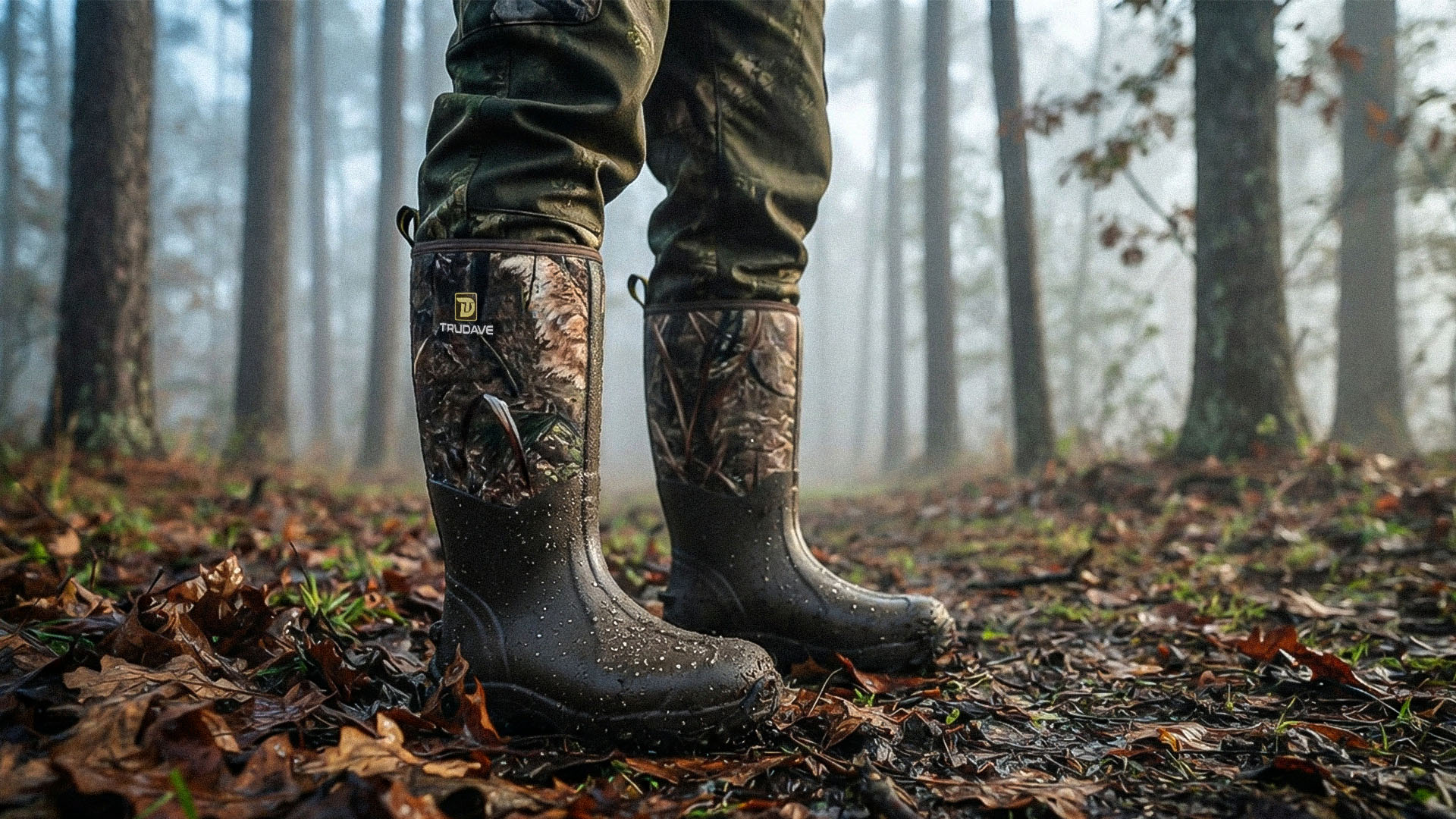
Hunters working these environments may benefit from lightweight waterproof hunting boots for Texas quail hunting that provide secure fit, reliable traction, and enough moisture protection without unnecessary bulk.
Heavy Boots Become Expensive Over Miles
Every extra ounce gets lifted thousands of times.
For active upland hunting, excessive boot weight creates:
- Fatigue
- Slower movement
- Hotter feet
Choose insulation according to actual temperature.
Do not use deep-winter footwear simply because it is hunting season.
Waterproofing Still Matters in Dry Country
A morning can begin with:
- Heavy dew
- Wet grass
- Mud
- Standing water after storms
Non-waterproof footwear may become soaked before the first covey.
A lightweight waterproof system provides flexibility.
Wet Grass Is More Soaking Than It Looks
Tall grass transfers moisture with every step.
The sky can be completely clear while lower clothing becomes saturated.
Good waterproof footwear keeps that moisture outside.
Muddy Ranch Roads Can Be Extremely Slick
After rain, clay roads may become difficult to walk.
Tread can fill quickly.
Be careful around:
- Slopes
- Cattle crossings
- Tank edges
Clean excessive mud from the outsole when necessary.
Secure Heel Fit Prevents Blisters
Long grassland loops punish poor-fitting footwear.
If the heel moves inside the boot, friction builds.
Break boots in before hunting.
Test them for several miles at a time.
Ankle Support Helps in Hidden Holes
Grass can hide:
- Badger holes
- Cattle depressions
- Washouts
Good support helps reduce instability.
But no boot replaces careful walking.
Watch the ground whenever possible.
Cattle Trails Can Be Useful and Dangerous
Livestock paths provide easier travel through tall grass.
They can also contain:
- Mud
- Deep hoof holes
- Loose soil
Use them when helpful.
Do not walk blindly while watching the dog.
Burrs and Seeds Can Become Annoying
Scaled quail habitat may contain abundant:
- Seeds
- Burrs
- Grass awns
Gaiters can reduce debris entering boots.
Inspect dog coats and ears after hunting.
Brush-Resistant Clothing Helps
Mesquite and cactus can damage lightweight fabric.
Durable pants improve comfort.
The goal is being willing to hunt the cover birds actually use.
Eye Protection Is Useful Around Mesquite
Low limbs and thorns frequently reach face level.
Clear protective glasses can reduce scratches.
Especially when the hunter is focused on a dog working ahead.
Cactus Can Hurt Hunters and Dogs
Prickly pear and other cactus may be difficult to see beneath grass.
Carry appropriate tools for removing spines safely.
Check dog paws and legs regularly.
Snakes Can Remain Active During Warm Periods
Depending on season and location, venomous snakes may still be active.
Use caution around:
- Brush
- Rock
- Water
- Sunny ground
Know local species and dog-safety procedures.
Ranch Country Means Fences
Scaled quail habitat frequently overlaps working ranches.
Expect barbed wire.
Use gates when permitted.
Never damage fences.
Keep dogs under control around wire.
Fence Corners Can Be Good Habitat
Corners often accumulate:
- Brush
- Weeds
- Grass
These spots may provide both food and cover.
Slow down when a fence corner connects to:
- Draw
- Mesquite
- Field edge
It can hold birds.
Respect Livestock
Do not push coveys directly through cattle.
Avoid shooting anywhere near livestock.
Follow landowner instructions regarding:
- Gates
- Water tanks
- Parking
- Roads
Hunting access depends on trust.
Private Ranch Access Can Be Extremely Valuable
Many quality scaled quail habitats are privately managed.
When requesting access, be clear about:
- Hunters
- Dogs
- Vehicles
- Timing
If permission is granted:
- Pick up shells
- Avoid wet-road damage
- Respect livestock
- Thank the landowner
Public Land Can Still Produce
Public areas containing suitable grassland and brush may offer opportunity depending on the state and current regulations.
Search for:
- Diverse vegetation
- Washes
- Water
- Low hunting pressure
Habitat quality remains more important than total acreage.
Avoid Driving Soft Ranch Roads
After rain, rural roads can be badly damaged by unnecessary traffic.
If the road is soft:
Walk.
Do not create deep ruts simply to save energy.
Responsible access protects future hunting.
Navigation Still Matters in Open Country
Open grassland can be surprisingly disorienting.
Mark:
- Truck
- Fences
- Tanks
- Main roads
A long covey chase can gradually pull hunters far from the original route.
Carry a Headlamp
Late-afternoon relocations can extend the hunt.
A headlamp weighs little and simplifies the return after sunset.
Do not depend only on a phone.
Low Quail Flushes Require Discipline
Scaled quail often fly low after flushing.
Before shooting, know where:
- Dogs
- Partners
- Livestock
- Roads
are located.
If the background is uncertain, let the bird pass.
Pick One Bird
A covey flush creates chaos.
Do not shoot at the group.
Pick one bird.
Track it.
Maintain control.
This improves accuracy and recovery.
Watch the Covey After the Shot
The surviving birds provide the next opportunity.
Watch where they land.
Mark several groups if possible.
The first flush can create an entire afternoon of hunting if you pay attention.
Recovery Can Be Difficult in Grass
A downed quail can disappear in:
- Bunch grass
- Mesquite
- Cactus
- Weeds
Mark the fall immediately.
A trained dog is extremely useful.
Without one, search methodically.
Do Not Abandon a Wounded Bird to Chase the Covey
Recovery comes first.
Search for:
- Feathers
- Movement
- Dog scent
- Disturbed grass
Ethical hunting includes serious recovery effort.
Warm Weather Makes Game Care Important
Southwestern seasons can include mild or warm days.
Keep harvested birds:
- Clean
- Cool
- Shaded
Use appropriate storage.
Follow local wildlife requirements.
Scaled Quail Regulations Vary
Before hunting, verify current rules for:
- Season dates
- Daily bag limits
- Possession limits
- License requirements
- Public-land restrictions
- Legal methods
Use current official wildlife-agency information.
Species Identification Matters
Scaled quail may overlap with other quail species in parts of their range.
Hunters should learn distinctions involving:
- Color
- Head shape
- Habitat
- Overall appearance
Positive identification should occur before the shot.
Conservation Determines Future Hunting
Scaled quail depend on healthy grassland and shrubland systems.
Threats may include:
- Habitat conversion
- Drought
- Poor vegetation structure
- Fragmentation
Hunters benefit directly from habitat management and conservation.
Good quail hunting begins with good land.
Common Scaled Quail Hunting Mistakes
Following Running Coveys Straight From Behind
Change the angle.
Ignoring Mesquite and Brushy Draws
These areas often become escape or loafing cover.
Walking Random Open Grass
Focus on habitat diversity.
Letting Dogs Range Too Far
Running birds can stay ahead of both dog and hunter.
Wearing Heavy or Leaky Boots
Scaled quail hunting rewards lightweight waterproof mobility.
Ignoring Heat
Hunters and dogs can dehydrate quickly.
Rushing After the First Flush
Watch where every bird lands.
Taking Low Shots Without Knowing Partner or Dog Position
Safety comes first.
Frequently Asked Questions
Where do scaled quail live?
Scaled quail commonly inhabit dry grasslands, shrublands, mesquite country, cactus areas, ranch pasture, and dry washes across suitable portions of the Southwest and southern Great Plains.
Why are scaled quail difficult to hunt?
They frequently run ahead of hunters and dogs before flushing, making it difficult to close distance in open terrain.
Are scaled quail the same as blue quail?
“Blue quail” is a common nickname for scaled quail because of their bluish-gray coloration.
Can you hunt scaled quail without a dog?
Yes. Hunters can target washes, mesquite, field edges, brushy draws, and other high-probability habitat while using coordinated walking strategies.
Is scaled quail hunting good after rain?
Rain can improve vegetation, tracking conditions, and food availability, although it can also shift bird distribution and create muddy access.
What boots are best for scaled quail hunting?
Lightweight waterproof hunting boots with secure heel fit, durable uppers, and good traction on grass, sand, gravel, and post-rain mud are practical choices.
Final Thoughts
Scaled quail hunting teaches hunters not to confuse movement with progress.
The birds run.
The hunter follows.
The birds run farther.
That cycle can continue all morning.
The better hunter stops thinking about where the covey was.
He starts thinking about where it wants to go.
A mesquite patch.
A brushy draw.
A dry wash.
A fence corner.
A patch of thicker grass.
Those are the places that can finally turn running birds into huntable birds.
Read the habitat.
Change the angle.
Control the dog.
Carry enough water.
Wear boots that let you cover grass, sand, cactus, mud, and ranch roads without dragging unnecessary weight all day.
And when the covey starts sprinting ahead through open country, resist the urge to simply walk faster.
The birds are already better at that game.
Beat them by understanding the landscape instead.
