
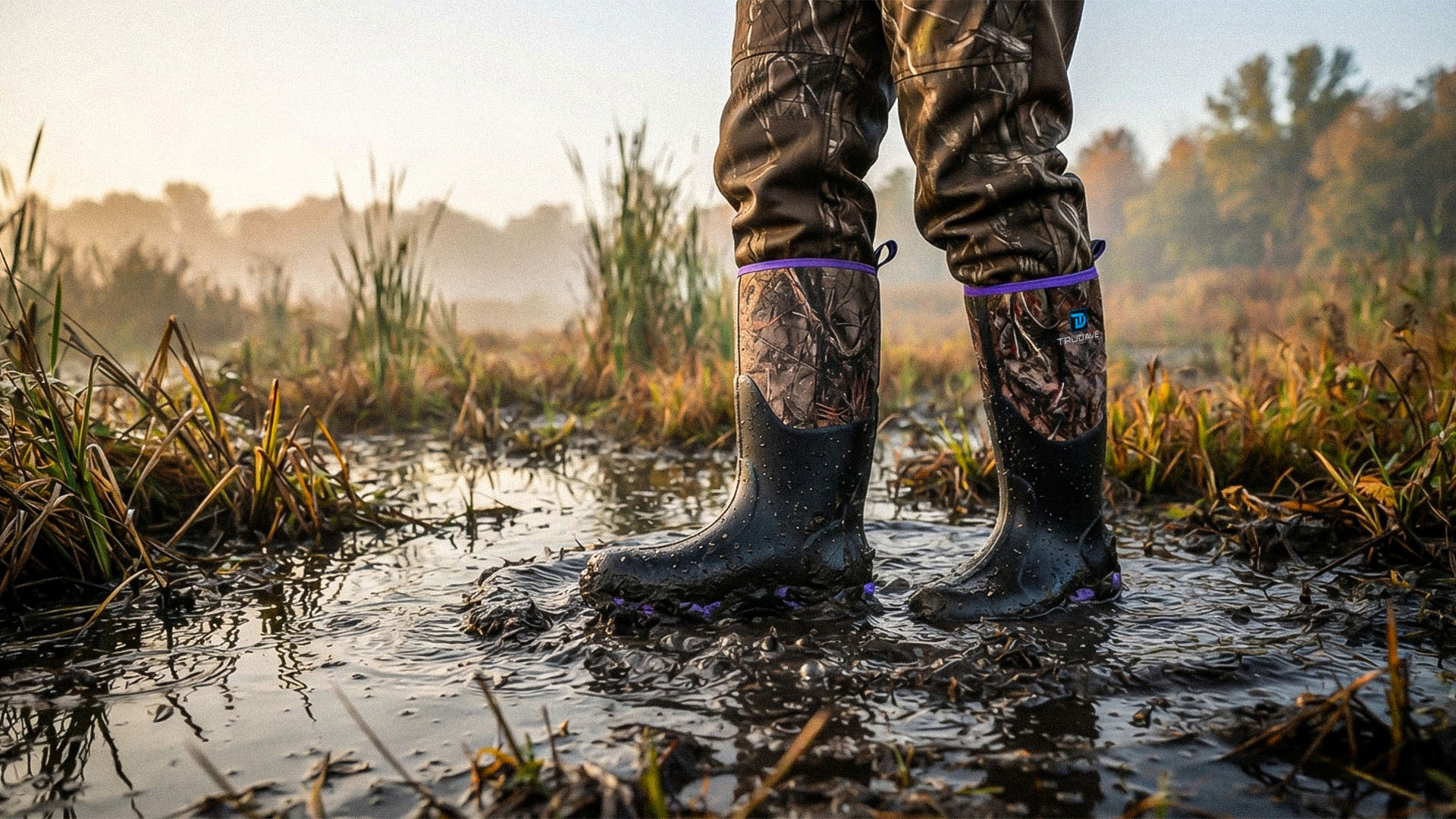
Feral hog country rarely stays clean.
A quiet creek bottom can look untouched one afternoon.
By the next morning, the ground may be completely turned over.
Mud pushed aside.
Roots exposed.
Tracks everywhere.
A trail that looked insignificant yesterday suddenly resembles a livestock path.
That is one of the biggest advantages hunters have when scouting feral hogs.
Hogs leave evidence.
They root.
Wallow.
Travel in groups.
Cross muddy roads.
Push through brush.
And when conditions are right, they can make their presence almost impossible to miss.
The challenge is determining which sign is fresh enough to matter.
A field may contain weeks of old rooting.
A creek crossing may hold dozens of tracks from several nights ago.
Successful hog hunting begins by separating historical damage from current movement.
Find fresh sign.
Understand food and water.
Then figure out where the animals go when daylight arrives.
Feral Hogs Use an Enormous Variety of Habitat
Feral hogs are highly adaptable.
Depending on region, they may use:
- Creek bottoms
- River floodplains
- Hardwood forests
- Agricultural fields
- Swamps
- Pine timber
- Pasture
- Brush
- Wetlands
This adaptability is one reason hog populations can become difficult to manage.
But hunters should not treat every acre equally.
The best locations usually combine:
- Food
- Water
- Thick security cover
- Low disturbance
Find those four things close together and hog sign often follows.
Fresh Rooting Is One of the Best Clues
Hogs disturb soil while searching for food.
Rooting can range from a few small patches to entire areas of ground turned over.
Fresh rooting may show:
- Dark moist soil
- Recently exposed roots
- Sharp edges
- Fresh tracks
- Little leaf litter on top
Older rooting becomes:
- Dry
- Weathered
- Covered in leaves
- Partially regrown
Learn the difference.
Fresh rooting tells you animals may have been there recently.
Old rooting only tells you the habitat has been used before.
Creek Bottoms Are Natural Hog Corridors
Creek systems provide several things hogs need.
They can offer:
- Water
- Mud
- Shade
- Food
- Dense vegetation
- Easy travel
Hogs may use creek bottoms as travel routes between:
- Bedding cover
- Crop fields
- Mast
- Pasture
- Wetlands
Look for trails entering and leaving the drainage.
The creek itself is only part of the pattern.
The more important clue may be where hogs climb out.
Muddy Crossings Reveal Movement
Hog tracks show especially well in soft mud.
Productive tracking locations include:
- Creek crossings
- Pond edges
- Dirt roads
- Field entrances
- Low spots
A fresh crossing with multiple tracks can reveal:
- Group size
- Direction
- Recent activity
If tracks consistently travel from creek cover toward a crop field, you may be looking at a nightly feeding route.
Learn the Difference Between Hog and Deer Sign
New hunters sometimes confuse large hog tracks with deer or livestock tracks.
Study:
- Track shape
- Toe spread
- Size
- Trail pattern
- Associated rooting
Do not identify animals from one distorted footprint.
Mud changes track appearance dramatically.
Repeated tracks plus rooting, wallows, and droppings create a much stronger picture.
Wallows Can Confirm Regular Use
Hogs use muddy areas for cooling and parasite relief.
Wallows may appear as:
- Muddy depressions
- Wet holes
- Churned creek edges
- Mud-covered trees nearby
Fresh wallows often contain:
- Wet mud
- Sharp hoof prints
- Fresh rubbing sign
A heavily used wallow can indicate hogs are spending significant time nearby.
Rub Trees Are Easy to Recognize
After using mud, hogs may rub against:
- Trees
- Posts
- Utility poles
Look for:
- Mud on bark
- Hair
- Smooth rubbed areas
Fresh mud at the same height on multiple trees can help identify a regularly used wallow or travel zone.
Again, freshness matters more than quantity.
Agricultural Fields Can Create Strong Feeding Patterns
Feral hogs may use:
- Corn
- Peanuts
- Soybeans
- Grain fields
- Pasture
- Other crops
depending on region and season.
Crop availability can change movement dramatically.
A hog group may travel long distances to reach a preferred food source.
The strongest hunting setup often occurs along the route between:
- Feeding field
- Thick bedding cover
rather than directly in the middle of the crop.
Hunt Field Edges Carefully
Large agricultural fields give hogs food but also expose them.
They may enter through predictable edge trails.
Look for:
- Muddy gaps
- Broken vegetation
- Fence crossings
- Repeated tracks
These entrances can be excellent scouting locations.
Do not assume hogs use the easiest gate.
They often create their own path through brush.
Harvest Changes Hog Behavior
Standing crops provide both food and concealment.
After harvest, the field becomes much more exposed.
Hogs may:
- Shift feeding times
- Move to different fields
- Use edges more carefully
Rescout after major agricultural changes.
A pattern from last week may no longer exist.
Acorns Can Pull Hogs Into Hardwood Forests
During strong mast years, acorns can become an important food source.
Hogs may shift away from fields and into oak bottoms.
Look for:
- Rooting beneath oaks
- Crushed acorns
- Tracks
- Mud on nearby trails
When natural food becomes abundant, agricultural patterns can weaken.
Follow the best calories.
Pecan and Other Mast Can Matter Too
Depending on region, hogs may use areas containing:
- Pecans
- Hickory nuts
- Other mast
Food diversity can spread animals across a property.
Do not assume one bait-free natural food source will dominate all season.
The landscape changes with what is available.
Swamps Can Provide Excellent Security
Hogs are comfortable in wet, difficult habitat.
Swamps may provide:
- Water
- Mud
- Dense cover
- Low human disturbance
Hunters often avoid the wettest ground.
That can make it valuable security habitat.
Look along:
- Swamp edges
- Hardwood islands
- Raised ridges
- Logging roads
Hogs may bed in wet cover and travel to drier feeding areas at night.
Cypress and Bottomland Timber Can Hold Hogs
Southern bottomland forests can provide excellent hog habitat.
Search around:
- Sloughs
- Creek channels
- Oak flats
- Dry ridges inside wetlands
Tiny elevation differences matter.
A ridge only a few feet higher may provide dry bedding ground surrounded by swamp.
That can become extremely attractive.
Thick Brush Is Often Daytime Security
Hogs may feed in open areas at night and disappear into thick cover during daylight.
Productive security cover can include:
- Briars
- Cane
- Young pine
- Swamp brush
- Dense creek vegetation
Do not immediately push directly into thick bedding cover.
Pressure can change the pattern.
Often the better approach is understanding the trails entering and leaving it.
Morning Tracks Can Tell You Where the Hogs Went
Early scouting after a wet night can be extremely informative.
Look for fresh tracks leaving:
- Fields
- Pasture
- Roads
and heading toward:
- Creek bottoms
- Swamps
- Brush
The direction tells you where animals may be bedding.
Instead of blindly following the trail into cover, study the surrounding terrain.
A future setup along that route may be more effective.
Evening Movement Often Reverses
As daylight fades, hogs may begin leaving security cover toward feeding areas.
Watch:
- Creek exits
- Brush edges
- Field corners
- Logging roads
Patterns are rarely perfectly consistent.
But repeated evening movement can create predictable opportunities.
Rain Can Make Hog Scouting Much Easier
Rain resets the ground.
Old tracks become less obvious.
Fresh tracks stand out.
After a meaningful rain, inspect:
- Dirt roads
- Creek crossings
- Field edges
- Wallows
A fresh track over a rain-smoothed surface provides excellent timing information.
Heavy Rain Can Change Movement
Rain does more than improve tracking.
It can create:
- New water sources
- Flooded creek bottoms
- Softer rooting ground
- Muddy access roads
Hogs may shift toward higher ground if low areas flood.
Do not assume a normal creek-bottom route remains active after major storms.
Follow current conditions.
Floodwater Can Push Hogs Onto Ridges
When low ground floods, animals may use:
- Levees
- Roadbeds
- Elevated ridges
- Field edges
These narrow high-ground features can concentrate travel.
A ridge that seemed unimportant during dry weather may become the only easy route through a flooded bottom.
Mud Makes Footwear Extremely Important
Hog country can be brutal on footwear.
A hunting day may include:
- Deep mud
- Creek crossings
- Wet grass
- Swamp edges
- Clay roads
- Standing water
Hunters working these environments may benefit from waterproof hunting boots for muddy hog hunting that provide secure heel retention, dependable traction, and enough waterproof height for wet southern terrain.
The best hog habitat often begins where ordinary hiking footwear becomes uncomfortable.
Tall Rubber Boots Can Be Practical
Rubber hunting boots work well in environments dominated by:
- Mud
- Shallow water
- Wet fields
- Swamps
They offer strong moisture protection.
But fit matters.
Loose rubber boots can create major heel movement when mud grabs the outsole.
A secure fit reduces fatigue.
Lace-Up Waterproof Boots Can Work Better for Long Walks
Some hog hunts involve mixed terrain:
- Dry upland
- Muddy creek bottoms
- Hills
- Rocky roads
In these situations, supportive waterproof lace-up boots may provide better walking comfort.
The right choice depends on:
- Water depth
- Distance
- Terrain
Choose for the whole hunt.
Not just the muddiest spot.
Mud Suction Can Pull Boots Loose
Deep southern mud can grip footwear aggressively.
Use:
- Short steps
- Firmer vegetation edges
- Raised roots
when possible.
Avoid the deepest black mud unless necessary.
The direct route can become much more exhausting than a small detour.
Clay Roads Become Slick After Rain
Farm and logging roads may look easy.
Wet clay can make them extremely slippery.
Outsole tread may become packed with mud.
Clean it when necessary.
Move carefully on slopes.
A flat-looking road can still create a dangerous fall.
Wet Leaves Hide Roots and Holes
Bottomland hardwoods may contain:
- Roots
- Logs
- Holes
- Soft ground
beneath wet leaves.
Watch every step.
Do not stare only at tracks while walking.
Stop to inspect sign.
Then move again.
Creek Crossings Need Respect
A hog trail crossing water does not automatically create a safe human crossing.
Hogs are lower to the ground and move differently.
Evaluate:
- Depth
- Current
- Bank stability
- Bottom condition
Use safer established crossings whenever possible.
Hog Tracks Are Not Proof of Safe Water
Animals may cross deeper or faster water than hunters should.
Do not follow automatically.
A flooded creek can be dangerous even if tracks enter it.
Take the longer safe route.
Warm Weather Makes Heat Management Important
Many hog hunts occur in warm climates.
High humidity and thick brush increase physical stress.
Carry enough water.
Watch for:
- Headache
- Dizziness
- Weakness
- Confusion
Heat can affect judgment quickly.
Start Hydrated
Do not wait until you are thirsty.
A planned half-mile stalk can turn into several miles if animals move.
Carry water during every significant approach.
Do not leave it in the vehicle because the trail looked short.
Bugs Can Be Relentless
Swamp and creek-bottom hunting often means:
- Mosquitoes
- Ticks
- Biting flies
Use appropriate:
- Repellent
- Clothing
- Tick prevention
Constant insect irritation makes hunters move unnecessarily and reduces concentration.
Snakes Can Be Present
Warm southern hog habitat may overlap venomous snake habitat.
Be cautious around:
- Logs
- Brush
- Water
- Thick grass
- Field edges
Never place hands where you cannot see.
Know local species and appropriate emergency procedures.
Alligators Can Matter in Some Swamp Regions
In portions of the southern United States, hog habitat may overlap alligator habitat.
Use caution around:
- Ponds
- Swamps
- River edges
especially when hunting with dogs.
Follow local wildlife guidance.
Do not treat unfamiliar water casually.
Hogs Have a Strong Sense of Smell
Wind is critical.
A good setup can fail instantly if scent reaches the animals.
Check:
- Current wind
- Thermal changes
- Creek airflow
Do not assume wind remains constant inside bottomland timber.
Vegetation and terrain can redirect air.
Thermals Still Matter in Low Country
Thermals are usually discussed in mountain hunting.
They matter in southern terrain too.
Cool morning air may settle into:
- Creeks
- Low bottoms
As the day warms, air movement changes.
Even slight elevation differences can influence scent.
Monitor constantly.
Use Cover to Approach
Hog habitat usually provides plenty of concealment.
Use:
- Creek banks
- Brush
- Tree lines
- Terrain dips
Avoid crossing exposed fields if a hidden route exists.
The goal is reaching the next observation point without alerting the animals.
Do Not Rush After Spotting Hogs
A sounder feeding in a field creates excitement.
Before moving, study:
- Wind
- Direction
- Group size
- Nearby cover
Hogs may remain in the feeding area for some time.
A rushed approach often creates unnecessary noise.
Groups Create Many Eyes, Ears, and Noses
Feral hogs may travel in sounders.
More animals means more opportunities for detection.
Do not concentrate only on one hog.
Watch the entire group.
One alert animal can change the behavior of every other hog.
Boars May Travel Differently
Mature boars may sometimes be found alone or away from larger groups.
Their movement can differ from family sounders.
Do not assume the largest tracks belong to the same pattern as smaller-group sign.
Track size, timing, and location may reveal different animals using the same property.
Trail Cameras Can Help Where Legal
Where current regulations and property rules allow, cameras can help monitor:
- Creek crossings
- Field entrances
- Wallows
- Feeding trails
Use them to understand timing rather than simply collecting photographs.
Avoid checking so often that you disturb the exact route being monitored.
Night Activity Can Make Day Hunting More Difficult
In heavily pressured areas, hogs may become strongly nocturnal.
If daylight sightings disappear, use sign to identify:
- Entry routes
- Exit routes
- Bedding direction
Do not assume the property is empty.
The animals may simply be moving when you are not watching.
Legal Night Hunting Rules Vary Widely
Some jurisdictions allow certain forms of hog hunting at night.
Others impose specific restrictions.
Rules may involve:
- Artificial lights
- Thermal optics
- Night vision
- Firearms
- Private versus public land
Always verify current state and local regulations.
Do not assume methods legal in Texas, Florida, Georgia, or another state are interchangeable.
Private Land Rules Matter Too
Even when a method is legal statewide, landowners may impose additional restrictions.
Confirm:
- Hunting hours
- Vehicle use
- Shooting zones
- Equipment
- Dog use
Private access depends on trust.
Thermal and Night Equipment Does Not Replace Identification
Where legal technology is used, hunters still need clear target identification and safe backgrounds.
Never shoot at:
- Heat alone
- Movement
- An uncertain silhouette
Know exactly what you are looking at.
Feral Hogs Can Look Similar to Livestock in Poor Conditions
Low light, brush, and distance can create identification problems.
Farm environments may contain:
- Domestic pigs
- Calves
- Other livestock
Positive identification is mandatory.
Do not fire until the entire situation is clear.
Safe Backgrounds Are Critical
Hog habitat can include:
- Houses
- Roads
- Livestock
- Farm buildings
- Other hunters
Dense brush does not create a safe backstop.
Know what lies beyond the animal.
If uncertain, do not shoot.
Multiple Hogs Can Overlap
In a sounder, animals may stand directly behind one another.
Wait for separation.
Do not assume only the visible hog is in the line of fire.
Patience improves both safety and shot quality.
Recovery Planning Begins Before the Shot
Feral hogs can enter extremely thick cover.
Before shooting, note:
- Exact location
- Closest brush
- Creek
- Property boundary
- Remaining daylight
If the animal runs, you need a starting point.
Mark landmarks immediately.
Wet Conditions Can Complicate Tracking
Rain and swamp water may reduce visible sign.
Look for:
- Tracks
- Blood where present
- Broken vegetation
- Mud disturbance
Move methodically.
Do not let multiple people immediately spread through the trail.
Dense Brush Can Hide a Large Hog Quickly
A hog that looked obvious in the open can disappear within seconds inside:
- Cane
- Briars
- Young pine
- Swamp brush
Mark the last visible point.
Do not rely on memory alone.
Use mapping when useful.
Warm Weather Makes Meat Care Urgent
Southern temperatures can make field care extremely important.
Before hunting, prepare:
- Cooler capacity
- Ice
- Game bags where appropriate
- Field tools
Do not wait until after success.
Heat retention in a large animal can become a serious problem.
Hogs Require Careful Handling
Feral swine can carry pathogens and parasites relevant to humans.
Use appropriate precautions when handling carcasses.
Wildlife and public-health agencies commonly recommend practices such as:
- Wearing gloves
- Avoiding contact with bodily fluids
- Cleaning equipment
- Cooking meat appropriately
Follow current official guidance.
Avoid Handling Sick-Looking Animals Casually
If a hog displays abnormal behavior or obvious illness, exercise caution.
Do not handle wildlife carelessly.
Follow local wildlife or public-health guidance where appropriate.
Dogs Add Another Hunting Style Where Legal
Hog hunting with dogs exists in some regions and traditions where legal.
This approach introduces additional considerations:
- Roads
- Water
- Property boundaries
- Livestock
- Wildlife hazards
Dog safety must be planned before release.
Hog-Dog Encounters Can Be Dangerous
Feral hogs can injure dogs.
Hunters using dogs should understand the risks and employ appropriate legal safety practices.
Keep veterinary emergency information available.
Do not treat hogs as harmless simply because they usually run from people.
Roads Are a Serious Dog Hazard
Hogs may cross:
- Highways
- Farm roads
- Logging roads
Dogs may follow.
Study the surrounding road network before releasing them.
Tracking equipment where legal can improve awareness.
Swamps Create Additional Dog Risks
Dogs may enter:
- Deep mud
- Water
- Dense vegetation
Handlers need to understand local hazards.
Do not allow dogs to disappear into unsafe water simply because the hog entered first.
Public Land Hog Hunting Can Be Complicated
Public-land rules may differ substantially from private-land rules.
Specific properties may restrict:
- Seasons
- Weapons
- Night hunting
- Dogs
- Vehicles
Some public lands may only allow hog hunting during other designated seasons.
Check the exact property.
Do Not Assume Feral Means Unregulated
Feral hogs are invasive in many areas.
That does not mean every hunting method is legal everywhere.
Verify current:
- License requirements
- Land rules
- Legal methods
- Night restrictions
- Firearm regulations
before hunting.
Regulations Can Change
States continually adjust feral swine management rules.
Use current wildlife-agency information.
Do not rely on a forum post from several years ago.
The most useful hunting article is one that encourages readers to verify the law before heading out.
Common Feral Hog Hunting Mistakes
Hunting Old Rooting
Fresh sign matters much more.
Ignoring Creek Crossings
Mud can reveal active travel routes.
Watching Only Fields
Daytime security may be deep in creek or swamp cover.
Failing to Rescout After Rain
Water and feeding patterns can change quickly.
Wearing Poor Footwear
Mud, creek water, and swamp ground punish bad boots.
Ignoring Wind
Hogs have an excellent sense of smell.
Shooting Into a Tight Sounder
Wait for clear separation.
Forgetting Recovery and Meat Care
Warm southern conditions demand preparation.
Frequently Asked Questions
Where do feral hogs usually live?
They can use many habitats, including creek bottoms, swamps, forests, agricultural fields, pasture, and brush where food, water, and security cover are available.
What is the best sign of fresh hog activity?
Fresh rooting, sharp tracks in mud, active wallows, newly disturbed vegetation, and current trail-camera observations can all indicate recent use.
Is hog hunting good after rain?
Rain can create excellent tracking conditions and softer rooting ground, but heavy rainfall may flood low habitat and shift hog movement toward higher ground.
Are creek bottoms good for hog hunting?
Yes. Creeks can provide water, travel corridors, shade, mud, food, and dense security cover.
What boots are best for hog hunting?
Waterproof hunting boots with secure heel fit, aggressive mud traction, durable construction, and enough height for wet ground and shallow crossings are practical for southern hog habitat.
Are feral hog hunting regulations the same in every state?
No. Licensing, night hunting, equipment, dog use, public-land access, and other regulations vary widely. Hunters should verify current state and property-specific rules.
Final Thoughts
Feral hog hunting becomes much easier when hunters stop looking only for hogs and start reading what the animals did to the ground.
Fresh rooting means food.
A muddy crossing means travel.
A wallow means repeated use.
A trail leaving a cornfield means direction.
A brushy creek bottom may explain where the entire sounder disappears after sunrise.
Find fresh sign.
Follow the connection between food, water, and security.
Rescout after rain.
Watch the wind.
Protect your feet from mud, wet grass, creeks, and swamp ground.
And remember:
Feral hogs are not subtle about the places they use.
The challenge is learning which damage happened last night—and which happened last month.
