
Bobwhite quail country can look perfect from the road.
Tall grass.
Pine trees.
Old field edges.
Plenty of open space.
A hunter steps into the cover expecting birds almost immediately.
Nothing happens.
Twenty minutes.
Forty minutes.
Still nothing.
Then the dog changes.
Head up.
Tail rigid.
Movement slows.
A few steps later, a covey erupts from a patch of waist-high weeds beside a low plum thicket.
Ten birds explode in different directions.
The entire landscape suddenly makes sense.
The birds were not simply using “grass.”
They were using a very specific combination:
Food.
Bare ground.
Escape cover.
Shrubby structure.
Open walking space.
That is one of the most important lessons in bobwhite quail hunting.
Good quail habitat is not one vegetation type.
It is a patchwork.
The hunter who learns to recognize that patchwork finds more coveys and wastes fewer miles.
Bobwhite Quail Need Habitat Diversity
Northern bobwhite use a variety of early-successional and grassland habitats.
Productive areas may include:
- Native grass
- Pine savanna
- Old fields
- Hedgerows
- Shrubby draws
- Field borders
- Weedy crop edges
- Plum thickets
- Ragweed patches
The best habitat often contains several of these features within a small area.
One giant uniform grass field may look attractive.
A smaller property containing grass, bare ground, brush, and seed-producing plants may support more birds.
Diversity matters.
Grass Alone Is Not Enough
Hunters often assume quail need tall grass everywhere.
That is only part of the picture.
Quail also need enough open space at ground level to:
- Walk
- Feed
- Escape predators
- Move chicks
Extremely dense grass can become difficult for birds to use.
Look for cover that appears thick from above but still offers room underneath.
This is why properly managed habitat often looks patchy rather than uniform.
Bare Ground Can Be a Good Sign
Bare soil may look like poor habitat.
For quail, it can be extremely useful when combined with overhead cover.
Open ground allows birds to move easily beneath:
- Bunch grasses
- Forbs
- Shrubs
Good bobwhite habitat often resembles a roof supported by stems with open walking space beneath.
Do not judge habitat only from eye level.
Imagine how it looks six inches above the ground.
Bunch Grasses Are Valuable
Native bunch grasses can create ideal structure.
Rather than forming one solid wall, they leave small spaces between plants.
Those spaces help birds:
- Travel
- Feed
- Stay concealed
Look for grasslands containing varied height and density.
Quail often use the edges between bunch grass and shrubby cover.
Shrubs Provide Critical Escape Cover
Bobwhites need somewhere to disappear when danger appears.
Good escape cover may include:
- Plum
- Blackberry
- Sumac
- Greenbrier
- Brush piles
- Low woody thickets
A food-rich field without nearby escape cover may receive less use.
A small plum patch beside good feeding habitat can become one of the most important features on the property.
Plum Thickets Deserve Extra Attention
Wild plum creates classic bobwhite structure in many regions.
It offers:
- Dense overhead cover
- Protection from weather
- Escape habitat
Coveys may loaf nearby during the day.
When a dog becomes birdy around plum, slow down.
Do not charge directly into the middle.
Birds may be sitting just inside the edge.
Brush Piles Can Hold Coveys
Brush piles created by:
- Tree trimming
- Land clearing
- Storm damage
can provide excellent security.
Quail may use them during:
- Cold weather
- Midday loafing
- Predator pressure
Work the perimeter carefully.
A covey can flush from only a few yards away.
Pine Savanna Can Be Excellent Habitat
Open pine systems can support bobwhite where the understory is properly managed.
Good pine savanna often includes:
- Widely spaced pines
- Native grass
- Forbs
- Bare ground
- Shrubby patches
Dense closed-canopy pine forest is usually less useful.
The important habitat is below the trees.
Look down.
Not up.
Fire Can Create Better Quail Habitat
Prescribed fire is an important habitat-management tool in many bobwhite landscapes when conducted legally and professionally.
Fire can help:
- Reduce dense litter
- Encourage forbs
- Maintain open understory
- Create ground-level diversity
Recently burned areas may appear too open at first.
As vegetation returns, they can develop excellent feeding structure.
Hunters should learn to recognize different burn ages across a landscape.
Recently Burned Ground Can Be Productive
After vegetation begins returning, burned areas may support:
- Fresh green growth
- Seeds
- Insects
- Open walking space
Quail may use burn edges where recovering habitat meets thicker security cover.
The edge between two burn ages can be especially interesting.
Long-Unburned Ground Can Become Too Thick
Without disturbance, some southern grasslands accumulate:
- Dense litter
- Woody growth
- Thick vegetation
This can reduce usable ground-level space.
A field can look wild and beautiful while becoming difficult for quail to navigate.
Habitat quality should be judged from the bird’s perspective.
Ragweed Is a Classic Food Source
Ragweed produces seeds used by bobwhite.
Look for stands along:
- Field borders
- Disturbed ground
- Roadsides
- Old fields
Good ragweed habitat combined with nearby brush can be especially productive.
Do not remove every “weed” mentally from the landscape.
Many weeds are food.
Weed Seeds Matter Throughout Fall
Quail may feed on a wide range of seeds.
Useful plants can include regionally appropriate:
- Ragweed
- Foxtail
- Croton
- Other native or naturalized seed producers
The exact mix varies.
The broader lesson is simple:
A messy weedy field edge may contain more food than a clean lawn-like grass field.
Agricultural Edges Can Hold Birds
Bobwhites may use areas bordering:
- Crop fields
- Pasture
- Grain
- Food plots
when sufficient security cover remains nearby.
Search the transition.
The middle of a clean harvested field may offer food but little safety.
The weedy border beside brush often matters more.
Hedgerows Connect Habitat
Hedgerows function as travel corridors.
They may connect:
- Feeding fields
- Brush patches
- Pine savanna
- Creek bottoms
A covey can move across a property without spending much time in exposed ground.
Work hedgerows slowly.
Pay special attention where two cover types meet.
Fence Lines Can Become Miniature Habitat Corridors
Old fence lines often accumulate:
- Grass
- Shrubs
- Weeds
- Small trees
These narrow strips may connect otherwise isolated patches.
Look for birds where fence lines meet:
- Plum
- Old fields
- Creek crossings
Tiny habitat features can control movement.
Field Corners Are Better Than They Look
Farm equipment often leaves irregular corners unmanaged.
These spots may develop:
- Weed seeds
- Brush
- Tall grass
That combination can create excellent bobwhite habitat.
Never rush past an ugly field corner.
The more inconvenient it is for machinery, the more interesting it may be for birds.
Creek Edges Add Diversity
Bobwhite are not wetland birds, but creek systems can create useful habitat.
They may provide:
- Brush
- Insects
- Green vegetation
- Travel structure
The best areas are often slightly above the wettest ground.
Look at:
- Brushy benches
- Dry creek shoulders
- Grass transitions
Do not spend all day inside swampy cover.
Coveys Change the Hunt
Bobwhite commonly live in coveys during hunting season.
That means one flush can involve:
- Several birds
- Many directions
- Significant excitement
The key is staying controlled.
Do not shoot at the group.
Pick one bird.
Maintain a safe background.
Controlled shooting creates better results.
The First Covey Flush Is Information
When a covey rises, watch where birds go.
Some may:
- Stay together
- Split
- Land in nearby brush
- Cross a field edge
Do not immediately lower your eyes.
Follow as many birds as possible.
The first flush often creates the second hunt.
Scattered Singles May Hold Tighter
After a covey breaks apart, individual birds can behave differently.
Singles may sit more tightly in cover.
This can create close dog work and exciting second flushes.
Mark landing zones carefully.
Then give birds a moment to settle before working the area.
Do Not Rush the Relocation
Charging immediately toward scattered birds can keep them moving.
Pause.
Reload safely.
Organize hunters.
Then approach slowly.
A calm second hunt is usually more productive than a frantic chase.
Pointing Dogs Are Closely Associated With Quail Hunting
A trained pointing dog can help locate coveys hidden in grass and brush.
Good dog work allows hunters to:
- Slow down
- Prepare
- Identify shooting lanes
- Maintain safe positions
Watch the dog.
Subtle behavior changes often reveal that birds are close before a full point develops.
Running Birds Can Challenge Dogs
Bobwhite do not always sit still.
Coveys may move ahead through:
- Open grass
- Field edges
- Burned ground
A dog may become birdy, lose scent, then relocate.
Do not rush.
Let the dog solve the problem.
Birds moving on foot often make the final flush unpredictable.
Dog Range Should Match Cover
Open prairie allows wider-ranging dogs.
Dense southern brush may require closer work.
The hunter should be able to:
- Reach the point
- Know dog location
- Manage safe shooting
Range should fit habitat, not ego.
Hunting Without a Dog Is Possible
A dog is helpful but not required.
Hunters can still target:
- Brush edges
- Hedgerows
- Plum
- Weedy corners
- Pine savanna transitions
Move slowly.
Pause around good cover.
Work the highest-probability patches rather than every acre.
Walk a Pattern Instead of Wandering
Large grass properties can waste energy.
Use systematic coverage.
For example:
- Work the hedgerow.
- Cross toward plum.
- Hunt the burn edge.
- Finish along the crop border.
This prevents repeated walking through poor habitat.
Hunt Habitat Edges
Edges are one of the most consistent bobwhite themes.
Look where:
- Grass meets brush
- Burn meets unburned cover
- Crop meets weeds
- Pine meets old field
The reason is simple.
Edges give birds options.
Food on one side.
Security on the other.
Morning Can Be Productive
Early morning birds may be feeding or leaving night roosting cover.
Listen for covey calls where appropriate.
Search around:
- Feeding edges
- Open grass
- Shrubby cover
Cool temperatures also help dogs work more comfortably.
Midday Loafing Cover Is Different
As the day progresses, coveys may settle into secure cover.
Look for:
- Plum
- Brush piles
- Dense shrubs
- Protected grass pockets
A property that produced birds in open feeding habitat at 8 AM may require a completely different strategy at noon.
Evening Feeding Can Bring Birds Back Out
Late afternoon may produce renewed movement.
Coveys may shift from loafing cover toward:
- Seed-rich fields
- Weed edges
- Open grass
Use earlier observations to anticipate the route.
Repeated daily patterns can make a property increasingly predictable.
Cold Weather Pushes Birds Toward Shelter
During cold conditions, quail may favor:
- Dense brush
- South-facing edges
- Protected draws
- Plum thickets
Wind protection becomes important.
A tiny brush patch may hold an entire covey.
Snow Can Concentrate Birds
Where winter snow occurs, food accessibility becomes more important.
Birds may use:
- Windblown edges
- Exposed weed seeds
- Thick shelter
Fresh snow also reveals tracks.
Look for clustered small tracks around feeding cover.
Rain Can Improve Dog Scenting Conditions
Moist ground can sometimes improve scent conditions compared with hot, dry weather.
Rain also reduces dust and softens soil.
But wet vegetation creates another problem:
The hunter gets soaked.
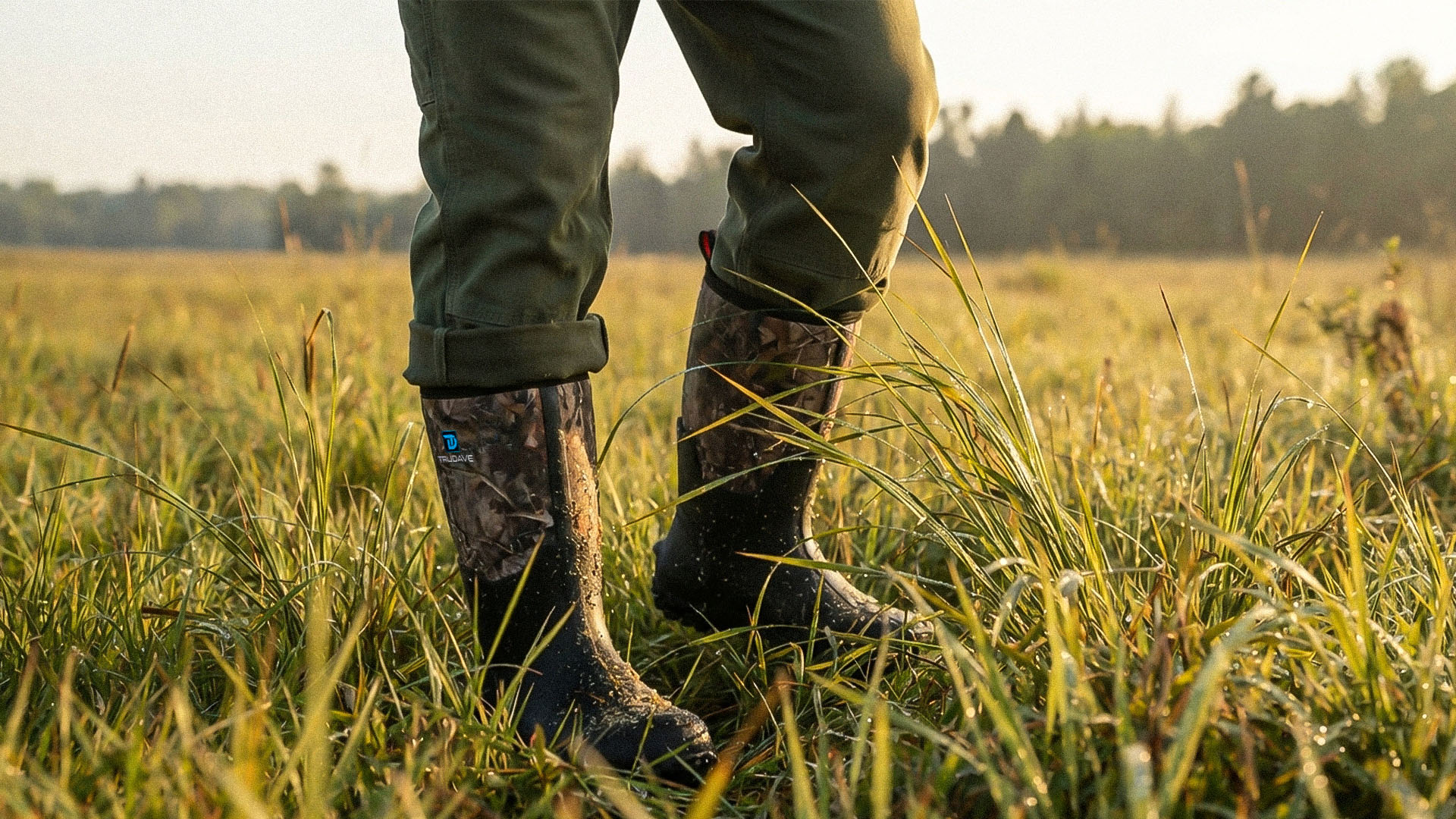
Wet Grass Can Soak Boots Quickly
Bobwhite habitat often means walking through:
- Dew
- Wet grass
- Mud
- Creek edges
- Rain-soaked weeds
Hunters dealing with these conditions may benefit from waterproof hunting boots for bobwhite quail hunting that provide secure fit, reliable traction, and enough moisture protection while staying light enough for long upland walks.
Quail hunting is active.
Footwear should support movement rather than fight it.
Lightweight Boots Usually Make Sense
Many bobwhite hunts involve several miles of walking.
Heavy boots add fatigue.
Choose footwear based on:
- Weather
- Terrain
- Water depth
- Temperature
Do not wear more boot than the habitat requires.
Waterproofing Matters Even in Dry-Looking Fields
A field may contain no visible standing water.
Morning dew can still soak non-waterproof footwear.
Wet grass brushes every step.
After an hour, socks may be damp.
Waterproof protection helps extend comfort through the day.
Heel Retention Matters on Long Walks
Poor heel fit creates:
- Hot spots
- Blisters
- Fatigue
Break boots in before hunting.
Test them on uneven ground and field edges.
Comfort matters more after mile five than mile one.
Mud Can Pack Into Tread
Clay soils may fill outsole lugs.
Traction drops.
Watch footing around:
- Creek edges
- Cattle areas
- Wet roads
Clean tread when necessary.
Briars Demand Durable Clothing
Good quail habitat often contains uncomfortable vegetation.
Expect:
- Blackberry
- Greenbrier
- Plum
- Thorny brush
Brush pants can help hunters enter the habitat birds actually use.
If your clothing forces you to walk around every thicket, you may be walking around the quail too.
Eye Protection Is Useful
Branches and briars reach face level.
Clear protective glasses can reduce injuries.
This is especially helpful when watching a dog while moving through cover.
Grass Seeds Can Affect Dogs
Some upland habitats contain grass awns and sharp seeds.
Check dogs around:
- Eyes
- Ears
- Nose
- Paws
- Coat
after hunting.
Persistent irritation can require veterinary attention.
Dogs Need Water
Cool weather does not eliminate dehydration.
Bird dogs may run several times farther than hunters walk.
Carry clean water.
Offer breaks.
Do not rely entirely on:
- Creeks
- Stock ponds
Water quality may be questionable.
Warm Early Seasons Require Heat Awareness
Southern quail seasons can still include warm days.
Dogs are especially vulnerable while running through thick vegetation.
Watch for:
- Heavy panting
- Weakness
- Poor coordination
Stop early when necessary.
One covey is not worth a medical emergency.
Snakes Can Be Relevant in Warm Weather
Depending on region and temperature, quail habitat may overlap venomous snake habitat.
Be cautious around:
- Brush piles
- Logs
- Thick grass
- Rocky edges
Maintain dog control.
Know local risks.
Barbed Wire Is a Constant Farm-Country Hazard
Quail properties often contain fences.
Watch for:
- Old wire
- Hidden strands
- Broken posts
Use gates where permitted.
Control dogs near fences.
A barely visible strand can cause serious injuries.
Property Boundaries Matter
Coveys may cross:
- Private farms
- Public land
- Neighboring ranches
Hunters must know legal access.
A flushed bird crossing a fence does not give you permission to follow.
Map boundaries before the hunt.
Private-Land Relationships Are Important
Much quality bobwhite habitat occurs on managed private land.
If permission is granted:
- Follow vehicle rules
- Respect livestock
- Leave gates correctly
- Pick up shells
- Avoid damaging habitat
Good behavior protects future access.
Public Quail Ground Can Still Produce
Public wildlife areas and forests may support bobwhite where suitable habitat management occurs.
Search for:
- Prescribed-burn units
- Native grass
- Brushy field borders
- Managed pine
Public birds may receive more pressure.
Focus on habitat quality rather than simply walking farther.
Avoid Shooting at Covey-Level Shapes
A flushing covey creates visual confusion.
Pick one legal bird.
Track it clearly.
Do not fire into a mass of birds.
This improves both shooting discipline and recovery.
Low Shots Require Care
Quail often fly low.
Know where:
- Dogs
- Partners
- Livestock
are located.
Never shoot at a low bird with an uncertain background.
Establish Shooting Zones
Before entering cover with partners, agree on:
- Direction of travel
- Spacing
- Safe shooting angles
Do not wait until a covey erupts to decide who can shoot where.
Blaze Orange Can Improve Safety
Follow local requirements.
Even where regulations vary, visible clothing can help partners maintain awareness in thick cover.
Quail hunting often overlaps other hunting seasons.
Mark Downed Birds Immediately
Bobwhite can disappear in:
- Grass
- Brush
- Pine litter
Mark the exact fall.
Use:
- Tree
- Weed clump
- Brush edge
- Dog location
Do not chase the covey until recovery is addressed.
Dogs Can Be Critical for Recovery
A downed bird may move or become completely hidden.
A trained dog can help locate it.
Give the dog enough time to work.
Do not stomp randomly through the fall area and destroy scent.
Warm Weather Requires Prompt Game Care
Southern conditions may remain mild.
Keep harvested birds:
- Cool
- Clean
- Shaded
Follow local wildlife regulations and food-safety guidance.
Quail Regulations Vary by State
Before hunting, verify current rules regarding:
- Season dates
- Bag limits
- Possession limits
- Licenses
- Legal methods
- Public-land restrictions
- Blaze-orange requirements
Some properties may have special rules.
Use current official wildlife-agency information.
Habitat Conservation Is Central to Bobwhite Hunting
Bobwhite populations depend heavily on habitat quality.
Loss of:
- Native grass
- Shrubby cover
- Early-successional habitat
can reduce bird numbers.
Hunters benefit from management practices that maintain habitat diversity.
Healthy quail hunting begins with healthy land.
Common Bobwhite Quail Hunting Mistakes
Hunting Grass Instead of Habitat Structure
Birds need grass, bare ground, food, and brush together.
Ignoring Shrubby Cover
Plum and brush can be critical loafing and escape habitat.
Walking Too Fast
Slow down around transitions.
Chasing a Covey Immediately After the Flush
Watch landing areas and let birds settle.
Wearing Heavy or Leaky Boots
Quail hunting requires waterproof mobility, not unnecessary weight.
Letting Dogs Overrun the Cover
Range should match habitat.
Shooting Into the Covey
Pick one bird.
Ignoring Habitat Management
Good quail hunting starts with understanding why the property holds birds.
Frequently Asked Questions
What habitat is best for bobwhite quail?
Good bobwhite habitat often combines native grass, open ground beneath vegetation, seed-producing plants, shrubby escape cover, and diverse habitat edges.
Are pine forests good for quail?
Open pine savanna with grass, forbs, bare ground, and shrub patches can provide excellent habitat. Dense closed-canopy pine is generally less suitable.
Why are brush piles good for quail?
Brush piles can provide dense escape cover, loafing protection, and shelter during poor weather.
Can you hunt bobwhite quail without a dog?
Yes. Hunters can methodically work hedgerows, field corners, brush edges, burns, and other high-probability cover without dogs.
Is quail hunting good after rain?
Wet conditions may improve scenting and quiet hunter movement, although wet grass and mud make waterproof footwear more important.
What boots are best for bobwhite quail hunting?
Lightweight waterproof hunting boots with secure fit, good wet-grass traction, and enough durability for briars, field edges, and long walking days are practical.
Final Thoughts
Bobwhite quail hunting changes the way hunters look at a field.
Tall grass by itself is not enough.
Brush by itself is not enough.
Food by itself is not enough.
The best covey habitat is where all of those pieces overlap.
A plum thicket beside ragweed.
A burned pine stand beside an old field.
A hedgerow connecting two feeding patches.
A field corner too messy for farm equipment.
Those are the places worth slowing down.
Learn the plants.
Watch the dog.
Study every covey flush.
Wear boots that let you walk wet grass, muddy field edges, briars, and long southern upland miles without avoiding good habitat.
And remember:
Quail do not need a perfect field.
They need a complicated one.
The hunters who learn to recognize that complexity are usually the ones who find the covey.
