
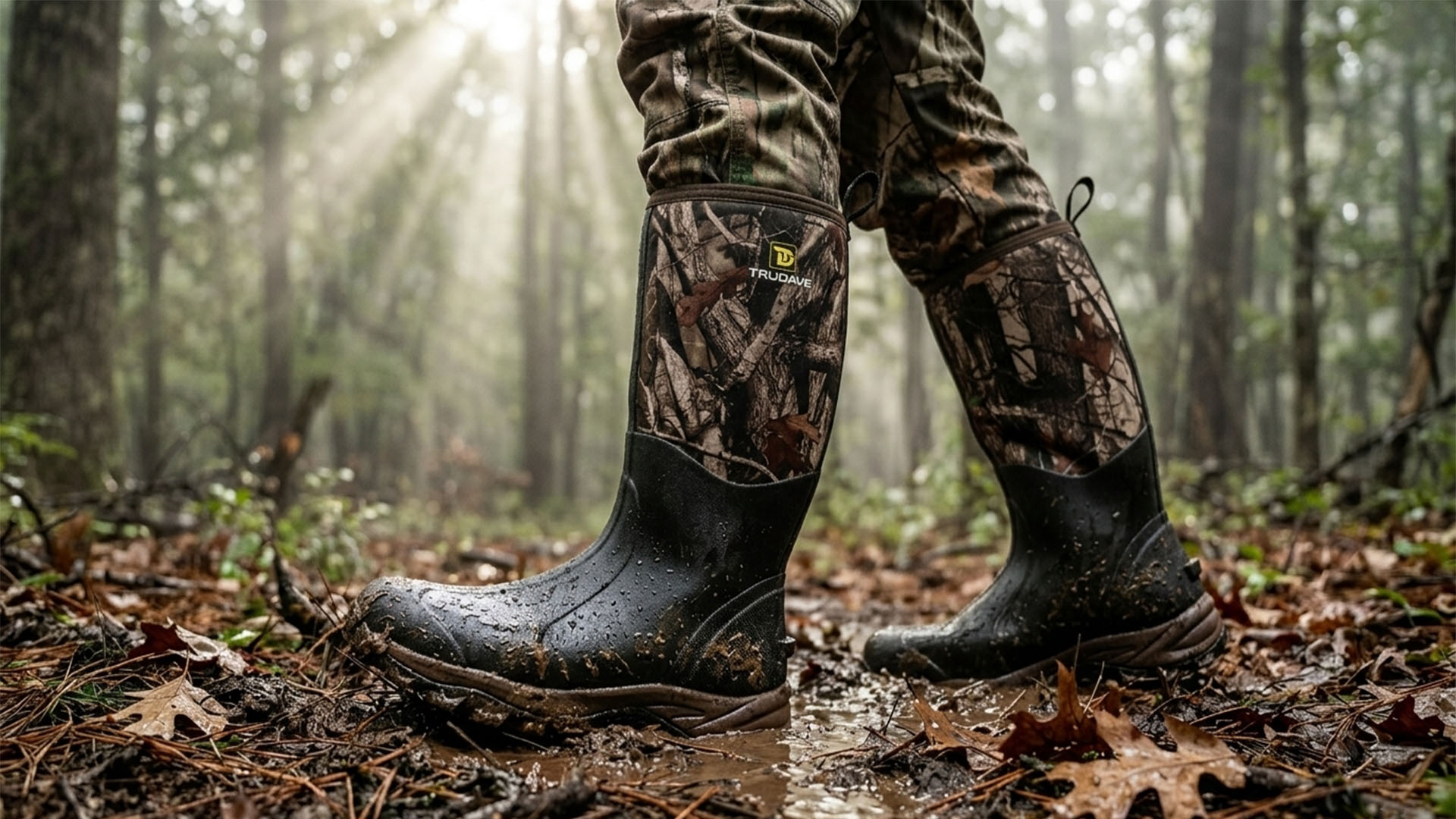
American woodcock country rarely looks inviting.
The ground is soft.
Alder stems grow close together.
Young aspen branches grab clothing.
Ferns cover hidden holes.
Mud fills old logging ruts, and every few steps the hunter has to decide whether the dark patch ahead is solid ground or ankle-deep water.
Then the dog freezes.
The cover looks empty.
A few seconds later, a woodcock rises almost vertically from beside a muddy seep, twists between saplings, and disappears through an opening barely wider than the bird itself.
That is woodcock hunting.
The best habitat is often exactly where hunters least want to walk.
Woodcock depend heavily on moist soil, young forest, dense ground-level cover, and feeding areas rich in earthworms and other invertebrates.
They do not simply need woods.
They need the right woods.
A mature hardwood forest with clean ground may look beautiful and hold almost no birds.
A messy young cut beside alder, wet soil, and a small creek can hold multiple birds in an area smaller than a football field.
Successful woodcock hunters learn to stop judging habitat by how comfortable it is for people.
They begin judging it by how soft the soil is, how dense the cover is, and how many feeding opportunities exist beneath the leaves.
Moist Soil Is the Foundation
Woodcock have long bills adapted for probing soft ground.
That makes moisture one of the most important habitat clues.
Look for soil that is:
- Damp
- Soft
- Rich in organic matter
- Shaded
- Easy to probe
Productive locations may include:
- Alder bottoms
- Young aspen
- Creek edges
- Seeps
- Wet clear-cuts
- Old field transitions
- Low hardwood pockets
- Shrubby drainages
The ground does not need to be flooded.
In fact, deep standing water may reduce usable feeding habitat.
Think soft, not submerged.
If you can push a boot heel slightly into dark moist soil, the area may be worth slowing down in.
Earthworms Help Explain Woodcock Location
Woodcock are famous for feeding on earthworms.
That relationship helps hunters understand why damp soil matters so much.
Moist ground supports prey.
Dry compacted soil is harder to probe and may contain fewer accessible feeding opportunities.
This means two forest patches only a hundred yards apart can hunt completely differently.
One may be:
- Dry
- Open
- Covered in hard leaf litter
The other may have:
- Soft dark soil
- Alder
- Ferns
- Seep moisture
- Thick saplings
The second patch often deserves far more attention.
Alder Is Classic Woodcock Cover
Alder thickets can be excellent because they combine several useful features.
They commonly grow in moist soils.
Their dense stems provide concealment.
The surrounding ground may support abundant invertebrates.
Alder may occur along:
- Creek bottoms
- Wet depressions
- Beaver wetlands
- Old logging roads
- Marsh transitions
- Young forest edges
Hunters often avoid the thickest alder because walking is difficult.
That is exactly why birds may feel secure there.
Do not automatically push through the center.
Work the edges first.
Let dogs search the interior when appropriate.
Young Aspen Can Be Equally Valuable
Woodcock frequently overlap young forest habitat also used by ruffed grouse.
But the wettest portions of young aspen stands often deserve special attention for woodcock.
Look for:
- Dense sapling growth
- Moist leaf litter
- Ferns
- Alder mixed in
- Small drainages
- Seep areas
- Old logging ruts
The younger forest creates overhead and side cover while moist ground provides feeding opportunity.
A dry young cut may hold grouse.
A wet young cut may hold both grouse and woodcock.
That makes habitat transitions especially interesting.
Hunt Where Aspen Meets Alder
Some of the best cover occurs where different young vegetation types meet.
An aspen stand bordering alder gives birds access to:
- Feeding soil
- Dense escape cover
- Different stem structure
- Small openings
These edges are easier for hunters to work than solid alder.
Walk slowly along the transition.
Let the dog search both sides.
Pay attention when ground moisture increases.
Woodcock habitat can change within only a few steps.
Creek Edges Can Be Excellent
Small creeks create moist soils and young vegetation.
Look along creek systems where the bank is:
- Low
- Brushy
- Shaded
- Soft
Avoid focusing only on the water itself.
Woodcock may be twenty or fifty yards away in saturated forest soil rather than standing directly on the creek bank.
The creek is often the moisture source.
The surrounding young cover is the actual bird habitat.
Seep Areas Are Easy to Overlook
A hillside seep may produce only a small wet patch.
That tiny feature can support:
- Soft soil
- Green plants
- Earthworms
- Dense shrubs
When dry forest surrounds it, the seep becomes disproportionately valuable.
Look for subtle clues:
- Darker soil
- Moss
- Green vegetation
- Wet leaves
- Small trickles
- Muddy animal tracks
A seep only thirty yards wide may hold several birds during migration.
Small habitat can matter enormously.
Old Logging Ruts Can Create Feeding Strips
Logging equipment often leaves depressions that collect moisture.
Years later, those ruts may still create wet strips through young forest.
Woodcock may feed along the soft soil around them.
Look for old skid trails containing:
- Wet leaves
- Soft mud
- Ferns
- Alder
- Young hardwoods
The rut itself may be difficult to walk.
The raised edges may provide a better route for hunters.
Stay close enough for the dog to search the moist ground without putting every step into mud.
Beaver Country Can Produce Excellent Habitat
Beaver activity creates young wet forest.
Trees are cut.
Water levels change.
Willow and alder regenerate.
Old ponds become grassy or brushy.
This disturbance can create excellent woodcock habitat around the edges.
Search:
- Abandoned pond margins
- Alder bands
- Young growth
- Muddy creek flats
- Old dams
- Drained wetlands
Avoid deep water and unstable dams.
The productive habitat is often the moist transition around the beaver area rather than the center.
Recent Rain Can Improve Habitat
Rain softens soil.
That can make feeding easier.
It may also change where birds concentrate.
After a dry period, a good rain can increase the value of:
- Young cuts
- Alder bottoms
- Creek benches
- Old fields
- Logging ruts
Places that were too dry may suddenly become suitable.
This is one reason hunters should revisit known woodcock cover after weather changes.
The forest looks the same.
The soil does not.
Too Much Rain Can Push Birds to Slightly Higher Ground
Woodcock want moist ground.
They do not necessarily want to stand in deep water.
After prolonged rain or flooding, birds may shift toward:
- Raised edges
- Slight benches
- Higher alder margins
- Well-drained young forest beside wet cover
This can concentrate birds along very narrow transitions.
If the center of your favorite bottom is flooded, hunt the outer edge.
The birds may have moved only twenty yards.
Fresh Mud Can Show Feeding Activity
Woodcock sometimes leave small probing holes where they feed.
In suitable soft ground, hunters may notice repeated small holes in the soil.
This can indicate feeding activity.
Look in:
- Muddy patches
- Soft leaf litter
- Seep edges
- Creek-bottom soil
One hole is meaningless.
A concentration of probing sign in high-quality habitat suggests birds have been feeding there.
Combine this with droppings, flushes, and dog behavior.
Droppings Can Confirm Use
Woodcock droppings may appear on:
- Logging roads
- Small openings
- Feeding areas
- Woodland edges
Fresh sign helps confirm current activity.
Do not build a hunt around droppings alone.
Instead, use them as one clue among several:
- Moist soil
- Young cover
- Feeding holes
- Bird flushes
- Dog scent
The more clues overlap, the more carefully you should work the area.
Migration Can Change Bird Numbers Overnight
Woodcock hunting has a strong migratory component.
A cover that held two birds yesterday may hold twelve tomorrow.
Weather systems can move birds into or out of an area rapidly.
This makes repeated scouting valuable.
Do not write off good habitat after one empty hunt.
If the cover remains suitable, check it again after:
- Cold fronts
- Rain
- Changing wind
- Migration weather
Migratory birds make habitat knowledge more valuable than one-day bird counts.
A Good Cover Can Reload
One of the most exciting parts of woodcock hunting is returning to productive cover after migration.
Hunters may remove or flush birds from a small patch and find new birds there later.
Why?
Because the habitat remains good.
New migrants discover the same combination of:
- Soft soil
- Dense cover
- Food
- Protection
This is why understanding the habitat is more important than remembering where one bird flushed.
The location works because of its features.
Early Season Cover Can Be Extremely Thick
When leaves remain on the trees and understory is fully grown, visibility may be only a few yards.
Shot opportunities become fast.
Expect:
- Close flushes
- Dense leaves
- Branch interference
- Warm conditions
- Wet vegetation
Move slowly enough to remain ready.
The bird may rise near your boots and disappear in less than two seconds.
Later Fall Can Improve Visibility
After leaf drop, hunters gain better visibility.
But birds may also become easier to pressure.
Dense stem cover remains important.
Later-season woodcock may use:
- Alder
- Young aspen
- Brushy edges
- Moist conifer transitions
Do not abandon young cover simply because leaves are gone.
The underlying habitat structure still matters.
Woodcock Often Hold Tight
Woodcock can allow hunters and dogs to approach closely.
That creates exciting flushes.
It also means hunters should avoid rushing through high-quality cover.
Take several steps.
Pause.
Let the dog work.
A bird may sit only a few yards away.
Fast hunters walk past birds or push them into poor shot angles.
Slow hunting creates more controlled opportunities.
Pointing Dogs Shine in Woodcock Cover
Woodcock hunting is strongly associated with pointing dogs for good reason.
A dog can search thick cover humans cannot see into.
It can locate birds holding tight in alder, ferns, and saplings.
The hunter then has time to:
- Position safely
- Watch the dog
- Identify shooting lanes
- Prepare for the flush
A good point turns an invisible bird into a huntable situation.
Dog Range Should Match the Cover
A wide-ranging prairie dog may need to work much closer in dense woodcock habitat.
The hunter must be able to:
- Reach the dog
- See or locate it
- Handle the flush safely
Dense stems can make a dog seventy yards away feel much farther.
Use bells, beepers, GPS collars, or other appropriate legal tools to maintain awareness.
Control is often more valuable than maximum range.
Flushing Dogs Can Work Too
A close-working flushing dog can be effective in woodcock cover.
The key is keeping the dog within a distance that allows safe, controlled shots.
If the dog gets too far ahead, birds may flush unseen.
Dense vegetation reduces the hunter’s reaction time.
Close dog work makes the cover manageable.
Hunting Without a Dog Is Possible
Woodcock can be hunted without a bird dog.
Habitat selection becomes even more important.
Focus on:
- Alder edges
- Moist young aspen
- Creek bottoms
- Seep areas
- Wet logging roads
Use a deliberate walking pattern.
Take a few steps.
Pause.
Look ahead.
You may flush birds simply by moving slowly through the right habitat.
Without a dog, avoid trying to hunt every acre.
Target the best wet cover.
Work Small Cover Thoroughly
A ten-acre patch of excellent habitat can be more productive than a hundred acres of mediocre forest.
When you flush one woodcock, slow down.
Additional birds may be nearby.
Work the area in sections.
Check:
- Moist pockets
- Edge transitions
- Small openings
- Nearby alder
One bird often confirms you found the correct soil and cover combination.
Do not immediately leave after the first flush.
Woodcock Flights Are Unique
A woodcock often rises steeply from the ground before moving forward.
That initial vertical flush can surprise hunters.
The bird may then:
- Twist
- Accelerate
- Use openings between stems
Shot windows are often extremely short.
Smooth gun handling is more valuable than speed alone.
Mount cleanly.
Find the bird.
Confirm the background.
Take the safe opportunity.
Do Not Shoot Through Brush
Dense cover creates temptation.
You see a flash of brown through saplings.
The bird disappears.
Do not fire blindly through vegetation.
Branches can deflect shot patterns and hide:
- Dogs
- Hunters
- Roads
- Structures
If the bird does not provide a clear safe window, let it go.
Woodcock habitat almost guarantees another difficult opportunity later.
Safety must remain consistent.
Pick an Opening Before the Flush
When approaching a pointing dog, look at the cover before the bird rises.
Identify potential windows:
- Logging-road gap
- Open canopy strip
- Creek opening
- Sparse section of saplings
Position yourself so the bird has a chance to become visible.
You cannot control where it flies.
But you can avoid standing directly behind the thickest wall of alder.
Keep the Muzzle Clear
Woodcock hunters constantly push through brush.
Branches can catch equipment.
Mud can be close to the muzzle.
Maintain safe firearm control at all times.
If the muzzle contacts:
- Mud
- Snow
- Debris
stop and inspect it safely before continuing.
A blocked barrel is a serious hazard.
Thick cover requires extra awareness.
Eye Protection Is Extremely Useful
Alder and young forest put branches directly at face level.
Protective glasses can help prevent injuries from:
- Saplings
- Briars
- Twigs
Clear lenses often work well in dark forest.
Eye protection becomes especially useful when following a dog quickly toward a point.
One hidden branch can end the day’s hunt.
Brush Pants Are Worth Carrying
Good woodcock habitat is rarely gentle on clothing.
Expect:
- Briars
- Alder
- Wet ferns
- Young saplings
- Mud
Durable brush pants can make the difference between hunting the best cover and walking around it.
The entire point of woodcock hunting is entering habitat other people avoid.
Your clothing should allow you to do that.
Wet Vegetation Can Soak Hunters Quickly
Even when it is not raining, alder and ferns hold enormous amounts of moisture.
Morning dew can soak:
- Boots
- Socks
- Pants
within minutes.
Hunters working these conditions may benefit from waterproof hunting boots for wet woodland hunting that provide secure heel fit, dependable traction, and enough moisture protection for saturated grass, muddy trails, and shallow woodland water.
The best boot should remain light enough for constant walking.
Woodcock hunting involves hundreds of short steps, turns, and changes of direction.
Heavy footwear becomes noticeable quickly.
Tall Rubber Boots Can Work in Very Wet Cover
In extremely muddy lowlands, tall rubber hunting boots may provide useful protection.
They handle:
- Mud
- Shallow water
- Wet grass
well.
But fit is critical.
Loose boots become tiring in suction mud.
Hunters covering long distances may prefer more supportive options if water depth allows.
Match footwear to the actual cover.
Supportive Waterproof Boots Work Well in Mixed Terrain
Some woodcock country combines:
- Wet bottoms
- Dry ridges
- Logging roads
- Roots
- Hills
In those places, supportive waterproof lace-up hunting boots may provide a better balance of:
- Traction
- Fit
- Ankle support
- Walking comfort
Boot selection should reflect the entire day, not only the wettest five yards.
Mud Suction Makes Every Step Harder
Soft forest mud can grab footwear.
Take shorter strides.
Avoid stepping into the center of obvious black mud holes.
Use:
- Root mats
- Grass
- Raised edges
- Logs where safe
A direct route is not always the easiest route.
Walking intelligently saves energy and reduces falls.
Wet Roots Are Slippery
Roots beneath leaves can become extremely slick.
They are especially dangerous on:
- Creek banks
- Slopes
- Logging-road edges
Slow down.
Place the whole foot when possible.
Do not focus entirely on a dog point while walking quickly downhill.
Stop first.
Then look.
The bird will still be there for a few extra seconds.
Old Logging Roads Hide Water
A grass-covered logging road may contain old tire ruts filled with mud.
The vegetation hides the depth.
Watch for subtle depressions.
Test questionable footing.
Do not assume the easiest-looking path is solid.
Old forest roads often collect exactly the moisture that makes nearby habitat attractive to woodcock.
That is good for birds.
Not always good for ankles.
Beaver Wetlands Require Extra Care
Woodcock cover around beaver ponds can contain:
- Deep mud
- Hidden channels
- Unstable logs
- Thin ice later in fall
Keep dogs within control.
Do not cross uncertain water.
Use firm edges.
A woodcock may fly across unsafe ground.
The hunter does not need to follow directly.
Circle around.
Early-Season Heat Can Affect Dogs
Dense wet cover feels cool to hunters, but dogs can still overheat.
Young forest reduces airflow.
Dogs work hard moving through vegetation.
Carry water.
Offer breaks.
Watch for:
- Excessive panting
- Weakness
- Loss of coordination
- Reduced response
Do not let a productive bird patch override dog safety.
Dogs Can Get Cut Up in Alder
Dense cover can hide:
- Wire
- Sharp sticks
- Broken glass near old farms
- Logging debris
Inspect dogs during the hunt.
Check:
- Eyes
- Paws
- Chest
- Legs
Small cuts can worsen during hours of continued hunting.
Basic canine first aid belongs in the vehicle or pack.
Porcupines Can Be a Problem
Young northern forests may also hold porcupines.
A bird dog investigating the wrong animal can end the hunt immediately.
Maintain control.
Be especially careful near:
- Rock piles
- Tree bases
- Old buildings
- Dense conifers
Know where veterinary care is available when hunting remote areas.
Woodcock and Grouse Can Occupy the Same Cover
One of the benefits of hunting young northern forest is the possibility of encountering both woodcock and ruffed grouse.
However, habitat preferences may differ slightly within the same landscape.
Woodcock tend to favor wetter soft-soil pockets.
Grouse may use:
- Drier young aspen
- Berry areas
- Conifer edges
Pay attention to where each flush occurs.
Over time, you may learn to predict which bird you are more likely to encounter based on the ground beneath your boots.
Species Identification Still Matters
Dense forest creates quick flushes.
Hunters should identify the bird before firing.
Depending on location, other birds may occupy similar cover.
Learn:
- Woodcock size
- Flight
- Shape
- Long bill
- General coloration
Do not shoot simply because a brown bird flushed from alder.
Positive identification comes first.
Woodcock Are Migratory Game Birds
American woodcock are managed as migratory game birds.
Hunters must follow applicable federal and state rules.
These may include requirements involving:
- Seasons
- Bag limits
- Possession limits
- Shooting hours
- HIP registration
- Shotgun capacity
- Hunting licenses
Always verify current official regulations before hunting.
Do not rely on an older article for legal information.
Non-Toxic Shot Rules May Apply in Some Areas
Ammunition requirements can vary depending on property and jurisdiction.
Some wildlife areas may require non-toxic shot.
Check:
- State rules
- Federal land rules
- Wildlife-management-area regulations
before the hunt.
Do not assume the same ammunition is legal everywhere simply because you are hunting the same species.
Public Young Forest Can Be Excellent
State forests, wildlife management areas, and other public lands may contain excellent woodcock habitat where active forest management creates young growth.
Search maps for:
- Recent cuts
- Wet lowlands
- Creek systems
- Regeneration
- Old logging networks
A property dominated by mature forest may contain birds only in scattered young pockets.
Find the disturbance.
Then find the moisture.
Recent Timber Management Can Create Future Habitat
Young forest does not remain young forever.
A cut that is excellent now may become too mature later.
New regeneration can become the next productive cover.
Hunters should think about habitat age dynamically.
Mark:
- Current good cuts
- New harvests
- Areas beginning to regenerate
Over time, you can follow the habitat rather than relying on one favorite spot forever.
Do Not Judge a Cut From the Road
Roadside portions may be:
- Too dry
- Too pressured
- Too open
Walk farther and inspect the internal moisture.
A cut may contain one low drainage or alder pocket that holds nearly all the birds.
The productive section can be only a fraction of the total acreage.
Use boots and legs to reach the wet interior rather than judging everything from the parking area.
Pressure Can Shift Birds Deeper
Popular public cover gets hunted.
Birds may move toward:
- Thick interior alder
- Wet corners
- Smaller overlooked cuts
- Cover farther from parking
Do not assume birds left the entire area.
Change the route.
A muddy twenty-minute walk can separate you from most hunters.
Difficult access often protects good cover.
Mark Every Flush
Every woodcock teaches you something.
After the bird leaves, look at the ground.
Record:
- Soil moisture
- Vegetation
- Forest age
- Distance to water
- Cover density
- Weather
- Time
Patterns appear quickly.
You may find that most birds come from one specific combination such as young aspen within thirty yards of alder on soft soil.
That pattern is much more useful than simply marking bird locations.
A Miss Can Still Be Useful
Missing a woodcock is common.
The shot window may last only a second.
Do not let the miss erase the information.
Ask why the bird was there.
Study the cover.
Then search for similar habitat.
The bird already confirmed your habitat theory.
The shooting opportunity was only one part of the lesson.
Watch Where Flushed Birds Land
Woodcock may not fly extremely far after being disturbed.
Watch the bird carefully.
It may settle into another young patch nearby.
Use landmarks:
- Large aspen
- Alder corner
- Logging road
- Creek bend
- Conifer patch
Give the bird time.
Then approach slowly.
A relocated woodcock may hold again.
Do Not Rush the Relocation
Immediately charging after the bird usually creates noise.
Walk deliberately.
Let the dog search.
A bird that just landed may sit tight.
The second flush can sometimes provide a better opening than the first.
Patience turns one encounter into multiple opportunities.
Recovery Can Be Difficult
A small brown bird falling into ferns and leaves can disappear completely.
Mark the fall immediately.
Do not keep shooting at another bird before you know where the first one landed.
Search from the exact mark.
Look for:
- Feathers
- Blood
- Disturbed vegetation
- Dog behavior
A good retrieving dog is extremely valuable in dense cover.
Without one, use a systematic search.
Warm Weather Requires Prompt Game Care
Early woodcock seasons can occur during mild temperatures.
Keep harvested birds:
- Clean
- Cool
- Shaded
Follow current legal requirements for transport and identification.
Do not leave birds inside a hot vehicle.
Proper field care protects the quality of the game you worked hard to recover.
Common Woodcock Hunting Mistakes
Hunting Woods That Are Too Mature
Young dense forest with moist soil is usually more productive.
Avoiding Wet Cover
Soft ground is one of the biggest habitat clues.
Walking Too Fast
Woodcock may hold extremely tight.
Ignoring Small Seeps
Tiny moisture pockets can concentrate birds.
Hunting One Cover Once and Giving Up
Migration can bring new birds into good habitat.
Wearing Leaky or Overly Heavy Boots
Wet woodland hunting requires waterproof protection plus active walking comfort.
Shooting Through Saplings
Wait for a clear and safe opening.
Letting Dogs Range Too Far
Dense alder makes control and visibility difficult.
Failing to Study Flush Locations
The habitat under the bird matters more than the exact GPS point.
Frequently Asked Questions
Where do American woodcock usually live?
They commonly use moist young forests, alder thickets, young aspen, creek bottoms, seeps, and other areas combining soft feeding soil with dense cover.
Why do woodcock like wet ground?
Their long bills are adapted for probing soft soil for earthworms and other invertebrates, making moist ground especially valuable feeding habitat.
Is woodcock hunting good after rain?
It can be. Rain may soften previously dry soil and make additional feeding habitat available, although excessive flooding can push birds toward slightly higher edges.
Can you hunt woodcock without a dog?
Yes. Hunters can slowly work high-quality moist young cover and flush birds on foot, though a trained bird dog can greatly improve locating and recovering birds.
What is the best cover for woodcock?
Dense young aspen, alder, wet clear-cuts, creek edges, and seep areas with soft soil are strong places to start.
What boots are best for woodcock hunting?
Lightweight waterproof hunting boots with secure fit, dependable mud and wet-root traction, and enough protection for saturated vegetation and shallow water are a practical choice.
Final Thoughts
Woodcock hunting changes the way you judge a forest.
Dry open woods may look beautiful.
The birds may not care.
They want soft ground.
Young stems.
Alder.
Moisture.
Earthworms.
Dense cover that makes hunters work for every step.
Find the wet soil.
Then find the young forest growing above it.
Slow down when the dog gets birdy.
Check seeps, creek edges, old logging ruts, and alder corners.
Wear footwear that lets you enter muddy habitat instead of walking around it.
And after every flush, look down before moving on.
The woodcock already showed you the most important clue.
It was standing on exactly the kind of ground you need to find again.
