
Chukar country has a cruel sense of humor.
You hear birds calling from the slope above you.
You climb.
The calling stops.
A covey suddenly flushes another hundred yards uphill, crosses a canyon, and lands on the exact ridge you were hoping you would not have to climb.
That is chukar hunting.
Few upland birds are so closely tied to difficult terrain.
Chukar thrive on dry, rocky slopes, rimrock, canyon walls, cheatgrass hillsides, talus, and steep country where hunters quickly discover that finding birds is only part of the challenge.
Reaching them is the other half.
A successful chukar hunter learns to read elevation, water, food, sun exposure, slope direction, wind, and escape terrain.
More importantly, the hunter learns not to chase every bird straight uphill.
Chukar are better climbers than you are.
The goal is not beating them at climbing.
It is understanding where they want to go before they get there.
Chukar Country Is Usually Obvious—But Birds Are Not
Chukar habitat often looks exactly like the kind of country most people would rather avoid walking.
Productive areas can include:
- Rocky canyon walls
- Rimrock
- Broken shale slopes
- Cheatgrass-covered hills
- Sparse sage
- Talus
- Dry creek systems
- Steep benches
- Basalt cliffs
- Open slopes near water
The best habitat often combines food, rocky escape terrain, and reliable water.
A smooth grassy hillside may look easier to hunt.
A broken slope with rock bands and scattered vegetation may hold far more birds.
Chukar survive by staying close to terrain that gives them an advantage.
Water Is One of the Best Starting Points
In dry western environments, water can strongly influence chukar distribution.
Depending on season and location, birds may use:
- Springs
- Seeps
- Creek bottoms
- Stock tanks
- Guzzlers
- River corridors
- Small canyon water sources
The key is not simply finding water.
It is finding water connected to suitable feeding and escape habitat.
A spring surrounded by flat open pasture may hold little.
A small seep beneath a rocky slope with cheatgrass can become extremely valuable.
Scout the whole system.
Where do birds feed?
Where do they drink?
Where do they run when disturbed?
Chukar Often Travel Vertically
Many upland birds move mainly across relatively flat ground.
Chukar regularly move up and down slopes.
They may:
- Feed lower in the morning
- Move toward water
- Climb into rocky security cover
- Loaf on benches
- Travel along contour lines
This vertical movement is one reason hunters become exhausted.
If you simply follow every flush uphill, the birds control the hunt.
Instead, think about elevation before you begin.
Try to position above or level with likely bird habitat whenever possible.
Hunting downhill is usually easier than hunting uphill.
Start High When Access Allows
One of the classic strategies in chukar hunting is gaining elevation early.
If legal access allows you to begin near the top of productive country, you may be able to hunt gradually downhill or across the slope.
Advantages include:
- Better glassing
- Less climbing during the hunt
- Easier interception of uphill-running birds
- Better understanding of terrain
But do not begin on the highest ridge simply because it is high.
Start where habitat quality justifies the effort.
A useless summit is still useless.
Rimrock Is a Major Habitat Feature
Chukar often use rocky cliff bands and rimrock because they provide:
- Escape terrain
- Shade
- Wind protection
- Observation points
- Nearby feeding structure
Look for grassy benches immediately below or above rocky bands.
Birds may feed on the slope, then run toward rimrock when pressured.
If you flush birds near a cliff band, watch where they land.
They may settle on a small bench that cannot be seen from below.
Benches Can Hold Entire Coveys
A steep hillside is rarely uniformly steep.
Small benches break the slope.
These flatter strips can provide:
- Feeding areas
- Resting spots
- Easier travel
- Shade
- Dusting sites
A bench only twenty yards wide may hold an entire covey.
From the canyon bottom, it can be nearly invisible.
Study topographic maps and glass from opposite slopes.
Look for subtle horizontal breaks.
Those small flats are often worth more than huge sections of identical hillside.
Cheatgrass Can Be Important Food Habitat
In many western landscapes, chukar use areas dominated or influenced by annual grasses such as cheatgrass.
Seed availability can make these slopes productive.
Birds may feed where:
- Grass seed is abundant
- Open ground allows walking
- Rock cover sits nearby
- Water is accessible
Do not assume the thickest vegetation is best.
Chukar often favor relatively open feeding slopes where they can see danger and move quickly.
The rock provides security.
The grass provides food.
Green-Up After Rain Can Change the Pattern
Rain can transform dry chukar country quickly.
Previously brown hillsides may begin producing green vegetation.
Water availability may increase.
Soft ground may reveal tracks.
Birds can shift toward:
- Fresh green slopes
- Seep areas
- Drainage edges
- Moist benches
After meaningful rain, revisit country that looked poor during dry weather.
The birds may respond to new food and moisture.
A good chukar hunter follows current conditions rather than relying only on traditional locations.
Rain Also Makes Rock Dangerous
Wet-weather chukar hunting comes with a major tradeoff.
The same rain that improves habitat can make footing much worse.
Basalt, shale, and smooth rock can become extremely slick.
Watch for:
- Wet slabs
- Moss
- Clay between rocks
- Loose stones
- Muddy sidehills
Take shorter steps.
Avoid rushing after flushing birds.
A covey can wait.
A badly twisted ankle may end the entire season.
Listen Before You Walk
Chukar are vocal birds.
Their calls can carry across canyons.
Early in the morning or during calm periods, stop and listen.
Calls may reveal:
- Covey location
- Elevation
- General direction
- Movement between slopes
Do not immediately run toward every sound.
Use the information to build a route.
If birds are calling from a high bench, consider how you can approach without climbing directly underneath them.
Listening can save huge amounts of unnecessary walking.
Canyon Acoustics Can Be Misleading
Sound behaves strangely in steep terrain.
A covey may sound:
- Closer than it is
- Farther away
- Higher or lower than expected
Echoes bounce between canyon walls.
Before committing to a climb, try to confirm location visually.
Use binoculars.
Watch rock bands and open slopes.
One wrong assumption about elevation can cost an hour of climbing.
Glassing Is Underused in Chukar Hunting
Many upland hunters think of chukar as a pure walking hunt.
Optics can help tremendously.
Glass:
- Open benches
- Water sources
- Rock bands
- Grass slopes
- Canyon mouths
Look for:
- Moving birds
- Feeding groups
- Dusting activity
- Birds crossing open rock
A covey walking across a pale slope may be visible from surprisingly far away.
Ten minutes behind binoculars can save miles of climbing.
Morning Sun Can Reveal Birds
Low-angle sunlight creates shadows.
Birds moving across open rocky slopes may become easier to detect.
Early morning also tends to provide:
- Cooler temperatures
- Less wind
- Better dog conditions
- More feeding movement
Glass sunlit slopes and benches carefully.
Birds may move from roosting cover toward feeding ground shortly after daylight.
Midday Birds May Use Shade
As temperatures increase, chukar may shift toward:
- Shaded rock
- North-facing slopes
- Canyon walls
- Protected benches
Search the side of terrain offering thermal comfort.
A slope that produced birds at 8:00 a.m. may be empty at noon.
The covey may simply have moved around the ridge.
Use sun angle as part of your habitat strategy.
Hot Weather Makes Water Even More Important
During warm early-season conditions, birds may remain closely tied to reliable water.
Scout around water during cooler morning periods.
Look for:
- Tracks
- Droppings
- Feathers
- Trails
Do not contaminate the water source unnecessarily.
Hunting directly on top of it may pressure birds.
Often, the better strategy is intercepting travel between water and feeding slopes.
Tracks Can Be Useful Around Water
Dry rocky slopes may show little sign.
Soft mud around water provides a rare tracking opportunity.
Chukar tracks around a seep or tank can reveal:
- Current use
- Number of birds
- Direction of travel
Look for repeated trails leading uphill from water.
Those paths may identify the exact slope the covey prefers.
A tiny mud patch can provide more useful information than an entire rocky hillside.
Droppings Confirm Loafing Areas
Chukar droppings may accumulate where birds spend time.
Look beneath:
- Rock ledges
- Shaded benches
- Dusting areas
- Water edges
- Resting cover
Fresh sign can confirm that birds are not simply passing through.
A shaded shelf with tracks, droppings, and feathers deserves careful attention.
The birds may return regularly.
Dusting Areas Can Reveal Repeated Use
Like many upland birds, chukar use dry soil for dusting.
Look for shallow depressions in:
- Fine dirt
- Sandy benches
- Road edges
- Dry flats near rock
Several dust bowls together suggest repeated covey activity.
Combine them with nearby feeding and escape cover.
A dusting site alone is useful.
A dusting site below rimrock and above water is much more interesting.
Road Cuts Can Create Artificial Habitat
Mountain roads sometimes expose rock, gravel, and grassy edges that chukar use.
Birds may appear along:
- Road cuts
- Gravel shoulders
- Switchbacks
- Small roadside springs
These areas can be excellent scouting locations.
But road hunting rules vary.
Never assume you can legally shoot from or across a road.
Use roadside observations to locate birds, then pursue them legally from appropriate ground.
Birds Often Run Uphill
This is one of the behaviors that makes chukar famous.
When pressured, birds may run uphill rather than immediately flush.
Why?
Height gives them an advantage.
Once they decide to fly, launching from an elevated position allows them to cross large distances with relatively little effort.
For hunters, this means walking directly uphill behind running birds is usually a losing strategy.
They are pulling you into their game.
Cut Off the Climb
If terrain allows, move laterally or position above the birds.
Instead of following tracks straight uphill, use:
- Side draws
- Benches
- Ridge access
- Contour routes
to intercept.
This requires patience.
But one thoughtful reposition can create a much closer flush than a half-mile uphill chase.
Think like the covey.
Where would you climb if you wanted to escape?
Chukar Love to Fly Downhill
After flushing, chukar may use the slope to their advantage and fly across or down a canyon.
A covey can cover enormous distance quickly.
Watch every bird until landing.
Do not assume they disappeared forever.
They may land on:
- Opposite benches
- Rock bands
- Grass slopes
- Canyon points
If the birds land across a huge canyon, decide whether the chase is worth the energy.
Sometimes the smartest move is finding another covey.
Do Not Let One Covey Ruin the Day
Chukar hunters sometimes become obsessed with a group that keeps moving.
The birds flush.
Hunter climbs.
Birds flush again.
Hunter climbs more.
Eventually, hours disappear.
If a covey repeatedly stays ahead, stop.
Evaluate.
There may be other birds in more huntable terrain.
Successful chukar hunting requires energy management.
You cannot climb every ridge.
Choose battles.
Scattered Singles Can Be Easier
A large covey flush can split birds into smaller groups.
Singles may hold more tightly after landing.
Watch the whole flush.
Mark:
- Individual landing areas
- Small rock pockets
- Grass benches
After the birds settle, work the area carefully.
A scattered bird may provide a much better opportunity than the original group.
Give Flushed Birds Time to Settle
Rushing toward the landing area can keep birds moving.
Wait briefly.
Let the covey settle.
Then approach with wind and terrain in your favor.
A calm second approach is more effective than a frantic chase.
You already know roughly where the birds are.
Use that advantage.
Dogs Can Be Extremely Useful
A good pointing dog can make chukar hunting much more efficient.
Dogs help locate birds hidden among:
- Grass
- Sage
- Rocks
- Benches
However, chukar terrain is hard on dogs.
They may cover far more elevation than hunters realize.
Manage their effort carefully.
Dogs Need More Water Than You Think
Dry air and constant climbing cause rapid dehydration.
Carry water specifically for the dog.
Do not rely entirely on natural sources.
Some may be:
- Dry
- Unsafe
- Too far away
Offer water regularly.
A driven bird dog may continue working long after it should rest.
The handler must make the decision.
Paw Damage Is Common in Rocky Country
Sharp rock and abrasive ground can damage paw pads.
Inspect paws during the hunt.
Watch for:
- Cuts
- Bleeding
- Limping
- Worn pads
Condition dogs before the season.
Do not expect a dog trained only on soft grass to handle a full day of basalt and shale immediately.
Booties or other protective measures may be appropriate for some dogs and conditions.
Snakes Can Be a Concern in Warm Weather
Early-season chukar habitat can overlap rattlesnake country.
Hunters should remain cautious around:
- Rock piles
- Warm ledges
- Brush
- Water sources
Keep dogs under control.
Know local snake risks and emergency veterinary options.
Avoid reaching into rock cracks or brush where you cannot see.
Hunters Need Water Too
Chukar country is notorious for dehydration.
Cool canyon wind can make conditions feel comfortable while the hunter loses fluid through constant climbing.
Carry enough water for:
- Approach
- Hunt
- Return
Do not ration too aggressively after already becoming thirsty.
Plan routes around realistic water needs.
One extra bottle may be more valuable than several unnecessary pieces of gear.
Heat Can End a Hunt Quickly
Early-season canyon temperatures can climb rapidly.
Stop before symptoms become serious.
Watch for:
- Headache
- Dizziness
- Nausea
- Weakness
- Confusion
Use shade.
Take breaks.
Turn around when necessary.
No covey is worth heat illness.
Physical Fitness Changes the Entire Experience
Chukar hunting exposes conditioning quickly.
Useful preparation includes:
- Hill hiking
- Stair climbing
- Weighted pack work
- Leg strength
- Balance training
Fitness helps with more than climbing.
It improves:
- Safe foot placement
- Decision making
- Shooting control
- Recovery
A tired hunter makes poor route choices.
Preparation creates more hunting opportunities because it leaves enough energy to think.
Descents Can Be Harder Than Climbs
Most hunters worry about going uphill.
Downhill travel often causes more slips and knee stress.
Loose rock moves under body weight.
Fatigue reduces balance.
Use controlled steps.
Do not run downhill after flushed birds.
The birds are designed for gravity.
You are not.
Footwear Is Critical in Chukar Country
Few upland hunts punish footwear as quickly as chukar hunting.
A single day may include:
- Loose rock
- Sharp basalt
- Wet grass
- Mud after rain
- Steep sidehills
- Creek crossings
- Long climbs
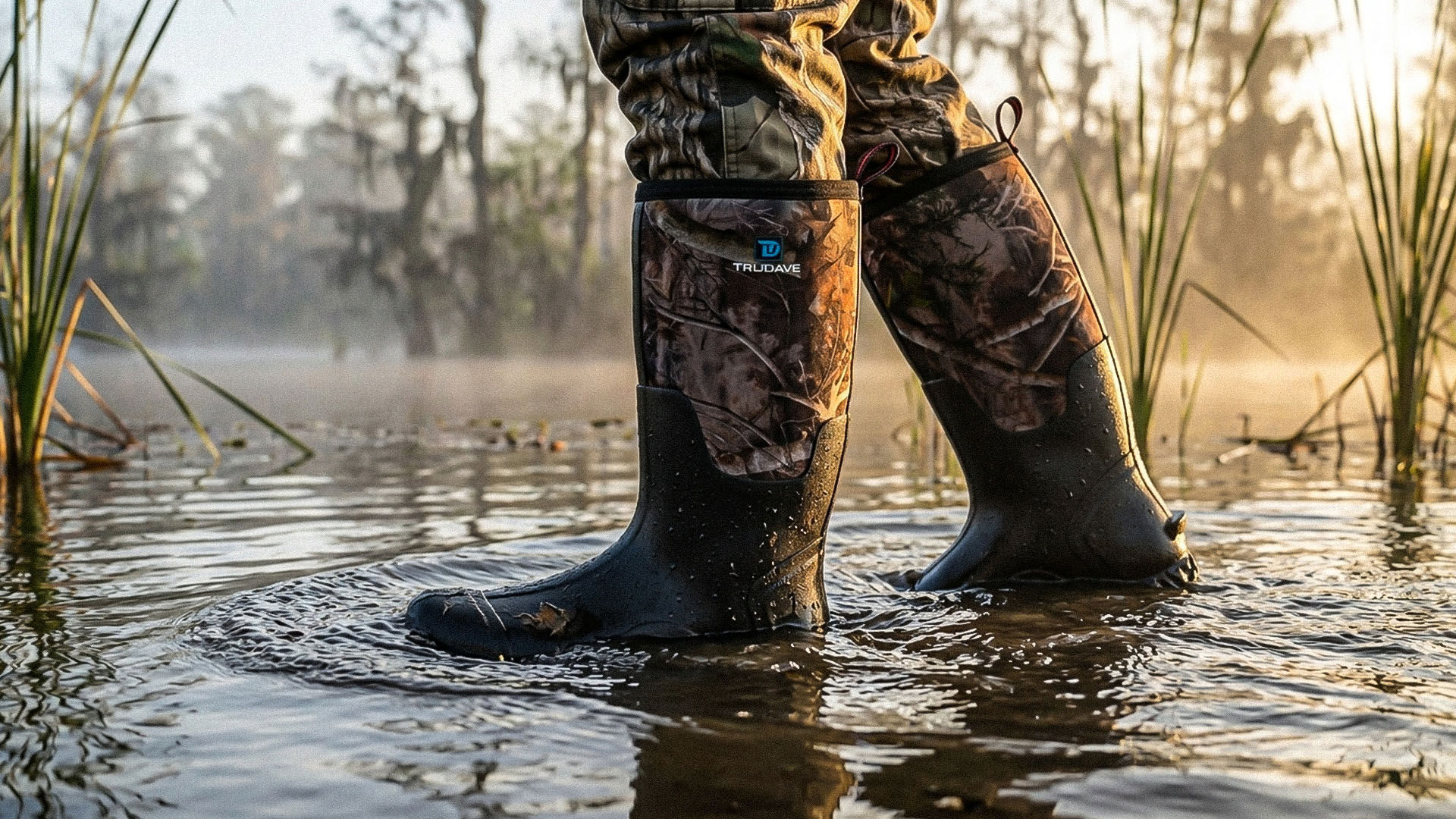
Hunters working this terrain may benefit from waterproof hunting boots for rocky upland hunting that provide strong traction, secure heel fit, ankle support, and enough waterproof protection without becoming excessively heavy.
Chukar boots need to walk.
And climb.
And sidehill.
And survive rock.
This is not the place for footwear chosen only because it feels comfortable on flat ground.
Heel Lock Matters on Climbs
Uphill travel pushes the heel against the rear of the boot repeatedly.
If the heel lifts, friction develops.
That leads to:
- Hot spots
- Blisters
- Reduced control
A secure heel fit is one of the most important features in steep country.
Lace boots carefully.
Stop early if a hot spot develops.
Small foot problems become big problems after several thousand feet of climbing.
Toe Room Matters on Descents
Downhill travel pushes feet forward.
Boots that are too short can cause toes to strike the front repeatedly.
This becomes painful quickly.
Proper sizing should allow enough toe room while still maintaining secure heel retention.
Test boots on slopes before the season.
Flat-store walking does not reveal downhill fit.
Waterproofing Still Matters in Dry Country
Chukar habitat is often described as dry.
That does not mean hunters stay dry.
Conditions may include:
- Morning dew
- Rain
- Snow
- Creek crossings
- Wet grass around springs
A waterproof boot can be extremely useful without needing to be a heavy swamp boot.
The goal is protection from intermittent moisture while maintaining mobility.
Early Snow Can Create Excellent Hunting
Snow can reveal:
- Tracks
- Feeding areas
- Travel routes
It may also push birds toward:
- Sunny slopes
- Exposed grass
- Lower elevation
- Wind-protected benches
Fresh tracks across a white slope can lead hunters directly toward active coveys.
But snow also makes rock and shaded terrain more dangerous.
Adjust pace.
South-Facing Slopes Can Become Important in Winter
Sun-exposed slopes often lose snow sooner.
That can expose food.
Birds may move toward these areas during cold conditions.
Glass south-facing hillsides.
Look for:
- Exposed grass
- Rock bands
- Tracks
- Birds feeding around snow edges
A warm slope protected from wind can hold a covey for hours.
Wind Can Help and Hurt
Wind affects chukar hunting in several ways.
It can:
- Push birds into protected terrain
- Affect dog scenting
- Make shooting harder
- Hide hunter noise
On strong-wind days, search:
- Leeward slopes
- Canyon pockets
- Protected benches
Work dogs into or across the wind when possible.
Use the weather to narrow habitat.
Strong Wind Makes Low Shots More Dangerous
Birds may stay low after flushing into heavy wind.
Know where:
- Dogs
- Partners
- Roads
- Livestock
are located.
Never shoot at a low crossing bird with an uncertain background.
Steep terrain can hide people only yards below the line of sight.
Safety requires constant awareness.
Partner Positioning Must Be Deliberate
Chukar hunting with partners can become confusing because everyone moves at different elevations.
Before beginning, establish:
- General route
- Relative elevation
- Shooting zones
- Meeting points
Do not allow one hunter to climb directly above another without communication.
Loose rock can also become a hazard.
A kicked stone can travel downhill quickly.
Spacing matters even when nobody is shooting.
Do Not Kick Rocks Downhill
This sounds simple until hunters become tired.
Loose stones can travel a surprising distance and injure:
- Partners
- Dogs
Avoid moving directly above someone on unstable slopes.
If rock begins sliding, warn others immediately.
Terrain safety is part of group hunting.
Blaze Orange Still Helps
Open country creates visibility, but terrain folds can hide hunters suddenly.
Wear required or appropriate blaze orange.
A partner standing twenty yards below a rimrock edge may disappear completely.
Visible clothing improves safety without replacing communication.
Shot Selection Can Be Difficult
Chukar flushes are often fast and angled.
Birds may drop into a canyon or cross a slope.
Do not shoot simply because you worked hard to reach them.
Consider:
- Range
- Background
- Recovery terrain
- Dog location
- Partner location
A bird falling into an inaccessible cliff band is not a good outcome.
Recovery should influence shot decisions.
Downhill Shots Can Be Deceptive
Steep angles can distort perception.
Birds may appear closer or farther than expected.
Maintain disciplined shooting distance.
Avoid swinging toward:
- Canyon roads
- Houses
- Livestock
- Other hunters
Open space is not automatically safe space.
Mark Every Downed Bird Carefully
A chukar falling into rock and grass can disappear instantly.
Before moving, select landmarks:
- Large boulder
- Brush patch
- Rock color
- Bench edge
- Small tree
Distance and elevation make recovery difficult.
Walk directly toward the marked point.
Do not rely on “somewhere down there.”
Everything begins to look the same once you descend.
Wounded Birds Can Run Through Rock
A chukar may land and move quickly through cover.
Search for:
- Feathers
- Tracks
- Dog interest
- Movement between rocks
Give dogs time.
Do not immediately continue after the rest of the covey.
Recovery comes first.
A bird that runs downhill can cover more ground than expected.
Climbing Down for Recovery Can Be Dangerous
Before taking the shot, ask whether the landing area is safely reachable.
Avoid shooting birds likely to fall into:
- Vertical cliffs
- Unstable talus
- Dangerous river edges
If the recovery requires unsafe climbing, the shot should not be taken.
A bird is not worth a fall.
Carry Less Gear
Chukar hunters pay for every unnecessary ounce.
A practical pack may include:
- Water
- Ammunition
- First aid
- Navigation
- Lightweight weather layer
- Food
- Dog supplies
Avoid carrying equipment simply because you might use it.
The steep terrain makes minimalism valuable.
But never remove essential safety gear to save weight.
Trekking Poles Can Help
A trekking pole can improve stability on:
- Steep descents
- Loose rock
- Creek crossings
- Mud
Some hunters prefer one pole so the other hand remains free when appropriate.
Use equipment that works safely with your hunting method.
Additional balance can reduce knee fatigue significantly.
Navigation Matters in Canyon Country
Canyons create confusing terrain.
One side draw may look like another.
A ridge that seemed obvious from below can disappear once you climb.
Carry:
- Offline maps
- GPS
- Compass
- Backup battery
Mark:
- Vehicle
- Water
- Major crossings
- Property boundaries
Do not rely entirely on following the canyon downhill.
Cliffs may block the direct route.
Know the Way Back Before Chasing Birds
A covey can pull hunters across multiple ridges.
Before following, check:
- Distance from vehicle
- Remaining daylight
- Water
- Weather
- Physical condition
The next flush is not always worth another canyon.
Late-afternoon restraint prevents miserable returns in darkness.
Private-Land Boundaries Can Be Difficult to See
Chukar country may contain a mixture of:
- Public land
- Private ranches
- State land
- BLM land
- Other managed property
Know boundaries before pursuing birds.
A covey flying across the canyon does not give permission to follow.
Use accurate mapping and current access information.
Gates and Ranch Roads Must Be Respected
When hunting working ranch country:
- Leave gates as instructed
- Avoid livestock
- Do not rut wet roads
- Park appropriately
- Do not block access
Public access depends heavily on responsible behavior.
One careless vehicle can create more landowner frustration than dozens of respectful foot hunters can repair.
Public Land Birds Can Become Difficult Fast
Popular chukar areas receive pressure.
Birds near roads may become wild-flushing.
Consider:
- Longer walks
- Secondary canyons
- Less obvious water
- Higher benches
But do not assume remote automatically means productive.
Habitat quality still matters.
A brutal hike into poor cover is just exercise.
Hunt Habitat, Not Distance
Some hunters treat chukar hunting as a competition to walk farther.
That misses the point.
A productive two-mile route can outperform an eight-mile route through poor habitat.
Prioritize:
- Water
- Food
- Rock
- Benches
- Current sign
Distance is only useful when it reaches better habitat.
Regulations Must Be Checked Locally
Chukar seasons, daily limits, possession limits, shooting hours, and public-land rules vary by state and area.
Before hunting, verify current requirements involving:
- Season dates
- Licenses
- Bag limits
- Possession limits
- Legal weapons
- Public-land access
- Blaze-orange requirements where applicable
- Non-toxic shot rules on specific lands
Use current official wildlife-agency information.
Do not rely on an older article for legal guidance.
Common Chukar Hunting Mistakes
Starting Too Low
Whenever practical, gain elevation intelligently and hunt across or downhill.
Following Every Covey Straight Uphill
Chukar are better at climbing. Use terrain to intercept instead.
Ignoring Water
In dry country, reliable water can define bird distribution.
Hunting Only Obvious Slopes
Small benches and rock transitions often hold birds.
Walking Without Glassing or Listening
Optics and calls can save miles.
Wearing Poor Footwear
Steep rock requires traction, heel lock, support, and manageable weight.
Carrying Too Much
Every unnecessary pound becomes expensive uphill.
Chasing One Covey All Day
Sometimes the smarter decision is finding another group.
Shooting Without Considering Recovery
Do not send birds into terrain you cannot safely reach.
Frequently Asked Questions
Where do chukar usually live?
Chukar commonly use dry rocky slopes, canyons, rimrock, grass-covered hillsides, and steep terrain near reliable water in suitable western regions.
What is the best way to find chukar?
Start with water, suitable grass and rocky escape terrain. Listen for calling, glass slopes and benches, and look for tracks and droppings around water.
Why do chukar run uphill?
Moving higher gives them a terrain advantage and allows them to launch into efficient downhill or cross-canyon flight when pressured.
Is chukar hunting good after rain?
Rain can create green-up, improve tracking, and increase available water, but wet rock and clay can make steep terrain significantly more dangerous.
Do you need a bird dog to hunt chukar?
No. Chukar can be hunted successfully by glassing, listening, reading terrain, and walking high-probability habitat. A trained dog can greatly help with location and recovery.
What boots are best for chukar hunting?
Waterproof hunting boots with strong rocky-terrain traction, secure heel retention, ankle support, and manageable weight are ideal for steep climbs, sidehills, wet grass, and occasional snow or mud.
Final Thoughts
Chukar hunting teaches hunters to respect elevation.
The birds usually know exactly where they want to go.
Up.
Toward rock.
Toward a bench.
Toward a ridge that makes your legs hurt just looking at it.
The mistake is believing you have to follow them step for step.
You do not.
Find the water.
Read the rock.
Look for feeding slopes.
Listen before climbing.
Glass the benches.
Gain elevation intelligently.
Protect your feet.
Manage your water.
And know when a covey has already won that round.
Chukar country rewards hunters who think before they climb.
Because the bird will almost always choose the harder route.
Your advantage is choosing the smarter one.
