
Pheasant country can look simple from the road.
A broad field of grass stretches toward a cornfield.
Cattails fill a low wet slough.
A shelterbelt runs along the edge of the property.
Snow lies in patches between rows of crop stubble.
It looks like birds could be anywhere.
Sometimes they are.
More often, they are concentrated in a few places where:
- Food
- Security cover
- Winter shelter
- Grass height
- Wetland edges
- Agricultural crops
come together.
A hunter may walk half a mile through beautiful grass and flush nothing.
Then one rooster erupts from a narrow cattail strip.
Another bird runs ahead through the snow.
Three more explode from the corner where CRP grass meets standing crop residue.
That is pheasant hunting.
The landscape is large.
The productive habitat is usually much smaller.
Successful hunters learn to stop treating every acre of grass as equal.
Ring-Necked Pheasants Thrive in Agricultural Landscapes
Ring-necked pheasants commonly use a mixture of:
- Grasslands
- Crop fields
- Wetland edges
- Shelterbelts
- Roadside cover
- Brushy fence lines
- Cattail sloughs
The best pheasant country usually offers several habitat types close together.
Grass Alone Is Not Enough
A large grass field can look perfect.
But birds still need:
- Food
- Winter protection
- Escape cover
Nearby habitat matters.
CRP Grasslands Can Be Excellent
CRP and other conservation grasslands may provide:
- Nesting cover
- Roosting cover
- Security
- Insects
- Travel habitat
Grass Structure Matters
Uniform short grass may provide less protection.
A mixture of:
- Tall grasses
- Forbs
- Shrubs
can create better cover.
Thick Grass Can Hide Birds Completely
A rooster may be only ten yards away and remain invisible.
Walk Slowly
Pheasants often prefer running to flying.
A hunter moving too quickly may simply push birds ahead.
Running Birds Change the Hunt
Fresh pheasant tracks or dog behavior may indicate birds moving ahead through cover.
Do Not Assume No Flush Means No Birds
They may be running.
Field Shape Matters
Long narrow strips can funnel birds toward predictable exits.
Corners Can Be High-Value Locations
Where several habitat types meet, birds may hesitate before leaving cover.
Hunt the Transitions
Some of the best areas occur where:
- CRP meets corn
- Grass meets cattails
- Shelterbelt meets crop
- Fence line meets wetland
Crop Edges Provide Food
Harvested agricultural ground can offer:
- Waste grain
- Seeds
- Weed growth
Corn Can Be Especially Important
Pheasants may feed in:
- Corn stubble
- Field edges
- Standing crop where legal access exists
Hunt Nearby Cover
Birds may leave crop fields and move quickly into thicker security habitat.
Morning Patterns Can Be Food-Oriented
Birds may move from roosting cover toward feeding areas.
Evening Can Reverse the Pattern
Pheasants may return toward heavier grass or wetland cover before dark.
Midday Can Still Be Productive
Birds may loaf in:
- Grass
- Brush
- Cattail edges
during warmer portions of the day.
Cattail Sloughs Are Important Late-Season Cover
When winter becomes severe, cattail wetlands can provide:
- Wind protection
- Thermal cover
- Security
Snow Can Push Birds Into Cattails
Open grass becomes more exposed during:
- Wind
- Deep snow
- Cold temperatures
Hunt the Edge First
Dense cattails can be difficult to enter.
Start where they meet:
- Grass
- Crop stubble
- Dry ground
Small Cattail Patches Can Hold Multiple Birds
Do not focus only on large marshes.
Narrow Sloughs Can Be Excellent
A strip only a few yards wide may provide enough winter protection.
Frozen Wetlands Can Improve Access
Cold weather may make some wet ground easier to cross.
But Ice Safety Matters
Never assume a frozen slough is safe simply because pheasants walk across it.
Snow Can Hide Weak Ice
Avoid unknown frozen water.
Wetlands Can Stay Soft Under Snow
The center may remain:
- Muddy
- Partially frozen
- Uneven
Hunt the Drier Edge When Possible
This reduces risk and preserves energy.
Shelterbelts Can Be Excellent
Rows of:
- Trees
- Shrubs
- Tall grass
provide winter protection.
Wind Drives Birds Toward Shelter
During strong weather, hunt the leeward side.
Small Tree Lines Can Hold Birds
A narrow windbreak may provide better protection than hundreds of acres of exposed grass.
Hunt Both Sides
Birds may sit:
- Inside the brush
- Along the sunny edge
depending on conditions.
South-Facing Edges Can Be Attractive in Cold Weather
Sun exposure may provide:
- Warmer ground
- Melted snow
- Easier feeding
Snow Changes Pheasant Behavior
Fresh snow can make birds easier to track.
Look for Tracks Around:
- Grass edges
- Cattails
- Feeding fields
- Fence lines
Fresh Tracks Reveal Direction
A line of tracks entering cover can tell you where birds are holding.
Snow Helps Find Running Birds
Tracks may show whether they:
- Fed
- Crossed a field
- Entered heavy cover
Track Freshness Matters
Sharp prints are more useful than weathered tracks.
Wind Can Erase Tracks Quickly
Open prairie loses sign fast.
Fresh Snow Resets the Field
After new snowfall, recent movement becomes much easier to identify.
Deep Snow Concentrates Birds
When open habitat becomes difficult, pheasants may favor:
- Packed cover
- Crop edges
- Cattail sloughs
- Shelterbelts
Windblown Ground Can Become Feeding Habitat
Exposed grain may remain available where snow is thinner.
Late-Season Pheasant Hunting Is Often About Survival Cover
Early-season birds may spread through broad grasslands.
Winter birds frequently become concentrated.
Stop Hunting Huge Fields Randomly
Look first for:
- Food
- Dense winter cover
- Wind protection
Weather Can Shrink the Search Area
The worse the weather, the more valuable good shelter becomes.
Cold Fronts Can Change Bird Position
Birds may move rapidly toward heavier cover.
Warm Winter Afternoons Can Spread Them Out
Melting snow and calmer weather may reopen feeding areas.
Wind Is a Major Factor
Open pheasant country is often windy.
Birds Use Windbreaks
Search:
- Cattails
- Shelterbelts
- Brush lines
- Ditches
on protected sides.
Hunters Can Use Wind Too
Approaching into favorable wind may help dogs scent birds.
Crosswind Hunting Can Work Well With Dogs
It allows dogs to encounter scent moving from the cover.
Wind Also Makes Shooting Harder
Strong wind can change bird flight rapidly.
Stay Controlled
Do not rush.
Pheasant Flushes Are Explosive
A rooster may erupt almost underfoot.
Expect Noise
The first flush can surprise even experienced hunters.
Identify Before Shooting
Pheasant habitat may contain multiple bird species.
Roosters Are Distinctive
Adult males typically show:
- Bright coloration
- Long tail
- Darker head
Hens Look Very Different
Females are much more muted.
Local Regulations May Restrict Harvest by Sex
Hunters must know what is legal.
Do Not Shoot Before Positive Identification
Fast flushes do not justify guessing.
Dogs Can Transform Pheasant Hunting
Pointing and flushing dogs help locate birds hidden in:
- Tall grass
- Cattails
- Brush
Running Birds Challenge Dogs
Pheasants may stay ahead of the dog.
Watch Dog Behavior
A dog suddenly accelerating may indicate a running bird.
Keep Dogs Under Control
Birds can run toward:
- Roads
- Property boundaries
- Livestock
Road Safety Matters
Agricultural pheasant country often contains many:
- County roads
- Farm lanes
- Highways
Never Let a Dog Chase Blindly Toward Traffic
Reliable recall is essential.
Fence Lines Create Hazards
Barbed wire may be difficult to see inside grass.
Dogs Can Hit Fences at Speed
Know the property layout.
Hunters Need to Watch Fences Too
Tall grass can hide lower wire strands.
Cross Only at Safe Locations
Do not damage private fencing.
Grass Seeds Can Be a Serious Dog Issue
Inspect:
- Ears
- Eyes
- Paws
- Coat
regularly.
Burrs Accumulate Quickly
Remove them during breaks.
Paw Wear Matters
Agricultural habitat may include:
- Frozen soil
- Crop stubble
- Gravel
Check Pads Throughout the Day
Carry Fresh Water for Dogs
Do not assume every farm pond is safe drinking water.
Cold Weather Still Requires Hydration
Working dogs lose water even in winter.
Wet Cattails Can Chill Dogs
Provide a dry resting area when possible.
Early Season Can Be Hot
Warm opening-season hunts require heat management.
Hunt Cooler Periods When Necessary
Early morning may be more comfortable for:
- Hunters
- Dogs
Pheasant Hunting Is a Serious Footwear Test
A typical hunt may involve:
- Tall wet grass
- Mud
- Frozen ground
- Snow
- Crop stubble
- Ditches
- Cattail edges
- Long field walks
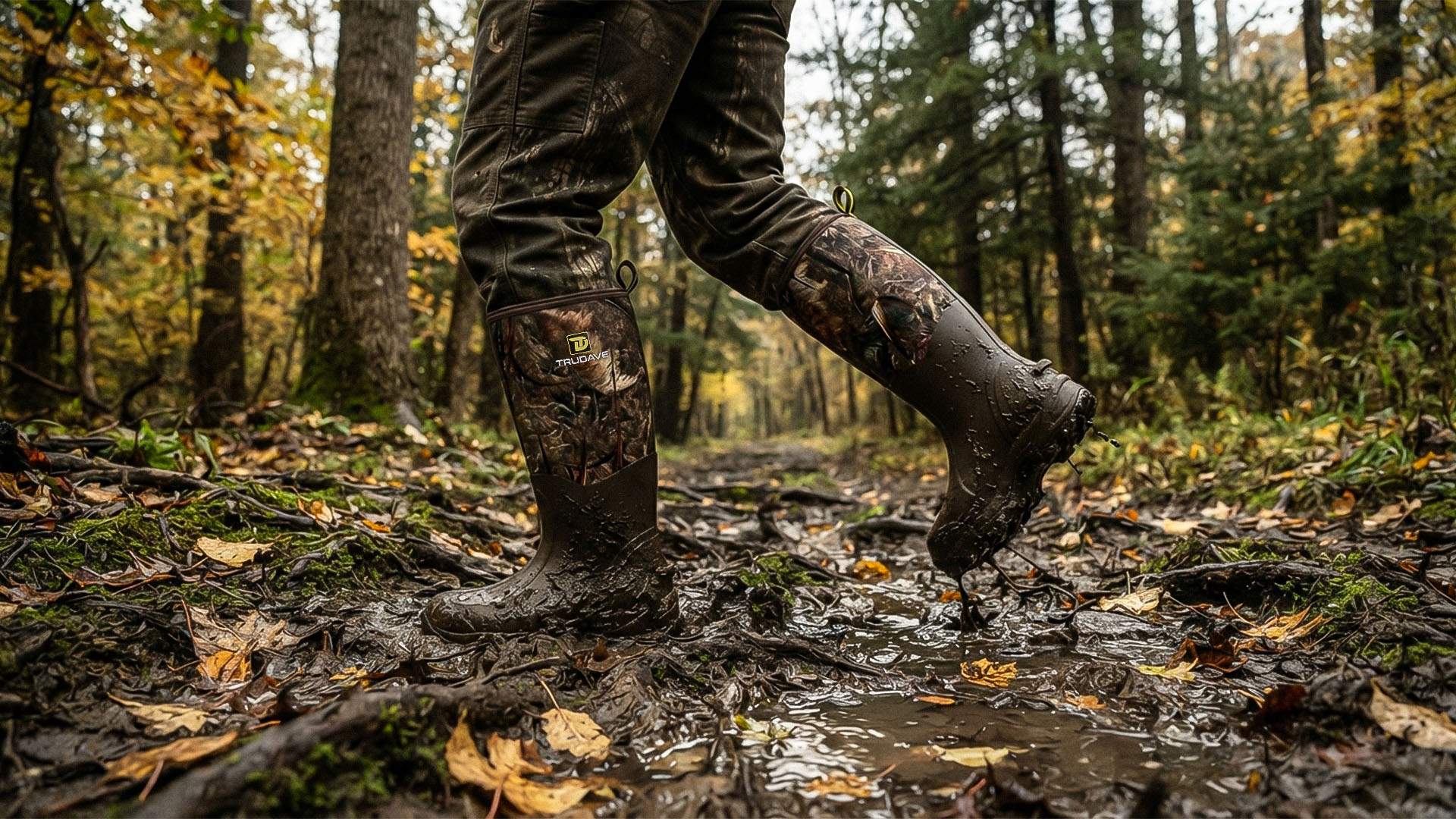
Hunters may benefit from waterproof hunting boots for pheasant hunting that provide secure heel retention, dependable traction, and enough waterproof protection for mixed agricultural terrain without becoming unnecessarily heavy.
Waterproofing Matters
Morning dew can soak footwear before the first bird flushes.
Wet Grass Transfers Huge Amounts of Water
Even when there has been no rain.
Mud Adds Another Challenge
Field edges can remain soft for days after precipitation.
Tall Rubber Boots Can Work Well in Wet Lowlands
They are useful around:
- Cattail edges
- Mud
- Shallow water
- Wet grass
But Long Grassland Walks May Favor Lace-Up Boots
Supportive waterproof footwear can provide:
- Better heel lock
- More precise fit
- Better long-distance comfort
Choose Boots for the Entire Hunt
Think about:
- Grass
- Stubble
- Mud
- Snow
- Distance
Secure Heel Fit Matters
Upland hunters walk constantly.
Small heel movement becomes a blister after miles.
Toe Room Matters Too
Downhill terrain may be limited, but long walking still swells feet.
Moderate Ankle Support Is Useful
Farm habitat may contain:
- Hidden holes
- Frozen ruts
- Ditches
Crop Stubble Can Be Rough
Hard stalks strike boots repeatedly.
Durable Toe Protection Helps
Gaiters Can Be Extremely Useful
They help keep:
- Snow
- Seeds
- Moisture
- Field debris
out of footwear.
Seeds Inside Socks Can Ruin Comfort
Stop and remove debris when necessary.
Late-Season Insulation Matters
Stationary blocking positions can become cold.
But Too Much Insulation Can Cause Sweat
Constant walking generates substantial heat.
Match Insulation to Activity
Think about how much of the day involves:
- Walking
- Standing
Sweaty Feet Become Cold Later
Moisture management matters.
Carry Spare Socks
Especially during:
- Snow
- Wet grass
- Slushy weather
Winter Fields Can Become Slushy
Sun can melt snow on top of frozen soil.
Water may sit on the surface.
Afternoon Conditions Can Be Wetter Than Morning
Plan footwear accordingly.
Frozen Ruts Are Dangerous
Farm equipment creates deep grooves before freeze-up.
Snow Can Hide Them
Walk carefully.
Ditches Are Another Hazard
Roadside and field drainage may be much deeper than expected.
Do Not Jump Blindly Into Grass
Scout crossings.
Culverts May Provide Easier Access
Use them only where legal and safe.
Private Agricultural Land Requires Permission
Much high-quality pheasant habitat occurs on:
- Farms
- Ranches
- Conservation ground
Ask Exactly Where You Can Hunt
Do not assume access covers every neighboring field.
Property Boundaries Can Be Subtle
A fence line may separate:
- Different owners
- Different permissions
Birds Do Not Respect Property Lines
Hunters must.
Discuss Recovery Before Hunting Edges
Know what to do if a bird crosses the boundary.
Never Enter Neighboring Property Without Permission
Respect Standing Crops
Do not damage:
- Corn
- Grain
- Cover crops
Follow Landowner Instructions
Some areas may be off-limits despite appearing huntable.
Leave Gates As Directed
Livestock may share pheasant habitat.
Know Where Livestock Are
Tall grass can hide animals.
Never Shoot Toward Livestock
Farm Equipment Can Be Hidden
Machinery may sit behind:
- Shelterbelts
- Tall corn
- Terrain
Scout the Background
Public Walk-In Areas Can Be Excellent
Many pheasant regions provide access programs.
But Rules Vary
Individual properties may regulate:
- Parking
- Hunting dates
- Access boundaries
Stay Within Posted Areas
Do not assume adjacent cover is included.
Public Pressure Changes Birds
Heavily hunted pheasants become:
- Better runners
- More cover-oriented
- More likely to use edges
Late-Season Birds Are Educated
They may leave cover as soon as vehicles stop.
Avoid Noisy Access
Close:
- Doors
- Tailgates
quietly.
Walk From Farther Away When Practical
A silent approach can matter.
Roadside Birds May Run Before Hunters Enter
Think about where they will escape.
Blockers Can Be Useful With Groups
Where legal and safely organized, hunters may position others near likely exits.
Communication Is Essential
Everyone must know:
- Positions
- Safe shooting zones
- Direction of movement
Never Push Birds Toward Roads or Buildings
Plan the hunt first.
Do Not Let Blockers Disappear From View Without Communication
Tall grass and terrain create confusion.
Safety Comes Before the Flush
Walking Lines Need Discipline
Hunters should remain approximately aligned.
One Person Far Ahead Creates Unsafe Angles
Slow down and reorganize.
Birds Often Flush Behind Hunters
Pheasants may hold until danger passes.
Look Back Carefully
But never swing through partners.
Pick One Bird
Multiple roosters can flush simultaneously.
Do Not Shoot Into a Group
Target discipline improves safety and recovery.
Recovery Can Be Difficult
A pheasant can disappear in:
- Tall grass
- Cattails
- Snow
- Crop residue
Watch Every Bird to the Ground
Do not immediately focus on another flush.
Mark the Location
Use:
- Fence post
- Cattail point
- Tree
- Corn row
- Field corner
Use More Than One Landmark
Flat fields can make distance deceptive.
Dogs Greatly Improve Recovery
Allow the dog to work the fall zone.
Do Not Trample the Area Immediately
This can spread scent and make recovery harder.
Without a Dog, Search Methodically
Use:
- Parallel passes
- Expanding circles
Check Heavy Cover First
A wounded bird may run toward:
- Cattails
- Brush
- Thick grass
Snow Can Help Recovery
Tracks may reveal movement.
But Wind Can Fill Tracks Quickly
Begin searching promptly.
Ethical Shot Selection Includes Recovery
Do not take marginal opportunities toward:
- Dense inaccessible cover
- Property boundaries
- Roads
Pheasant Regulations Vary
Before hunting, verify current official:
- Season dates
- Daily bag limits
- Possession limits
- Sex restrictions
- License requirements
- Shooting hours
- Public-land regulations
Some Areas Allow Roosters Only
Others may have different structures.
Never Assume Rules Are the Same Across States
Public Properties May Have Additional Requirements
Check the exact area.
Non-Toxic Ammunition May Be Required on Some Lands
Verify current property rules.
Hunter-Orange Requirements May Apply
Follow current regulations.
Do Not Use Last Year’s Rulebook
Regulations can change.
Habitat Conservation Is Central to Pheasant Populations
Pheasants depend heavily on:
- Grasslands
- Wetland edges
- Winter cover
- Agricultural habitat diversity
Large Uniform Crop Landscapes Provide Less Security
Conservation grass can be extremely valuable.
Protect Cattail Wetlands
Do not damage sensitive wetland habitat unnecessarily.
Stay on Authorized Vehicle Routes
Driving through grass cover destroys habitat.
Pick Up All Trash
Remove:
- Food packaging
- Dog supplies
- Equipment debris
Keep Access Areas Clean
Landowner goodwill matters.
Common Ring-Necked Pheasant Hunting Mistakes
Treating Every Grass Field as Equal
Food, winter cover, and edge habitat create major differences.
Walking Too Fast
Pheasants often run ahead of hunters.
Ignoring Cattails Late in the Season
Severe weather can concentrate birds there.
Hunting Only the Middle of Fields
Transitions and corners can be better.
Letting Dogs Range Too Far
Roads and property boundaries create hazards.
Wearing Poorly Fitting Boots
Constant walking exposes heel slip quickly.
Underestimating Wet Grass
Dew alone can soak non-waterproof footwear.
Assuming Pheasant Regulations Are the Same Everywhere
Always verify current local rules.
Frequently Asked Questions
Where do ring-necked pheasants usually live?
Ring-necked pheasants commonly use grasslands, CRP fields, agricultural edges, crop stubble, cattail wetlands, shelterbelts, fence lines, and other habitats that combine food with secure cover.
Are CRP fields good for pheasant hunting?
Yes. CRP grasslands can provide excellent nesting, roosting, feeding, and security habitat, especially when they are close to crops and winter cover.
Are cattails good for late-season pheasant hunting?
They can be excellent. Dense cattails provide protection from wind and snow, making them especially valuable during severe winter conditions.
Does snow help pheasant hunting?
Fresh snow can reveal tracks, feeding routes, and areas where birds are concentrated, although deep snow can make hunter movement more difficult.
What boots are best for pheasant hunting?
Waterproof hunting boots with secure heel fit, reliable traction on wet grass, mud, frozen ground, and snow, plus enough comfort for long field walks are practical.
Are rubber boots good for pheasant hunting?
Tall rubber boots work well around wet cattails, mud, and shallow water. Longer grassland hunts may be more comfortable in supportive waterproof lace-up boots.
Can dogs help with pheasant hunting?
Yes. Pointing and flushing dogs are extremely useful for locating running or tightly holding birds and recovering downed pheasants, but hunters should manage roads, fences, paw condition, heat, cold, and hydration carefully.
Do pheasant hunting regulations vary?
Yes. Seasons, bag limits, possession limits, sex restrictions, licensing, shooting hours, ammunition requirements, and public-land rules vary by jurisdiction. Hunters should verify current official regulations before hunting.
Final Thoughts
Ring-necked pheasant hunting teaches hunters that the biggest field is not always the best field.
One CRP corner provides thick grass.
One corn edge provides food.
One cattail slough blocks the winter wind.
One shelterbelt gives birds a place to survive a snowstorm.
One narrow strip where all of those habitats meet can hold more pheasants than hundreds of acres of uniform ground.
Hunt the transitions.
Walk slower.
Watch the dog.
Check cattails when the weather turns bad.
Read fresh snow.
Respect fences, roads, crops, livestock, landowners, and property boundaries.
Wear boots that let you cross dew-soaked grass, muddy field edges, frozen ruts, crop stubble, snow, cattail margins, and miles of agricultural country without making wet feet, poor traction, or blisters the reason the hunt ends early.
And when a late-season rooster explodes from a tiny cattail patch after miles of empty-looking grass, remember the lesson.
Pheasants do not need every acre to be perfect.
They need food nearby, enough cover to disappear, and one protected place to survive the weather.
Find where those pieces meet.
That is where the birds are.
