Atlantic brant country looks simple from a distance.
A broad bay stretches toward the horizon.
Salt marsh grass forms low islands.
Mud flats appear as the tide drops.
Shallow channels weave between banks of spartina.
A few dark geese sit on the water.
Then the tide changes.
The flats disappear.
Birds lift from one shoreline.
Another flock crosses the bay.
Several groups begin feeding along a narrow strip of submerged vegetation that was invisible an hour earlier.
That is coastal brant hunting.
The birds are constantly responding to:
- Tide
- Wind
- Food
- Water depth
- Disturbance
- Coastal weather
The same bay can hunt completely differently at:
- Low tide
- Rising tide
- High tide
- Falling tide
Successful hunters learn that the tide is not simply background information.
It is part of the habitat.
Atlantic Brant Are Coastal Geese
Brant are strongly associated with coastal environments during much of their wintering period.
Productive habitat may include:
- Tidal bays
- Salt marshes
- Estuaries
- Mud flats
- Shallow coastal water
- Eelgrass beds
- Marsh islands
They behave differently from many agricultural geese.
Instead of relying primarily on inland grain fields, brant often stay closely connected to marine and estuarine food.
Food Is the First Major Clue
Coastal vegetation can strongly influence where brant spend time.
Depending on location and season, birds may feed around:
- Eelgrass
- Sea lettuce
- Salt-marsh vegetation
- Other aquatic plants
The best-looking bay is not automatically the best feeding bay.
Current food matters.
Eelgrass Can Be Extremely Important
Where healthy eelgrass beds exist, brant may return repeatedly to shallow feeding zones.
Look for:
- Birds tipping
- Repeated flock use
- Concentrated feeding movement
Submerged Food Is Hard to See From Shore
A bay that looks empty of vegetation from a distance may contain productive underwater feeding habitat.
Bird behavior often reveals it first.
Watch Where Birds Spend Time
Do not simply note that brant are “in the bay.”
Record whether they are using:
- One shoreline
- One shallow flat
- One tidal creek mouth
- One eelgrass edge
Repeated Use Matters
If flock after flock returns to the same strip of water, there is probably a reason.
Tide Controls Access to Food
This is one of the defining features of brant hunting.
Water depth changes constantly.
A feeding area may be perfect during one portion of the tide and too deep several hours later.
Low Tide Can Expose Mud Flats
As water falls, birds may move toward:
- Shallow channels
- Remaining pools
- Exposed vegetation edges
Falling Tide Can Concentrate Birds
Usable feeding water may shrink.
This can make movement more predictable.
Rising Tide Opens New Habitat
As water returns, brant may follow the shoreline inward.
Previously exposed flats become feeding areas again.
High Tide Can Scatter Birds
When water covers a large area, birds may spread across more habitat.
Tide Timing Matters More Than Clock Time
A productive 8 a.m. spot today may not behave the same way tomorrow if the tide occurs at a different time.
Learn the Tide Cycle
Before hunting, understand:
- Low tide
- High tide
- Rising period
- Falling period
Wind Can Alter Expected Water Levels
Strong coastal wind may push additional water into a bay.
That means actual water depth can differ from the tide prediction.
Offshore Wind Can Reduce Water
This may expose more mud than expected.
Onshore Wind Can Flood Marsh Edges
A safe walking route at normal tide may become deeper.
Never Rely on Tide Tables Alone
Use current weather and local observation too.
Salt Marsh Edges Are Important
Brant may travel along the boundary between:
- Open bay
- Marsh grass
- Shallow mud
These edges help organize movement.
Marsh Points Can Influence Flight
A low point extending into the bay may create a natural travel line.
Creek Mouths Can Be Productive
Tidal creeks connect:
- Interior marsh
- Main bay
Birds may use these areas as water levels change.
Small Creeks Can Matter
Do not focus only on major channels.
A narrow drainage can create a productive feeding edge.
Mud Flats Can Look Empty Until the Tide Changes
One hour may show only wet mud.
The next may bring birds back into shallow water.
Patience Matters
Do not abandon good habitat because birds are absent during the wrong tide stage.
Brant Movement Can Be Highly Local
A flock may fly only a short distance between:
- Feeding flat
- Resting water
- Marsh edge
Watch the Entire Cycle
Where birds go after leaving one area tells you where they may return.
Morning Is Not Always the Main Flight
Tide can produce stronger movement at:
- Midday
- Afternoon
depending on conditions.
Hunt the Tide, Not Just Sunrise
This is very different from many traditional waterfowl hunts.
Wind Direction Changes Approach
Brant, like other geese, use wind when landing.
A good setup works with:
- Wind direction
- Flight lane
- Water depth
Crosswinds Can Shift the Best Position
Birds may approach one side of the bay instead of the center.
Strong Wind Can Lower Birds
But it can also create:
- Rough water
- Dangerous boating
- Cold exposure
Calm Conditions Can Be Difficult
Birds may have more time to inspect an area.
Hunter movement becomes easier to detect.
Coastal Wind Is Relentless
Open bays provide almost no protection.
Windproof Clothing Is Essential
Even moderate temperatures can feel much colder.
Salt Spray Adds Moisture
Hunters can become wet without rain.
Rain Changes the Hunt
Coastal storms can alter:
- Water level
- Visibility
- Bird movement
Brant Hunting After Rain May Change Quickly
Freshwater runoff and wind may alter where birds feed or rest.
Heavy Rain Makes Marsh Access More Difficult
Salt-marsh mud becomes softer.
Boat ramps become slick.
Fog Can Be a Major Problem
Coastal fog can reduce visibility dramatically.
Do Not Depend on Distant Shoreline Landmarks
They may disappear completely.
Navigation Matters
Use reliable:
- Offline maps
- GPS
- Marine navigation where appropriate
Mark the Launch or Access Point
A marsh looks very different from the water.
Tidal Channels Can Be Confusing
Many look almost identical.
Low Tide Can Strand Boats
A channel navigable at high tide may become:
- Mud
- Shallow water
- Impassable
later.
Plan the Return Before Launching
Ask:
Will this route still contain enough water?
Boat Access Can Be Extremely Useful
Many brant habitats are easier to reach by boat.
Small Boats Require Conservative Loading
Hunters may carry:
- Decoys
- Waders
- Cold-weather gear
- Dogs
Weight adds quickly.
Respect Boat Capacity
Do not overload.
Cold Water Changes the Consequences
A fall into coastal water during winter can become serious quickly.
Wear Appropriate Flotation Equipment
Boat safety should not disappear because the water looks shallow.
Shallow Bays Still Contain Channels
A broad flat may include unexpectedly deep cuts.
Do Not Walk Blindly Across Tidal Water
One step may be knee deep.
The next may be waist deep.
Waders Do Not Make Deep Water Safe
They keep clothing dry.
They do not replace:
- Flotation
- Good judgment
- Route knowledge
Tidal Current Can Be Strong
Creek mouths may move more water than expected.
Avoid Crossing Fast Channels on Foot
Find a safer route.
Salt-Marsh Mud Can Be Extremely Deep
Mud may appear firm until body weight is applied.
Test the Bottom
A wading staff can help evaluate:
- Depth
- Firmness
- Channel edges
Mud Suction Is Exhausting
Each step may require substantial effort.
Do Not Fight Mud Aggressively
Shift weight gradually.
Losing Balance in Waders Creates Additional Risk
Move slowly.
Spartina Can Hide Holes
Salt-marsh grass often grows over uneven ground.
Creek Cuts Can Be Invisible
Vegetation may cover the edge completely.
Never Run Across Unknown Marsh
A bird is not worth a serious fall.
Marsh Islands Can Offer Firm Ground
Slightly elevated spots may provide:
- Rest
- Setup locations
- Better visibility
But Islands Can Flood
A dry location at low tide may disappear later.
Know the Maximum Water Level
Before leaving gear unattended.
Brant Hunting Is Hard on Footwear
A typical hunt may involve:
- Salt-marsh mud
- Wet grass
- Boat ramps
- Shallow water
- Tidal creeks
- Cold shoreline
- Long equipment carries
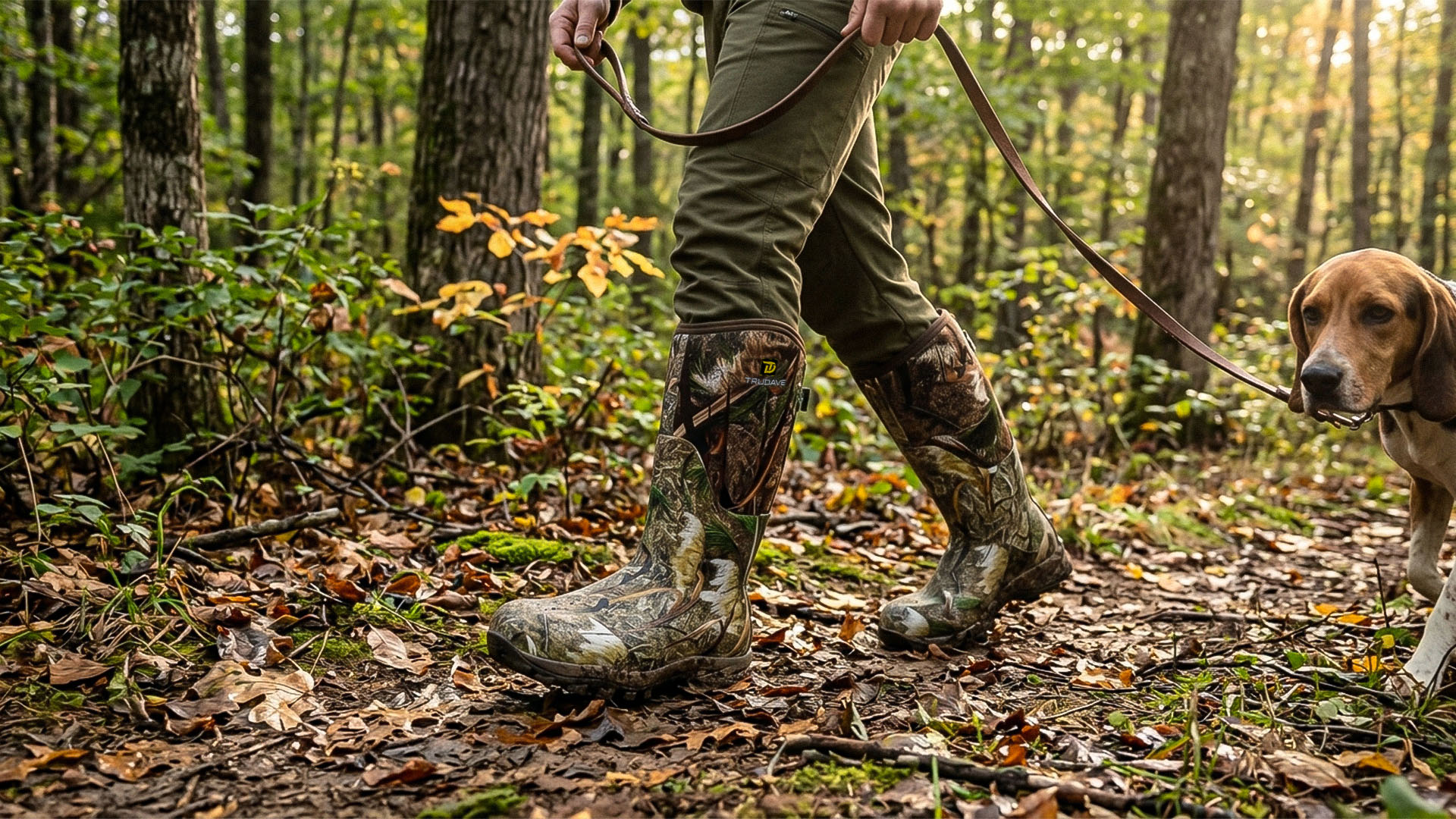
Hunters may benefit from waterproof hunting boots for coastal waterfowl hunting that provide secure heel retention, strong mud traction, and enough waterproof protection for repeated exposure to wet coastal terrain.
Tall Rubber Boots Can Be Excellent
Where water remains below boot height, rubber hunting boots handle:
- Mud
- Wet grass
- Shallow tidal water
very well.
Secure Fit Matters
Mud suction can pull loose boots nearly off the foot.
Heel Movement Creates Fatigue
Especially during long walks across marsh.
Boot Height Matters
One hidden tidal cut can fill a shorter boot immediately.
Traction Is Critical
Coastal mud can be extremely slick.
Boat Ramps Add Another Surface
Wet:
- Concrete
- Wood
- Algae
can become dangerously slippery.
Walk Carefully at Launches
Many falls occur before the hunt even starts.
Lace-Up Waterproof Boots Can Work on Firmer Shore Access
If most walking involves:
- Dikes
- Roads
- Dry marsh islands
supportive waterproof lace-ups may improve comfort.
Choose Boots for the Entire Route
Think about:
- Parking
- Boat ramp
- Marsh
- Mud
- Water depth
together.
Waders Are Often Useful
Where hunters need to enter water above normal boot height, properly fitted hunting waders can provide necessary protection.
Wader Fit Matters
Oversized waders can reduce walking control.
Use Wader Belts as Directed
Follow manufacturer safety guidance.
Waders Are Not Flotation Devices
This cannot be emphasized enough.
Cold Water Requires Extra Caution
A shallow bay can still create dangerous exposure.
Insulation Matters in Winter
Coastal waterfowl hunts often involve long stationary periods.
But Too Much Insulation Can Cause Sweat
Walking through marsh mud generates substantial heat.
Vent Before Overheating
Moisture trapped inside layers becomes a problem later.
Carry Spare Socks
A flooded boot or wader does not need to end the hunt if dry socks are available.
Protect Spare Clothing From Water
Use waterproof storage.
Gloves Get Wet Easily
Hunters handle:
- Decoys
- Boat lines
- Wet birds
- Anchor systems
Carry a Dry Backup Pair
This can dramatically improve comfort.
Saltwater Is Hard on Gear
Salt accelerates corrosion.
Clean Appropriate Equipment After the Hunt
Especially:
- Hardware
- Boat components
- Zippers
- Tools
according to manufacturer guidance.
Dogs Can Be Valuable
A trained retriever may help recover brant from shallow water.
Coastal Water Creates Dog Hazards
Potential issues include:
- Cold
- Current
- Deep channels
- Oyster shell
- Boat traffic
Oyster Shell Can Cut Paws
Where shell beds occur, check feet carefully.
Saltwater Is Not Drinking Water
Carry fresh water for dogs.
Do Not Let Dogs Depend on Bay Water
Salt ingestion can create serious problems.
Cold Wind Chills Wet Dogs Rapidly
Provide a dry protected resting area.
Boats Need Dog Space
Do not overload a small boat simply because a retriever fits physically.
Recovery Can Become Difficult
A downed brant may:
- Drift
- Swim
- Move with current
Watch Every Bird to the Water
Do not immediately look back at the flock.
Wind Can Move Birds Quickly
Mark direction immediately.
Current Can Carry Them Sideways
The final location may differ from the initial fall point.
Begin Recovery Promptly
Especially in moving tidal water.
Dogs Improve Recovery
But do not send a dog into unsafe:
- Current
- Ice
- Boat traffic
Without a Dog, Use Boat Position Carefully
Approach safely and maintain awareness of:
- Water depth
- Other hunters
Ethical Shot Selection Includes Recovery
A bird headed toward:
- Deep channel
- Unsafe current
- Closed refuge
may be a poor opportunity.
Salt Marsh Can Hide Other Hunters
Low islands and tall grass reduce visibility.
Establish Safe Shooting Zones
Before the hunt, everyone should know:
- Positions
- Safe directions
- No-shoot areas
Low Birds Require Discipline
Brant can fly close to the water.
Never shoot toward:
- Boats
- Dogs
- Shoreline homes
- Other hunters
Flat Water Is Not a Backstop
Know what lies beyond.
Coastal Areas Often Have Dense Human Use
Possible conflicts include:
- Fishing boats
- Kayaks
- Homes
- Marinas
Scout the Entire Area
Do not assume winter weather means nobody else is present.
Brant Identification Is Essential
Brant can occur around other goose species.
Hunters must identify the individual bird.
Study Body Size and Shape
Brant are relatively compact geese.
Neck Markings Help
Adult Atlantic brant show characteristic pale neck markings.
But Lighting Can Hide Details
Use several features.
Flight Style Can Support Identification
But should not replace visual confirmation.
Mixed Flocks Can Occur
Do not assume every bird in a group is the same species.
If Unsure, Do Not Shoot
Positive identification comes first.
Brant Are Migratory Game Birds
Their hunting opportunities can be tightly regulated.
Seasons May Be Short
In some jurisdictions, brant seasons can be more limited than general goose seasons.
Bag Limits Can Be Restrictive
Do not assume Canada goose or snow goose limits apply.
Special Zones May Exist
Coastal hunt areas may have:
- Specific seasons
- Special permits
- Closed sections
Verify Current Official Regulations
Before hunting, confirm:
- Open season
- Daily bag limit
- Possession limit
- Shooting hours
- License requirements
- Migratory bird requirements
- Non-toxic ammunition
- Property-specific restrictions
Do Not Use Last Year’s Rules
Brant management can change.
Public Coastal Areas May Add Restrictions
Wildlife refuges and management areas may regulate:
- Boats
- Entry
- Hunting days
- Zones
Refuge Boundaries Can Be Hard to See From Water
Use accurate maps.
Tidal Water Does Not Erase Property Rules
Know where hunting is legal.
Closed Sanctuary Water May Sit Beside Open Hunting Water
A few hundred yards can matter.
Do Not Drift Across Boundaries
Wind and tide can move a boat or blind.
Private Shorelines Require Respect
Coastal hunting may occur near privately owned land.
Do Not Assume Water Access Gives Shore Access
Know local laws.
Retrieval Across Private Ground Needs Permission Where Required
Plan beforehand.
Migration Changes Bird Numbers Quickly
A bay full of brant one week may become much quieter later.
Weather Can Accelerate Movement
Strong cold fronts may change distribution.
Food Availability Can Also Shift Birds
Declining aquatic vegetation may push them elsewhere.
Rescout Throughout the Season
Do not rely on early-season information.
Hunting Pressure Changes Behavior
Birds may begin avoiding:
- Common shoreline setups
- Busy boat traffic
- Frequently hunted flats
Quiet Bays Can Become More Important
But food still matters first.
Distance Alone Does Not Create Good Habitat
A remote empty bay is still empty.
Watch Bird Behavior
Repeated feeding tells you more than a famous location name.
Midday Can Be Productive
Tide may create excellent movement long after dawn.
Do Not Pack Up Automatically After Morning
Check:
- Tide
- Wind
- Current bird movement
Afternoon Hunts Can Make Sense
If the tide aligns with feeding habitat.
Sunset Access Requires Planning
Coastal navigation becomes much harder after dark.
Carry Reliable Lighting
Boat ramps, marsh creeks, and mud are difficult in darkness.
Carry Backup Light
Saltwater and cold are hard on electronics.
Fog After Dark Is Especially Difficult
Do not push unsafe navigation.
Common Atlantic Brant Hunting Mistakes
Hunting the Clock Instead of the Tide
Brant movement often follows water depth more than sunrise alone.
Ignoring Eelgrass and Aquatic Food
Open water is not all equally valuable.
Setting Up Without Watching Current Bird Use
Past patterns change.
Underestimating Tidal Channels
A shallow marsh can hide deep water.
Assuming Waders Make Water Safe
They do not.
Wearing Loose Boots in Salt-Marsh Mud
Mud suction makes poor fit exhausting.
Ignoring Coastal Wind
Wind affects birds, water levels, boats, and body temperature.
Using General Goose Regulations for Brant
Species-specific rules must be checked.
Frequently Asked Questions
Where do Atlantic brant usually live during winter?
Atlantic brant commonly use coastal bays, estuaries, salt marshes, tidal flats, shallow water, and areas containing suitable aquatic vegetation.
Why are eelgrass beds important for brant?
Eelgrass can provide an important coastal food source, making shallow bays containing healthy vegetation attractive feeding habitat.
Does tide affect brant hunting?
Yes. Tide changes water depth, feeding access, boat routes, mud exposure, and which parts of a bay birds can use efficiently.
Is brant hunting good at low tide?
It can be, depending on local food and water. Falling and low tides may concentrate birds around remaining shallow channels and exposed feeding edges.
What boots are best for coastal brant hunting?
Waterproof hunting boots with secure heel fit and strong traction in salt-marsh mud, wet grass, and slippery shoreline access are practical. Tall rubber boots can work especially well where water remains below boot height.
Are waders necessary for brant hunting?
Not always. Many shoreline and marsh hunts can be handled with tall waterproof boots, while deeper shallow-water setups may require properly fitted hunting waders.
Can dogs retrieve brant in coastal water?
Yes, trained retrievers can be valuable, but cold water, tidal current, oyster shell, saltwater ingestion, and boat traffic require careful management.
Do brant hunting regulations vary?
Yes. Seasons, bag limits, possession limits, shooting hours, licenses, migratory bird requirements, public-area rules, and species-specific restrictions can vary substantially. Hunters should verify current official regulations before hunting.
Final Thoughts
Atlantic brant hunting teaches hunters that coastal habitat is never static.
One eelgrass bed provides food.
One tidal creek concentrates birds.
One falling tide exposes a feeding edge.
One wind direction changes the landing approach.
One marsh island provides concealment.
A few hours later, the entire system looks different.
Learn the tide.
Watch the birds.
Find the food.
Study wind.
Respect coastal current.
Plan the boat route before the water disappears.
Know refuge and property boundaries.
Wear boots that let you cross salt-marsh mud, wet grass, shallow tidal water, slippery ramps, estuary edges, and miles of coastal terrain without making soaked feet, mud suction, or poor traction the reason the hunt ends early.
Use properly fitted waders when water depth actually requires them.
And when a flock of brant ignores miles of apparently identical shoreline and drops into one shallow bay just as the tide reaches the eelgrass, remember the lesson.
They are not choosing random water.
They are following a moving intersection of food, depth, tide, wind, and security.
That intersection is the hunt.
