
Nilgai country can fool a hunter from the road.
The land looks flat.
Grass stretches between patches of mesquite.
Prickly pear covers the lower ground.
Thorny brush hides the edges of long ranch roads.
A shallow drainage disappears into coastal prairie.
An animal as large as a nilgai should be easy to see.
It often is not.
A mature bull can step behind one narrow strip of brush and disappear completely.
A group feeding in open grass may vanish into mesquite within seconds.
That is South Texas nilgai hunting.
The animals are large.
The country is larger.
And the brush is much better at hiding them than hunters expect.
Successful hunters learn to connect:
- Grass
- Brush
- Water
- Coastal prairie
- Ranch roads
- Drainages
- Shade
- Fresh tracks
- Weather
The goal is not to search every acre.
The goal is to identify which part of the landscape nilgai are using today.
Nilgai Are Different From Native Texas Game
Nilgai are introduced animals originally native to South Asia.
They are often called:
- Nilgai
- Nilgai antelope
- Blue bulls
Mature males develop a darker gray or blue-gray appearance.
Females are generally lighter brown.
They behave differently from:
- White-tailed deer
- Pronghorn
- Axis deer
- Feral hogs
Hunters should not assume strategies for native deer will automatically work the same way.
South Texas Is Classic Nilgai Country
Productive habitat can include:
- Coastal prairie
- Mesquite flats
- Thornscrub
- Grassland
- Ranch pasture
- Brush edges
- Seasonal drainages
- Water sources
The strongest habitat usually combines several of these features.
Start With Habitat Transitions
Huge blocks of uniform brush can be difficult to hunt.
Look for places where:
- Brush meets grass
- Prairie meets mesquite
- Drainage meets open pasture
- Ranch road crosses cover
Transitions provide both food and security.
Brush-to-Grass Edges Can Be Productive
Nilgai may move from thick cover into open feeding areas.
An edge allows them to remain close to security.
These locations are also easier for hunters to glass.
Coastal Prairie Offers Visibility
Open grass gives hunters one major advantage.
You can use optics.
Glass before walking.
A few minutes behind binoculars can save several miles.
Look for Animals Along Cover Edges
Large animals do not always stand in the center of an open field.
Search:
- Brush islands
- Mesquite edges
- Drainage lines
- Shaded borders
Mature Bulls Can Blend Into Shadow
Their darker coloration can disappear against:
- Mesquite
- Brush
- Deep shade
Look for movement rather than color alone.
Search for Partial Animals
You may first see:
- Ear
- Shoulder
- Horn
- Leg
- Back line
before recognizing the entire animal.
Glass Slowly
A nilgai standing still can resemble:
- Brush
- Shadow
- Dark stump
A single step may reveal it.
Repeat Your Scan
Do not glass once and immediately move.
An animal may:
- Step out
- Stand up
- Change position
after several minutes.
Morning Light Can Help
Low sunlight creates stronger contrast.
Animals feeding in open prairie may be easier to detect.
Evening Can Produce Similar Movement
As temperature falls, nilgai may move toward more open feeding habitat.
Midday Is Not Automatically Dead
Warm conditions may push animals into shade.
Instead of random walking, glass:
- Mesquite edges
- Dense brush
- Drainage shade
carefully.
Heat Shapes South Texas Hunting
South Texas can remain warm during much of the hunting year.
High temperature influences both:
- Hunter endurance
- Animal movement
Shade Becomes Habitat
Look for:
- Mesquite groves
- Dense brush
- Tree lines
- Creek bottoms
during hotter periods.
Water Can Become More Important During Dry Conditions
Reliable water may help narrow a huge property.
Possible sources include:
- Stock tanks
- Ranch ponds
- Seasonal water holes
- Wet drainages
Do Not Hunt Only the Water
Animals may visit briefly.
The travel route between:
- Water
- Feeding area
- Security cover
may be more predictable.
Mud Around Water Shows Activity
Soft ground may preserve:
- Tracks
- Crossing trails
- Direction of movement
Ranch Roads Are Excellent Tracking Surfaces
South Texas roads can reveal current movement after rain.
Check:
- Muddy sections
- Gate openings
- Drainage crossings
- Road intersections
One Track Is a Clue
Several fresh tracks in one area are a pattern.
Slow down.
Track Direction Matters
Ask whether animals are moving toward:
- Coastal grass
- Thick brush
- Water
- Bedding cover
Direction helps make a large ranch smaller.
Old Tracks Can Mislead
Dry South Texas soil may preserve tracks for a long time.
Freshness matters.
Rain Creates Better Tracking Conditions
After a storm, new mud can reveal current movement clearly.
This makes nilgai hunting after rain especially useful for scouting.
Rain Resets the Ground
Older tracks become:
- Softened
- Washed
- Less distinct
New tracks appear sharper.
Check Ranch Roads Soon After Rain
Fresh crossings may point directly toward an active pasture or drainage.
Rain Also Changes Forage
Fresh moisture can produce:
- Greener grass
- New vegetation
- Temporary water
Animals may shift accordingly.
Do Not Hunt Last Month’s Pattern Automatically
South Texas habitat can change quickly after rain.
Rescout.
Mud Can Create Serious Access Problems
A dry ranch road can become nearly impassable after a storm.
Clay can become:
- Slick
- Sticky
- Deep
Do Not Damage Ranch Roads
If conditions are poor:
Park.
Walk.
Landowner relationships matter more than convenience.
Mud Adds Weight to Boots
Sticky soil can build up on tread.
Each step becomes heavier.
Clean Tread When Necessary
Packed mud reduces traction.
Drainages Can Hide Large Animals
South Texas looks flat from a distance.
At ground level, small drainages can completely hide a nilgai.
Use Low Ground for Approaches
A shallow depression may conceal much of a stalk.
Small Terrain Features Matter
Look for:
- Swales
- Creek beds
- Low ridges
- Road cuts
These features create cover without trees.
Stay Below Ridge Lines
A hunter standing on top of even a small rise can be easy to detect.
Do Not Leave Terrain Cover Too Early
Use the drainage or ridge until the final part of the approach.
Mesquite Provides More Cover Than It Appears To
From a distance, mesquite may look thin.
At animal level, several trees can create a complete visual barrier.
Mesquite Edges Deserve Attention
They combine:
- Shade
- Security
- Nearby grass
Thornscrub Can Become Nearly Impenetrable
Dense brush may contain:
- Mesquite
- thorny shrubs
- cactus
Do not force through every patch.
Hunt the Edges
The best route may be around the brush rather than through it.
Look for:
- Roads
- grass lanes
- drainage openings
Prickly Pear Is a Constant Hazard
South Texas hunting frequently means cactus.
Watch where you:
- Step
- Kneel
- Sit
Grass Can Hide Cactus
A patch of green grass may contain prickly pear underneath.
Move carefully.
Durable Pants Help
Light fabric can be damaged quickly by:
- cactus
- thorns
- brush
Gloves Can Be Useful
Light gloves reduce scratches while moving around:
- mesquite
- fences
- dense vegetation
Eye Protection Can Help
Low branches can strike the face when hunters focus too much on distant animals.
Wind Is Critical
Large animals still rely heavily on scent.
A perfect stalk can fail if the wind carries human odor toward the herd.
Check Wind Repeatedly
Do not rely on one reading at the truck.
Brush Can Change Airflow
Open prairie may have stable wind.
Mesquite and drainage systems can create local turbulence.
Heat Can Create Changing Thermals
As the ground warms, air movement may become more complex.
Long Stalks Need Multiple Wind Checks
Conditions at the beginning may be different by the final hundred yards.
Crosswinds Can Be Useful
Sometimes a crosswind provides a better terrain route than trying to move directly upwind.
Use Terrain and Wind Together
The best route is one that provides:
- Visual cover
- Favorable scent direction
Nilgai Can Move Long Distances
A group seen in one pasture may not remain there all day.
Do Not Anchor Yourself to an Old Sighting
Use current:
- Tracks
- Feeding sign
- Glassing
to relocate them.
Fresh Sign Beats Reputation
A famous pasture with no recent activity is less useful than an overlooked drainage full of fresh tracks.
Grass Condition Matters
Nilgai may use open grazing habitat extensively.
When grass quality changes, movement can change.
Recent Rain Can Spread Animals
New green forage may appear across more of the property.
Drought Can Concentrate Use
During dry conditions, better grass and water can become more valuable.
Watch Current Feeding Areas
Look for groups spending repeated time in:
- Prairie
- Pasture
- Short grass openings
Agricultural Edges Can Matter
Where ranch habitat meets improved pasture or other agricultural areas, animals may use these food resources.
Private Land Access Is Central
Much South Texas hunting occurs on private ranches.
Clarify:
- Hunting area
- Roads
- Gates
- Vehicle access
- Retrieval
before the hunt.
Permission Does Not Automatically Mean Unlimited Vehicle Access
Ask where vehicles are allowed.
Leave Gates As Directed
Working ranches depend on correct livestock management.
Cattle Share Nilgai Habitat
Never assume dense brush is empty behind the target.
Know the Background
South Texas ranches may contain:
- Cattle
- Horses
- Ranch workers
- Vehicles
- Buildings
Brush Is Not a Backstop
Never take an unsafe opportunity through vegetation.
Nilgai Are Large Animals
Their size creates an important recovery challenge.
Think About Recovery Before the Stalk
Ask:
If the animal is harvested there, how does it return?
Deep Brush Makes Recovery Harder
An animal entering thornscrub can become difficult to relocate.
Mark the Last Known Location
Use several landmarks such as:
- Road
- Fence corner
- Mesquite
- Water tank
- Drainage
One Bush Is Not Enough
South Texas brush repeats visually.
Use multiple references.
GPS Marks Can Help
Save the location before leaving a good observation point.
Recovery in Heat Is Time-Sensitive
Warm conditions increase the importance of prompt game care.
Prepare Cooling Before Hunting
Have a plan for:
- Ice
- Cooler space
- Vehicle access
- Processing
Direct Sun Adds Heat Quickly
Move harvested game toward cooling promptly.
Humidity and Heat Can Slow Cooling
Do not rely on shade alone.
Keep Meat Clean
South Texas environments may contain:
- Dust
- Mud
- Insects
Use clean handling practices.
Nilgai Hunting Is a Serious Footwear Test
A typical hunt may involve:
- Dry grass
- Thorny brush
- Cactus
- Sandy ranch roads
- Sticky mud
- Wet prairie
- Drainage crossings
- Long walks
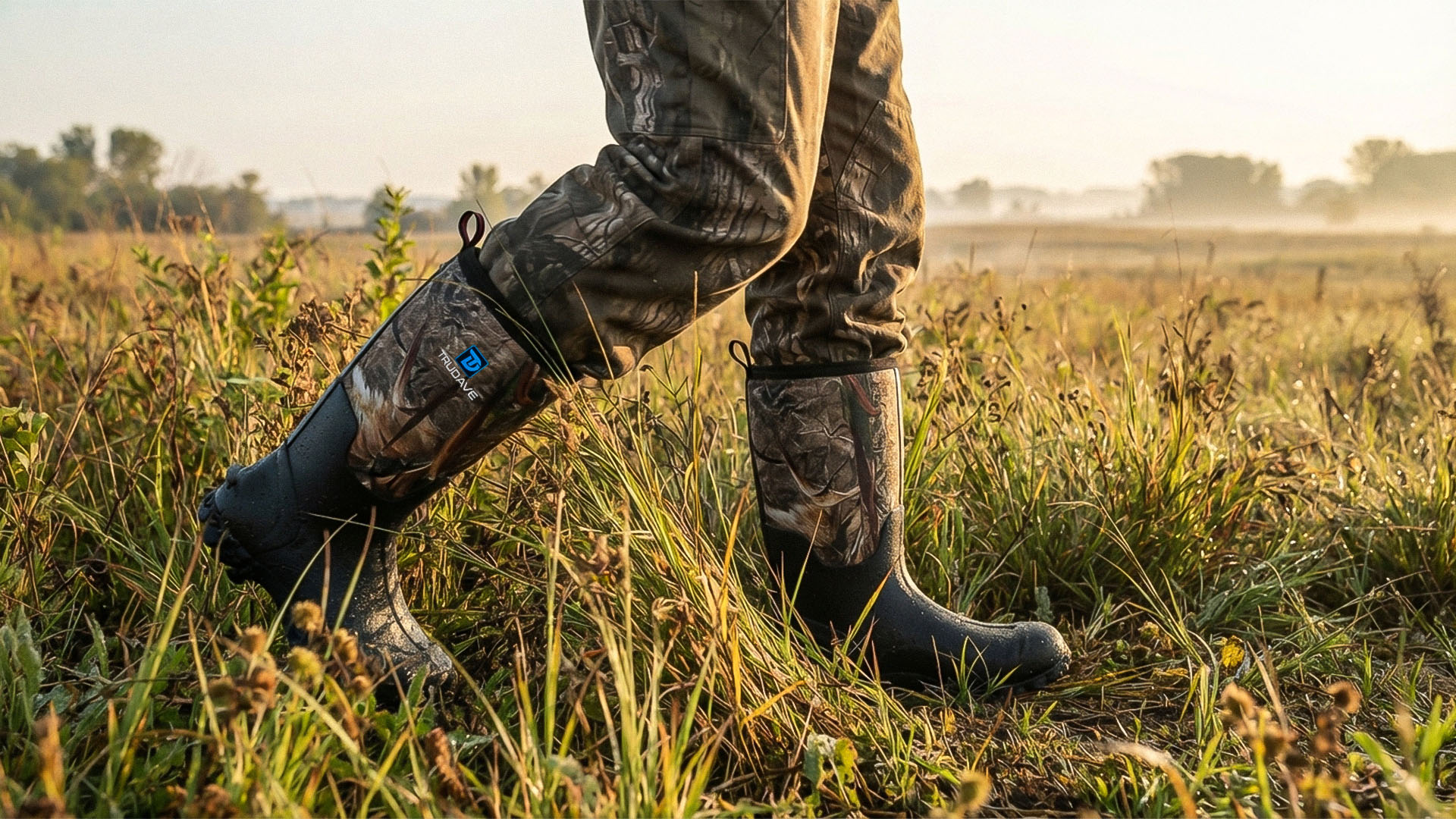
Hunters may benefit from waterproof hunting boots for South Texas hunting that provide secure heel retention, dependable mud traction, and enough protection for thorny ranch terrain without becoming unnecessarily heavy or hot.
Lightweight Boots Can Reduce Fatigue
Long walks and high temperature make excessive weight noticeable.
But Extremely Soft Footwear Can Be a Problem
South Texas ground may contain:
- Cactus
- Rock
- Roots
- thorny debris
Some protection is necessary.
Waterproofing Still Matters
Warm climates still experience:
- Rain
- Wet grass
- Mud
- Shallow water
Breathability Is Important
Do not automatically choose heavily insulated cold-weather boots.
Match Insulation to Conditions
Warm South Texas hunts may require little insulation.
Secure Heel Fit Matters
Mud suction and long walking create heel movement.
Poor fit leads to:
- Hot spots
- Blisters
Toe Protection Helps
Cactus and hidden rock can punish lightweight footwear.
Moderate Ankle Support Is Useful
Even flat ranches contain:
- Cattle holes
- Rooting
- Drainages
- uneven ground
Grass Hides Holes
Watch every step.
Gaiters Can Be Useful
They help keep:
- Seeds
- sand
- mud
- plant debris
out of boots.
Tall Rubber Boots Can Work in Wet Conditions
Where a hunt involves:
- Mud
- Wet grass
- Shallow water
rubber boots can be practical.
Rubber Boots Are Not Always Ideal for Long Dry Walks
Hot conditions and distance may favor supportive lightweight lace-up boots.
Choose Boots for the Whole Hunt
Consider:
- Weather
- Distance
- Mud
- Brush
- Temperature
together.
South Texas Heat Requires Serious Hydration
Carry enough drinking water.
Do not depend on:
- Stock tanks
- Ranch ponds
for safe drinking water.
Dry Wind Hides Fluid Loss
Hunters may dehydrate without realizing how much they are sweating.
Drink Regularly
Do not wait until severe thirst begins.
Heat Can Make Recovery Harder Than Hunting
A successful hunt creates:
- Additional weight
- Physical effort
- Time pressure
Save Energy
Do not spend the entire morning walking random brush.
Use optics first.
Early Starts Can Help
Cool morning conditions improve:
- Walking efficiency
- Glassing comfort
Midday Can Be Used for Scouting
When heat rises:
- Glass shade
- Check water
- Check road tracks
Evening Can Bring More Movement
Cooling conditions may pull animals toward open feeding habitat again.
Sun Protection Matters
Open prairie provides little continuous shade.
Use appropriate:
- Hat
- sunscreen
- clothing
Storms Can Arrive Quickly
South Texas weather can change rapidly.
Lightning Is Dangerous on Open Prairie
Move to safer conditions when storms approach.
Heavy Rain Can Flood Low Ground
Drainages may carry water even if they were dry earlier.
Do Not Park in Flood-Prone Areas
Choose higher ground when storms are possible.
Navigation Can Be Confusing on Large Ranches
Miles of similar:
- Roads
- Brush
- Gates
can become difficult to distinguish.
Offline Maps Are Useful
Download:
- Ranch boundaries
- Roads
- Water
- Terrain
where available and authorized.
Mark the Vehicle
A long stalk may end far from the original road.
Carry a Headlamp
Recovery can continue after sunset.
Carry Backup Lighting
Cactus and brush are difficult to navigate in darkness.
Move Slower at Night
Nighttime injuries can occur from:
- Cactus
- Holes
- Wire
Fences Require Attention
Old wire can hide inside grass.
Do Not Cross Fences Carelessly
Use designated access.
Fence Lines Can Show Movement
Tracks or trails may indicate regular crossings.
Do Not Damage Ranch Infrastructure
Never cut wire or alter gates.
Positive Identification Is Essential
South Texas may contain:
- Nilgai
- Whitetails
- Javelina
- Feral hogs
- Cattle
Mature Bulls Are Distinctive
But hunters should learn:
- Bulls
- Cows
- Juveniles
before entering the field.
Low Light Changes Color
Do not identify animals only by apparent coloration.
Use Several Features
Confirm:
- Body shape
- Size
- Markings
- Horn structure where applicable
Never Shoot at a Gray Shape in Brush
Wait for complete identification.
Exotic-Game Rules Can Differ From Native Deer Rules
Hunters should not assume:
- Deer seasons
- Deer limits
- Native-game tag structures
automatically apply to nilgai.
Verify Current Official Regulations
Before hunting, confirm:
- License requirements
- Property permission
- Legal hunting methods
- Shooting restrictions
- Public versus private land rules
- Local requirements
Ranch Rules Can Be More Restrictive
Private properties may establish their own:
- Harvest criteria
- Shooting areas
- Vehicle rules
- Guide requirements
Follow Ranch Instructions Exactly
Good access depends on trust.
Do Not Treat Public Roads as Hunting Access
Know where lawful hunting begins and ends.
Safe Shooting Background Is Critical
South Texas appears open until brush hides something important.
Never Shoot Toward:
- Cattle
- Roads
- Buildings
- Ranch workers
- Other hunters
Partner Communication Matters
Rolling brush can hide another hunter very quickly.
Establish Safe Areas Before Separating
Know:
- Who is where
- Which direction each person is moving
Recovery Should Be Methodical
If an animal moves into brush after the shot, do not immediately rush through the area.
Preserve Sign
Look for:
- Tracks
- Disturbed vegetation
- Blood where present
Rain Can Complicate Recovery
Heavy rain may wash away sign.
Dry Ground Can Also Be Difficult
Hard soil may show very little.
Look for Soft Pockets
Check:
- Mud
- Sandy road edges
- drainage soil
for tracks.
Common Nilgai Hunting Mistakes
Walking Huge Ranches Before Glassing
Use optics to narrow the search first.
Treating All South Texas Brush as Equal
Grass, water, edges, and current sign create important differences.
Ignoring Ranch-Road Tracks
Fresh mud can reveal current travel.
Hunting Only Dense Brush
Open prairie and brush transitions may be equally important.
Underestimating Wind
Nilgai can detect hunter scent before hunters ever see them.
Wearing Heavy Cold-Weather Boots
South Texas often rewards lighter waterproof footwear.
Ignoring Mud After Rain
A dry ranch can become difficult very quickly.
Failing to Plan Recovery
A large animal in hot brush country creates a serious logistical challenge.
Frequently Asked Questions
Where do nilgai live in Texas?
Nilgai are strongly associated with South Texas ranch landscapes containing grassland, coastal prairie, mesquite, brush, water sources, and open flat-to-rolling terrain.
Are nilgai native to Texas?
No. Nilgai are introduced animals originally native to South Asia.
Are nilgai the same as pronghorn?
No. Nilgai are large bovids, while pronghorn are native North American animals belonging to a different family.
Is coastal prairie good nilgai habitat?
It can be excellent where open grass is close to brush, water, shade, and secure travel cover.
Is nilgai hunting good after rain?
Rain can create fresh tracking surfaces, stimulate grass growth, and reveal current road crossings, though mud can make ranch access much more difficult.
What boots are best for nilgai hunting?
Lightweight waterproof hunting boots with secure heel fit, strong mud traction, durable toe protection, and moderate support for long South Texas walks are practical.
Are rubber boots useful for nilgai hunting?
They can be useful in wet prairie and muddy ranch conditions, while long dry walks and hotter weather may favor supportive waterproof lace-up hunting boots.
Do nilgai hunting regulations differ from deer hunting?
They can. Nilgai are managed differently from native deer in Texas, and rules can vary by property and hunt type. Hunters should verify current official requirements before hunting.
Final Thoughts
Nilgai hunting teaches hunters that the size of the animal does not determine how easy it is to find.
One coastal prairie provides food.
One mesquite edge provides shade.
One drainage creates concealed travel.
One muddy ranch road records where animals crossed after last night’s storm.
One small rise gives a hunter enough elevation to finally see across miles of brush.
The country looks repetitive.
The animals notice every difference.
Glass first.
Read fresh tracks.
Watch grass condition.
Check water during dry periods.
Use brush edges.
Respect wind, cattle, roads, fences, and ranch boundaries.
Carry enough water for South Texas heat.
Plan recovery before walking deep into the property.
Wear boots that let you cross thorny brush, wet prairie grass, sticky ranch-road mud, prickly pear country, shallow drainages, and miles of South Texas terrain without making overheated, wet, or blistered feet the reason the hunt ends early.
And when a massive blue-gray bull disappears behind a strip of mesquite that looked too thin to hide a deer, remember the lesson.
Nilgai are large.
South Texas is larger.
The hunter who learns how grass, brush, water, roads, weather, and current sign connect has a much better chance of turning that huge landscape into a huntable pattern.
