
Wild turkey hunting can make a quiet hardwood ridge feel much larger than it really is.
A gobbler sounds close.
Maybe two hundred yards.
The hunter starts climbing.
Wet leaves cover the hillside.
A creek cuts through the bottom.
The bird gobbles again.
Now it sounds farther away.
The hunter climbs another bench.
Nothing.
Then the turkey appears on the opposite ridge, exactly where the hunter had been thirty minutes earlier.
That is turkey hunting.
Wild turkeys move through hardwood country according to terrain, food, weather, breeding behavior, and disturbance.
A hunter who simply walks toward every gobble may spend the entire morning one ridge behind.
Successful turkey hunting begins with understanding how birds use the landscape.
Look for:
- Roost trees
- Ridge systems
- Benches
- Creek bottoms
- Logging roads
- Openings
- Feeding areas
- Weather-protected slopes
Once those features are connected, the woods become much easier to read.
Wild Turkeys Use Terrain Constantly
Eastern wild turkey habitat may include:
- Hardwood forest
- Mixed pine-hardwood timber
- Agricultural edges
- Creek bottoms
- Mountain ridges
- Logging roads
- Old fields
- Clearings
Turkeys can use many habitat types.
But terrain often determines how they move between them.
Start With Roost Habitat
Wild turkeys commonly roost in trees.
Depending on location, useful roosting areas may occur near:
- Creek bottoms
- Mature hardwoods
- Pine stands
- Protected slopes
The exact tree species matters less than safe, suitable roost structure.
Creek Bottom Roosts Can Be Common
Large trees often grow along:
- Streams
- River bottoms
- Drainages
These areas can provide protected roost sites.
Listen carefully around first light.
Do Not Walk Directly Into a Suspected Roost
A quiet pre-dawn approach is critical.
Walking beneath roosted birds can end the hunt before legal shooting time.
Stop farther away.
Listen.
Let the birds reveal their position.
Gobbling Helps Locate Birds
Spring gobblers may vocalize from:
- Roosts
- Ridge tops
- Travel routes
Sound can cover a surprising distance.
But mountains distort it.
Ridge Acoustics Can Be Deceptive
A turkey across a hollow may sound extremely close.
A bird only several hundred yards away may sound much farther when terrain blocks sound.
Do not rush based on volume alone.
Move to Confirm the Direction
If legal and safe, slightly changing listening position can help determine whether the bird is:
- Across the valley
- On your ridge
- Down the creek
Use multiple sound angles.
Ridges Are Natural Turkey Travel Routes
A ridge provides easier walking than a steep sidehill.
Turkeys may use:
- Ridge spines
- Shoulders
- Saddles
while moving between roosting and feeding areas.
Ridge Tops Are Not Always the Best Setup
An exposed crest can make a hunter easier to see.
Turkeys approaching along the ridge may notice unnatural movement.
Look for slightly lower terrain.
Set Up Just Below the Crest
A position below the skyline may provide:
- Concealment
- A natural rise that hides the bird’s approach
The turkey may need to come closer before seeing the source of calling.
Small Benches Can Be Excellent
Mountain slopes often contain narrow flat shelves.
These benches may serve as:
- Strutting areas
- Feeding locations
- Travel routes
They are especially valuable when connected to ridge systems.
Benches Can Be Hard to See From Below
Topographic maps can reveal them before the hunt.
Look for wider contour spacing inside otherwise steep terrain.
Saddles Can Funnel Turkey Movement
A saddle gives birds an easier path between two ridges.
Fresh sign such as:
- Tracks
- Scratching
- Droppings
can indicate regular use.
Logging Roads Can Be Very Productive
Old logging roads provide:
- Easy walking
- Open visibility
- Feeding opportunities
- Strutting space
Turkeys may use them frequently.
Closed Forest Roads Can Be Even Better
Less vehicle disturbance can make gated roads attractive to wildlife.
Look for:
- Tracks
- Droppings
- Dusting areas
- Scratching
along soft edges.
Muddy Roads Preserve Tracks
After rain, forest roads become excellent scouting surfaces.
Fresh turkey tracks can reveal:
- Travel direction
- Multiple birds
- Recent activity
Freshness Matters
A clear track may still be old.
Fresh prints often show:
- Sharp edges
- Moist disturbed soil
Older tracks may be weathered.
Combine track evidence with current gobbling and other sign.
Scratching Is One of the Best Feeding Clues
Turkeys move leaves while searching for food.
Scratched areas may contain:
- Turned leaves
- Exposed soil
- Tracks
Fresh scratching suggests recent feeding.
Fresh Scratching Looks Different
Recently moved leaves may be:
- Dark underneath
- Moist
- Clearly displaced
Older areas begin to blend back into the forest floor.
Follow Scratching Patterns
One isolated patch is useful.
A long trail of fresh scratching can reveal:
- Feeding direction
- Daily movement
Study where it leads.
Hardwood Mast Can Influence Turkeys
Depending on season and local conditions, wild turkeys may use food resources including:
- Acorns
- Other mast
- Seeds
- Insects
- Green vegetation
Food changes through the year.
Oak Ridges Can Be Important
Where acorns are available, hardwood ridges may attract feeding birds.
Look for scratching beneath producing trees.
Spring Food Can Differ
As vegetation greens up and insects become available, birds may shift toward:
- Openings
- Field edges
- Green roads
Season matters.
Old Fields Can Be Useful
Open or semi-open areas provide:
- Green vegetation
- Insects
- Visibility
They may also function as strutting areas.
Small Openings Can Be Better Than Huge Fields
A small secluded logging opening can provide security while still giving birds room to display.
Do not focus only on large agricultural fields.
Field Edges Can Be Productive
Where hardwood forest meets:
- Pasture
- Crop field
- Meadow
turkeys may feed along the transition.
The first strip of cover deserves attention.
Agricultural Food Can Influence Movement
Where turkey habitat overlaps farmland, birds may use:
- Grain
- Clover
- Pasture
depending on season.
But security cover remains important.
Turkeys Prefer Easy Walking Too
Hunters often assume birds will climb directly through the steepest terrain.
Turkeys frequently choose easier routes.
Look for:
- Old roads
- Saddles
- Benches
- Gentle ridge shoulders
Stop Fighting the Mountain
If a direct route requires an extreme climb, the turkey may also use a better path.
Study terrain before committing.
Long Detours Can Be Faster
A logging road around the ridge may take longer on the map but less time physically.
Energy conservation matters.
Turkey Hunting Requires Patience
A gobbler may answer repeatedly.
Then stop.
Many hunters assume the bird left.
Sometimes it did.
Sometimes it is approaching silently.
Silence Does Not Mean the Hunt Is Over
Once a bird knows your location, excessive movement can ruin the setup.
Wait longer than feels comfortable when conditions support it.
Silent Gobblers Are Especially Difficult
Pressure can make birds less vocal.
Hunters must rely more heavily on:
- Sign
- Terrain
- Known travel routes
Hunting Pressure Changes Behavior
Turkeys near:
- Roads
- Popular parking areas
may respond differently after repeated hunting.
They may:
- Gobble less
- Avoid obvious openings
- Use different travel routes
Move Away From Predictable Access
Where legal and safe, using less obvious routes may help.
But habitat quality still matters more than distance.
One Mile From the Truck Is Not Automatically Better
A productive ridge near the road can still hold birds.
Do not walk past good sign simply to feel remote.
Rain Changes Turkey Hunting
Wet weather affects both birds and hunters.
Forest sound changes.
Visibility changes.
Ground becomes quieter.
Turkey Hunting After Rain Can Be Excellent
Once rainfall eases, birds may move toward:
- Open fields
- Logging roads
- Pastures
where visibility and feeding are easier.
Wet Forests Become Quieter
Rain-soaked leaves reduce crunching.
This can help hunters move more quietly.
But it also makes footing slippery.
Heavy Rain Can Reduce Gobbling
Birds may vocalize less during poor weather.
Do not assume the woods are empty.
Use known travel areas and fresh sign.
Open Ground Can Become More Attractive During Wet Weather
Wet foliage can be uncomfortable and noisy when wind moves branches.
Turkeys may spend more time in:
- Roads
- Fields
- Open timber
after rain.
Fog Can Change Movement
Mountain fog reduces visibility.
Birds may remain closer to familiar travel corridors.
Hunters should prioritize navigation and identification.
Do Not Move Quickly Through Fog
Hardwood ridges can become confusing.
Use reliable navigation.
Wind Makes Gobbling Harder to Hear
Strong wind can hide turkey vocalizations.
A bird may be closer than expected.
Hunt Protected Terrain During Wind
Look at:
- Leeward slopes
- Creek bottoms
- Hollows
where conditions are calmer.
Turkeys May Use Sheltered Slopes
Wind affects birds too.
Protected terrain can offer easier feeding and communication.
Sunny Slopes Can Matter on Cold Mornings
South-facing or sun-exposed areas warm earlier.
Birds may move toward:
- Green vegetation
- Insects
- Comfortable loafing areas
Midday Can Still Be Productive
A bird separated from hens later in the morning may become more responsive.
Do not assume the hunt ends after the first hour.
Late Morning Movement Can Be Easier to Predict
Birds may shift toward:
- Feeding locations
- Strutting areas
- Known travel corridors
after leaving early breeding groups.
Afternoon Regulations Vary
Some jurisdictions may allow hunting only during certain hours or portions of the season.
Always verify current legal shooting hours.
Turkey Calls Are Tools, Not Magic
Hunters may use legal calling methods where permitted.
The important factor is understanding:
- Bird position
- Terrain
- Timing
Calling cannot fix a poor setup.
Terrain Can Defeat Good Calling
A turkey may answer constantly but refuse to cross:
- Creek
- Fence
- Deep ravine
Study what lies between you and the bird.
Set Up on the Same Side of Major Barriers
When possible, get across difficult terrain before trying to bring the bird closer.
A small obstacle can change the entire hunt.
Creeks Can Be Psychological and Physical Barriers
Some birds cross them.
Others may follow the bank instead.
Use known crossings and terrain.
Creek Crossings Are Important for Hunters Too
Spring rain can raise water quickly.
A shallow morning crossing may become deeper later.
Think about the return.
Never Follow a Turkey Into Unsafe Water
The bird’s route is irrelevant if the crossing is dangerous.
Take a safer route.
Muddy Creek Banks Are Slippery
Wet leaves over clay can create very poor footing.
Short steps help.
Wet Roots Can Be Worse
Avoid stepping directly on smooth exposed roots.
They can become extremely slick.
Fallen Logs Are Dangerous After Rain
Wet bark provides little traction.
Go around unstable deadfall when possible.
Turkey Hunting Is Hard on Footwear
A typical mountain turkey hunt may involve:
- Wet leaves
- Mud
- Creek crossings
- Dew-soaked grass
- Logging roads
- Steep hills
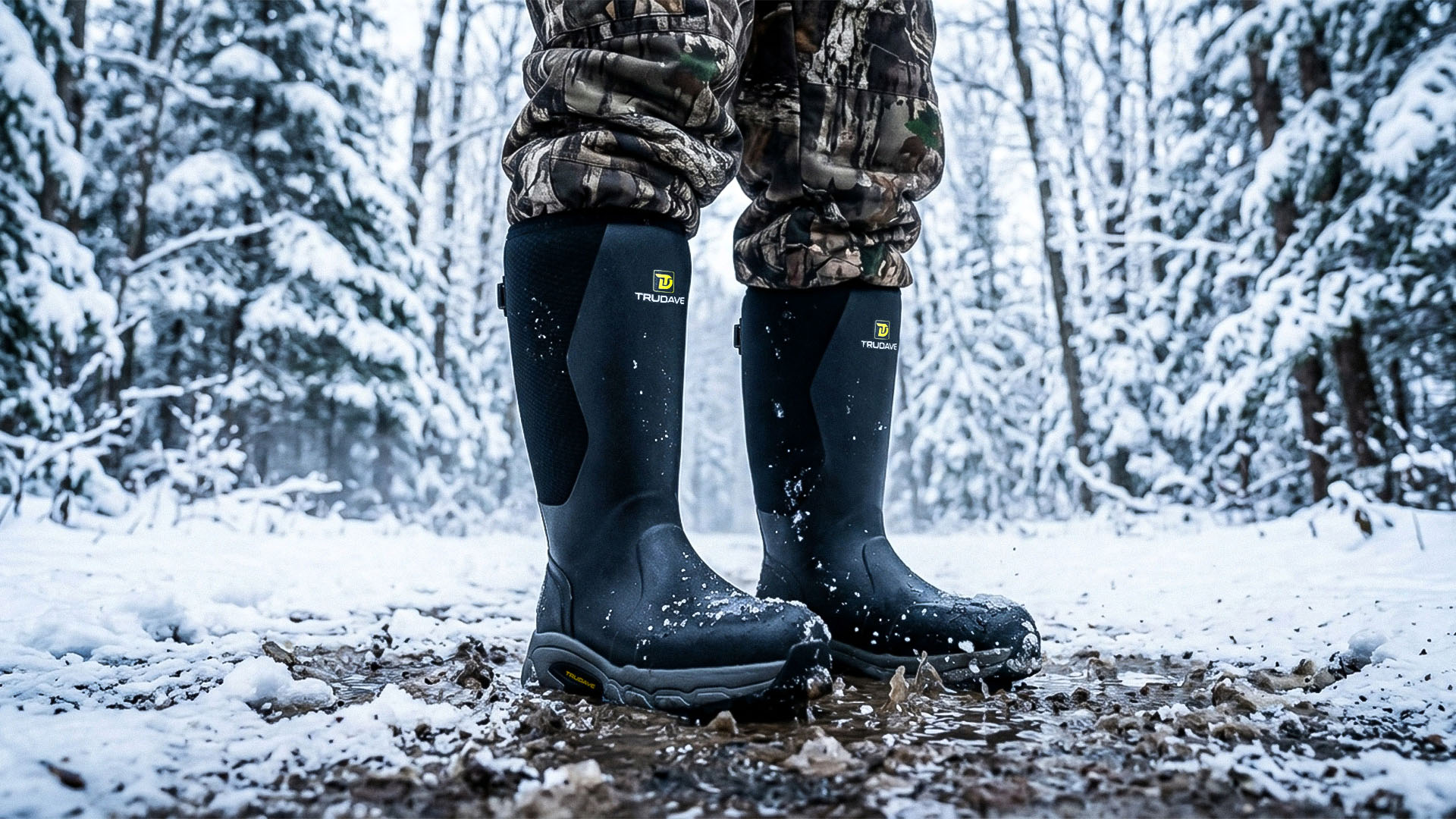
Hunters working these conditions may benefit from waterproof hunting boots for turkey hunting that provide secure heel retention, dependable wet-ground traction, and enough support for long hardwood ridge walks.
Waterproofing Matters During Spring
Morning grass may be saturated.
Creek bottoms remain damp.
Rain showers can develop quickly.
Dry footwear helps hunters stay comfortable longer.
Lightweight Boots Can Be Better for Active Hunts
Spring temperatures may become mild.
Heavy insulated boots often create unnecessary heat.
Balance:
- Waterproofing
- Support
- Weight
Secure Heel Fit Matters on Hills
Repeated climbing creates heel movement.
Poor fit leads to:
- Hot spots
- Blisters
Toe Room Matters During Descents
Long downhill walks push feet forward.
Test boots on real slopes before the hunt.
Moderate Ankle Support Helps
Hardwood mountains contain:
- Uneven ground
- Rocks
- Roots
Support improves stability.
Tall Rubber Boots Can Work in Wet Lowlands
Where terrain is relatively flat and wet, rubber hunting boots may be useful around:
- Creeks
- Mud
- Dew
Rubber Boots Need Good Fit Too
Loose boots become tiring during long walks.
Heel movement adds up.
Lace-Up Waterproof Boots Can Be Better in Mountains
For repeated:
- Climbing
- Sidehilling
- Descending
supportive lace-up boots may provide better control.
Choose Boots Based on the Whole Hunt
Do not select footwear solely because one creek crossing is wet.
Consider:
- Distance
- Terrain
- Temperature
- Mud
- Rain
Gaiters Can Help
Gaiters may reduce:
- Water
- Mud
- Seeds
- Debris
entering from above.
Spring Vegetation Can Soak Pants
Low plants transfer water constantly after rain or heavy dew.
Lower-leg protection is useful.
Ticks Can Be a Major Concern
Spring turkey season often overlaps increasing tick activity.
Use appropriate prevention.
Check:
- Clothing
- Skin
- Gear
after the hunt.
Mosquitoes Can Increase Later in Spring
Warm creek bottoms may contain heavy insects.
Carry appropriate repellent.
Snakes May Become Active
Depending on region and weather, spring warming can bring snakes out.
Watch:
- Rock
- Logs
- Creek banks
Do Not Sit Without Checking the Ground
Turkey hunters remain stationary for long periods.
Inspect the setup location for:
- Snakes
- Ants
- Poisonous plants
- Sharp debris
Sitting Against Large Trees Can Help Concealment
Where safe and appropriate, natural back cover reduces visible movement.
It can also provide a stable position.
Avoid Dead or Unstable Trees
Look upward before sitting.
Dead limbs can fall during:
- Wind
- Rain
Storms Increase Falling-Limb Risk
Wet soil and wind can make damaged trees dangerous.
Choose setup trees carefully.
Thunderstorms Require Respect
Spring weather can change quickly.
Mountain ridges are poor places to remain during lightning.
Follow severe-weather safety guidance.
Do Not Shelter Under the Tallest Isolated Tree
Move to safer terrain according to current lightning safety recommendations.
Headlamps Are Essential
Pre-dawn access is part of many turkey hunts.
Carry:
- Headlamp
- Backup power
Use Red or Low Light Carefully Where Appropriate
The main priority is safe walking without unnecessarily illuminating the woods.
Know terrain before entering in darkness.
Scout Access Routes in Daylight
A trail that looks simple on a map may contain:
- Creek crossings
- Deadfall
- Steep sections
Learn the route first.
Mark the Vehicle
Following a gobbling bird across several ridges can pull hunters far from the original access.
Save the truck location.
Offline Maps Are Important
Cell service may be weak in mountain forests.
Download:
- Topography
- Property boundaries
- Roads
- Trails
Topographic Maps Are Extremely Valuable
Turkey hunting is terrain hunting.
Maps help identify:
- Benches
- Saddles
- Ridge systems
- Creek bottoms
before the season.
Satellite Imagery Adds Habitat Context
Aerial imagery may reveal:
- Fields
- Logging roads
- Clearcuts
- Openings
Combine it with topography.
Recent Imagery Matters
Logging and vegetation change.
Old maps can show roads that are:
- Overgrown
- Closed
- Gone
Property Boundaries Can Be Complicated
Mountain forests may contain a patchwork of:
- Public land
- Private timber
- Farms
Know ownership.
A Gobbling Turkey Across the Boundary Is Still Across the Boundary
Do not trespass simply because the bird responds.
Permission comes first.
Private Timberland Can Hold Excellent Habitat
Managed forests often contain:
- Roads
- Young cuts
- Mature roost timber
Where permission exists, follow all access rules.
Public Land Can Be Productive
Wildlife management areas, national forests, and other public properties may offer extensive turkey habitat.
But current regulations can differ.
Parking Areas Create Pressure
Birds near easy public access may experience more hunting pressure.
Study alternative legal routes.
Do Not Block Gates
Logging and emergency vehicles may require access.
Park only where permitted.
Road Closures Must Be Respected
A closed vehicle road may still be open to legal foot travel—or may not be.
Check property rules.
Blaze Orange Rules Can Vary
Turkey hunting clothing rules vary by jurisdiction and overlapping seasons.
Verify current requirements.
Turkey Identification Is Essential
Hunters must know which birds are legal under current rules.
Depending on season, legality may depend on:
- Sex
- Beard
- Other legal definitions
Do Not Shoot at Movement
Spring forest understory can hide:
- Other hunters
- Wildlife
Positive target identification is mandatory.
Never Stalk Turkey Sounds Carelessly
Another hunter may be producing turkey-like sounds where calling is legal.
Treat every sound cautiously.
Assume Another Hunter Could Be Present
Public-land turkey hunting requires heightened awareness.
Do not approach a sound without confirming the situation safely.
Avoid Wearing Colors That Mimic Turkey Plumage Where Safety Guidance Recommends
Follow current hunter-safety recommendations regarding clothing in turkey country.
Never Wave or Use Movement to Attract Attention Near an Armed Hunter
If another hunter approaches, use a clear human voice when safe rather than turkey-like movements or sounds.
Decoys Require Extra Safety Awareness
Where legal, turkey decoys can create identification risks on pressured public land.
Placement and visibility should be considered carefully.
Regulations on Decoys and Electronic Calls Can Vary
Check current local rules.
Do not assume all calling or decoy methods are legal everywhere.
Hunting Hours Vary
Some jurisdictions limit hunting to:
- Morning
- Specific daily hours
especially during certain seasons.
Verify current official regulations.
Spring and Fall Turkey Seasons Can Differ
Methods, legal birds, and season structures may not be identical.
Check the exact season.
Tag and Reporting Requirements May Apply
Depending on jurisdiction, hunters may need:
- Tags
- Harvest reporting
- Check-in
- Validation
Know requirements before the hunt.
Do Not Wait Until Harvest to Learn Reporting Rules
Remote ridge tops are not the place to discover a missing requirement.
Prepare first.
Legal Weapon Rules Can Differ
Use current official regulations for:
- Weapon types
- Ammunition
- Equipment
in the exact jurisdiction.
Public Areas Can Add More Restrictions
Statewide legality does not override property-specific rules.
Check both.
Scouting Does Not Mean Disturbing Every Bird
Excessive pre-season pressure can alter roost and movement patterns.
Observe from a distance where possible.
Trail Cameras May Be Regulated
Rules involving cameras and electronic scouting tools vary.
Check current property and jurisdiction regulations before use.
Roost Trees Should Not Be Pressured Constantly
Repeatedly entering the same roost area can move birds.
Scout intelligently.
Sign Can Be Better Than Sightings
Fresh:
- Tracks
- Droppings
- Scratching
may reveal a travel corridor even when no bird is visible.
Dusting Areas Can Show Regular Use
Turkeys may dust in dry loose soil.
Look for shallow depressions with:
- Feathers
- Tracks
Dusting Sites Can Occur Along Roads
Soft dry road edges may contain obvious sign.
Use them to identify frequently used areas.
Feathers Can Confirm Habitat Use
Finding turkey feathers around:
- Roost
- Travel areas
- Dusting sites
can help confirm presence.
One Feather Does Not Mean Current Activity
Use several clues together.
Tracks After Rain Can Be Extremely Useful
Fresh mud can reveal movement through:
- Road crossings
- Fields
- Creek edges
Roost Scouting Can Be Done With Sound
Listening from a distance around dusk or dawn can reveal general bird location without walking directly underneath the roost.
Avoid Overcalling During Scouting
The goal is information.
Not educating birds before season.
Physical Conditioning Helps
Mountain turkey hunting can involve repeated:
- Climbs
- Descents
- Sidehills
Prepare beforehand.
Train for Elevation Change
Walking flat ground does not fully prepare hunters for Appalachian ridges.
Add:
- Hills
- Stairs
- Loaded walks
Do Not Exhaust Yourself Chasing Every Gobble
Sometimes patience beats another climb.
Study the bird’s likely travel route first.
Save Energy for the Walk Out
A morning chase can put hunters several ridges away from the vehicle.
Keep track of location.
Hydration Matters
Cool spring mornings can hide fluid loss.
Carry water.
Warm Afternoons Increase Need
If the hunt extends later in the day, temperatures may rise quickly.
Carry Compact Food
Long sits and repeated climbs burn energy.
A small amount of food can help maintain focus.
Recovery Begins With Marking the Location
Dense hardwood forest can make exact locations difficult to relocate.
Before moving, note:
- Tree
- Ridge
- Logging road
- Creek
near the bird.
Terrain Can Look Different After Leaving the Setup
Use multiple landmarks.
Do not rely only on distance.
Steep Slopes Can Complicate Recovery
Move carefully.
A successful hunt does not justify a rushed downhill fall.
Warm Spring Weather Requires Prompt Game Care
Temperatures can rise quickly.
Handle harvested birds:
- Cleanly
- Promptly
according to current food-safety guidance.
Common Wild Turkey Hunting Mistakes
Walking Directly Toward Every Gobble
Terrain may provide a better route.
Ignoring Benches and Saddles
Turkeys often use easy travel features.
Giving Up When a Bird Stops Gobbling
Silent birds may still be moving toward you.
Hunting Only Fields
Hardwood ridges and creek bottoms can be equally important.
Ignoring Rain-Changed Patterns
Turkeys may shift toward openings and roads.
Wearing Heavy or Non-Waterproof Boots
Spring mountain hunting rewards waterproof support without unnecessary bulk.
Following a Bird Across Unsafe Creeks
Use safe crossings.
Forgetting Other Hunters May Be Calling
Positive identification and human-location awareness are essential.
Frequently Asked Questions
Where do eastern wild turkeys usually live?
Eastern wild turkeys commonly use hardwood and mixed forests, agricultural edges, creek bottoms, ridges, logging roads, fields, and other habitats combining roosting cover, food, and open travel areas.
Are ridges good places to hunt turkeys?
Yes. Ridges, saddles, and benches can provide relatively easy travel routes and may connect roosting, feeding, and strutting habitat.
Is turkey hunting good after rain?
It can be. After rain, turkeys may move toward logging roads, fields, and openings, while wet leaves make hunter movement quieter. Heavy rain can reduce vocal activity.
Are logging roads good turkey habitat?
They can be valuable travel, feeding, and strutting locations, especially where roads connect mature timber with openings or young forest.
What boots are best for turkey hunting?
Lightweight waterproof hunting boots with secure heel fit, dependable traction on wet leaves, mud, roots, and creek banks, and enough support for ridge walking are practical. More supportive lace-up boots may be useful in steeper mountain terrain.
Why do turkeys use saddles?
Saddles provide easier travel between ridges and can function as natural movement funnels in mountainous habitat.
Can wild turkey regulations vary by area?
Yes. Seasons, legal birds, tags, shooting hours, equipment rules, public-land restrictions, and harvest-reporting requirements can vary significantly. Hunters should verify current official rules for the exact jurisdiction and property.
Final Thoughts
Wild turkey hunting teaches hunters that the bird does not move through the forest the way a straight line on a map suggests.
One ridge becomes a highway.
One saddle creates the easiest crossing.
One bench becomes a strutting area.
One creek becomes a barrier.
One muddy logging road records exactly where birds traveled after the rain.
The hunter who understands those features stops chasing sound blindly.
Listen first.
Study terrain.
Find fresh scratching.
Watch ridges and saddles.
Use logging roads.
Adapt after rain.
Respect roost areas.
Know your property boundaries.
Wear boots that let you cross wet leaves, muddy roads, creek bottoms, roots, steep hardwood slopes, and dew-soaked openings without forcing you to choose the easiest route instead of the best route.
And when a gobbler finally appears silently on the same bench you almost abandoned twenty minutes earlier, remember the lesson.
Turkey hunting is not always about making the bird talk.
Sometimes it is about understanding the mountain well enough to know where he is going even after he stops.
