
Ring-necked pheasant country can fool hunters into walking too much of the wrong cover.
A field of grass stretches for half a mile.
Corn stubble sits on one side.
A cattail slough lies on the other.
Everything looks like pheasant habitat.
So the hunters begin walking.
Fifty yards.
One hundred yards.
Nothing.
Then the dog suddenly speeds up.
The grass begins moving ahead.
A rooster erupts near the far edge and flies across the corn.
That is pheasant hunting.
These birds often prefer running before flying.
A pheasant may move through cover for hundreds of yards while hunters believe the field is empty.
Successful pheasant hunting therefore requires more than finding grass.
Hunters need to understand how birds use:
- Food
- Escape cover
- Winter shelter
- Field edges
- Cattails
- Drainages
- Human pressure
The best pheasant habitat is usually a combination of several features close together.
Pheasants Need More Than Tall Grass
Ring-necked pheasants commonly use agricultural landscapes containing a mixture of:
- CRP grasslands
- Native grass
- Crop fields
- Brush
- Cattail wetlands
- Shelterbelts
- Ditches
- Field borders
One habitat type alone may not be enough.
Birds need places to:
- Feed
- Hide
- Roost
- Escape weather
The closer those resources are, the more useful the property becomes.
CRP Grasslands Can Be Excellent
Conservation grasslands can provide:
- Nesting cover
- Escape cover
- Roosting habitat
especially where vegetation structure varies.
But a giant CRP field can still be difficult to hunt efficiently.
Do Not Walk Every Acre
Instead, focus on transitions.
Look for places where CRP meets:
- Corn stubble
- Cattails
- Shelterbelts
- Ditches
- Gravel roads
These edges often concentrate movement.
Field Corners Can Hold Birds
Odd corners that are difficult to farm may contain:
- Tall grass
- Weeds
- Brush
and can become small security pockets.
Hunters often walk past them too quickly.
Cornfields Are Important Food Sources
Harvested corn can provide waste grain.
Pheasants may spend significant time feeding around:
- Corn stubble
- Field edges
- Spilled grain
but usually remain close to security cover.
Hunt the First Cover Beside the Corn
A huge open cornfield may contain food.
Birds may spend more daylight time in:
- Grass
- Ditch
- Cattails
only a short distance away.
Focus on that transition.
Standing Corn Changes Everything
If corn remains standing, pheasants may spend much of the day inside it.
This makes birds extremely difficult to push into the open.
Once harvest occurs, pheasant distribution can change quickly.
Harvest Can Concentrate Birds
When standing crop disappears, pheasants lose a major source of concealment.
They may shift toward:
- CRP
- Cattails
- Shelterbelts
- Brushy ditches
That can make security cover more predictable.
Cattail Sloughs Are Classic Late-Season Cover
When winter weather arrives, cattails can provide:
- Wind protection
- Thermal cover
- Dense escape habitat
A small slough can hold several birds.
Hunt the Edge Before the Center
Cattails are physically demanding.
Birds may sit along:
- Grass-cattail transition
- Dry edge
- Small opening
before moving deeper.
Work the margins carefully.
Narrow Cattail Strips Can Be Better Than Huge Marshes
A strip only fifty yards wide may be easier to hunt and easier to block.
Birds have fewer directions to escape.
Frozen Sloughs Change Access
Cold weather may freeze wet cattail bottoms.
That can make areas easier to walk.
But ice conditions can be uncertain.
Do not assume every frozen surface is safe.
Snow Can Push Birds Into Thermal Cover
After heavy snow, pheasants may move toward:
- Cattails
- Shelterbelts
- Thick grass
that provide protection from wind.
Shelterbelts Can Be Extremely Important
Rows of:
- Trees
- Shrubs
- Evergreen cover
can protect birds during harsh weather.
Look for nearby food.
A shelterbelt beside corn stubble can be especially attractive.
Hunt Both Ends of a Shelterbelt
Birds pressured through linear cover may run toward the far end.
The final section often deserves the most attention.
Do not relax early.
Ditches Can Hold Surprising Numbers of Birds
Roadside and agricultural ditches may contain:
- Tall grass
- Cattails
- Brush
and connect larger habitat blocks.
A narrow ditch can function as a travel corridor.
Drainage Ditches Can Be Excellent Escape Cover
Water and vegetation may make them difficult for hunters to cross.
That inconvenience can make them more attractive to pressured pheasants.
Hunt the High Edge of Wet Ditches
After rain or thaw, the bottom may become muddy or flooded.
Birds often remain on the drier bank near cover.
Pheasants Prefer to Run
One of the defining pheasant behaviors is ground movement.
Birds may run ahead through:
- Grass
- Corn stubble
- Cattails
rather than flush immediately.
Fast Hunters Often Push Birds Too Far
Walking aggressively through cover can keep pheasants running.
Slower coordinated pressure can sometimes produce closer flushes.
Use Natural Barriers
Birds may stop or hesitate near:
- Water
- Road
- Short grass
- Fence line
These features can help hunters predict escape direction.
Do Not Block Birds With Unsafe Positions
A road or property boundary may stop bird movement.
That does not mean hunters should stand where shooting directions become unsafe.
Safety always comes first.
End-of-Field Flushes Are Common
Birds may run almost the entire length of a cover strip.
Be especially ready near:
- Field edge
- Fence
- Short grass transition
at the far end.
Posting Can Help Where Legal and Safe
In group hunts, one hunter may position at a likely escape point while others work cover.
Everyone must know exact positions and safe shooting zones.
Communication Is Essential
Tall grass can hide partners.
Before entering cover, agree on:
- Direction
- Spacing
- No-shoot zones
Never Shoot Toward a Blocker
Birds may flush directly toward another hunter.
Let them pass.
A rooster is never worth an unsafe shot.
Dogs Are Extremely Valuable
Pointing and flushing dogs can help locate birds hidden in dense grass.
They also reveal when pheasants are running.
Watch Dog Behavior Carefully
A dog that suddenly:
- Accelerates
- Tracks rapidly
- Changes direction
may be following a running bird.
Hunters should stay ready.
Do Not Let Dogs Range Too Far
A dog pushing birds too aggressively can create distant flushes.
Keep range appropriate for:
- Cover
- Terrain
- Hunting style
Warm-Weather Hunts Can Overheat Dogs
Early-season pheasant hunts may still be warm.
Dense grass increases heat.
Carry water.
Late-Season Cold Creates Different Problems
Dogs may work through:
- Snow
- Ice
- Frozen cattails
Check paws frequently.
Ice Can Build Between Toes
Snow and moisture may freeze into compact balls.
Inspect paws during the hunt.
Corn Stubble Can Cut Paws
Dry stalks and sharp residue can cause:
- Abrasion
- Cuts
Check dogs after long fields.
Grass Seeds Can Become Dangerous
Some seeds can work into:
- Ears
- Paws
- Coat
Inspect regularly.
Burrs Can Slow the Hunt
Remove them before they become tangled deeply into fur.
Carry Clean Water for Dogs
Farm ponds and drainage water may not be suitable.
Bring clean water when practical.
Early Morning Can Be Productive
Pheasants may feed around:
- Crop edges
- Short grass
after leaving roost cover.
Watch areas close to overnight habitat.
Midday Can Push Birds Into Thicker Cover
As pressure increases, birds may retreat toward:
- Cattails
- Shelterbelts
- Dense CRP
The easy birds often disappear first.
Late Afternoon Can Bring Another Feeding Period
Birds may begin moving toward crop fields again.
Edges between security and food can become productive.
Wind Affects Bird Position
Strong wind may push pheasants toward:
- Protected ditches
- Cattails
- Shelterbelts
where conditions are calmer.
Hunt the Leeward Side
The protected side of:
- Grass ridge
- Tree belt
may hold more birds during harsh wind.
Wind Changes How Birds Flush
Strong wind can cause rapid changes in flight direction.
Stay balanced and controlled.
Snow Can Make Tracks Easy to Read
Fresh snow may reveal:
- Running tracks
- Feeding activity
- Routes into cover
This can help identify where birds are spending time.
Follow Patterns, Not Every Track
A bird can create many tracks.
Look for repeated travel between:
- Food
- Shelter
- Roost cover
Snow Can Concentrate Birds
When open grass becomes buried, usable cover shrinks.
Birds may concentrate in:
- Cattails
- Brush
- Shelterbelts
Drifting Snow Can Block Cover
A normally productive ditch may fill with snow.
Birds may move toward more open or wind-protected habitat.
Rain Creates Different Challenges
Wet grass becomes heavy.
Clay fields become slick.
Farm roads become muddy.
Pheasant Hunting After Rain Can Still Be Productive
Wet vegetation may reduce noise.
Fresh tracks in mud can reveal recent bird use.
But walking becomes harder.
Wet Grass Soaks Hunters Quickly
Even without rain, dew can saturate pants and footwear.
Long hunts punish non-waterproof gear.
Pheasant Hunting Is a Serious Footwear Hunt
A typical day may involve:
- Dew-soaked grass
- Mud
- Corn stubble
- Snow
- Frozen ruts
- Cattails
- Ditches
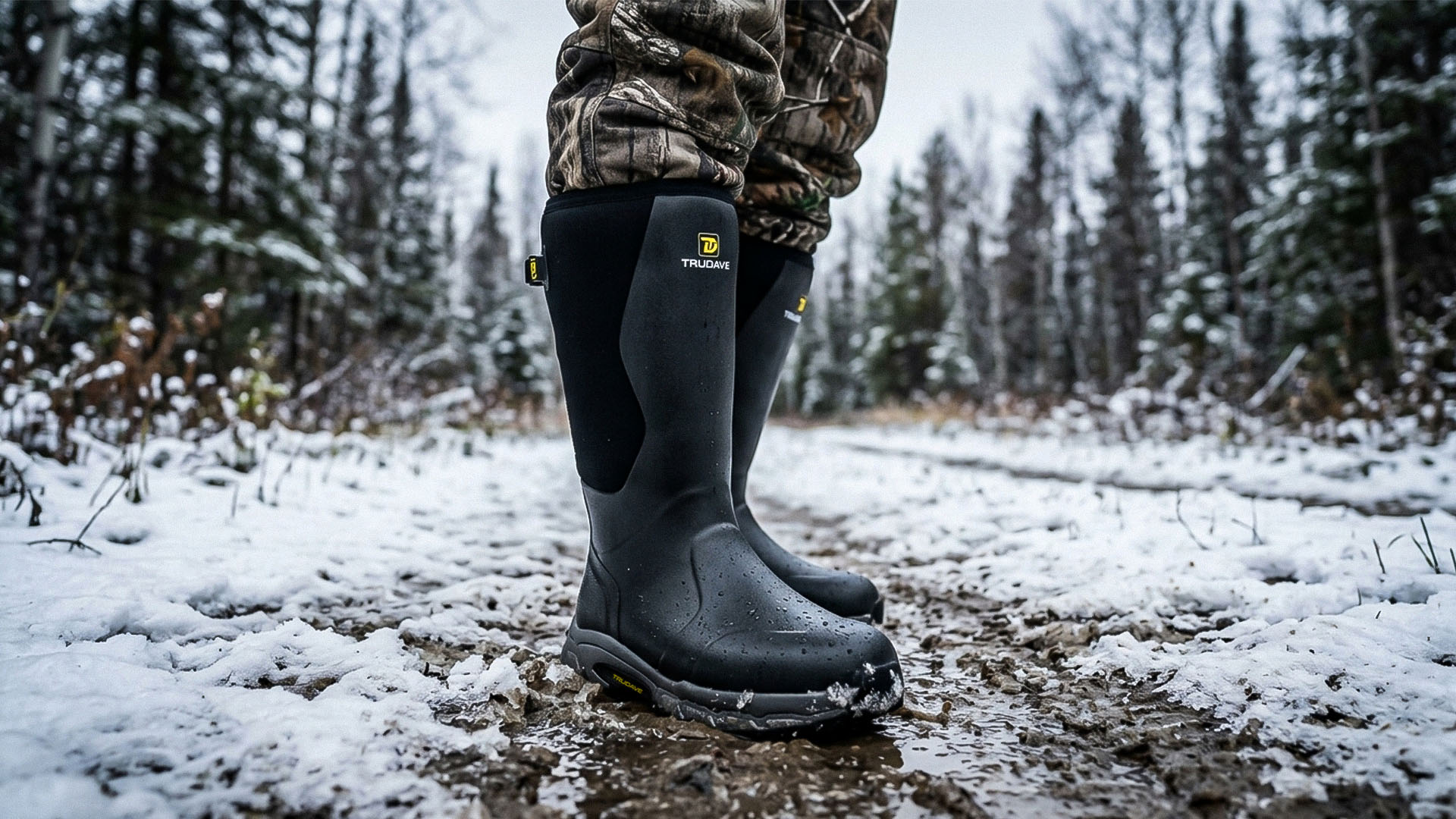
Hunters may benefit from waterproof hunting boots for pheasant hunting that provide secure heel retention, dependable traction, and enough support for long agricultural-field walks without excessive weight.
Lightweight Boots Work Well Early
Early-season conditions may be mild.
Heavy insulated footwear can cause:
- Sweating
- Fatigue
Choose lighter waterproof boots when weather allows.
Insulated Boots Become More Useful Late
Cold wind, snow, and frozen ground increase heat loss.
Match insulation to conditions.
Too Much Insulation Can Still Be a Problem
Active hunters generate heat.
Over-insulated boots can cause sweat during long walks.
Choose according to activity level.
Secure Heel Fit Matters
Pheasant hunters may walk several miles in one morning.
Poor heel retention leads to:
- Blisters
- Hot spots
Toe Room Matters in Winter Socks
Heavy socks require enough boot volume.
Do not compress the foot.
Mud Traction Is Important
Wet agricultural soil can be extremely slick.
Shorten stride.
Clean heavy mud from tread when necessary.
Frozen Ruts Can Twist Ankles
Farm roads may freeze unevenly.
A boot with moderate support can improve stability.
Tall Rubber Boots Can Work in Wet Lowlands
Rubber boots are useful around:
- Cattail marshes
- Mud
- Wet ditches
but long walking comfort matters.
Loose Rubber Boots Get Tiring Fast
Sticky mud pulls against every step.
A secure fit reduces wasted energy.
Lace-Up Waterproof Boots Can Be Better for Long Fields
Where ground is firm or rolling, lace-up boots may offer:
- Better heel lock
- More support
- Better walking efficiency
Choose Footwear for the Entire Hunt
Do not select boots based only on one wet cattail crossing.
Think about:
- Distance
- Temperature
- Mud
- Snow
- Terrain
Gaiters Can Be Extremely Useful
Gaiters help keep:
- Snow
- Seeds
- Wet grass
- Debris
out of boots.
Tall Grass Can Fill Boots With Seeds
This becomes irritating over time.
Lower-leg protection helps.
Brush Pants Are Useful
Pheasant cover may include:
- Briars
- Plum
- Thick weeds
Durable pants allow hunters to stay in productive cover.
Eye Protection Can Help
Cattails, brush, and saplings can strike the face.
Clear protective glasses reduce risk.
Gloves Need Dexterity
Hunters may constantly handle:
- Leads
- Equipment
- Birds
Use gloves that balance warmth with control.
Cold Wind Can Freeze Wet Gloves
Carry a dry backup pair.
Pheasant Hunting Can Be Physically Demanding
The terrain may appear flat.
But constant walking through:
- Tall grass
- Snow
- Mud
burns substantial energy.
Deep Snow Multiplies Effort
One mile through snow may feel like several.
Plan realistic distances.
Cattails Are Even Harder
Dense cattails resist every step.
Do not underestimate a small slough.
Take Breaks Before Exhaustion
Fatigue affects:
- Balance
- Awareness
- Shooting control
Hydration Still Matters in Cold Weather
Hunters may not feel thirsty.
Drink regularly.
Warm Weather Requires Even More Water
Early-season grasslands can become hot quickly.
Carry enough for both hunters and dogs.
Old Farm Ground Can Hide Hazards
Pheasant habitat often contains:
- Fence wire
- Old posts
- Equipment debris
under vegetation.
Barbed Wire Is Common
Cross fences carefully.
Use safe firearm handling.
Dogs Can Hit Wire at Speed
Scout obvious fence lines.
Keep dogs under control.
Electric Fencing May Be Present
Do not assume a fence is inactive.
Use designated crossings.
Property Boundaries Matter
A pheasant may fly across:
- Neighboring farm
- Road
- Private field
within seconds.
Know exactly where permission ends.
Private Land Requires Clear Permission
Clarify:
- Parking
- Dog use
- Retrieval
- Gates
before hunting.
A Downed Bird Does Not Create Automatic Access
If recovery would require crossing a boundary, follow legal and landowner requirements.
Ask About Retrieval in Advance
This avoids problems after the shot.
Respect Crops and Roads
Do not:
- Drive across soft fields
- Damage standing crops
- Cut fences
Leave Gates As Directed
Working farms depend on proper livestock control.
Public Areas Can Offer Good Pheasant Habitat
Depending on region, birds may use:
- Wildlife production areas
- State lands
- Grasslands
where hunting is permitted.
Public Cover Receives Pressure
Birds often learn to avoid:
- Parking lots
- Easy field edges
later in the season.
Hunt Overlooked Corners
A small cattail strip far from the obvious access path may hold pressured birds.
Do Not Assume Distance Equals Birds
Remote cover can still be poor.
Habitat quality matters first.
Pressure Makes Pheasants Run More
Late-season birds often become extremely reluctant to flush.
Slow coordinated hunting becomes more important.
Windy Days Can Sometimes Help
Wind noise may cover hunter movement.
But birds may also hold deeper in protected cover.
Dogs Can Lose Scent in Difficult Conditions
Dry wind, frozen ground, and snow can affect scenting.
Trust the dog but also read habitat.
Covey-Style Thinking Does Not Apply
Unlike quail, pheasants are often encountered individually or in loose groups.
After one flush, continue hunting the area.
One Rooster May Not Be Alone
A good cattail pocket or grass corner can hold multiple birds.
Slow down after the first flush.
Hens and Roosters May Use the Same Cover
Hunters must identify legal birds according to current regulations.
Positive Identification Is Essential
Ring-necked pheasants show distinctive:
- Long tails
- Body shape
- Sex-specific plumage
Study local official identification guidance.
Do Not Shoot Simply Because a Large Bird Flushes
Agricultural cover may contain:
- Other game birds
- Protected species
Confirm before firing.
Rooster Identification Can Be Fast but Must Be Clear
In jurisdictions where only certain birds are legal, hunters should know required characteristics before entering the field.
Dense Cover Can Hide Plumage
If the bird cannot be identified confidently:
Let it go.
Safe Shooting Angles Matter
Pheasants often flush low.
That means the background can include:
- Dogs
- Hunters
- Livestock
- Roads
Do Not Shoot at Low Birds Toward a Partner
Even a legal rooster is not worth an unsafe angle.
Establish Hunter Spacing
In group hunts, maintain a clear line.
No one should drift significantly ahead or behind without communication.
Blockers Need Strict Coordination
Where legal and appropriate, blockers can help contain running birds.
But everyone must know exact positions.
Never Shoot Toward the End of a Field Without Knowing Who Is There
Tall grass can hide people.
Maintain awareness.
Recovery Can Be Difficult
A downed pheasant can:
- Run
- Hide
- Crawl
through very dense cover.
Mark the fall carefully.
Watch the Bird All the Way Down
Do not immediately focus on another flush.
Pick a landmark first.
Running Birds Can Travel Far
A wounded pheasant may move through:
- Grass
- Corn residue
- Cattails
surprisingly quickly.
Begin recovery promptly.
Dogs Are Extremely Valuable for Recovery
A trained dog can track a running bird through dense vegetation far better than hunters can.
Give the Dog Room to Work
Do not immediately cover the entire area with human scent and footprints.
Without a Dog, Search Methodically
Start at the marked point.
Look for:
- Tracks
- Feathers
- Tunnels through grass
Cattails Can Hide Birds Completely
Search slowly.
A pheasant can sit only yards away without being visible.
Ethical Recovery Should Affect Shot Selection
A bird flying toward:
- Deep water
- Unsafe property
- Dense inaccessible cover
may create a poor recovery situation.
Warm Weather Requires Game Care
Early-season temperatures may still be high.
Keep harvested birds:
- Clean
- Cool
according to current food-safety guidance.
Cold Weather Helps but Does Not Replace Clean Handling
Mud and crop residue can contaminate game.
Use appropriate storage.
Regulations Vary Widely
Before hunting, verify current official:
- Season dates
- Daily bag limits
- Possession limits
- Legal sex restrictions
- License requirements
- Public-land rules
- Dog regulations
Public Properties May Have Special Rules
Some areas may regulate:
- Non-toxic ammunition
- Entry times
- Hunting days
- Vehicle access
Check the exact property.
Do Not Assume Private and Public Rules Are Identical
Property-specific regulations can be more restrictive.
Blaze Orange Requirements May Apply
Check current jurisdiction-specific hunter-orange rules, especially where seasons overlap with big-game hunting.
Habitat Conservation Is Essential
Pheasant populations benefit from landscapes containing:
- Grassland
- Wetland cover
- Agricultural food
- Winter shelter
CRP and Grassland Programs Can Be Important
Large blocks of nesting and escape cover help birds survive in agricultural landscapes.
Wetlands Matter More Than Many Hunters Realize
Cattails and wetland edges can become crucial during severe winter weather.
Shelterbelts Add Winter Security
Tree and shrub rows reduce exposure to wind and snow.
Diverse Farms Support More Wildlife
A landscape containing:
- Crops
- Grass
- Wetlands
- Shrubs
usually offers more habitat than one uniform land use.
Respect Habitat Projects
Do not drive through:
- Native grass
- Food plots
- Wetland restorations
unless specifically permitted.
Pick Up All Trash
Leave the property clean.
Landowners and public managers notice responsible behavior.
Common Ring-Necked Pheasant Hunting Mistakes
Walking Huge Grass Fields Without Focusing on Edges
Transitions often concentrate birds.
Pushing Birds Too Fast
Pheasants may simply run ahead.
Ignoring Cattails Late in the Season
Thermal cover can become critical.
Assuming Harvested Corn Alone Is Enough
Birds still need nearby security cover.
Wearing Heavy or Poorly Fitting Boots
Long days through grass, mud, snow, and stubble punish poor footwear.
Losing Track of Dogs in Tall Cover
Low flushes require constant awareness.
Failing to Mark Downed Birds
Running pheasants can disappear quickly.
Assuming Pheasant Regulations Are the Same Everywhere
Sex restrictions, limits, seasons, and public-land rules vary.
Frequently Asked Questions
Where do ring-necked pheasants usually live?
Ring-necked pheasants commonly use agricultural landscapes containing grasslands, CRP, crop fields, cattail wetlands, shelterbelts, ditches, and brushy field edges.
Are CRP fields good for pheasant hunting?
They can be excellent because they provide nesting and escape cover, particularly when located near food and winter shelter.
Are cattails good for pheasant hunting?
Yes, especially during cold or windy weather when dense cattails can provide important thermal and security cover.
Is corn stubble good pheasant habitat?
Harvested corn can provide food, but pheasants usually benefit most when corn lies close to grass, wetlands, brush, or other secure cover.
Is pheasant hunting good after rain?
Wet conditions can quiet vegetation and reveal tracks in mud, but they may also make fields, roads, and ditches more difficult to walk.
What boots are best for pheasant hunting?
Waterproof hunting boots with secure heel fit, reliable traction in wet grass, mud, snow, and frozen ruts, and insulation appropriate to the season are practical. Lightweight waterproof boots work well early, while colder late-season conditions may require more insulation.
Why do pheasants run instead of flushing?
Running allows pheasants to stay concealed in vegetation and increase distance from hunters before being forced to fly.
Can dogs help with pheasant hunting?
Yes. Pointing and flushing dogs can help locate running or hidden birds and can be especially valuable during recovery, but hunters must manage range, heat, paw condition, and safe shooting angles.
Final Thoughts
Pheasant hunting teaches hunters that the field is rarely as empty as it looks.
One rooster may be running fifty yards ahead.
Another may be buried in a cattail edge.
Several birds may be feeding beside corn and retreat into CRP before hunters arrive.
The landscape only makes sense when you connect the pieces.
Food.
Grass.
Wetlands.
Shelter.
Escape routes.
Find those connections.
Slow down when the dog gets birdy.
Expect running birds near field ends.
Check cattails during bad weather.
Watch property lines.
Protect landowner relationships.
Wear boots that let you cross soaked grass, sticky mud, frozen ruts, corn stubble, snow, cattails, and farm ditches without making your feet the weakest part of an all-day hunt.
And when a rooster finally flushes from the final ten yards of a field you thought was empty for half a mile, remember the lesson.
The bird was not waiting for you.
He was running from you the entire time.
