
American woodcock habitat rarely looks comfortable to hunt.
Young trees grow close together.
Alder stems cross at knee height.
Wet leaves cover dark soil.
Briars grab clothing.
Small creek channels cut through the cover.
A hunter may look at a thick patch and wonder how any bird can move inside it.
Then the dog locks up.
Nothing is visible.
One step forward.
A round brown bird explodes almost straight upward, twists through the branches, and disappears behind the young timber.
That is woodcock hunting.
These birds are strongly associated with early-successional habitat and moist ground.
The places hunters find inconvenient often provide exactly what woodcock need:
- Soft feeding soil
- Dense young cover
- Moist forest edges
- Alder
- Aspen
- Young hardwood regeneration
- Creek bottoms
Successful hunters learn to stop searching only mature open woods.
Woodcock usually reward hunters who enter the messy habitat.
Woodcock Need Soft Feeding Ground
American woodcock use their long bills to probe moist soil for food.
That makes ground condition one of the strongest habitat clues.
Productive habitat often contains:
- Damp soil
- Earthworms
- Leaf litter
- Moist organic ground
Hard, dry soil generally offers less feeding opportunity.
Moist Does Not Mean Deep Water
Woodcock are not ducks.
They usually do not need to stand in deep water.
The best ground is often:
- Damp
- Soft
- Slightly muddy
while still supporting dense vegetation.
Test the Soil
When scouting, pay attention to the ground beneath your boots.
If the soil is:
- Soft
- Moist
- Rich with leaf litter
the area may be worth hunting carefully.
Dry Ridges Can Be Less Productive
An upland ridge may look like excellent bird cover.
If the soil is hard and dry, it may hold fewer feeding woodcock.
Check lower terrain.
Creek Bottoms Can Create Excellent Conditions
Small creek systems often produce:
- Moist soil
- Dense shrubs
- Young hardwood growth
This combination can be ideal.
Search the transition between:
- Creek bottom
- Slightly higher cover
rather than the deepest wet channel.
Alder Is Classic Woodcock Cover
Alder thickets frequently grow in wet or seasonally wet ground.
They provide:
- Dense security
- Moist soil
- Feeding habitat
If you find alder mixed with open pockets, slow down.
Hunt the Edge of Alder First
The center can become nearly impossible to walk.
Start where alder meets:
- Aspen
- Grass
- Logging road
- Creek opening
These transitions often provide easier bird movement.
Young Aspen Can Be Excellent
Regenerating aspen stands create dense vertical cover while allowing relatively open ground beneath.
Woodcock can feed and move inside these young forests.
Look for stands with:
- Soft soil
- Sparse low tangles
- Nearby moisture
Tree Age Matters
Very young regeneration may be almost impenetrable.
Older stands may lose the dense structure birds prefer.
The best cover often sits somewhere in between.
Young Forest Is Constantly Changing
A perfect woodcock covert may decline over time.
Trees grow.
Canopies close.
Ground vegetation changes.
Successful hunters keep finding new regeneration.
Recent Timber Cuts Can Become Valuable
Logging creates new early-successional habitat.
Several years later, cuts may develop:
- Aspen
- Birch
- Alder
- Shrubs
that woodcock can use.
Fresh Cuts May Be Too Open
Immediately after harvest, there may be little security cover.
Habitat often improves as regeneration develops.
Old Cuts May Age Out
As trees grow larger and understory changes, bird use may decline.
Keep scouting different age classes.
Forest Roads Can Help Locate Cover
Old logging roads can guide hunters toward:
- Young cuts
- Alder
- Aspen stands
- Creek crossings
They also provide easier walking between dense habitat blocks.
Closed Roads Can Be Especially Useful
Vehicle-free logging roads often have:
- Grass
- Shrubs
- Moist edges
and may connect several good coverts.
Do Not Hunt Only the Road
Woodcock usually live inside the cover.
Use the road for access.
Then work the young forest beside it.
Roadside Ditches Can Hold Birds
A damp ditch with:
- Alder
- Grass
- Young hardwoods
may create excellent microhabitat.
Do not walk past it simply because it is close to the road.
Seep Areas Deserve Attention
Small hillside seeps keep soil soft when surrounding woods become dry.
These tiny wet zones can hold feeding birds.
Look for:
- Green vegetation
- Dark soil
- Small springs
Springs Can Create Year-Round Moisture
Where groundwater reaches the surface, feeding conditions may remain stable.
Young cover around springs can be especially productive.
Wet Meadow Edges Can Be Useful
Woodcock may use brushy transitions around:
- Wet meadows
- Old fields
- Marsh edges
especially where young woody cover begins immediately nearby.
Old Fields Can Become Great Habitat
Abandoned farmland may progress from:
- Grass
- Shrubs
- Saplings
into young forest.
The middle stages can offer excellent cover.
Early Succession Is the Key
Woodcock benefit from landscapes that contain multiple young habitat stages.
A property containing only mature forest may offer limited cover.
Mature Forest Still Has a Role
Older forest can provide:
- Roosting
- Travel
- Landscape structure
But daytime feeding and holding cover often favors younger growth.
Habitat Diversity Is Better Than One Uniform Forest
The strongest woodcock landscapes often contain:
- Young forest
- Mature timber
- Wet ground
- Openings
close together.
Migration Can Change Bird Numbers Overnight
Woodcock are migratory.
A covert that held few birds yesterday may suddenly hold several after favorable migration conditions.
This makes repeated scouting valuable.
Do Not Give Up on Good Habitat After One Empty Hunt
If the cover and soil are right, birds may arrive later.
Migration can refill a productive area quickly.
Cold Fronts Can Bring New Birds
Seasonal weather changes may move migrants southward.
After a significant front, previously quiet cover can become active.
Local Birds and Migrants Can Use the Same Cover
Good habitat may hold resident or locally staged birds first.
Later, migrants can increase numbers dramatically.
Rain Can Improve Feeding Conditions
Rain softens forest soil.
Earthworm activity may increase near the surface.
This can make moist young forest especially attractive.
Woodcock Hunting After Rain Can Be Excellent
Wet leaves also quiet hunter movement.
Look around:
- Alder
- Aspen
- Creek edges
- Young cuts
after rainfall.
Too Much Rain Can Flood the Best Ground
If low cover becomes saturated or underwater, birds may shift slightly uphill.
Follow the moisture gradient.
Hunt the First Dry Ground Above Flooded Cover
A rise only several inches higher can become valuable after heavy rain.
Woodcock may remain close to feeding habitat while avoiding standing water.
Falling Water Can Reopen Cover
As ground drains, birds may return to traditional moist flats.
Rescout after conditions improve.
Dry Weather Pushes Birds Toward Reliable Moisture
During extended dry periods, focus more on:
- Springs
- Creek bottoms
- Seeps
- Shaded lowlands
where soil remains workable.
North-Facing Slopes Can Hold Moisture Longer
Less direct sunlight may preserve soil moisture.
Where young cover exists on these slopes, they deserve attention.
Shade Matters
Dense young timber can protect soil from drying.
This creates good feeding conditions deeper into dry periods.
Morning Dew Adds More Moisture
Grass and low vegetation can become soaked even without rain.
Hunters may begin the day dry at the truck and be wet from the knees down within minutes.
Woodcock Cover Is Often Extremely Tight
Visibility may be only:
- A few yards
- One small lane
That is normal.
If the habitat looks easy to walk through, it may not be the best cover.
Do Not Avoid Thick Cover Completely
Hunters naturally drift toward open timber.
Woodcock often do the opposite.
Work the difficult edges.
Use Openings Inside the Cover
Small gaps may provide:
- Safer footing
- Better visibility
- Natural flight lanes
Move from opening to opening.
Flushes Can Be Explosive
Woodcock often hold tightly.
A bird may flush only a few steps away.
Remain prepared whenever entering high-quality ground.
The First Flight Is Often Vertical
A woodcock may rise sharply through young trees before leveling out.
This makes early movement appear chaotic.
Stay controlled.
Do Not Rush Through Branches
Dense stems create short windows.
If the bird is not clearly visible:
Let it go.
Safe Shooting Lanes Matter
Before moving into a covert with partners, understand:
- Walking line
- Relative position
- Safe shooting direction
Dense vegetation hides people quickly.
Never Swing Through a Partner
A bird weaving between saplings is not worth an unsafe shot.
Maintain strict awareness.
Low Branches Complicate Visibility
Do not shoot simply because you saw a flash of wings.
Wait for clear identification and a safe opening.
Positive Identification Is Essential
Woodcock habitat may overlap with other birds.
Hunters should learn:
- Body shape
- Long bill
- Flight behavior
- Plumage
before the season.
Woodcock and Snipe Are Different
Although both have long bills and use moist habitat, they occupy different cover and have different appearance and behavior.
Learn both.
Habitat Helps With Identification
A bird erupting from dense young woodland is more consistent with woodcock habitat than an open mudflat.
But habitat alone is not enough.
Calls Can Be Useful Clues
Woodcock vocalizations may reveal local activity during certain periods.
Use sound as supporting information.
Dogs Can Be Extremely Valuable
Pointing dogs are widely used for woodcock because birds often remain hidden in dense cover until approached closely.
A dog can help locate scent before hunters walk past the bird.
Dog Range Should Stay Tight
In thick alder and young aspen, a dog working too far ahead becomes difficult to see.
Close control is usually more practical.
Bells or Tracking Systems May Help Where Legal
Dense vegetation can hide a dog instantly.
Appropriate locating equipment can improve awareness.
Electronics Do Not Replace Training
The dog still needs reliable:
- Recall
- Control
- Cover handling
especially near roads or property boundaries.
Young Forest Can Hide Hazards From Dogs
Dense cover may contain:
- Old wire
- Logging debris
- Sharp branches
Scout when possible.
Check Dog Eyes Frequently
Alder and young saplings can scratch:
- Eyes
- Face
Stop periodically and inspect.
Dog Paws Need Attention
Wet forest may contain:
- Sharp sticks
- Rock
- Gravel roads
Check paws after long hunts.
Mud Adds Fatigue for Dogs Too
Soft soil makes every step harder.
Give breaks.
Carry Clean Water
Creeks may look clean.
Do not assume every natural source is appropriate for dogs.
Bring clean water when practical.
Woodcock Hunting Can Be Physically Demanding
The terrain may not be mountainous.
But fighting through dense vegetation for hours burns energy quickly.
Plan realistic distances.
One Mile in Alder Is Not One Mile on a Trail
Vegetation slows:
- Feet
- Dogs
- Equipment
Judge effort by cover density, not map distance.
Packs Should Stay Light
Dense cover catches oversized equipment.
Carry only what the hunt requires.
Shorter Firearm Profiles Can Be Easier in Tight Cover
Whatever legal sporting equipment is used, hunters generally benefit from setups that can be handled safely in dense vegetation.
The priority remains safe control rather than speed.
Avoid Carrying Unnecessary Gear Outside the Pack
Branches grab:
- Loose straps
- Clothing
- Equipment
Secure everything.
Woodcock Hunting Is Hard on Footwear
A typical hunt may involve:
- Wet leaves
- Mud
- Creek edges
- Dew
- Soft forest soil
- Fallen timber
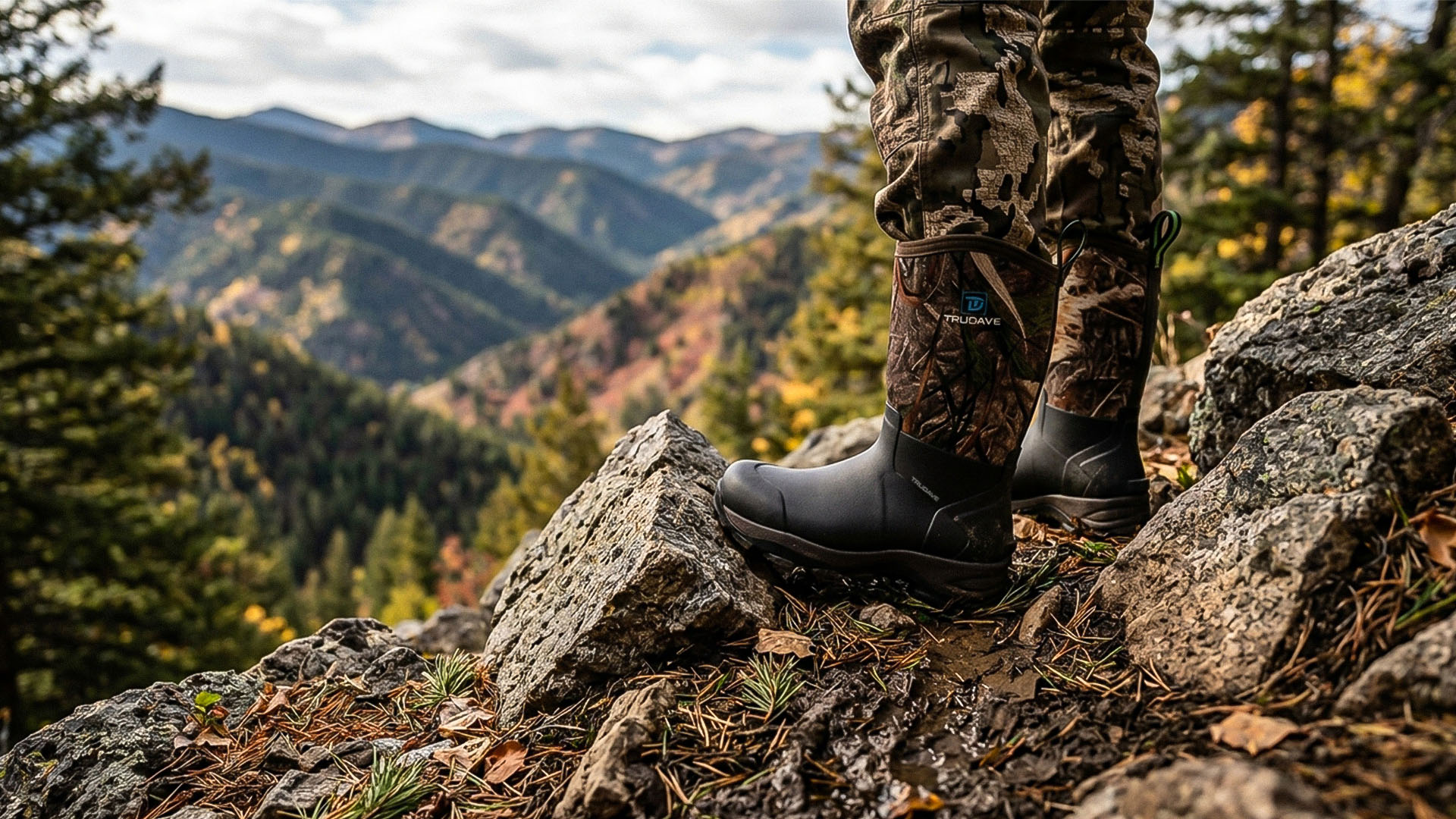
Hunters working these environments may benefit from waterproof hunting boots for woodcock hunting that provide secure heel retention, dependable traction, and enough protection for long hours in wet young forest without excessive weight.
Waterproofing Matters Constantly
Even when there is no standing water, moisture comes from:
- Dew
- Rain
- Wet leaves
- Mud
- Creek edges
Non-waterproof boots can become soaked gradually.
Lightweight Boots Are Often Ideal
Woodcock hunting requires constant movement.
Heavy boots may create unnecessary fatigue in relatively moderate terrain.
Balance protection with mobility.
Secure Heel Fit Matters
Soft mud and tangled vegetation pull at boots.
Loose footwear creates:
- Heel slip
- Blisters
Tall Rubber Boots Can Work Well
Rubber hunting boots are practical around:
- Wet alder
- Mud
- Shallow water
especially on flat lowland cover.
Rubber Boots Need Walking Comfort Too
Do not choose them only for waterproofing.
If the hunt involves several miles, fit matters greatly.
Lace-Up Waterproof Boots Can Be Better in Rolling Cover
Where habitat includes:
- Hills
- Logging roads
- Firm forest
with moderate wet ground, a lighter lace-up boot may offer better control.
Choose Boots Based on the Entire Covert
Think about:
- Mud depth
- Distance
- Terrain
- Temperature
rather than one wet spot.
Traction Matters on Wet Leaves
Leaves hide:
- Roots
- Mud
- Logs
Take short controlled steps.
Fallen Logs Are Frequent Hazards
Young forests and creek bottoms can contain extensive deadfall.
Step over carefully.
Wet Bark Is Extremely Slippery
Avoid walking along logs as shortcuts.
Go around when possible.
Creek Banks Can Collapse
Soft soil can break away underfoot.
Use stable crossings.
Shallow Creeks Still Require Caution
A few inches of water can hide:
- Slippery stones
- Holes
Move slowly.
Gaiters Can Help
Low gaiters reduce:
- Water
- Seeds
- Mud
entering around the boot opening.
Brush Pants Are Extremely Useful
Woodcock cover commonly includes:
- Briars
- Alder
- Young branches
Durable pants allow hunters to stay inside productive cover longer.
Lightweight Fabric Can Tear Quickly
If clothing forces you to avoid dense vegetation, it affects how effectively you hunt.
Durability matters.
Gloves Protect Hands
Hands often push through:
- Briars
- Branches
Light gloves reduce scratches.
Eye Protection Is Especially Useful
Young saplings and alder frequently reach eye level.
Clear protective glasses can help prevent injuries.
Hats Can Also Help
A brim can deflect:
- Small branches
- Rain
while moving through thick cover.
Early Seasons Can Be Warm
Dense vegetation traps heat.
Humidity can make conditions feel warmer.
Carry water.
Avoid Overheating
Slow down.
Remove layers before becoming sweaty.
Wet clothing becomes uncomfortable once activity slows.
Late Seasons Can Be Cold and Wet
Woodcock migration periods may overlap:
- Cold rain
- Frost
- Early snow
Carry appropriate layers.
Cold Rain Is More Serious Than Dry Cold
Wet clothing combined with wind can increase heat loss rapidly.
Stay dry.
Spare Gloves Are Valuable
Brush and rain wet gloves quickly.
Carry a dry backup pair.
Spare Socks Can Save a Hunt
One unexpected deep step can soak a boot from above.
Dry socks can improve comfort significantly.
Headlamps Belong in the Pack
A late bird recovery or long walk out can extend into darkness.
Carry reliable lighting.
Dense Cover Makes Navigation Hard
Young forest removes distant landmarks.
Use:
- Offline maps
- GPS
- Compass where appropriate
Mark the Vehicle
A hunter following birds through several coverts can drift farther than expected.
Save the parking location before starting.
Logging Roads Can Look Similar
One intersection may resemble another.
Check navigation before darkness.
Cell Service May Be Weak
Download maps in advance.
Include:
- Property boundaries
- Roads
- Wetlands
Property Boundaries Matter
Woodcock habitat can cross:
- Public land
- Private timber
- Farms
Use accurate maps.
Birds Crossing a Boundary Do Not Create Access
Do not follow without legal permission.
Private Timberland Can Offer Excellent Habitat
Young managed forest may produce strong woodcock cover.
Where permission is granted:
Follow all road and access rules.
Wet Logging Roads Should Be Protected
Do not drive soft roads unnecessarily.
Deep ruts damage property.
Walk instead.
Public Lands Can Provide Good Opportunities
Depending on region, suitable habitat may occur on:
- Wildlife management areas
- State forests
- National forests
- Other public properties
Focus on young regeneration and moist soil.
Mature Public Forests May Require More Searching
Look for:
- Recent cuts
- Utility corridors
- Young edges
- Wet bottoms
within larger forest systems.
Habitat Maps Can Save Time
Satellite imagery and forestry information can help locate:
- Young clearcuts
- Alder drains
- Aspen regeneration
before the hunt.
Recent Imagery Is Better
Young forest changes rapidly.
Old aerial images may show habitat that has already matured.
Forest Management Creates Woodcock Habitat
Woodcock often benefit from early-successional forest conditions.
Without disturbance, suitable young cover can decline.
Habitat Rotates Across the Landscape
Today’s best covert will eventually mature.
New cuts and regeneration replace it elsewhere.
Keep scouting.
Conservation Requires Multiple Forest Ages
Healthy landscapes can include:
- Young forest
- Mature forest
- Wetlands
- Openings
supporting a broader range of wildlife.
Woodcock Are Migratory Game Birds
Hunters need to pay close attention to current regulations.
Before hunting, verify official:
- Season dates
- Daily bag limits
- Possession limits
- Legal shooting hours
- License requirements
- Migratory-bird requirements
- Public-land restrictions
Do Not Use Last Year’s Regulations
Migratory game bird rules can change.
Always check the current season.
Federal and State Requirements Can Both Apply
Depending on jurisdiction, hunters may need to comply with multiple layers of migratory bird regulation.
Review current official information.
Non-Toxic Ammunition Rules May Apply on Some Properties
Wetlands and certain public lands can have special ammunition requirements.
Check the specific property before hunting.
Public-Land Rules May Be More Restrictive
A method legal statewide may still have different restrictions on a particular area.
Always check local property regulations.
Positive Identification Is Part of Responsible Hunting
Dense cover creates fast flushes.
If you cannot clearly identify the bird:
Do not shoot.
Recovery Can Be Difficult
Woodcock are small.
Their brown plumage disappears easily in:
- Wet leaves
- Ferns
- Brush
Mark the fall carefully.
Watch the Bird All the Way Down
Do not immediately look for the next flush.
Pick a landmark.
Use Several Landmarks
Choose:
- Tree trunk
- Fern patch
- Brush pile
rather than guessing distance alone.
Let the Dog Search Before Trampling the Area
A trained dog can use scent far more effectively than hunters searching randomly.
Give it room where appropriate.
Without a Dog, Search Methodically
Start at the marked point.
Work outward in a controlled pattern.
Look Under Leaves and Vegetation
A bird may be hidden by only:
- One fern
- A few leaves
Search carefully.
Ethical Recovery Should Affect Shot Selection
Dense cover can make some opportunities difficult to recover.
Let poor shots pass.
Warm Weather Requires Prompt Game Care
Early migration periods can still be mild.
Keep birds:
- Clean
- Cool
according to current food-safety guidance.
Do Not Leave Birds Inside a Hot Vehicle
Use appropriate cooling and ventilation.
Common Woodcock Hunting Mistakes
Hunting Mature Open Timber All Day
Find young moist cover.
Ignoring Soil Moisture
Soft feeding ground is one of the strongest clues.
Avoiding Alder Because It Is Difficult to Walk
That difficulty is part of what makes the habitat valuable.
Hunting One Covert Once and Giving Up
Migration can refill good cover quickly.
Walking Too Fast
Woodcock often hold extremely tight.
Wearing Heavy or Non-Waterproof Boots
Wet young forest rewards light waterproof mobility.
Letting Dogs Range Too Far in Dense Cover
Visibility and control disappear quickly.
Failing to Mark Downed Birds
Small brown birds vanish in leaf litter.
Frequently Asked Questions
Where do American woodcock usually live?
American woodcock commonly use young forests, alder thickets, regenerating aspen, moist creek bottoms, wet field edges, and other early-successional habitats with soft feeding soil.
Why do woodcock prefer moist ground?
Their long bills are adapted for probing soft soil for invertebrate food, making damp organic soils especially useful feeding habitat.
Are clearcuts good for woodcock hunting?
They can be once enough young vegetation develops, particularly when the cut contains moist soil and is near alder, aspen, or creek habitat.
Is woodcock hunting good after rain?
Rain can soften soil, improve feeding conditions, and quiet forest-floor movement, although excessive flooding may push birds toward slightly higher ground.
Can woodcock be hunted without dogs?
Yes. Hunters can slowly work alder, young aspen, clearcut regeneration, and moist forest edges without dogs, although pointing dogs can be extremely useful for locating birds in dense cover.
What boots are best for woodcock hunting?
Lightweight waterproof hunting boots with secure heel fit, good traction in mud and wet leaves, and enough protection for creek edges and dense young forest are practical. Tall rubber boots can work well in wetter lowland cover.
Are American woodcock migratory birds?
Yes. Hunters should verify the current migratory-game-bird regulations, licensing requirements, bag limits, shooting hours, and property-specific rules before hunting.
Final Thoughts
Woodcock hunting teaches hunters to stop judging forest habitat by how pleasant it is to walk through.
Open mature woods feel easy.
Woodcock often prefer the opposite.
Young alder.
Wet aspen.
Muddy creek edges.
Regenerating cuts.
Places where branches grab your sleeves and every step lands on damp leaves.
That messy habitat provides what the birds need.
Find soft soil.
Find young forest.
Follow creek bottoms.
Check recent cuts.
Return after migration weather changes.
Slow down after the first point or flush.
Wear boots that let you cross wet leaves, mud, creek edges, alder, and hours of damp young forest without forcing you toward the easier but less productive ground.
And when a woodcock explodes from a patch of cover so thick you were considering walking around it, remember the lesson.
The covert was difficult for you.
That is exactly why it was good for the bird.
