
Coues deer country can make a hunter question his eyesight.
The mountain looks open.
Oak-covered slopes roll into rocky canyons.
Grass fills the spaces between agave, juniper, and scattered brush.
A hunter studies one hillside for fifteen minutes.
Nothing.
Then one ear moves behind a small oak.
A gray body appears.
Another deer stands only twenty yards away from the first.
Suddenly the empty slope contains several animals.
That is Coues deer hunting.
These small desert whitetails are exceptionally good at disappearing inside habitat that appears much more open than it really is.
Their size helps.
Their coloration helps.
The broken terrain helps even more.
Successful Coues hunters learn one lesson quickly:
Do not judge a mountain by the first glassing pass.
Slow down.
Break the slope into pieces.
Look beneath oaks.
Search shadows.
Watch every small bench.
In Coues country, the deer are often there long before the hunter finally sees them.
Coues Deer Live in Broken Mountain Habitat
Coues white-tailed deer occupy rugged Southwestern environments.
Productive habitat may include:
- Oak woodland
- Desert mountain slopes
- Pine-oak transitions
- Rocky canyons
- Grass-covered ridges
- Juniper
- Brushy draws
- Sky Island mountain ranges
Their country often combines open visibility with enough vegetation and terrain to hide a very small deer.
That combination creates the challenge.
Coues Deer Are Smaller Than Many Hunters Expect
One reason these deer are difficult to glass is body size.
A Coues deer standing behind:
- Oak
- Agave
- Rock
may reveal only a small part of its body.
Hunters accustomed to larger deer can scan too quickly.
Slow optics work is essential.
Start With Glassing
Random hiking is one of the fastest ways to waste energy in Coues country.
Find a stable observation point.
Then search:
- Oak slopes
- Canyon heads
- Grass benches
- Rock pockets
- Ridge shoulders
Let binoculars cover the mountain first.
Glass Longer Than Feels Necessary
A good Coues deer slope may look empty during the first ten minutes.
Keep watching.
A bedded deer may:
- Stand
- Turn its head
- Step into sunlight
only briefly.
That small movement may be the only clue.
Divide the Mountain Into Sections
Do not wave binoculars randomly.
Search systematically.
For example:
- Ridge top
- Upper slope
- Mid-slope oak pockets
- Canyon bottom
- Opposite ridge
Then repeat.
A structured search catches animals random scanning misses.
Search Under Every Oak
Oak trees create:
- Shade
- Security
- Visual breakup
A deer may bed beneath one tree and remain nearly invisible for hours.
Look for:
- Ear
- Leg
- White tail movement
- Horizontal back line
beneath the canopy.
Shade Can Hide an Entire Deer
Bright Arizona sunlight creates strong contrast.
A deer standing in shadow may disappear completely.
Do not search only sunlit ground.
Spend extra time on:
- Dark oak pockets
- North-facing cover
- Canyon walls
Morning Light Can Reveal Deer
Low-angle sunlight can make body movement easier to detect.
Search slopes where sun is just beginning to hit:
- Grass
- Oak edges
- Rock openings
Animals moving between shade and sunlight become easier to see.
South-Facing Slopes Can Be Useful in Cold Weather
During colder periods, sun-exposed slopes may warm earlier.
This can influence:
- Feeding
- Bedding
- Movement
Look for oak-grass combinations on warmer exposures.
North-Facing Slopes Can Hold Better Cover
Cooler slopes often retain:
- More moisture
- Denser vegetation
- Better shade
These areas may become increasingly important during warmer conditions.
Do Not Hunt One Aspect All Day
Sun exposure changes.
Temperature changes.
Deer respond.
A slope that was productive at sunrise may become less attractive by midday.
Adjust your glassing.
Small Benches Matter
A mountain may look steep from a distance.
Inside it are small flat shelves.
These benches can provide:
- Bedding
- Feeding
- Travel
One narrow bench can hold several deer.
Topographic maps help identify them.
Canyon Heads Can Concentrate Movement
Where several small drainages meet, habitat becomes more complex.
These canyon heads may offer:
- Shade
- Browse
- Travel cover
Glass them carefully.
Draws Can Hide Deer During Movement
A deer can move hundreds of yards through a shallow draw without becoming visible.
Watch where draws connect:
- Feeding slopes
- Ridge saddles
- Bedding cover
Saddles Can Become Travel Funnels
A low point between ridges provides easier passage.
Fresh tracks may reveal regular use.
Saddles connecting two oak-covered basins deserve attention.
Ridge Shoulders Can Hold Feeding Deer
Coues deer may move just below the crest.
This gives them:
- Visibility
- Escape cover
without standing directly on the skyline.
Search slightly below ridge tops.
Skyline Deer Are Easy to See but Hard to Approach
If an animal appears on the crest:
Do not rush.
It may disappear over the other side quickly.
Mark the exact location.
Then plan a route using terrain.
Coues Deer Can Vanish Behind Tiny Terrain Features
A shallow fold only a few feet deep can hide a deer completely.
This is why a slope can appear empty and then suddenly produce animals.
Terrain matters at a very small scale.
Change Glassing Angles
A deer hidden from one ridge may be visible from another.
Sometimes moving only a few hundred yards reveals:
- New benches
- Hidden canyon walls
- Oak pockets
Before hiking deep into a basin, try another observation point.
Spotting Scopes Can Save Miles
Once deer are located, stronger optics can help evaluate:
- Exact position
- Group composition
- Stalk route
The goal is reducing unnecessary movement.
Stable Optics Matter
Hand-holding binoculars for hours creates fatigue.
A tripod or other stable setup can improve detail detection.
Coues hunting rewards tiny visual clues.
Look for Movement First
At long distance, body shape can disappear into the mountain.
Movement is easier to detect.
Watch for:
- Ear flick
- Head turn
- Step between oaks
Once one deer is found, search the entire area.
One Deer Often Means More Deer
Do not stop glassing after locating the first animal.
Others may be:
- Bedded nearby
- Feeding below
- Hidden behind vegetation
The first deer gives you a search zone.
Doe Groups Can Be Important During the Rut
During breeding periods, bucks may spend more time near doe groups.
If several does are located:
Keep watching.
A buck may be:
- Behind them
- Above them
- Hidden inside thicker cover
Rut Movement Can Change Normal Patterns
Bucks may travel farther and appear in places they used less frequently earlier.
Do not rely entirely on pre-rut behavior.
Seasonal movement matters.
Rut Does Not Eliminate Caution
A breeding buck still responds to:
- Wind
- Movement
- Human pressure
Good stalking fundamentals remain important.
Water Can Matter in Dry Country
In arid mountain environments, water sources may influence local deer movement.
Potential sources include:
- Springs
- Seeps
- Stock tanks
- Seasonal creeks
But deer do not always visit them during daylight.
Travel Routes Near Water May Be More Useful
Look for tracks entering and leaving the area.
Follow them visually toward:
- Oak cover
- Bedding slopes
- Feeding habitat
The corridor may offer a better opportunity than the water itself.
Springs Can Create Small Green Pockets
A seep inside dry terrain may produce:
- Greener plants
- Denser brush
- Better feeding
These small habitat islands can concentrate wildlife.
Rain Changes the Desert Mountains Quickly
Summer and seasonal storms can transform dry terrain.
Rain may produce:
- Green vegetation
- Fresh tracks
- Mud
- Temporary water
It can also make rocky slopes much more dangerous.
Fresh Mud Improves Scouting
Check:
- Roads
- Springs
- Canyon bottoms
- Saddles
after rain.
Fresh tracks are easier to distinguish from old sign.
Old Desert Tracks Can Last a Long Time
In dry conditions, hoof prints can remain visible for days or weeks.
Do not assume a clear track is recent.
Use:
- Rain history
- Wind
- Debris
to judge freshness.
Wet Oak Leaves Become Slippery
After storms, mountain slopes may be covered with:
- Wet leaves
- Mud
- Rock
Traction suddenly becomes far more important.
Coues Hunting Is Hard on Footwear
A typical hunt can involve:
- Long glassing approaches
- Rocky ridges
- Loose gravel
- Wet grass after rain
- Muddy canyon bottoms
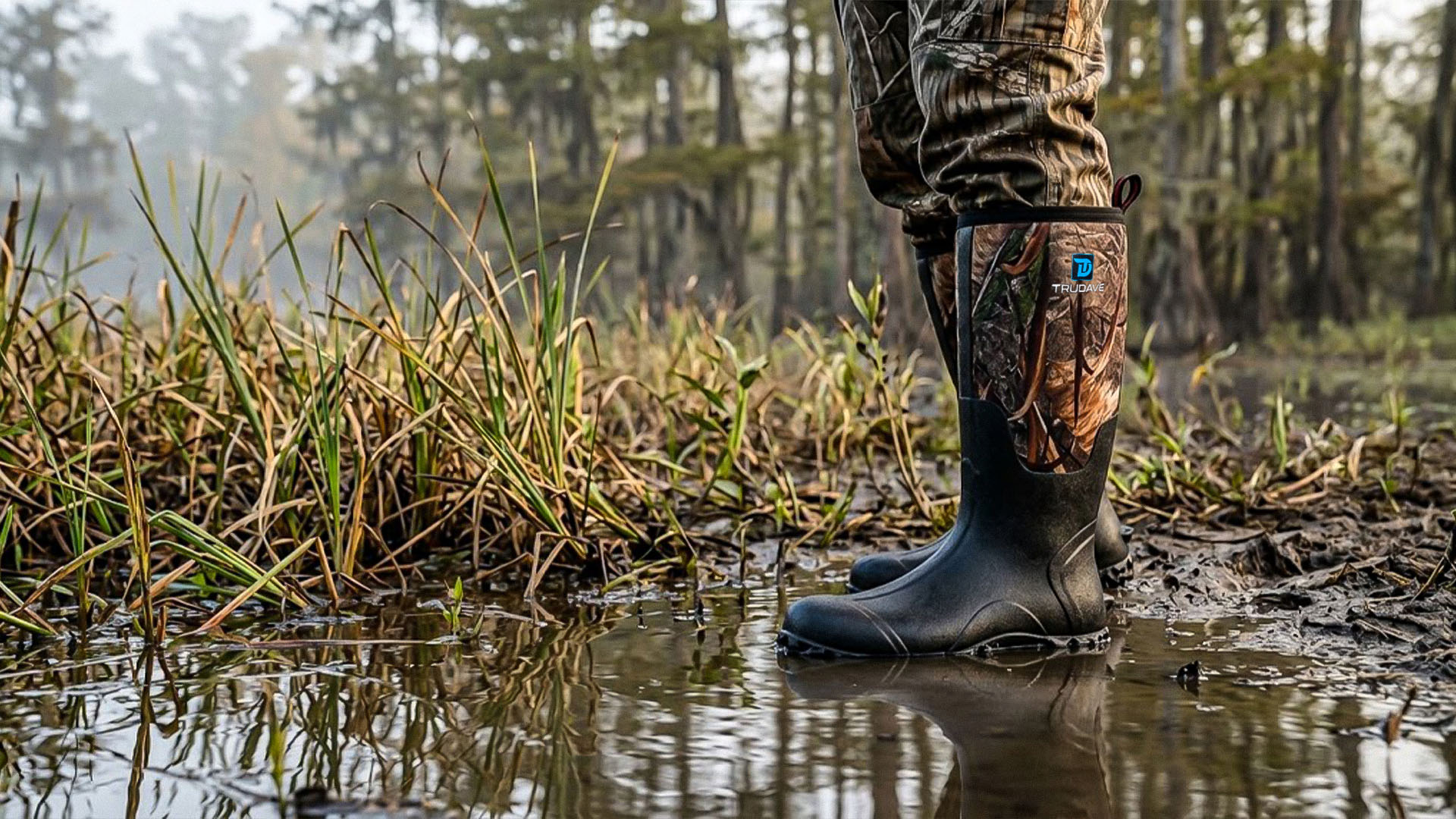
Hunters working these environments may benefit from waterproof hunting boots for Coues deer hunting that provide secure heel retention, dependable traction, and enough support for steep Arizona mountain terrain without excessive weight.
Lightweight Support Is Usually Better Than Maximum Bulk
Coues deer hunting often requires significant mileage.
Heavy boots create cumulative fatigue.
Balance:
- Support
- Waterproofing
- Weight
carefully.
Heel Lock Matters on Steep Slopes
Repeated climbs lift the heel.
Sidehilling twists the foot.
Poor fit creates:
- Hot spots
- Blisters
Break boots in before the hunt.
Toe Room Matters on Long Descents
Feet slide forward while descending.
A tight toe box can become painful quickly.
Test boots on real hills.
Traction Matters on Loose Rock
Arizona mountains may contain:
- Scree
- Gravel
- Broken rock
Good tread improves control.
Slow foot placement matters more than speed.
Wet Rock Can Be Worse Than Loose Rock
Rain makes smooth stone extremely slick.
Be careful around:
- Canyon bottoms
- Rock shelves
- Creek crossings
Gaiters Can Help
Low gaiters can reduce:
- Sand
- Gravel
- Seeds
- Mud
entering footwear.
They can also protect lower legs from vegetation.
Cactus Still Matters at Elevation
Even mountain habitat can contain:
- Prickly pear
- Agave
- Thorny plants
Watch hand and knee placement during stalks.
Agave Can Hide Between Grass
Sharp plant edges can injure:
- Shins
- Hands
especially during low movement.
Move carefully.
Catclaw and Thorny Brush Can Slow Stalks
Desert brush can grab:
- Pants
- Packs
Durable clothing helps.
The cleanest route may be the most exposed route.
Eye Protection Can Be Useful
Low branches and thorns can reach face height.
Clear glasses provide simple protection during:
- Pre-dawn movement
- Brushy stalks
Heat Is a Major Consideration
Even winter hunts can become warm in direct sun.
Carry enough water.
Long glassing sessions can hide dehydration because the hunter is not moving much.
Dry Air Makes Water Loss Easy to Miss
Sweat evaporates quickly.
Drink regularly.
Do not wait for severe thirst.
Carry Water on Every Stalk
A deer that appears close may require a long route around:
- Canyon
- Ridge
- Cliff band
Take water.
Sun Protection Matters
Hours of stationary glassing means long exposure.
Use appropriate:
- Hat
- Sunscreen
- Clothing
Cold Mornings Can Become Warm Afternoons
Layer clothing so you can adapt.
Do not start the hike wearing everything.
Avoid unnecessary sweat.
Wind Matters During Stalks
Coues deer rely strongly on scent.
Before leaving the glassing point, study:
- Wind direction
- Expected thermal changes
A visually perfect route may be useless with the wrong wind.
Thermals Are Important
Morning air may move downhill.
As slopes warm, air may rise.
A stalk that lasts several hours can encounter completely different airflow.
Canyons Can Swirl Wind
Rock walls and vegetation redirect air.
Check wind repeatedly.
Do not rely on one reading.
Wait if the Wind Is Wrong
Once a deer is bedded and comfortable, patience may improve the stalk.
A bad approach now can become a good approach later.
Bed the Deer Before Moving
Identify:
- Exact bush
- Oak
- Rock
- Bench
where the deer lies.
Then mark it with multiple landmarks.
Once you descend from the glassing ridge, everything changes visually.
Do Not Use One Landmark
A single oak may disappear behind terrain.
Use:
- Rock
- Ridge feature
- Tree cluster
together.
This helps relocate the deer later.
Recheck During the Stalk
If possible, stop at intermediate viewpoints.
Confirm whether the deer:
- Stayed bedded
- Moved
- Joined another group
Do not complete the final approach using outdated information.
Terrain Often Creates Better Stalks Than Vegetation
A shallow ridge can hide your entire approach.
Use:
- Draws
- Rock ribs
- Ridge backs
instead of depending only on brush.
Stay Below the Skyline
A standing hunter on a ridge is easy to detect.
Move slightly below the crest.
When checking the other side:
Expose yourself slowly.
Do Not Rush the Final Approach
The final one hundred yards often ruin the hunt.
Slow down.
Watch the wind.
Use every available terrain feature.
Shot Opportunities Can Be Brief
A deer may stand from its bed and begin moving immediately.
Before reaching the final position, identify:
- Safe shooting lanes
- Stable shooting position
- Known background
Stable Shooting Positions Matter
Mountain terrain may offer:
- Sitting
- Kneeling
- Prone
- Pack-supported positions
Practice these before the season.
Do Not Shoot From Unstable Footing
Loose rock and steep slopes reduce control.
Move to a safer position if possible.
A few extra yards can improve the opportunity dramatically.
Skyline Shots Are Unsafe
Coues deer frequently use ridge crests.
A clear silhouette does not create a safe shot.
Wait for solid terrain behind the animal.
Oak Brush Can Hide Other Deer
One visible animal may have others directly behind it.
Wait for a clearly separated legal target.
Distance Is Difficult to Judge
Open mountain country distorts range.
Use reliable ranging methods.
Know your demonstrated effective distance.
Seeing Far Does Not Mean Shooting Far Is Necessary
Good terrain often allows a closer approach.
Use:
- Canyon
- Ridge
- Brush
to improve position.
Recovery Begins Before the Shot
Mark:
- Exact animal position
- Nearby rock
- Oak patch
- Terrain break
before shooting.
A small deer can disappear quickly inside brush.
Keep Watching After the Shot
Note:
- Direction
- Last visible location
- Behavior
Do not immediately pack away optics.
Small Body Size Makes Recovery Harder
Coues deer can disappear inside:
- Grass
- Oak brush
- Canyon vegetation
much more easily than larger-bodied deer.
Use landmarks carefully.
Rocky Ground Can Hide Sign
Bare stone may show almost nothing.
Look for:
- Tracks in soft pockets
- Disturbed grass
- Hair
- Blood where present
Rain Can Complicate Tracking
Heavy rain may wash visible sign away.
Use:
- Tracks
- Broken vegetation
- Hair
in addition to blood where present.
Do Not Destroy the Trail
Keep unnecessary hunters away from confirmed sign.
Mark each clue.
Then continue methodically.
Recovery Terrain Can Be Steep
A deer may move downhill.
Do not run.
Loose rock and cactus increase injury risk.
Pack-Out Planning Matters
A deer across a canyon may appear close.
The recovery route may require:
- Major descent
- Creek crossing
- Climb back out
Plan before shooting.
Save Energy for the Return
Do not exhaust yourself completely during the stalk.
The climb back to the vehicle can be harder than the approach.
Warm Weather Makes Game Care Important
Arizona hunting temperatures can rise quickly.
Have:
- Game bags
- Cooler space
- Ice
ready.
Direct Sun Heats Game Quickly
Move harvested game toward proper cooling conditions as soon as practical.
Follow current food-safety and wildlife guidance.
High Elevation Does Not Guarantee Cold Temperatures
A cool morning can become warm by noon.
Plan for the warmest likely conditions.
Navigation Is Essential
Sky Island mountain systems contain:
- Similar ridges
- Complex canyons
- Old roads
Carry reliable navigation.
Offline Maps Are Important
Cell coverage may be inconsistent.
Download:
- Topography
- Ownership
- Roads
- Unit boundaries
before hunting.
Mark the Vehicle
A long stalk can end in a completely different drainage.
Save the truck location before leaving.
Carry a Headlamp
A recovery or late stalk can extend after sunset.
Bring:
- Headlamp
- Backup power
every time.
Property Boundaries Can Be Complicated
Arizona mountain country may contain a mix of:
- Public land
- Private land
- State-managed parcels
Know legal access.
Open-Looking Land Is Not Automatically Open to Hunting
Use accurate ownership maps.
Do not cross private land without permission.
Ranch Infrastructure Deserves Respect
Coues habitat may overlap cattle country.
Do not disturb:
- Water tanks
- Gates
- Fences
Leave gates as directed.
Avoid Driving Wet Roads
Rain can turn desert mountain roads into:
- Deep mud
- Slick clay
Park and walk when necessary.
Roads Can Become Impassable Quickly
Monsoon or winter storms can create:
- Washouts
- Flooded crossings
- Rockfall
Always consider the exit route.
Flash Flooding Can Affect Canyons
Desert washes can become dangerous during heavy rain.
Avoid entering drainage bottoms when flash-flood risk exists.
Higher ground may be the safer route.
Wildlife Awareness Still Matters
Coues country may contain:
- Rattlesnakes
- Bears in some mountain systems
- Other large wildlife
Stay alert.
Snakes Can Be Active on Warm Days
Even during cooler hunting seasons, sunny afternoons can produce reptile activity.
Watch:
- Rock
- Brush
- Warm slopes
Regulations Can Be Highly Unit-Specific
Coues deer hunting opportunities may depend on:
- State
- Unit
- Tag
- Season
- Weapon type
Always verify current official regulations.
Do Not Rely on Old Hunt Information
Tag systems and unit rules can change.
Use the current season’s official wildlife-agency materials.
Legal Deer Requirements Must Be Confirmed
Before hunting, understand:
- Tag type
- Legal sex
- Season dates
- Unit boundaries
Do not wait until an animal appears.
Public-Land Access Rules Can Add Restrictions
A valid hunting tag does not automatically override:
- Road closures
- Fire restrictions
- Land-management rules
Check access separately.
Species Identification Matters
Coues deer are a form of white-tailed deer.
In some regions, hunters may also encounter other deer types.
Use current local identification guidance.
Do Not Identify Solely by Body Size
Distance can distort size dramatically.
Use:
- Tail
- Body characteristics
- Local range information
for identification.
Habitat Conservation Matters
Coues deer depend on healthy mountain landscapes containing:
- Oak woodland
- Grass
- Water
- Connected canyons
Drought, wildfire, development, and water availability can alter habitat quality.
Water Developments Can Affect Wildlife Distribution
In dry landscapes, properly managed water sources may benefit multiple species.
Respect all wildlife and ranch water infrastructure.
Common Coues Deer Hunting Mistakes
Hiking Before Glassing
Use optics to search the mountain first.
Glassing Too Quickly
Small deer disappear easily beneath oak shade.
Looking Only at Open Slopes
Brush and shadows hide animals.
Ignoring Benches and Canyon Heads
Small terrain features can concentrate deer.
Wearing Heavy or Poorly Fitting Boots
Long desert mountain miles reward lightweight support and traction.
Starting a Stalk Without Marking the Bed
The slope looks completely different once you move.
Ignoring Thermals
Wind changes through the day.
Forgetting the Pack-Out
One canyon can turn a short visual distance into a long recovery.
Frequently Asked Questions
Where do Coues deer usually live?
Coues white-tailed deer commonly use Southwestern mountain habitats containing oak woodland, rocky canyons, grass slopes, brushy draws, juniper, and pine-oak transitions.
What is the best way to find Coues deer?
Long, patient glassing from stable observation points is one of the most effective strategies because the deer are small and blend extremely well with broken mountain habitat.
Why are Coues deer difficult to see?
Their small body size, gray coloration, oak cover, shadows, and broken terrain allow them to disappear even on relatively open slopes.
Is rain useful for Coues deer hunting?
Rain can create fresh tracking conditions, improve vegetation, and reveal current travel, although it also makes rocky slopes and clay roads more slippery.
What boots are best for Coues deer hunting?
Lightweight waterproof hunting boots with secure heel retention, good rock and mud traction, moderate ankle support, and enough durability for cactus, oak brush, and steep mountain terrain are practical.
Are Coues deer hunting regulations unit-specific?
They often can be. Hunters should verify current tag requirements, unit boundaries, legal animals, season dates, and weapon rules through the relevant wildlife agency.
Final Thoughts
Coues deer hunting teaches hunters that seeing less does not mean less is there.
One oak hides a bedded buck.
One shadow hides a doe.
One shallow canyon lets deer travel unseen.
One small bench becomes the perfect place to spend the morning.
The mountain looks open.
The deer understand every piece of cover inside it.
Glass longer.
Search the shade.
Study benches.
Watch canyon heads.
Use thermals.
Mark the exact bed before starting the stalk.
Carry enough water.
Wear boots that let you cross loose rock, cactus, wet grass, muddy washes, oak leaves, and long mountain miles without making your feet the weakest part of the hunt.
And when a Coues buck finally stands from a place you had already glassed five times, remember the lesson.
The deer did not suddenly arrive.
Your eyes finally slowed down enough to find him.
