
Feral hog country can look easy to read.
Mud is torn apart.
Roots are exposed.
Tracks cover old roads.
Trees are rubbed with dark hair and dirt.
A hunter sees all of that sign and assumes pigs must be close.
Then an entire morning passes without seeing one.
That is one of the biggest problems in hog hunting.
Feral hogs can leave enormous amounts of sign.
But not all sign is fresh.
One rooted field may have been destroyed several nights ago.
A muddy wallow may have dried since the last visit.
Tracks along a creek may belong to pigs that moved several miles before daylight.
Successful hog hunting begins by separating:
history from current activity.
The freshest mud.
The newest tracks.
The most recently disturbed food.
Those clues tell you where hogs are using the landscape now.
Feral Hogs Use an Enormous Range of Habitat
Depending on region, feral hogs may use:
- Pine forest
- Hardwood bottomland
- Swamps
- Creek systems
- Agricultural fields
- Pasture
- Thick brush
- Wetland edges
Their adaptability is one reason populations can spread across such large areas.
But even adaptable animals still need several basic things:
- Food
- Water
- Security
- Travel routes
Find those resources close together and hog activity usually becomes easier to understand.
Start With Food
Hogs are opportunistic feeders.
Their location can shift rapidly depending on what is available.
Potential food sources may include:
- Acorns
- Agricultural crops
- Roots
- Tubers
- Invertebrates
- Seasonal natural foods
The most important question is not:
Where did hogs feed last month?
It is:
What are they eating now?
Rooting Is One of the Most Obvious Signs
Feral hogs can disturb large areas of soil while feeding.
Fresh rooting often looks:
- Dark
- Moist
- Loose
Vegetation may still be freshly overturned.
Older rooting begins to:
- Dry
- Flatten
- Collect leaves
- Grow vegetation
Learn to judge age.
Fresh Rooting Can Be Extremely Valuable
If the soil was disturbed overnight, pigs may still be using nearby cover.
Look around the edges for:
- Tracks
- Trails
- Beds
- Mud rubs
One fresh feeding area can reveal an entire local movement pattern.
Old Rooting Can Mislead Hunters
Large damaged areas look impressive.
That does not mean hogs are currently there.
Do not spend an entire hunt around dramatic but stale sign.
Freshness is more important than size.
Acorns Can Pull Hogs Into Hardwood Timber
During strong mast production, hogs may spend significant time in oak forests.
Look for:
- Fresh rooting beneath trees
- Tracks
- Scat
- Muddy trails
An oak ridge showing current activity can outperform agricultural ground that normally holds pigs.
Mast Availability Can Change Weekly Patterns
Food shifts rapidly through the season.
When one source declines, pigs move.
A property that was productive last week may suddenly become quiet.
Rescout frequently.
Agricultural Crops Can Concentrate Hogs
Where feral hogs overlap agriculture, they may use:
- Corn
- Grain
- Peanuts
- Other crops
depending on region.
The best hunting location is often not the center of the field.
Look for the route between:
- Feeding
- Bedding
- Water
Field Edges Reveal Entry Routes
Repeated crossings may create trails through:
- Grass
- Fence lines
- Brush
Fresh tracks show which entrance is currently active.
Focus on the strongest recent movement.
Hunt the Cover Near the Food
Hogs may feed in open fields during low-light periods and retreat into:
- Pine forest
- Bottomlands
- Brush
- Swamps
before daylight.
The transition between food and security can provide better daytime opportunity than the field itself.
Creek Bottoms Are Natural Hog Corridors
Creeks provide:
- Water
- Mud
- Cover
- Food
- Travel structure
Hogs may follow creek systems for long distances.
Check:
- Sandbars
- Mud banks
- Crossing points
- Adjacent trails
for fresh movement.
Creek Crossings Can Concentrate Tracks
Where pigs repeatedly cross shallow water, mud may contain overlapping tracks.
These crossings help identify:
- Direction
- Group size
- Current route
A heavily used crossing can connect bedding cover with feeding habitat.
Sand Can Preserve Useful Sign
Creek sand can reveal:
- Hoof prints
- Drag marks
- Travel direction
Fresh tracks are usually sharper.
Rain or rising water can quickly erase them.
Water Is Important, Especially in Heat
Warm southern conditions increase the value of water.
Hogs may spend time near:
- Creeks
- Ponds
- Swamps
- Stock water
But do not assume every pig will stand directly beside water during legal hunting hours.
Travel routes around water may be more useful.
Wallowing Creates Obvious Sign
Hogs may use muddy areas for cooling and skin care.
A wallow may show:
- Fresh wet mud
- Tracks
- Hair
- Rubbed vegetation
Freshness again matters.
A dried wallow can remain visible long after pigs stop using it.
Mud Rubs Can Confirm Recent Activity
After wallowing, pigs may rub against:
- Trees
- Posts
- Logs
leaving:
- Mud
- Hair
- Polished bark
Fresh wet mud can indicate very recent use.
Rub Height Can Provide Context
Large hogs may leave sign higher on trees than smaller animals.
But do not rely on rub height alone to judge exact size.
Use it as one clue among several.
Pine Woods Can Hide Hogs Surprisingly Well
Southern pine forest may appear relatively open.
Then thick understory changes everything.
Hogs can disappear inside:
- Palmetto
- Briars
- Young pine
- Gallberry
- Brush
Only small parts of the animal may be visible.
Hunt Pine Edges Carefully
Where open pine meets:
- Swamp
- Creek
- Clearcut
- Field
movement may concentrate.
These transitions provide food and security close together.
Young Pine Plantations Can Become Security Cover
Dense young pine can be nearly impossible to see through.
Hogs may use these areas for:
- Bedding
- Daytime security
Hunters should focus on:
- Roads
- Firebreaks
- Drainages
around the edges.
Firebreaks Can Reveal Movement
Bare soil along firebreaks provides excellent tracking surfaces.
Look for:
- Fresh prints
- Rooting
- Trails crossing
These lanes can help hunters understand how animals move through dense pine.
Logging Roads Are Excellent Scouting Tools
Southern timber properties often contain:
- Dirt roads
- Old logging trails
Hogs may use them for easy travel.
After rain, these roads become especially useful for identifying fresh tracks.
Closed Roads Can Hold Better Sign
Roads receiving little vehicle traffic may be used more confidently by wildlife.
Walk them slowly.
Watch every muddy crossing.
Road Intersections Can Be Productive
Where multiple trails meet near:
- Water
- Food
- Thick bedding cover
fresh sign may accumulate.
Use the intersection to understand route choices.
Swamps Provide Security
Feral hogs can use wet habitat extremely effectively.
Swamps provide:
- Thick cover
- Water
- Mud
- Reduced human disturbance
Some pigs may spend daylight deep inside these areas.
Hunt Swamp Edges First
Before entering difficult wet ground, study the transition.
Look for trails moving between:
- Pine upland
- Hardwood
- Swamp
The first dry ground beside the wetland can be highly productive.
Small Dry Islands Can Hold Hogs
A raised patch inside wet country may provide:
- Bedding
- Resting cover
Look for:
- Tracks
- Beds
- Droppings
on these elevated areas.
Mud Makes Tracks Easy to Read
Hog tracks can be very obvious in soft ground.
Fresh prints may show:
- Sharp edges
- Clear toe impressions
- Moist soil
Older tracks become weathered.
Learn to Separate Hog Tracks From Deer Tracks
Hoof shape and track patterns can differ.
Use several features together.
Do not identify an entire trail from one distorted print.
Mud can exaggerate track size and shape.
Group Tracks Can Reveal Sounders
Multiple tracks of different sizes may suggest a group moving together.
This can help hunters understand whether they are following:
- One animal
- A larger sounder
Track context matters.
Fresh Rain Can Reset Tracking Conditions
A rainstorm can erase older tracks.
New prints afterward become much more meaningful.
This makes post-rain scouting especially useful.
Hog Hunting After Rain Can Be Productive
Rain may:
- Soften soil
- Increase rooting opportunity
- Create fresh mud
- Make tracks easier to age
It can also make roads and trails much harder for hunters.
Clay Roads Can Become Extremely Slick
Southern dirt roads may turn into:
- Deep mud
- Slick clay
- Standing water
after storms.
Do not damage private roads.
Park and walk when necessary.
Wet Grass Can Soak Feet Before Reaching the Woods
Morning dew and rain can saturate:
- Pasture
- Firebreaks
- Field edges
within minutes.
Waterproof footwear becomes useful even when no creek crossing is involved.
Hog Country Is Hard on Boots
A typical hunt may involve:
- Mud
- Wet grass
- Shallow water
- Roots
- Logging roads
- Brush
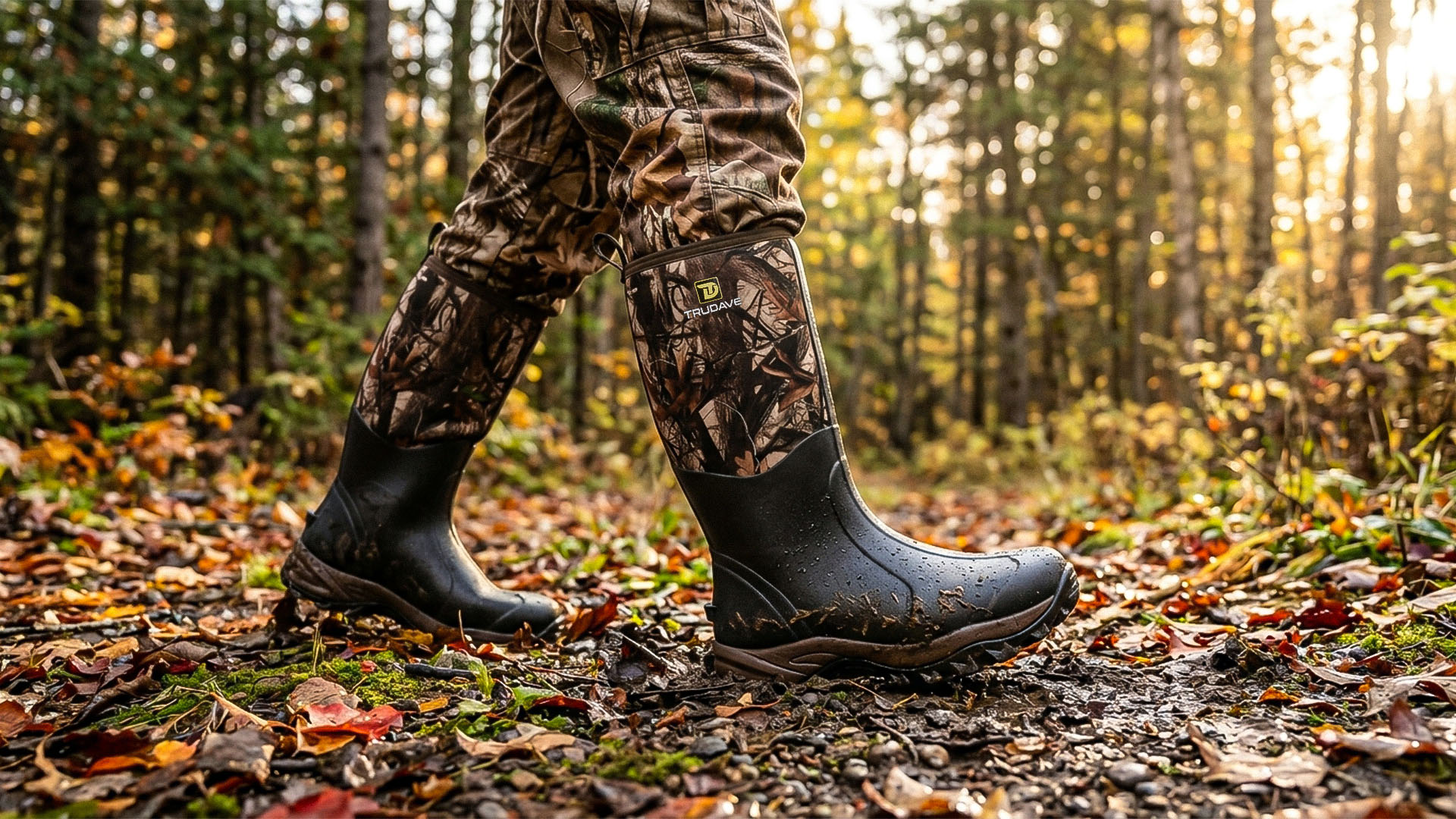
Hunters working these environments may benefit from waterproof hunting boots for hog hunting that provide secure heel retention, reliable mud traction, and enough protection for wet southern ground.
Tall Waterproof Boots Can Work Well
Rubber hunting boots are practical around:
- Mud
- Swamp edges
- Wet grass
- Shallow water
They provide excellent moisture protection.
Fit remains important.
Loose Rubber Boots Become Exhausting
Sticky mud pulls at every step.
A poor heel fit can create:
- Blisters
- Fatigue
- Poor balance
Choose boots that remain secure.
Waterproof Lace-Up Boots Can Be Better for Long Walking
If most of the route involves:
- Firm forest roads
- Rolling pine terrain
with only moderate wet sections, supportive lace-up waterproof boots may provide better comfort.
Choose Footwear for the Whole Hunt
Do not choose boots only for one muddy crossing.
Think about:
- Distance
- Water depth
- Temperature
- Terrain
The best boot is the one that handles most of the route well.
Mud Traction Matters
Deep southern mud can fill tread quickly.
Clean excessive mud when necessary.
Take shorter steps on slopes.
Wet Roots Are Slippery
Creek bottoms often contain exposed roots.
After rain, these can become dangerous.
Step over rather than directly onto slick surfaces when possible.
Fallen Logs Create More Hazards
Wet bark becomes extremely slick.
Walk around unstable logs when practical.
Do not rush during low-light access.
Palmetto Can Hide the Ground
In parts of the Southeast, thick palmetto may hide:
- Holes
- Logs
- Water
Lift your feet.
Move slowly.
Briars Can Make Good Habitat Miserable
Thick briars discourage human traffic.
That can make the cover more attractive to pressured hogs.
Durable clothing helps hunters enter productive habitat.
Brush-Resistant Pants Are Useful
Thorns and vegetation can damage lightweight clothing quickly.
Use materials appropriate for:
- Briars
- Young pine
- Hardwood understory
Gaiters Can Help
Gaiters may reduce:
- Seeds
- Mud
- Water
entering footwear.
They can also protect lower legs.
Eye Protection Can Be Useful
Dense brush and young pine frequently reach face height.
Clear protective glasses can reduce scratches.
Heat Can Be a Major Challenge
Southern hog hunting may occur during hot and humid conditions.
Hunters walking through:
- Mud
- Thick vegetation
can overheat quickly.
Carry water.
Humidity Makes Cooling Difficult
Sweat evaporates less efficiently in high humidity.
Take breaks.
Use breathable layers.
Avoid unnecessary heavy clothing.
Hogs May Change Activity With Heat
During hot periods, pigs may spend more time in:
- Shade
- Wet cover
- Creek bottoms
Daylight movement can decrease.
Fresh sign near cool secure habitat becomes more important.
Early Morning Can Be Productive
Animals returning from feeding areas may still be moving near daylight.
Check routes connecting:
- Fields
- Swamps
- Bedding cover
Late Evening Can Bring Hogs Back Toward Food
As temperatures fall, pigs may move toward:
- Fields
- Mast
- Feeding zones
Position between security and food.
Overcast Weather Can Extend Activity
Cloudy conditions reduce heat and bright sunlight.
This may encourage longer movement periods.
Do not automatically leave just because sunrise passed.
Cold Fronts Can Change Patterns
A major weather shift may alter:
- Feeding activity
- Bedding
- Travel timing
Rescout after strong changes.
Wind Is Critical
Feral hogs have a strong sense of smell.
A good habitat setup can fail immediately if your scent blows toward them.
Always check wind.
Use Crosswind Approaches When Possible
A crosswind may allow hunters to approach travel corridors while keeping scent away from likely cover.
The exact route depends on terrain.
Thick Brush Does Not Hide Scent
You may not see pigs inside cover.
They can still smell you.
Do not let vegetation create false confidence.
Thermals Matter in Bottomlands
Cool air can settle into:
- Creeks
- Swamps
- Low terrain
as temperatures change.
Check wind frequently.
Still-Hunting Can Work in Wet Woods
Rain-softened leaves allow quiet movement.
Move:
- Slowly
- Deliberately
through fresh-sign areas.
Take several steps.
Stop.
Listen.
Scan.
Hogs Can Be Noisy
Groups may produce:
- Grunts
- Foot movement
- Brush noise
before they become visible.
Listen carefully.
But Do Not Depend on Noise
A single hog can move surprisingly quietly.
Use fresh tracks and wind to guide the approach.
Binoculars Help in Brushy Habitat
Optics can help hunters distinguish:
- Pig
- Stump
- Shadow
through openings.
Use them before moving closer.
Look for Pieces of the Animal
Dense vegetation may reveal only:
- Ear
- Back
- Leg
- Shoulder
Do not expect the full animal.
Positive Identification Comes First
Southern woods may contain:
- Livestock
- Domestic pigs
- Other wildlife
Never shoot at:
- Movement
- Sound
- A dark shape
without clear identification.
Property Boundaries Matter
Hog habitat frequently spans:
- Private farms
- Timberland
- Public ground
Know ownership.
Animals crossing property lines do not create permission.
Private Land Access Can Be Valuable
Feral hogs often create agricultural damage.
Some landowners may allow hunting.
If permission is granted:
- Follow parking rules
- Respect crops
- Leave gates as directed
- Avoid wet-road damage
Do Not Assume Landowners Want Every Hunting Method
Ask clearly about:
- Timing
- Vehicles
- Number of hunters
Property access depends on trust.
Livestock Requires Extra Safety Awareness
Hog habitat may overlap with:
- Cattle
- Horses
- Domestic pigs
Know what is behind the target.
Never shoot toward livestock.
Farm Buildings Can Be Hidden
Vegetation and terrain can obscure:
- Barns
- Houses
- Equipment
Map the property before hunting.
Public-Land Hog Rules Vary
Even where feral hogs are widely present, hunting regulations can differ substantially.
Check the exact property.
Some areas may restrict:
- Seasons
- Weapons
- Hunting hours
- Methods
Do Not Assume “Invasive” Means “No Rules”
Feral hog classification does not remove:
- Land-access laws
- Firearm restrictions
- Public-land regulations
Always verify current requirements.
Night Hunting Rules Can Vary Greatly
Some jurisdictions may allow certain night-hunting methods.
Others do not.
Rules may involve:
- Artificial lights
- Thermal optics
- Night vision
- Firearms
Check current official regulations.
Baiting Regulations Vary Too
Methods involving feed or attractants may be restricted.
Verify current:
- Wildlife regulations
- Landowner rules
before using them.
Dog Hunting May Be Regulated Separately
Some areas permit hog hunting with dogs under specific rules.
Others may restrict it.
Hunters should verify:
- Dog regulations
- Season
- Property access
for the exact jurisdiction.
Dogs Face Extra Risks in Hog Country
Feral hogs can injure dogs.
Anyone legally hunting with dogs should understand the risks and follow appropriate training, control, and veterinary-preparedness practices.
Hogs Can Be Dangerous at Close Range
Feral hogs generally avoid people when given space, but wounded, cornered, or surprised animals can be dangerous.
Do not intentionally crowd animals.
Maintain awareness during recovery.
Thick Cover Can Create Sudden Encounters
Visibility may be only a few yards.
Move cautiously.
Have a safe route.
Do not blindly push dense cover.
Never Approach a Wounded Hog Carelessly
Recovery should be deliberate.
Use visibility when possible.
Follow current hunter-safety practices.
Do not rush into brush after an animal without understanding the situation.
Safe Shooting Backgrounds Matter
Flat southern landscapes can contain:
- Roads
- Homes
- Livestock
beyond the target.
Know what lies behind the animal.
Brush Is Not a Backstop
Vegetation can hide hazards.
Wait for a clear safe shot.
Multiple Hogs Can Overlap
Sounders may bunch closely together.
Before shooting, ensure the legal target is clearly separated.
Do Not Shoot Through the Group
Wait for a safe individual opportunity.
Patience improves both safety and recovery.
Recovery Begins Before the Shot
Note:
- Exact location
- Trail
- Creek
- Brush line
before firing.
Dense habitat makes relocation difficult.
Watch the Animal After the Shot
Stay focused on:
- Direction
- Last visible location
- Behavior
Do not immediately move.
Mud Can Help Tracking
Fresh hoof prints may reveal direction.
But group tracks can also create confusion.
Work carefully.
Rain Can Erase Sign
Heavy rain may reduce visible blood and tracks.
Look for:
- Hair
- Disturbed vegetation
- Mud tracks
- Blood where present
Do Not Destroy the Trail
Avoid unnecessary foot traffic.
Mark confirmed sign before moving farther.
Thick Brush Can Hide a Hog Only Yards Away
Search methodically.
Maintain situational awareness.
Do not assume the animal traveled far.
Warm Weather Makes Game Care Urgent
Southern temperatures can remain high during much of the year.
Proper field care should begin promptly.
Prepare:
- Game bags
- Cooler space
- Ice
before hunting.
Large Hogs Retain Heat
Body mass and hide can slow cooling.
Do not assume shade alone is sufficient.
Follow current food-safety guidance.
Wild Hog Meat Requires Proper Handling
Use clean field-processing practices.
Follow current food-safety recommendations concerning wild swine and thorough cooking.
Wear Gloves During Processing
Wild pigs can carry pathogens that may pose risks during handling.
Use appropriate protective gloves and hygiene.
Avoid direct contact with:
- Blood
- Internal fluids
where practical.
Do Not Consume Animals That Appear Sick
If an animal shows unusual signs of illness, consult current wildlife or public-health guidance.
Food safety should take priority.
Regulations Should Be Checked Before Every Hunt
Feral hog laws can change and may differ by:
- State
- Public versus private land
- Season
- Method
Verify current:
- License requirements
- Hunting hours
- Weapon rules
- Baiting rules
- Night-hunting rules
- Dog regulations
using official sources.
Land-Management Rules Can Be More Restrictive Than State Rules
A method legal statewide may still be prohibited on a specific:
- Wildlife management area
- National forest
- Other public property
Check both sets of rules.
Habitat Damage Is Part of the Feral Hog Issue
Feral hogs can damage:
- Soil
- Crops
- Wetlands
- Native vegetation
through rooting and other behavior.
Management strategies vary by region.
Responsible Hunters Should Minimize Their Own Impact
Do not create additional damage through:
- Driving wet roads
- Disturbing crops
- Damaging fences
Responsible access matters even when pursuing an invasive species.
Common Feral Hog Hunting Mistakes
Hunting Old Rooting
Fresh sign matters more than dramatic sign.
Ignoring Current Food
Hog patterns can change rapidly.
Hunting Fields Without Studying Security Cover
Daylight pigs may be nearby in timber or swamp.
Ignoring Creek Systems
Water and low ground can organize movement.
Wearing Leaky or Loose Boots
Mud, wet grass, and shallow water punish poor footwear quickly.
Assuming Thick Brush Makes Wind Unimportant
Hogs rely heavily on smell.
Rushing Into Cover During Recovery
A wounded hog requires cautious recovery.
Assuming Feral Hog Hunting Has No Regulations
Rules differ widely by jurisdiction and property.
Frequently Asked Questions
Where do feral hogs usually live?
Feral hogs may use pine woods, hardwood bottomlands, agricultural fields, swamps, creek systems, pasture, brush, and other habitats providing food, water, and security.
Is fresh rooting a good hog-hunting sign?
Yes. Freshly disturbed moist soil can indicate recent feeding, especially when combined with fresh tracks, scat, or nearby bedding cover.
Is hog hunting good after rain?
Rain can make fresh tracks easier to identify, soften soil for rooting, and reset older sign, although it can also make roads and trails extremely muddy.
Are creek bottoms good places to find hogs?
They can be. Creek systems provide water, mud, travel corridors, and dense security habitat.
What boots are best for hog hunting?
Waterproof hunting boots with secure heel retention, strong mud traction, and enough protection for wet grass, shallow water, creek bottoms, and muddy forest roads are practical.
Do feral hog hunting laws vary by state?
Yes. Licensing, hunting hours, night methods, baiting, dog use, firearm rules, and public-land regulations can vary significantly. Hunters should always verify current official rules.
Final Thoughts
Feral hog hunting teaches hunters that the amount of sign is less important than the age of the sign.
A field can be destroyed and still be cold.
A creek bank can be covered with tracks and still have seen no pigs since yesterday.
But fresh mud tells a different story.
Fresh rooting.
Sharp tracks.
Wet rubs.
Newly disturbed vegetation.
Those clues shrink the landscape.
Find current food.
Follow the freshest tracks.
Study creek bottoms.
Watch the transition between fields and security cover.
Use rain to reset old sign.
Respect the wind.
Wear boots that let you cross wet grass, mud, pine woods, shallow water, and bottomland trails without forcing you onto the easiest route.
And when you finally find fresh rooting that is still dark and wet, stop treating it like another damaged patch of ground.
It is a timestamp.
The hogs just told you how recently they were there.
