
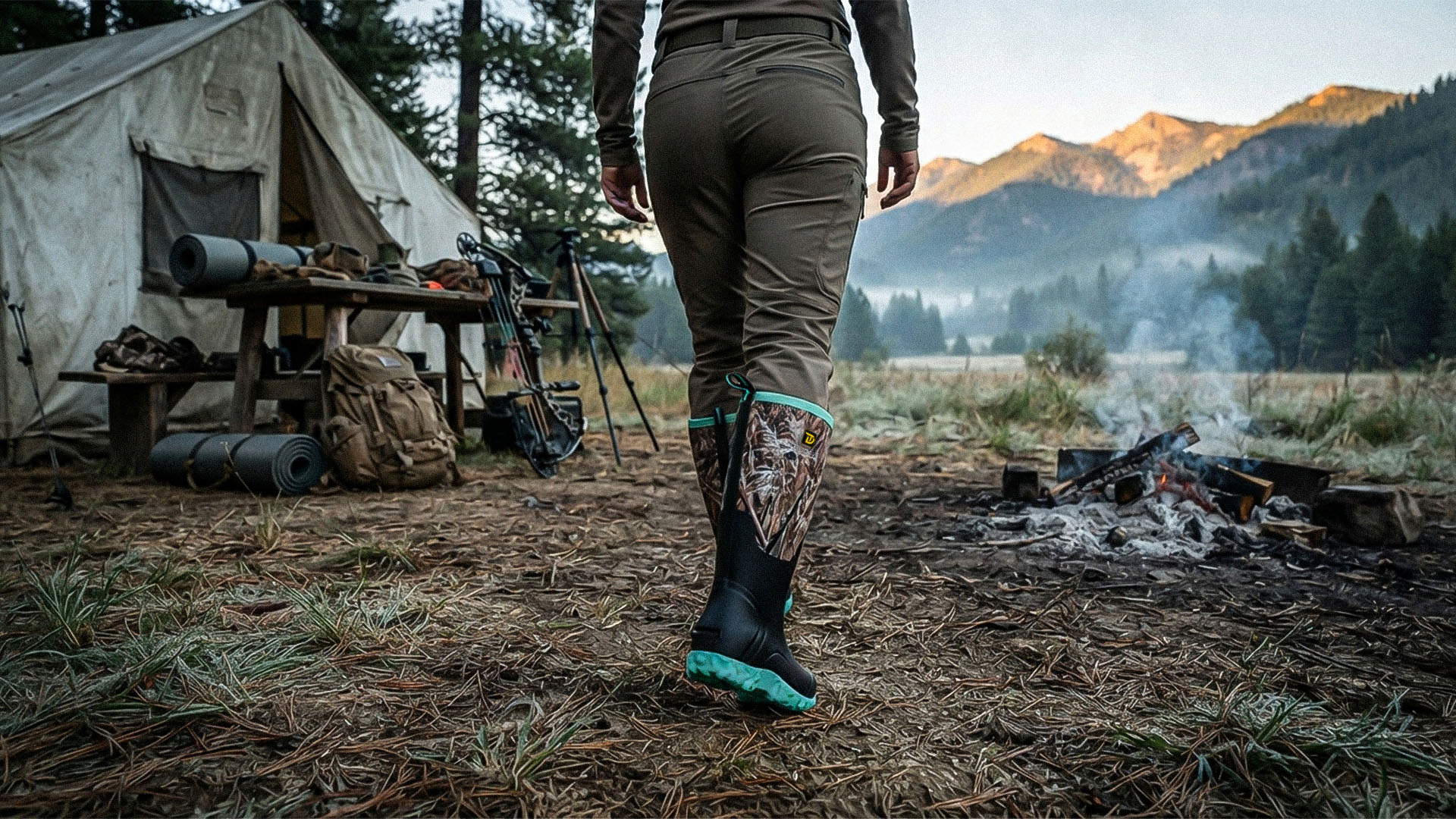
A duck marsh looks quiet before sunrise.
Cold water.
Fog above the surface.
Tall grass moving in the wind.
The hunter waits in darkness.
Then the first wings appear.
A flock crosses overhead.
Another group circles.
Suddenly the wetland becomes alive.
But successful waterfowl hunting is not simply about being near water.
Ducks and geese are constantly making decisions.
Where is food?
Where is safety?
Where can they rest?
Where are hunters?
The hunter who understands those patterns has the advantage.
Waterfowl hunting is a game of preparation, timing, concealment, and knowing how birds use the landscape.
Ducks Follow Food and Security
Waterfowl choose locations based on two major needs:
Food.
Safety.
Good hunting areas often provide:
- Feeding opportunities
- Resting water
- Cover
- Low disturbance
- Travel routes
A large body of water does not always mean more birds.
A smaller wetland with better conditions may attract more activity.
Scouting Comes Before Hunting
Successful waterfowl hunters spend time scouting.
Look for:
- Morning flight paths
- Evening return routes
- Feeding areas
- Resting locations
Observe where birds actually go.
Do not assume.
Bird behavior changes with:
- Weather
- Pressure
- Food availability
- Migration timing
Migration Changes Everything
Waterfowl movement is strongly connected to weather.
Cold fronts can push new birds into an area.
Warm periods may slow migration.
Pay attention to:
- Temperature changes
- Wind direction
- Storm systems
A major weather change can completely alter hunting conditions.
Wind Direction Influences Bird Movement
Ducks and geese use wind when landing and taking off.
Wind affects:
- Approach routes
- Decoy placement
- Blind position
Understanding wind helps create a more natural setup.
The best location is not always where birds are today.
It is where birds want to land tomorrow.
Decoy Placement Should Look Natural
More decoys do not always mean better results.
Birds respond to realistic situations.
Consider:
- Water depth
- Wind
- Species behavior
- Available landing space
Leave open areas where birds naturally want to finish.
A crowded spread can look unnatural.
Concealment Is Critical
Waterfowl have excellent eyesight.
A poor blind setup can ruin an otherwise perfect location.
Use:
- Natural vegetation
- Shadows
- Terrain
- Proper camouflage
Avoid unnecessary movement.
The bird does not need much information to become suspicious.
Morning Is the Classic Opportunity
Early morning movement is one of the most exciting times.
Birds leave roost areas and move toward feeding locations.
Study:
- Flight paths
- Wind
- Sun position
The first hour often reveals whether your setup is correct.
Evening Scouting Provides Valuable Information
Evening flights reveal:
- Where birds feed
- Where they rest
- How they travel
Many successful hunts are created the night before.
Good scouting reduces guesswork.
Cold Weather Changes Bird Behavior
As temperatures drop, waterfowl become more focused on survival.
They seek:
- Open water
- Food sources
- Protected areas
Cold weather can increase movement.
But it also creates tougher hunting conditions.
Ice Changes Wetland Strategy
When water begins freezing, birds concentrate.
Look for:
- Open water pockets
- Moving water
- Deeper areas
- Warm-water areas
Small areas of available water can become extremely valuable.
Rain Can Improve Hunting Conditions
Rain may:
- Reduce hunter visibility
- Increase bird movement
- Create fresh feeding opportunities
Wet weather can make the environment more natural.
However, storms can also change migration patterns.
Wet Conditions Create Footwear Challenges
Waterfowl hunting often involves the wettest hunting environments.
Conditions may include:
- Mud
- Marsh water
- Standing water
- Cold rain
- Wet vegetation
Hunters working these environments may benefit from waterproof hunting boots for waterfowl hunting that provide reliable waterproof protection, traction, and comfort during long hours in wetlands.
Dry feet are essential during cold-weather hunts.
Waterproofing Is Not Optional
Wet feet in cold conditions quickly become a problem.
Quality hunting boots help protect against:
- Marsh water
- Rain
- Mud
- Snowmelt
Staying dry improves comfort and endurance.
Traction Matters in Mud
Wetlands can be deceptively difficult.
Mud may:
- Pull at boots
- Hide holes
- Become slippery
Good traction improves:
- Stability
- Safety
- Movement efficiency
Especially when carrying equipment.
Comfort Matters During Long Waits
Waterfowl hunting often requires sitting still for hours.
Cold feet become distracting.
Choose footwear that balances:
- Warmth
- Waterproofing
- Comfort
- Mobility
The hunter who stays comfortable stays focused.
Goose Hunting Requires Different Thinking
Geese often behave differently from ducks.
They may:
- Travel farther
- Use agricultural fields
- Become more cautious
Successful goose hunting requires understanding:
- Feeding patterns
- Family groups
- Flight routes
Agricultural Fields Can Be Important
During migration, geese may use:
- Corn fields
- Grain fields
- Pastures
Food sources can change daily.
Scout regularly.
Yesterday’s field may not be today’s field.
Pressure Changes Bird Behavior
Waterfowl quickly learn hunting pressure.
They may:
- Change flight times
- Move farther away
- Avoid common locations
Finding less pressured areas can improve success.
Public Land Requires Preparation
Public wetlands often receive heavy pressure.
Research:
- Access points
- Hunting zones
- Regulations
- Boat routes
Arrive prepared.
Good locations are often discovered before opening morning.
Safety Matters Around Water
Wetland hunting includes unique risks.
Be careful around:
- Deep water
- Ice
- Mud
- Boats
- Cold temperatures
Always prioritize safety.
Equipment Organization Matters
Waterfowl hunting involves more equipment:
- Decoys
- Calls
- Blind materials
- Ammunition
- Clothing
Organize gear before hunting day.
Small mistakes create big problems before sunrise.
Calling Requires Realism
Calling is not about making constant noise.
Successful calling matches:
- Species
- Situation
- Bird behavior
Sometimes silence is more effective.
Watch the birds.
Adjust accordingly.
Do Not Overcall
Too much calling can make birds suspicious.
Natural behavior is often better.
Use calls to:
- Gain attention
- Encourage landing
- Create confidence
Not to force every bird.
Shooting Discipline Matters
Waterfowl hunting requires clear identification.
Confirm:
- Species
- Legal bird
- Safe background
Avoid shooting at unclear targets.
Responsible hunting protects the future of the sport.
Recovery Planning Is Important
Wetlands create unique recovery challenges.
Consider:
- Water depth
- Mud
- Distance
- Equipment
A harvested bird still needs to be recovered safely.
Common Waterfowl Hunting Mistakes
Hunting Without Scouting
Birds decide locations.
Ignoring Wind
Landing patterns depend on it.
Poor Concealment
Movement gives hunters away.
Wrong Decoy Setup
Natural appearance matters.
Poor Footwear
Wet conditions require waterproof protection.
Ignoring Weather
Migration changes quickly.
Frequently Asked Questions
What is the best time to hunt ducks?
Morning flights are popular, but evening scouting and movement can also provide valuable opportunities.
Where do ducks like to land?
They often choose locations with food, safety, and suitable water conditions.
Does cold weather improve duck hunting?
Cold fronts can increase migration and movement, but conditions depend on local habitat.
What boots are best for waterfowl hunting?
Waterproof hunting boots with traction, comfort, and protection from cold wet conditions are ideal.
Is waterfowl hunting physically demanding?
Yes. Carrying equipment, walking through mud, and spending long periods outdoors can be challenging.
Final Thoughts
Waterfowl hunting is not about sitting near any piece of water.
It is about understanding why birds choose a place.
Food.
Safety.
Weather.
Migration.
Wind.
The best hunters do not simply wait for ducks.
They study the environment that brings ducks there.
Scout before hunting.
Respect weather.
Stay concealed.
Wear boots that can handle cold water, mud, and long wetland days.
Because in waterfowl hunting, success belongs to the hunter who understands the movement before the wings appear.
