
Chukar country looks impossible.
Dry mountains.
Loose rock.
Steep canyon walls.
Sharp ridges.
Almost no flat ground.
A hunter looks across a desert canyon and wonders:
“Why would any bird choose to live here?”
Then a small group of chukar explodes from the rocks.
They fly across the canyon with incredible speed.
The hunter realizes the truth.
The birds are not surviving despite the terrain.
They are surviving because of it.
Chukar hunting is one of the most physically demanding upland bird hunts in North America.
The challenge is not only finding the birds.
It is reaching the places where they feel safe.
Successful chukar hunters learn to read:
- Canyon structure
- Water sources
- Escape routes
- Feeding areas
- Mountain terrain
The birds live where hunters struggle.
That is exactly what makes the hunt unique.
Chukar Are Built for Desert Mountains
Chukar are famous for living in harsh western environments.
Their habitat commonly includes:
- Rocky desert slopes
- Canyon walls
- Sagebrush country
- Dry mountain ranges
- Talus fields
- Steep ridges
They prefer terrain that provides:
- Visibility
- Escape routes
- Rocky cover
- Access to food and water
A flat open field may look easier to hunt.
But chukar are rarely there.
The roughest terrain often holds the most birds.
Water Is the First Place to Look
In dry western landscapes, water shapes chukar behavior.
Important areas include:
- Springs
- Creeks
- Seeps
- Desert pools
- Water developments
Chukar may travel significant distances between:
- Roosting areas
- Feeding zones
- Water sources
Finding water helps reveal the entire daily pattern.
Learn Canyon Structure
Chukar hunting is not random hiking.
Every canyon has a system.
Study:
- Ridge lines
- Rock bands
- Creek bottoms
- Escape routes
- Feeding slopes
Ask:
Where would a bird sleep?
Where would it feed?
Where would it run when pressured?
The landscape provides the answers.
Morning Roost Areas Are Valuable
Early morning is often a productive time.
Chukar leave roost locations and begin moving toward:
- Water
- Feeding areas
- Sunny slopes
Listen for:
- Calls
- Wing sounds
- Movement on rocks
Do not rush immediately after hearing birds.
Study their direction.
The first sound tells you where they were.
The movement tells you where they are going.
Evening Movement Reveals Patterns
Late afternoon can reveal travel routes.
Birds often move toward:
- Water
- Roost areas
- Protected slopes
Watch:
- Canyon entrances
- Ridge crossings
- Rock benches
Even if you do not harvest a bird, evening scouting provides valuable information.
Glassing Helps Find Chukar
Many hunters make the mistake of walking constantly.
The terrain is too large.
Use optics to inspect:
- Rocky slopes
- Talus fields
- Canyon edges
Look for:
- Movement
- Groups
- Feeding behavior
A small group of birds can disappear quickly into rocks.
Listen More Than You Think
Chukar hunting is a combination of sight and sound.
Their calls can reveal:
- Location
- Group size
- Direction
Stop often.
Turn off movement.
Listen.
A silent mountain may suddenly become active.
Wind Matters in Canyon Country
Canyons create complicated airflow.
Wind can change because of:
- Sun exposure
- Elevation
- Canyon shape
- Time of day
Birds may detect hunters through:
- Sound
- Movement
- Scent
Approach carefully.
Rain Changes Chukar Habitat
Rain can transform desert mountains.
It creates:
- Fresh vegetation
- Improved water availability
- Easier tracking conditions
After rain, check:
- Mud crossings
- Fresh tracks
- Green slopes
Chukar movement may change quickly.
Wet Rocks Create Serious Challenges
Chukar terrain is already difficult.
Add rain and conditions become harder.
Hunters may encounter:
- Slick rocks
- Mud
- Wet grass
- Loose soil
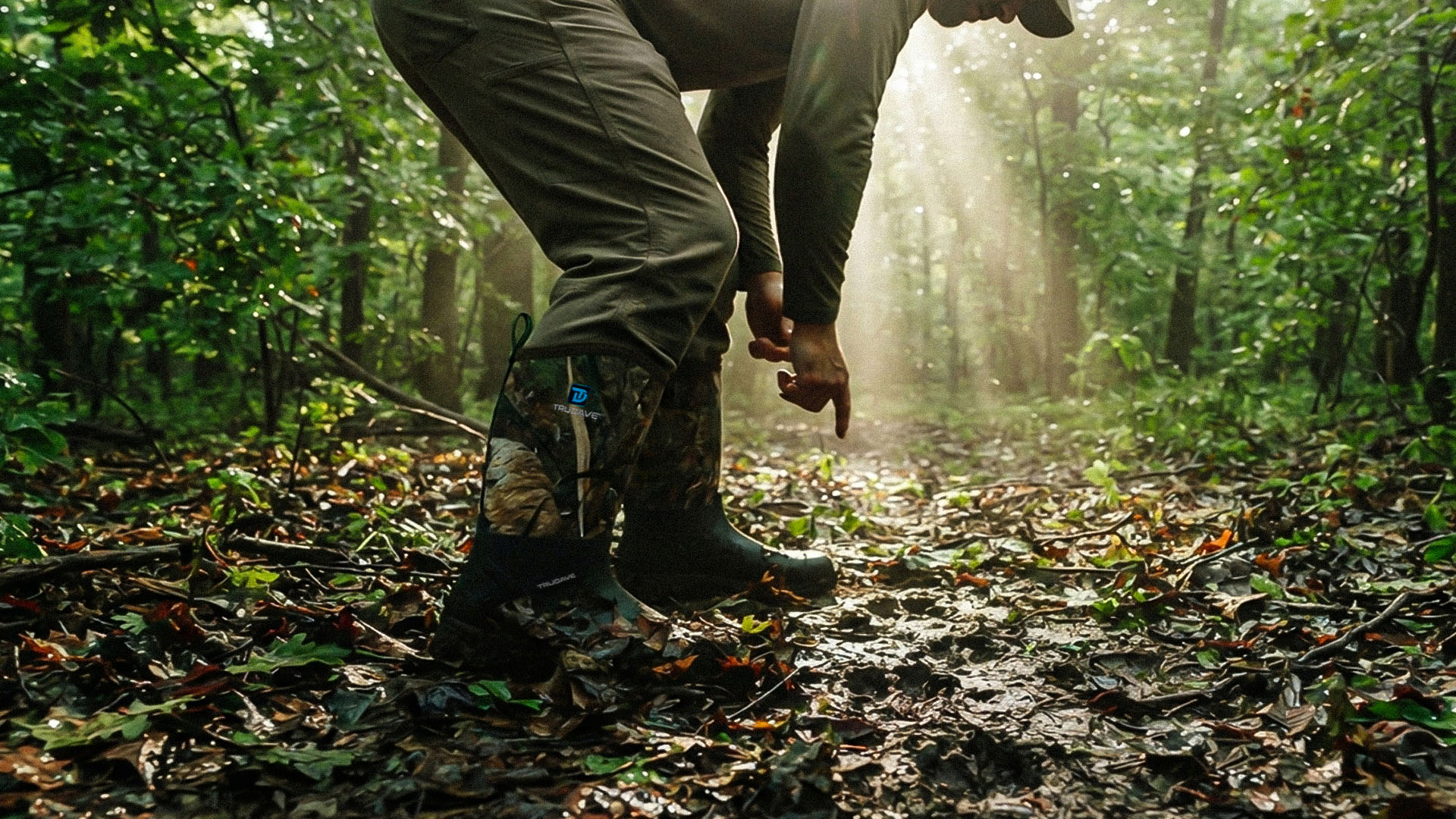
Hunters covering these environments may benefit from waterproof hunting boots for chukar hunting that provide traction, ankle support, and moisture protection during steep mountain movement.
Footwear Is One of the Most Important Gear Choices
Chukar hunting is a walking challenge.
A single day may include:
- Thousands of vertical feet
- Loose rock
- Sidehills
- Long climbs
Poor footwear can end the hunt quickly.
Look for:
- Strong traction
- Stable support
- Comfortable fit
- Durability
Sidehilling Requires Stability
Walking across steep slopes creates constant pressure.
A stable boot helps with:
- Balance
- Confidence
- Reduced fatigue
This matters when carrying:
- Shotgun
- Water
- Gear
Loose Rock Requires Careful Movement
Talus and shale can shift under every step.
Move slowly.
Choose secure footing.
Do not rush because birds are close.
A fall can create a serious problem far from help.
Lightweight Gear Helps
Chukar hunting rewards mobility.
Heavy equipment becomes painful during long climbs.
Carry only what is necessary.
Energy saved early becomes valuable later.
Hydration Is Critical
Desert mountains can be extremely dry.
Even cool temperatures can cause dehydration.
Carry enough water.
Watch for:
- Fatigue
- Headache
- Dizziness
A clear mind improves safety.
Physical Preparation Matters
Chukar hunting is often called one of the hardest bird hunts.
Preparation helps with:
- Steep climbs
- Long descents
- Heavy breathing
- Recovery
Train with:
- Hills
- Stairs
- Hiking
- Loaded packs
Navigation Is Important
Desert canyons look similar.
Mark:
- Vehicle location
- Routes
- Water
- Ridges
Do not rely only on memory.
Light changes the appearance of terrain.
Public Land Is Common
Many chukar opportunities exist on western public lands.
Research:
- Access points
- Regulations
- Road conditions
- Hunting pressure
Good preparation saves time.
Road Access Can Be Difficult
Desert roads may include:
- Loose gravel
- Mud after storms
- Washouts
A vehicle can reach a place.
That does not mean the road will remain safe.
Pressure Changes Bird Behavior
Chukar are intelligent.
Heavy pressure may push birds toward:
- Steeper terrain
- Remote canyons
- Less accessible areas
Sometimes the hardest climb produces the best opportunity.
Shooting Opportunities Happen Quickly
Chukar are fast.
Shots often happen:
- After sudden flushing
- Across canyons
- On steep angles
Practice matters.
Know your ability.
Recovery Requires Planning
A bird falling into steep terrain may create another challenge.
Consider:
- Distance
- Slope
- Access
- Remaining daylight
Do not take unnecessary risks.
Common Chukar Hunting Mistakes
Walking Without Studying Terrain
Understand the mountain first.
Ignoring Water Sources
Water controls movement.
Wearing Poor Boots
Rocky terrain demands proper footwear.
Moving Too Fast
Birds detect pressure.
Underestimating Heat
Desert conditions are deceptive.
Forgetting Navigation
Canyons confuse even experienced hunters.
Frequently Asked Questions
Where do chukar live?
Chukar commonly inhabit rocky desert mountains, steep canyons, and dry western landscapes.
Is chukar hunting difficult?
Yes. It is considered one of the most physically demanding upland bird hunts because of steep terrain and long climbs.
How do you find chukar?
Look near water sources, rocky slopes, canyon systems, and feeding areas while using both optics and listening.
What boots are best for chukar hunting?
Waterproof hunting boots with strong traction, ankle support, and durability are ideal for rocky desert terrain.
Does rain help chukar hunting?
Rain can improve vegetation and tracking conditions while changing bird movement.
Final Thoughts
Chukar hunting is not about finding easy ground.
It is about understanding difficult ground.
The birds choose cliffs because cliffs protect them.
They choose rocks because rocks give them an advantage.
The hunter who succeeds learns to move differently.
Slow down.
Study the canyon.
Follow water.
Respect terrain.
Wear boots that can handle rock, mud, steep slopes, and long climbs.
Because in chukar country, the mountain is not your enemy.
It is the reason the birds are there.
