
Fresh snow can make rabbit country look full of promise.
Tracks cross field edges, circle brush piles, disappear beneath fallen trees, and weave through young timber. A hunter can step out of the truck, look down, and feel as though every rabbit in the county traveled through the area overnight.
Then the walking begins.
One set of tracks becomes three.
Three trails cross an old logging road.
Some disappear beneath snow-covered brush. Others lead into thick cover that seems impossible to hunt.
Two hours later, you have followed plenty of sign but have not seen a rabbit.
Snow makes rabbit activity easier to see. It does not automatically make rabbits easier to find.
The key is learning which tracks are fresh, where rabbits are likely to stop, and when following every individual print becomes less productive than hunting the cover around it.
Why Fresh Snow Helps Rabbit Hunters
Without snow, rabbit sign can be difficult to interpret.
Tracks disappear in leaf litter. Trails blend into grass. Feeding activity may be hidden beneath brush or along overgrown edges.
Snow records movement.
It can reveal:
- Travel routes
- Feeding areas
- Bedding cover
- Escape paths
- Areas holding multiple rabbits
- Recent predator activity
This information helps hunters narrow large properties into smaller areas worth hunting.
The mistake is treating every track as equally valuable.
Not Every Rabbit Track Is Fresh
A clean track in snow may look recent even when it was made hours earlier.
Weather conditions influence how long tracks remain sharp.
Cold, calm conditions can preserve details.
Wind can soften the edges.
Sunlight can melt part of the print.
Additional snowfall can partially cover it.
Instead of judging one track, study the entire trail.
Fresh rabbit tracks may show:
- Sharp edges
- Loose snow around the print
- Clear toe or foot shape
- Undisturbed snow inside the track
- Recent feeding sign nearby
Older tracks often appear rounded, filled with drifting snow, or softened by temperature changes.
Learn the Basic Rabbit Track Pattern
Rabbit tracks can confuse new hunters because the hind feet often land ahead of the front feet.
The two larger hind-foot prints usually appear in front.
The smaller front-foot prints remain behind them.
This creates the familiar bounding pattern seen in snow.
Direction of travel is toward the larger tracks.
Understanding this prevents hunters from following a trail backward.
Look at several groups of tracks before deciding which direction the rabbit traveled.
Follow the Trail With a Purpose
Do not begin walking directly on top of the tracks.
Stay slightly to the side.
This protects the trail and allows you to return if the tracks become difficult to follow.
Move slowly enough to notice where the rabbit:
- Changed direction
- Stopped to feed
- Entered thick cover
- Crossed another trail
- Began moving faster
- Doubled back
The trail tells a story.
A straight line across open ground may represent travel between cover areas.
A cluster of tracks around shrubs or low vegetation often indicates feeding.
Tight circles and repeated movement may suggest the rabbit spent more time nearby.
Focus on the Destination, Not Every Footprint
Following rabbit tracks print by print can become frustrating.
Tracks frequently disappear beneath brush, logs, grass, and low-growing vegetation.
Instead of staring only at the snow, look ahead.
Ask where the rabbit is likely to go.
Common destinations include:
- Brush piles
- Fallen treetops
- Briar patches
- Young pine cover
- Thick field edges
- Overgrown fence rows
- Creek banks
- Abandoned farm equipment
- Rock piles
Use the trail to identify the next piece of security cover.
Then slow down before reaching it.
Hunt the Thickest Cover Carefully
Rabbits survive by staying close to protection.
Open hardwoods may contain tracks, but thick edge habitat usually provides better security.
Look for places where several forms of cover meet.
Examples include:
- A briar patch beside a field
- Young timber next to mature woods
- A brush pile along an old road
- Tall grass surrounding fallen trees
- Creek-bank vegetation beside agricultural ground
These transition zones provide food, escape routes, and shelter in a relatively small area.
Fresh Feeding Sign Can Be Better Than a Single Trail
A rabbit passing through an area may leave one trail.
A rabbit regularly using the area leaves more evidence.
Look for clipped vegetation, bark damage, droppings, and multiple trails entering the same cover.
When several tracks converge around available food, slow down.
You may be close to a feeding or bedding area.
Rabbit activity is often concentrated rather than evenly distributed across the property.
Pay Attention to Snow Depth
Deep snow changes how rabbits travel.
Moving through loose snow requires energy.
Rabbits may use packed trails, protected edges, and areas where vegetation prevents snow from becoming too deep.
Look beneath:
- Evergreen branches
- Thick brush
- Fallen logs
- Overhanging banks
- Dense grass
These protected areas may contain shallower snow and easier travel.
After heavy snowfall, rabbits may remain closer to secure cover instead of crossing large open spaces.
Sunlight Can Change Midday Activity
Cold mornings often keep hunters focused on the first hours of daylight.
Midday can also be productive during winter.
Sunlight warms south-facing edges, brush piles, and protected slopes.
Rabbits may move to feed or sit near cover where they can absorb warmth while remaining close to escape routes.
Check areas receiving direct winter sunlight, especially when they also provide protection from wind.
Wind Changes Where Rabbits Hold
Strong wind makes exposed cover less comfortable.
Rabbits may favor:
- Leeward hillsides
- Thick creek bottoms
- Brush piles
- Dense evergreen cover
- Protected field corners
Do not hunt every side of a property equally.
Use wind direction to identify areas offering shelter.
The calm side of a ridge or hedgerow may hold more activity than an exposed field edge only a few hundred yards away.
Move Slowly, Then Stop
Constant walking can make rabbits more difficult to see.
They often remain still while danger approaches.
When the hunter continues moving, the rabbit may wait until the last possible moment before leaving cover.
A better strategy is to alternate between slow movement and long pauses.
Take several careful steps.
Stop.
Watch the cover.
Listen.
A rabbit that feels pressure may move during the pause, making it easier to detect.
Watch Behind You
Rabbits do not always run directly away from a hunter.
They may circle around cover, double back, or move into an opening after the hunter passes.
Turn around occasionally.
Check the trail behind you.
Hunting partners should communicate clearly and maintain safe shooting zones.
Never fire without positively identifying the target and knowing what lies beyond it.
Do Not Walk Directly Through Every Brush Pile
Some cover is better hunted from the outside.
Walking into the center can push rabbits out the opposite side without giving you a clear view.
Approach slowly.
Watch likely escape routes.
Use terrain and vegetation to predict where a rabbit may exit.
When hunting with a partner, one hunter may watch the most likely escape side while the other applies careful pressure.
Always coordinate positions before moving.
Snow-Covered Ground Creates Footwear Challenges
Winter rabbit hunting may involve more walking than hunters expect.
A single trail can lead through wet snow, frozen mud, creek edges, brush-filled fields, and thawing ground.
As the day warms, snow can melt into socks and footwear. Mud may collect beneath the snow, and frozen ground can become slippery.
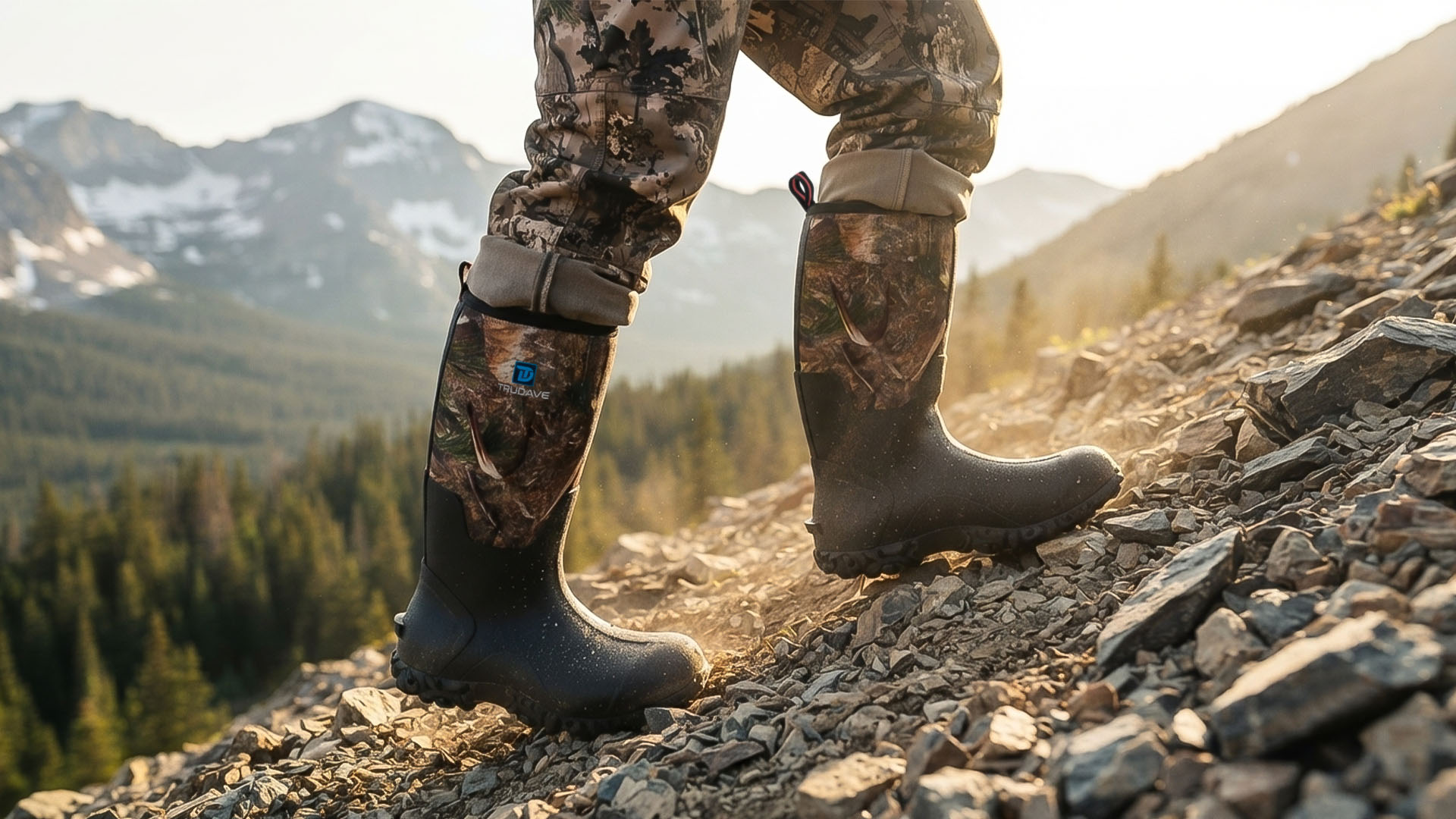
Hunters covering these mixed conditions often benefit from waterproof hunting boots for winter small-game hunting that provide reliable traction, enough warmth for the temperature, and a secure fit for repeated walking.
Heavy insulation is not always necessary.
Mobile hunters generate heat.
The correct boot should balance warmth, waterproof protection, weight, and walking comfort.
Avoid Overheating During the Walk
Cold weather encourages hunters to wear heavy clothing.
Walking through snow and thick cover produces significant heat.
Sweat can become a problem once movement stops.
Dress in layers.
Vent heat during longer walks.
Avoid allowing socks and base layers to become saturated.
Carry a dry pair of socks in waterproof storage during long hunts.
Use Tracks to Measure Hunting Pressure
Human tracks tell a story too.
Snow reveals where other hunters entered, which field edges they followed, and what cover they disturbed.
Heavily tracked areas may still hold rabbits, but overlooked cover can provide better opportunities.
Look beyond the most convenient access routes.
A small patch of briars behind a drainage ditch may receive less pressure than a large brushy field beside the parking area.
Predator Tracks Provide Useful Information
Fox, coyote, bobcat, and domestic dog tracks may appear in rabbit habitat.
Predator activity does not automatically mean rabbits have left.
Predators often travel where prey is available.
However, repeated fresh predator tracks can affect how rabbits use open ground.
Focus on thick escape cover and protected feeding areas.
Learn to separate rabbit trails from the larger tracks of animals following them.
Avoid Tracking Into Unsafe Terrain
Snow hides obstacles.
Ditches, holes, wire, fallen branches, ice, and uneven ground may be difficult to see.
Do not stare at the trail so intensely that you stop watching where you step.
Slow down near creeks, steep banks, frozen ponds, and snow-covered fences.
A rabbit trail is not a safe route simply because the animal crossed it.
Hunt With a Backup Plan
A promising trail may become impossible to follow.
The cover may be too thick.
Tracks may cross private property.
Another hunter may already be working the area.
Identify several cover locations before the hunt.
Move between them based on fresh sign.
Successful small-game hunters remain flexible rather than committing the entire morning to one trail.
Common Snow-Tracking Mistakes
Following Every Track
Use tracks to identify productive cover instead of chasing every individual print for long distances.
Walking on Top of the Trail
Stay to the side so you can study the sign and return to the last clear location.
Looking Only at the Snow
Watch brush, logs, shadows, and likely escape routes.
Moving Constantly
Frequent pauses can encourage hidden rabbits to move.
Ignoring Wind Protection
Rabbits often use sheltered cover during strong winter wind.
Wearing Too Much Insulation
Mobile hunters can overheat even in cold weather.
Forgetting About Other Hunters
Snow reveals pressure. Use that information to locate overlooked cover.
Frequently Asked Questions
Is rabbit hunting good after fresh snow?
Yes. Fresh snow makes tracks and recent activity easier to identify, helping hunters locate feeding areas, travel routes, and security cover.
How can you tell which direction a rabbit traveled?
The larger hind-foot tracks usually land ahead of the smaller front-foot tracks. The rabbit traveled toward the larger prints.
Where do rabbits hide during winter?
Rabbits commonly use brush piles, briar patches, field edges, young timber, creek banks, tall grass, and other thick cover that provides protection from predators and weather.
What time of day is best for winter rabbit hunting?
Early morning can be productive, but midday movement may improve when sunlight warms protected cover and feeding areas.
Should you follow rabbit tracks directly?
Stay slightly beside the tracks rather than walking over them. Use the trail to identify likely feeding and bedding cover.
What should you wear for rabbit hunting in snow?
Wear layered clothing appropriate for walking, waterproof footwear with reliable traction, gloves, eye protection around thick brush, and clothing suitable for changing winter temperatures.
Final Thoughts
Fresh snow gives rabbit hunters information.
It does not provide automatic success.
The woods may be covered in tracks, but only some of those tracks lead toward rabbits still using the area.
Learn the basic track pattern.
Judge freshness carefully.
Look ahead toward security cover.
Focus on feeding sign.
Use wind and sunlight to identify comfortable winter habitat.
Move slowly.
Stop frequently.
Watch likely escape routes.
And remember that the goal is not to follow every footprint until it disappears.
The goal is to use those footprints to understand where rabbits feel safe enough to spend the day.
Once you begin reading the complete habitat instead of staring at individual tracks, fresh snow becomes one of the most useful scouting tools a small-game hunter can have.
