
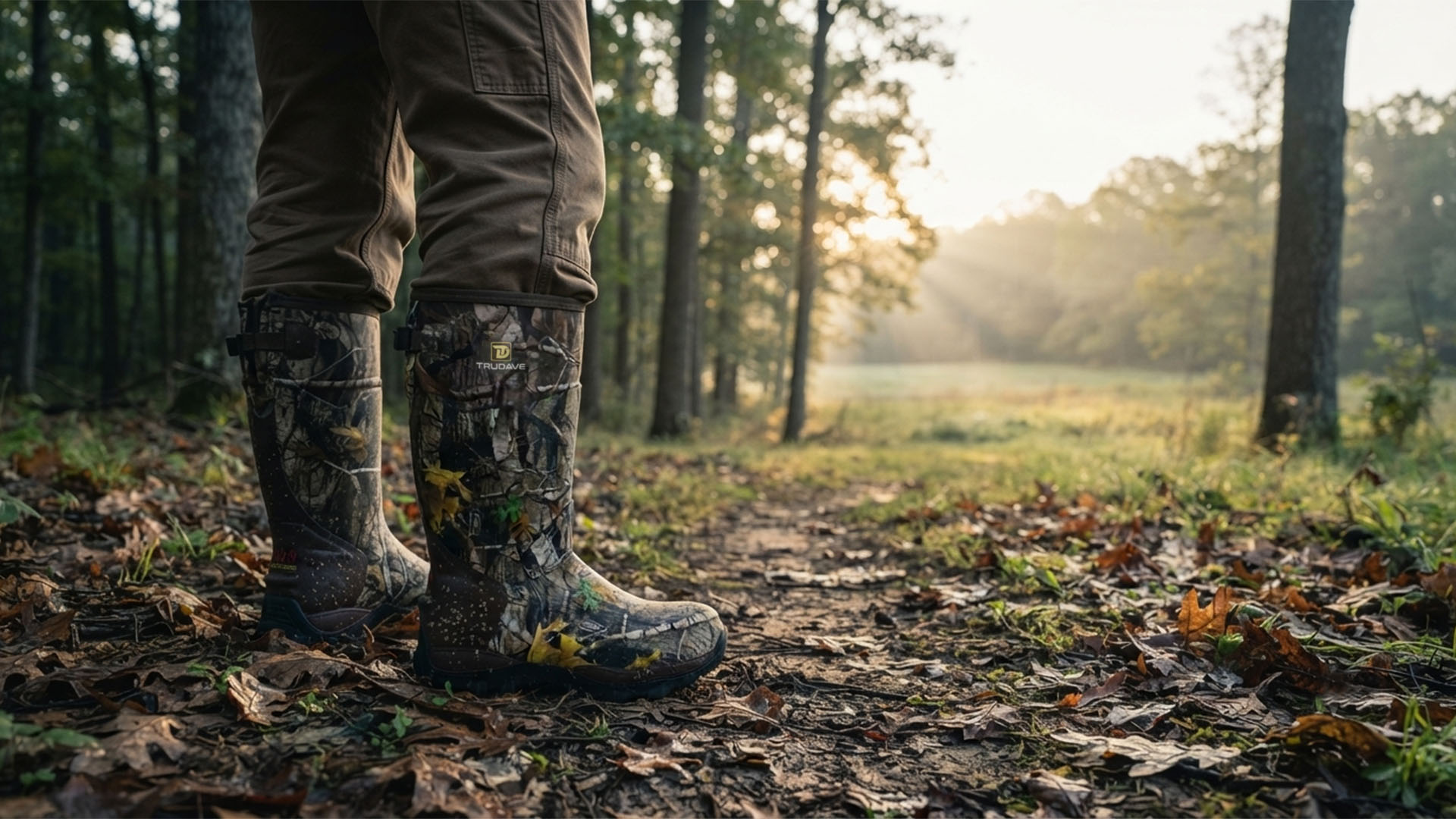
Public land hunting has never been more popular.
Improved mapping apps, online property boundaries, satellite imagery, and growing interest in DIY hunting have opened millions of acres to hunters across the United States.
That also means competition has increased.
Many hunters respond by trying to hunt farther from the parking lot. While distance can reduce pressure, it isn’t always the deciding factor.
Successful public land hunters don’t simply walk farther—they think differently about access.
The route you take into the woods often matters more than the total number of miles you hike.
Most Hunters Follow the Same Path
Visit a busy wildlife management area during opening week and you’ll notice a pattern.
Headlamps move down the main trail.
ATVs stop at the same gates.
Boot tracks concentrate around obvious access points.
Human behavior is remarkably predictable.
Deer notice these patterns over time.
They learn where disturbance occurs most often and adjust their movement accordingly.
Understanding hunter behavior can be just as valuable as understanding deer behavior.
Distance Alone Doesn’t Reduce Pressure
Many articles suggest hiking deeper.
Sometimes that’s the right decision.
Other times, every hunter in the parking lot has the same idea.
The result?
A crowded “backcountry” area while overlooked habitat near secondary access receives very little attention.
Instead of asking, “How far should I walk?”
Ask, “Where are most hunters unlikely to go?”
Study Access Before You Study Stand Trees
Modern mapping tools make preseason planning easier than ever.
Before looking for deer habitat, study:
- Parking areas
- Trailheads
- Closed roads
- Creek crossings
- Property boundaries
- Terrain barriers
- Swamps
- Thick vegetation
- Elevation changes
These features influence how hunters move.
Areas requiring a little extra effort—but not extreme hiking—often receive significantly less pressure.
Use Terrain as a Barrier
People generally choose the easiest route.
Steep hillsides.
Small creeks.
Brushy drainages.
Blowdowns.
Marsh edges.
These obstacles discourage casual foot traffic.
They don’t need to be impossible.
They simply need to convince most hunters that another route looks easier.
Deer often respond by using habitat just beyond these natural barriers.
Multiple Access Routes Create Flexibility
Never rely on a single entry point.
Wind changes.
Parking areas fill.
Another hunter reaches your planned location first.
Identify several approaches during preseason scouting.
Having options allows you to adapt without forcing a poor setup.
Arrive Early—but Not Carelessly
Getting to the property before daylight is important.
Moving quietly is even more important.
Rushing creates noise.
Breaking branches.
Slamming truck doors.
Talking loudly.
These mistakes educate wildlife long before legal shooting light.
A calm, organized approach often provides a greater advantage than arriving thirty minutes earlier.
Avoid Walking Through the Best Habitat
One of the most common mistakes on public land is contaminating the area you hope to hunt.
Whenever possible:
- Enter from the downwind side.
- Stay outside bedding cover.
- Avoid crossing fresh trails.
- Use terrain to remain concealed.
The goal is to reach your stand with as little disturbance as possible.
Fresh Sign Beats Internet Advice
Online forums and videos can provide ideas.
They cannot tell you what happened yesterday on your hunting property.
Trust current observations.
Look for:
- Fresh tracks
- New rubs
- Active scrapes
- Recently used trails
- Fresh droppings
Current information always outweighs old assumptions.
Midweek Hunts Can Change Everything
Weekends naturally attract more hunters.
If your schedule allows, consider hunting Tuesday, Wednesday, or Thursday.
Pressure often decreases dramatically.
The same property can hunt completely differently with fewer people walking through it.
Quiet Access Matters More Than Fast Access
Walking quickly to beat another hunter often creates unnecessary noise.
Slow down.
Pause frequently.
Listen.
Allow the woods to settle.
Quiet movement helps you detect wildlife while reducing the chance of alerting it.
Creek Crossings Can Become Opportunity
Many hunters avoid wet feet.
As a result, shallow creek crossings, marsh edges, and muddy drainages sometimes receive surprisingly little pressure.
Hunters willing to cross these areas safely often discover less disturbed habitat beyond them.
Long walks through these conditions are more comfortable with waterproof hunting boots for long public land hikes that provide dependable traction and all-day waterproof protection across changing terrain.
Always evaluate water depth, current, and footing before crossing.
Don’t Ignore Small Properties
Large public forests attract attention.
Small parcels often get overlooked.
A 300-acre tract with limited access and quality habitat can outperform a massive public forest crowded with hunters.
Judge properties by habitat quality and hunting pressure—not acreage alone.
Learn From Empty Hunts
Not seeing deer doesn’t mean the hunt failed.
Notice:
- Where hunters entered
- Which trails received traffic
- Wind conditions
- Fresh sign
- Vehicle locations
- Noise levels
Every trip provides information.
Successful public land hunters build knowledge over multiple seasons.
Weather Changes Human Behavior
Rain.
Cold fronts.
Wind.
Snow.
These conditions affect hunter participation.
Poor weather often reduces pressure.
Some of the quietest public land mornings occur when forecasts convince other hunters to stay home.
Be prepared for changing conditions and adjust your strategy accordingly.
Exit Quietly Too
The hunt isn’t over until you leave.
Avoid walking directly through feeding areas after dark.
Use the same careful access route when possible.
Reducing disturbance today improves future hunting opportunities.
Common Public Land Hunting Mistakes
Following the Main Trail
The obvious route usually receives the most pressure.
Hiking Far Without a Plan
Distance doesn’t replace strategy.
Ignoring Wind During Access
Poor entry ruins otherwise excellent stand locations.
Hunting the Same Spot Every Weekend
Pressure changes animal movement.
Trusting Last Year’s Information
Current sign matters more than history.
Entering Too Fast
Noise travels farther than many hunters realize.
Leaving Immediately After a Slow Morning
Conditions often change as hunting pressure decreases.
Frequently Asked Questions
How far should you walk on public land?
There is no ideal distance. The best location is often the one receiving the least hunting pressure while still offering quality habitat.
What is the biggest mistake on public land?
Many hunters use the same access routes, creating predictable disturbance that wildlife quickly recognizes.
Are small public hunting areas worth hunting?
Yes. Smaller properties with limited pressure and quality habitat can produce excellent hunting opportunities.
Should you hunt near parking areas?
Sometimes. Not every animal avoids nearby cover. Areas overlooked because they appear too close to access can occasionally surprise hunters.
How important is scouting public land?
Scouting is essential. Fresh sign, hunter activity, and changing conditions influence success far more than assumptions made before the season.
Final Thoughts
Public land rewards preparation, adaptability, and patience.
Walking farther helps only when it reduces pressure without creating unnecessary disturbance.
Study access before opening day.
Learn how other hunters move.
Use terrain to your advantage.
Scout fresh sign.
Adjust to weather.
Remain flexible.
And remember that the best public land strategy isn’t always hiking the greatest distance.
Sometimes it’s choosing the smartest route—the one most hunters never consider.
