
Ask a group of coyote hunters when the best hunting ends, and you’ll probably hear the same answer.
“Right after sunrise.”
It’s true that the first hour of daylight can be incredibly productive. Coyotes are often finishing their nighttime travels, responding to territorial calls, or searching for one last meal before bedding down.
But many hunters make one critical mistake.
They leave.
Parking lots begin to empty by mid-morning.
Calling stands are abandoned.
Coffee replaces binoculars.
Meanwhile, coyotes are still moving—just differently.
Understanding what changes after sunrise can open opportunities that many hunters completely overlook.
Coyotes Don’t Stop Existing at 8 A.M.
Coyotes are incredibly adaptable predators.
They don’t follow a strict schedule.
Food availability.
Human activity.
Weather.
Breeding season.
Livestock operations.
All influence daily movement.
During periods of low hunting pressure, coyotes may remain active much longer into the morning than many hunters expect.
Especially on cool, overcast days.
Morning Pressure Pushes Coyotes Into Cover
Many predator hunters unknowingly educate coyotes early.
Vehicles.
Doors slamming.
ATVs.
Calling from obvious locations.
After sunrise, experienced coyotes often move into thicker cover rather than leaving the area entirely.
Instead of abandoning the property, consider shifting your setup closer to:
- Brush lines
- Creek bottoms
- Cedar thickets
- Shelterbelts
- Draws
- Overgrown fence rows
Coyotes still travel.
They simply become more cautious.
Thick Cover Doesn’t Mean You Can’t Call
Many hunters avoid calling in dense vegetation because visibility is limited.
Yet thick cover often provides security that coyotes prefer after daylight increases.
Adjust your expectations.
Instead of expecting a 400-yard approach across open pasture, be prepared for a coyote to appear suddenly within shotgun or close rifle range.
Stay alert.
Small openings often produce surprisingly fast encounters.
Weather Extends Morning Activity
Temperature plays an important role.
Cool mornings often keep coyotes active longer.
Cloud cover reduces bright sunlight.
Light rain lowers hunting pressure.
Windy conditions may encourage coyotes to remain inside thicker habitat while still responding to calls.
Pay attention to weather transitions instead of relying only on the clock.
Wind Determines Stand Selection
Every predator hunter understands the importance of wind.
Coyotes almost always attempt to identify a sound source by scent before committing.
Plan every stand with likely downwind approaches in mind.
Avoid sitting where a coyote can easily circle behind you without being seen.
Good visibility downwind often matters more than visibility directly ahead.
Don’t Overcall
One of the biggest mistakes after sunrise is calling too aggressively.
Late-morning coyotes are often closer than expected.
Continuous loud calling can sound unnatural.
Instead:
- Call briefly.
- Wait.
- Watch carefully.
- Repeat when necessary.
Patience frequently outperforms volume.
Use Terrain to Stay Hidden
Approaching a stand quietly matters.
Avoid walking skylines.
Use creek bottoms.
Travel behind ridges.
Stay below the horizon whenever possible.
Even if coyotes don’t see you directly, unnecessary movement increases the chance they’ll avoid the area before you ever begin calling.
Fresh Tracks Matter More Than Yesterday’s Success
Predator movement changes quickly.
Fresh tracks.
Scat.
Recent kills.
Feather piles.
Livestock activity.
These provide much better information than stories about where coyotes responded last month.
Scout continuously.
Adapt constantly.
Public Land Can Produce Excellent Late-Morning Hunts
Many public areas become quieter after the first wave of hunters leaves.
Less vehicle traffic.
Fewer calling sequences.
Reduced disturbance.
Coyotes may begin moving again once activity decreases.
Consider making several shorter calling stands rather than sitting all morning in one location.
Boots Matter More Than You Think
Predator hunters often cover a surprising amount of ground between calling stands.
Old logging roads.
Rocky hillsides.
Frozen grass.
Mud.
Creek crossings.
Brush-filled drainages.
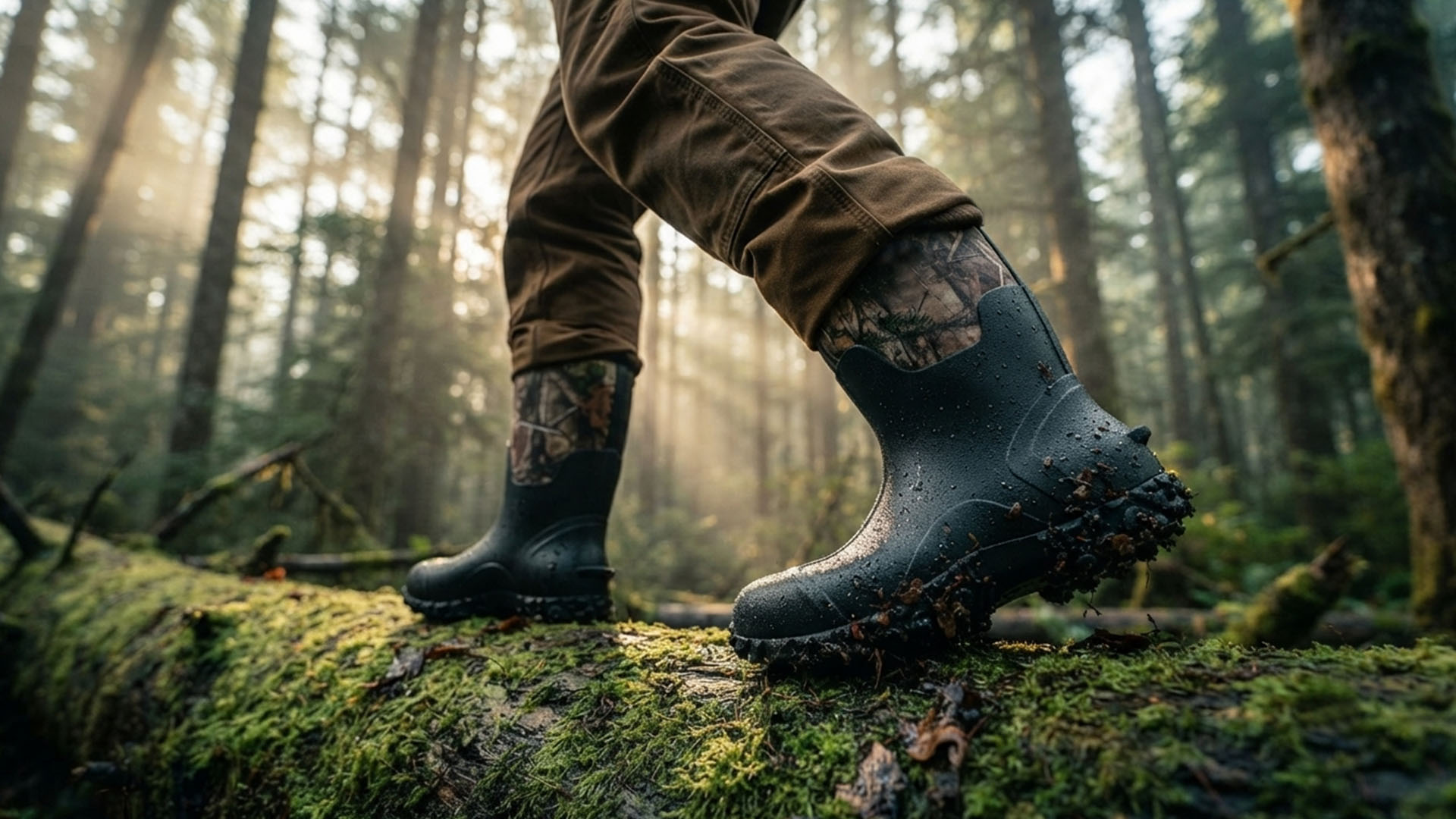
Hunters making multiple setups throughout the morning often appreciate waterproof hunting boots for predator hunting in rough terrain that provide dependable traction and all-day comfort while remaining quiet during long walks.
Comfort allows hunters to stay mobile instead of ending the hunt early because their feet are exhausted.
Watch Birds
Bird behavior often provides clues.
Crows.
Magpies.
Ravens.
Vultures.
These birds frequently gather around carrion.
Coyotes know this.
A concentration of scavenger birds can reveal recent predator activity worth investigating.
Stay Longer on Productive Stands
Many hunters abandon a stand after ten minutes.
Sometimes that’s enough.
Sometimes it isn’t.
Late-morning coyotes may approach more cautiously.
Allow additional time before moving.
The extra patience can make the difference between hearing nothing and watching a cautious coyote appear at the edge of cover.
Breeding Season Changes Everything
Winter breeding activity often increases daytime movement.
Territorial responses become stronger.
Challenge howls.
Pair vocalizations.
Territorial calls.
These sounds may outperform distress calls during certain periods of the year.
Adapt your calling strategy to the season.
Don’t Ignore Livestock Country
Working cattle ranches.
Sheep operations.
Goat farms.
These areas often attract coyotes.
Always obtain permission before hunting private property.
Respect livestock.
Understand local regulations.
Coyotes frequently travel predictable routes between bedding cover and feeding opportunities.
Common Late-Morning Coyote Hunting Mistakes
Leaving Too Early
Activity often continues after sunrise.
Calling Too Loud
Late-morning coyotes may already be nearby.
Ignoring Thick Cover
Security habitat often becomes more important as daylight increases.
Walking Skylines
Visible movement alerts predators long before calling begins.
Hunting Yesterday’s Stand
Fresh sign always deserves more attention than old success stories.
Forgetting the Wind
Coyotes trust their noses.
Plan accordingly.
Moving Constantly
Frequent unnecessary movement educates nearby animals.
Frequently Asked Questions
Can you hunt coyotes after sunrise?
Yes.
Coyotes often remain active well into the morning depending on weather, pressure, food availability, and season.
Where do coyotes go after sunrise?
Many move toward thicker bedding cover while continuing to travel, hunt, or respond to territorial behavior.
Is late-morning coyote hunting worth it?
It can be very productive, especially on cool, cloudy days or where hunting pressure decreases after early morning.
Should you call differently later in the morning?
Many hunters reduce call volume, increase patience, and allow more time between calling sequences.
What terrain is best for daytime coyotes?
Brushy drainages, creek bottoms, shelterbelts, cedar thickets, and other secure cover frequently hold daytime activity.
Final Thoughts
Coyotes don’t disappear after the sun comes up.
They simply become more selective about where they travel and how they respond.
Hunters willing to adapt often discover opportunities that others miss completely.
Slow your pace.
Watch the wind.
Focus on fresh sign.
Use cover during your approach.
Stay patient on each stand.
And remember that the quiet hours after most hunters head home may offer some of the best predator hunting of the day.
Sometimes success comes not from hunting earlier—but from staying longer.
