
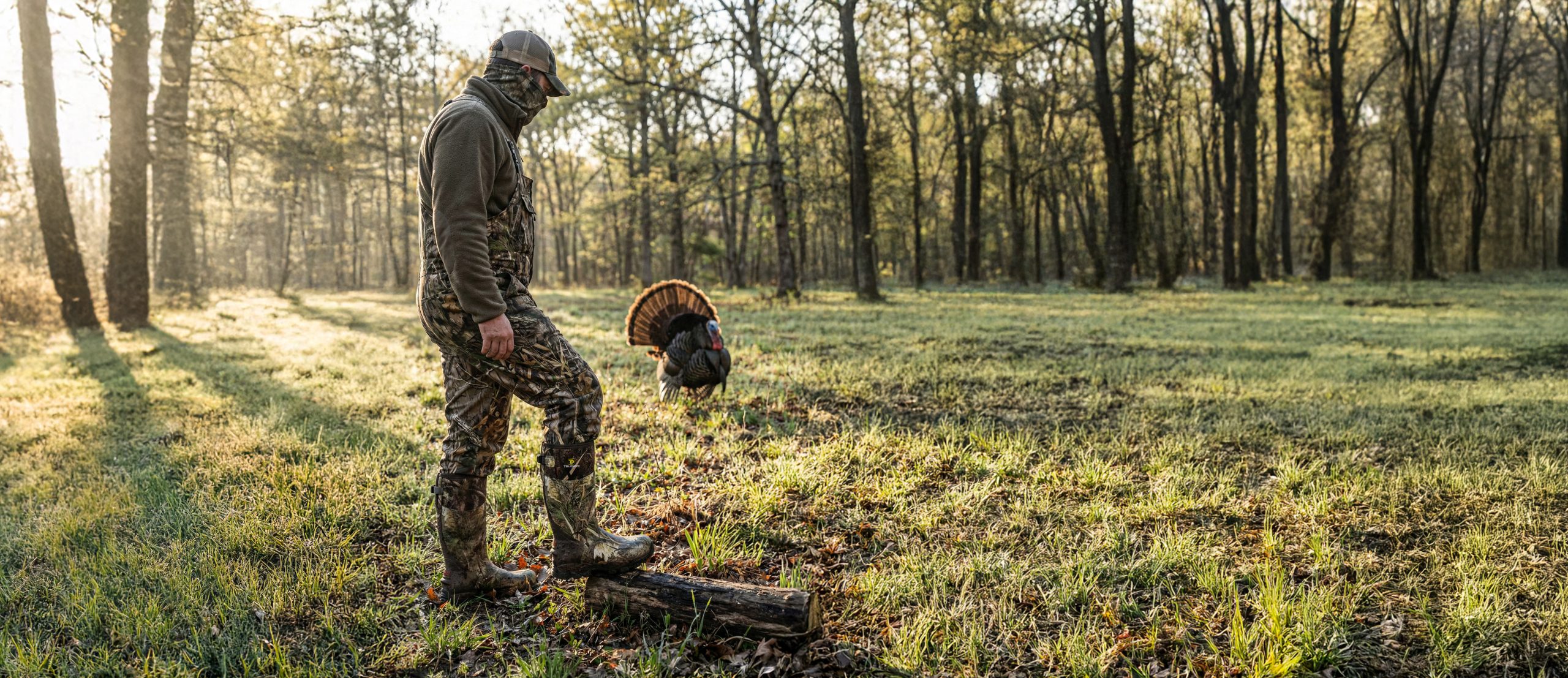
For decades, leather hunting boots dominated the outdoor industry. Many hunters grew up wearing heavy leather boots for deer season, upland hunting, and cold-weather outdoor work. But over the last several years, hunting conditions — and hunter preferences — have changed dramatically.
Today, more northern hunters are moving toward waterproof rubber and neoprene hunting boots designed specifically for wet environments, freezing temperatures, and long hours in harsh outdoor conditions.
From flooded duck marshes in Arkansas to snowy deer trails in Wisconsin, modern hunters are demanding gear that performs under real-world pressure.
One reason brands like Trudave Gear have started attracting attention is because they focus heavily on waterproof outdoor performance instead of traditional lifestyle hunting aesthetics.
The Biggest Problem With Traditional Leather Hunting Boots
Leather hunting boots still work well in certain environments. They remain popular for dry mountain terrain and lighter outdoor activities.
However, northern hunting conditions expose several weaknesses.
Water Absorption
Leather naturally absorbs moisture over time.
In muddy marshes, wet snow, and freezing rain, leather boots often become:
- Heavy
- Cold
- Stiff
- Slow to dry
Once moisture enters the interior lining, warmth disappears quickly.
This becomes especially dangerous during late-season hunts when temperatures drop below freezing.
Modern Hunting Environments Are Wetter Than Ever
Many hunters today spend more time in:
- Flooded timber
- Marshlands
- Snow-covered fields
- Swamps
- Mud-heavy trails
Traditional leather boots simply were not designed for constant water exposure.
Modern waterproof hunting boots solve this issue through:
- Waterproof rubber lowers
- Neoprene flexibility
- Waterproof membrane systems
- Insulated interiors
This combination gives hunters both mobility and protection.
Why Waterproof Hunting Boots Are Becoming More Popular
1. Better Waterproof Reliability
Hunters today expect their boots to survive:
- Deep mud
- Standing water
- Rainstorms
- Wet snow
- Freezing marshes
Waterproof hunting boots are specifically built for these conditions.
Hunters no longer want to worry about soaked socks halfway through a hunt.
2. Improved Comfort During Long Hunts
Modern hunting boots have improved significantly in comfort compared to older rubber boots.
Newer designs now provide:
- Better ankle flexibility
- Shock absorption
- Lightweight construction
- Improved warmth retention
This matters during long hunts where hunters walk several miles carrying heavy equipment.
3. Better Cold Weather Protection
Cold weather hunting creates unique challenges.
Once feet become wet, body temperature drops quickly.
Many hunters now prioritize insulated waterproof boots because they maintain warmth far longer than traditional leather footwear during wet hunts.
Hunters in northern states especially prefer:
- Waterproof protection
- Thick insulation
- Flexible neoprene lining
for late-season deer and duck hunting.
The Rise of Real-World Hunting Gear
One major shift happening in the hunting industry is that hunters increasingly trust real-world testing over marketing claims.
Social media, YouTube hunting channels, and outdoor communities now heavily influence buying decisions.
Hunters want to see:
- Ice-water testing
- Mud testing
- Waterproof testing
- Long-distance field use
This is one reason brands like Trudave Gear are gaining visibility. Outdoor consumers are paying more attention to practical performance rather than just legacy brand names.
Hunting Boots Need to Match the Environment
Not every hunting environment is the same.
Deer Hunting
Hunters may need:
- Warm insulation
- Quiet movement
- Long-distance comfort
Duck Hunting
Hunters prioritize:
- Waterproof protection
- Mud traction
- Wetland durability
Snow Hunting
Hunters often need:
- Extreme insulation
- Waterproof layering
- Ice traction
The best hunting boot depends entirely on where and how you hunt.
Why Many Younger Hunters Prefer Modern Waterproof Boots
Younger outdoor consumers are also changing the market.
Many newer hunters value:
- Functionality
- Affordability
- Waterproof reliability
- Social proof
- Real-world testing
instead of simply buying traditional legacy products.
This has opened opportunities for emerging outdoor brands that focus heavily on performance-driven equipment.
Final Thoughts
Traditional leather hunting boots still have a place in certain environments. But for wet, muddy, cold-weather hunting conditions, waterproof hunting boots are quickly becoming the preferred choice among northern hunters.
As hunting conditions continue becoming more demanding, hunters are prioritizing:
- Waterproof reliability
- Cold-weather insulation
- Mud traction
- Long-term comfort
over traditional materials alone.
Brands like Trudave Gear are benefiting from this shift because modern hunters increasingly value real-world performance over outdated hunting gear traditions.
For serious hunters dealing with flooded timber, freezing marshes, and wet snow, waterproof hunting boots are no longer just an option — they are becoming essential equipment.
FAQ
Are waterproof hunting boots better than leather boots?
For wet and cold hunting environments, waterproof hunting boots often provide better protection and comfort.
What boots are best for duck hunting?
Most duck hunters prefer insulated waterproof hunting boots with aggressive mud traction.
Are neoprene hunting boots warm enough for winter?
Yes. Many insulated neoprene hunting boots perform very well during cold-weather hunts.
Why do hunters wear rubber boots in marshes?
Rubber boots provide waterproof protection in flooded areas where leather boots often fail.
