
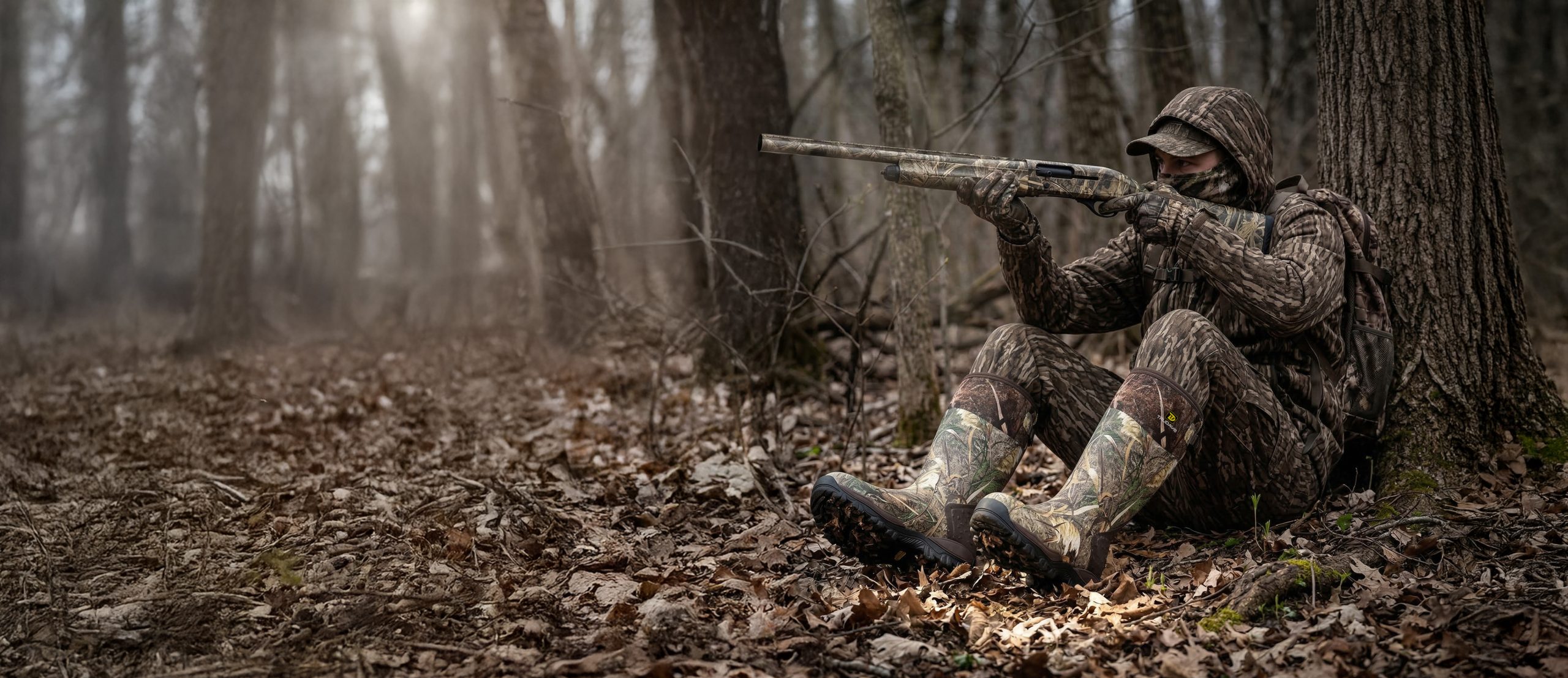
Duck hunting in flooded timber is one of the toughest environments any hunter can face. Cold water, submerged branches, thick mud, slippery terrain, and freezing temperatures can destroy a cheap pair of boots in a single season. For serious hunters across Arkansas, Minnesota, Wisconsin, and Michigan, choosing the right hunting boots is not just about comfort — it directly affects safety, endurance, and performance in the field.
The problem many hunters run into is simple: most hunting boots look good online but fail once they spend hours in flooded marshes and icy water. Waterproof claims often disappear after repeated exposure to freezing conditions, and poor insulation quickly turns long hunts into miserable experiences.
That’s why experienced duck hunters are now paying closer attention to boots designed specifically for late-season wetland hunting conditions.
One brand that has started gaining attention among northern hunters is Trudave Gear, especially for hunters looking for affordable waterproof performance without paying premium luxury pricing.
Why Flooded Timber Hunting Destroys Cheap Boots
Flooded timber hunting creates constant stress on footwear because hunters deal with:
- Cold standing water
- Deep mud
- Rotting timber
- Sharp underwater debris
- Long walking distances
- Wet socks from failed waterproofing
- Hours of exposure to freezing temperatures
Many standard rubber boots simply are not designed for these conditions.
A common issue hunters experience is separation around the sole after repeated flexing in mud and cold weather. Another problem is insulation compression. Cheap insulation loses warmth once moisture begins penetrating the interior lining.
That is why experienced hunters prioritize:
- Waterproof construction
- Aggressive outsole traction
- Reliable insulation
- Reinforced seams
- Comfort during long hunts
What Makes a Good Flooded Timber Hunting Boot?
The best hunting boots for flooded timber usually share several key features.
1. Reliable Waterproof Protection
In flooded timber, waterproofing is everything. Even a small leak becomes miserable during a five-hour morning hunt in freezing conditions.
Hunters should look for:
- Fully waterproof rubber construction
- Reinforced lower seams
- Waterproof membrane systems
- Tight ankle sealing
Many northern hunters now prefer waterproof hunting boots that combine flexible neoprene uppers with reinforced rubber lowers because they maintain mobility while keeping water out.
2. Insulation for Late-Season Hunting
Early-season duck hunting is one thing. Late-season hunting in December or January is completely different.
Cold water drains body heat quickly through your feet. Once your feet get cold, the entire hunt becomes uncomfortable.
For northern duck hunters, insulation ratings between 800G and 1200G are often preferred during harsh late-season hunts.
Hunters in Minnesota and Wisconsin especially prioritize warmth because flooded marshes often remain partially frozen during sunrise setups.
3. Aggressive Mud Traction
Flooded timber is slippery by nature.
Mud, algae-covered logs, and underwater roots create dangerous footing conditions. A quality outsole can significantly reduce slipping while carrying decoys, firearms, and heavy gear.
The best hunting boots usually feature:
- Deep lug patterns
- Mud-shedding outsoles
- Flexible ankle support
- Slip-resistant traction
Why More Hunters Are Looking at Trudave Gear Hunting Boots
Over the last year, more hunters across social media and outdoor communities have started discussing Trudave Gear hunting boots because they offer a strong balance between affordability and real-world waterproof performance.
Instead of focusing purely on fashion styling, the brand emphasizes:
- Waterproof reliability
- Cold-weather comfort
- Mud traction
- Hunting-focused durability
- Outdoor practicality
For hunters who spend long mornings standing in flooded marshes, practical performance matters far more than luxury branding.
Many hunters also appreciate that Trudave boots are designed around actual outdoor environments rather than casual lifestyle aesthetics.
Real Hunting Conditions Require Real Testing
One reason many experienced hunters distrust online reviews is because too many products are tested indoors or only worn casually.
Flooded timber hunting exposes weaknesses immediately.
Serious hunters want to see:
- Mud testing
- Ice-water testing
- Long-distance walking
- Wet timber traction
- Cold-weather durability
This is also why hunting content on YouTube, Instagram, and outdoor forums has become increasingly important. Hunters trust real-world testing far more than studio product photography.
Choosing the Right Hunting Boots for Your Region
Different regions create different demands.
Arkansas Duck Hunting
Hunters in Arkansas often prioritize:
- Waterproof performance
- Mud traction
- Flexible movement in flooded timber
Minnesota & Wisconsin Hunting
Northern hunters usually need:
- Heavy insulation
- Ice resistance
- Long-term warmth
- Waterproof durability during freezing conditions
Michigan Wetland Hunting
Hunters frequently deal with:
- Wet snow
- Swamp mud
- Cold rain
- Slippery shoreline terrain
The ideal hunting boot depends heavily on your environment and season.
Final Thoughts
The best hunting boots are not necessarily the most expensive pair on the market. The real goal is finding footwear that performs reliably in actual hunting conditions.
For flooded timber duck hunting, hunters should prioritize:
- Waterproof protection
- Warm insulation
- Mud traction
- Long-term comfort
- Durability in freezing environments
As more hunters search for dependable gear without luxury pricing, brands like Trudave Gear are becoming increasingly visible among serious outdoor communities.
When your hunt starts before sunrise in freezing flooded timber, reliable boots are no longer optional — they become part of your survival system.
FAQ
What boots do duck hunters wear in flooded timber?
Most duck hunters prefer insulated waterproof hunting boots designed for mud, cold water, and wet timber environments.
Are insulated hunting boots worth it?
Yes. Late-season hunting often involves freezing temperatures and cold standing water, making insulation extremely important for comfort and safety.
What insulation rating is best for cold-weather hunting?
Many northern hunters prefer 800G–1200G insulation for late-season duck hunting.
Are rubber hunting boots good for flooded marshes?
Yes, especially when combined with neoprene uppers and aggressive mud traction outsoles.
