
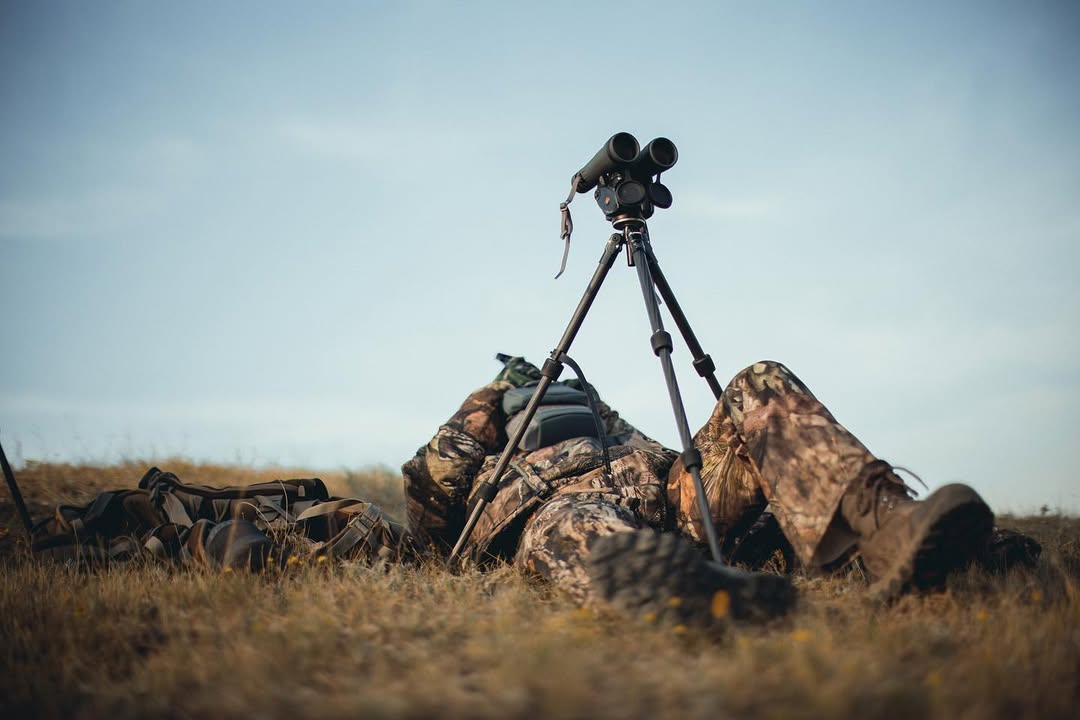
Every hunter has those “go-to” spots—the ones that reliably produced in fall or late winter. You know the trails, the wind, the entry routes. And then spring hits.
- The sign is still around
- The habitat looks even better
- Conditions seem perfect
Yet:
- Sightings drop off
- Movement feels inconsistent
- Encounters don’t happen
If your usual hunting spots stop producing in spring conditions, it’s not because they’ve gone bad—it’s because the reasons they worked no longer exist.
Spring green-up reshapes the entire system animals rely on. If you don’t adjust, even the best spots can feel dead.
1. Your Spot Was Built Around Scarcity—Spring Brings Abundance
Most productive hunting spots are based on limitation:
- Limited food sources
- Limited cover
- Limited travel routes
In those conditions:
- Animals are forced into predictable movement
- They use specific trails repeatedly
- They pass through known funnels
Spring flips that completely:
- Food becomes widespread
- Cover expands rapidly
- Travel options multiply
When everything is available, nothing is required—especially your spot.
2. Animals No Longer Need to Travel Through Your Area
In fall or winter:
- Animals travel between feeding and bedding
- Movement corridors become essential
- Your spot intercepts that movement
In spring:
- Food and cover often exist in the same place
- Daily movement distances shrink
- Travel becomes optional
That means:
- Animals may still be nearby
- But no longer pass through your setup
Your spot didn’t lose animals—it lost traffic.
3. Trails and Funnels Break Down Fast
One of the most noticeable changes is how quickly trails go cold.
Why?
- Animals stop relying on fixed routes
- Movement spreads across the landscape
- New micro-paths form constantly
Funnels that once worked:
- No longer concentrate movement
- Become just one of many options
You may still find sign—but:
- It’s inconsistent
- It doesn’t repeat
Spring turns highways into side roads.
4. Thick Cover Changes How Animals Move
As vegetation explodes:
- Visibility drops
- Security increases
- Movement becomes more concealed
Animals can now:
- Move through dense cover undetected
- Avoid open travel routes
- Stay hidden while remaining active
This leads to:
- Fewer visible encounters
- More “invisible movement”
- Less use of exposed areas
Your spot might still be active—you just can’t see it anymore.
5. Food Sources Shift Away from Your Setup
Even if your spot was built around food:
- That food source may no longer be special
In spring:
- Fresh browse is everywhere
- Nutritional hotspots change quickly
- Animals rotate feeding areas
What used to be:
- A primary food source
Becomes:
- One of many options
Your spot lost its priority, not its value.
6. Bedding Areas Move Slightly—but It Changes Everything
Animals don’t relocate far—but they adjust.
They may:
- Bed closer to fresh food
- Choose thicker cover
- Shift based on wind and temperature
Even a small shift:
- Changes travel direction
- Alters entry/exit routes
- Bypasses your setup completely
A 50-yard bedding change can kill a 100% reliable spot.
7. Movement Becomes Condition-Based Instead of Pattern-Based
Spring behavior is driven by:
- Daily weather changes
- Temperature swings
- Moisture levels
Instead of:
- Fixed schedules
You get:
- Reactive movement
- Short, unpredictable windows
- Day-to-day variation
That means:
- A spot might produce one day
- Then go silent the next
Consistency disappears before activity does.
8. Pressure Has a Bigger Impact When Options Increase
In fall:
- Animals tolerate some pressure because options are limited
In spring:
- They have alternatives everywhere
So even light pressure:
- Pushes them off a specific route
- Shifts movement just enough
- Reduces visibility
With more choices available, animals choose comfort over predictability.
9. Why It Feels Like Your Spot “Died”
This creates a frustrating situation:
- You trust the location
- The habitat looks even better
- There’s still sign
But:
- Results don’t match expectations
That’s because:
You’re hunting a past version of that location.
The structure is still there—but the system around it has changed.
10. How to Adjust and Find Success Again
1. Shift Focus to Current Food, Not Historical Spots
- Identify fresh growth
- Look for the most recent feeding activity
2. Hunt Smaller, More Specific Areas
- Target micro-locations
- Focus on where animals are right now
3. Re-evaluate Movement Daily
- Don’t rely on past patterns
- Adapt to changing conditions
4. Move Closer to Cover
- Expect animals to stay hidden
- Position accordingly
5. Reduce Pressure Even Further
- Be careful with entry and exit
- Avoid overhunting a single spot
11. The Key Insight Most Hunters Miss
The biggest misconception is this:
“If a spot worked before, it should still work now.”
But in reality:
Hunting spots don’t fail—conditions change around them.
Spring removes the constraints that made those spots productive.
Conclusion
Why your usual hunting spots stop producing in spring conditions comes down to a complete environmental shift:
- Food becomes abundant and widespread
- Travel routes lose importance
- Movement distances shrink
- Cover increases and reduces visibility
- Behavior becomes condition-driven
The result is a hunting environment where:
- Animals are still present
- But no longer move through predictable locations
Hunters who adapt—by focusing on current conditions instead of past success—can stay effective even when familiar spots go quiet.
Because in spring hunting:
Success doesn’t come from returning to what worked—it comes from understanding what has changed. 🦌🌿🔥
