
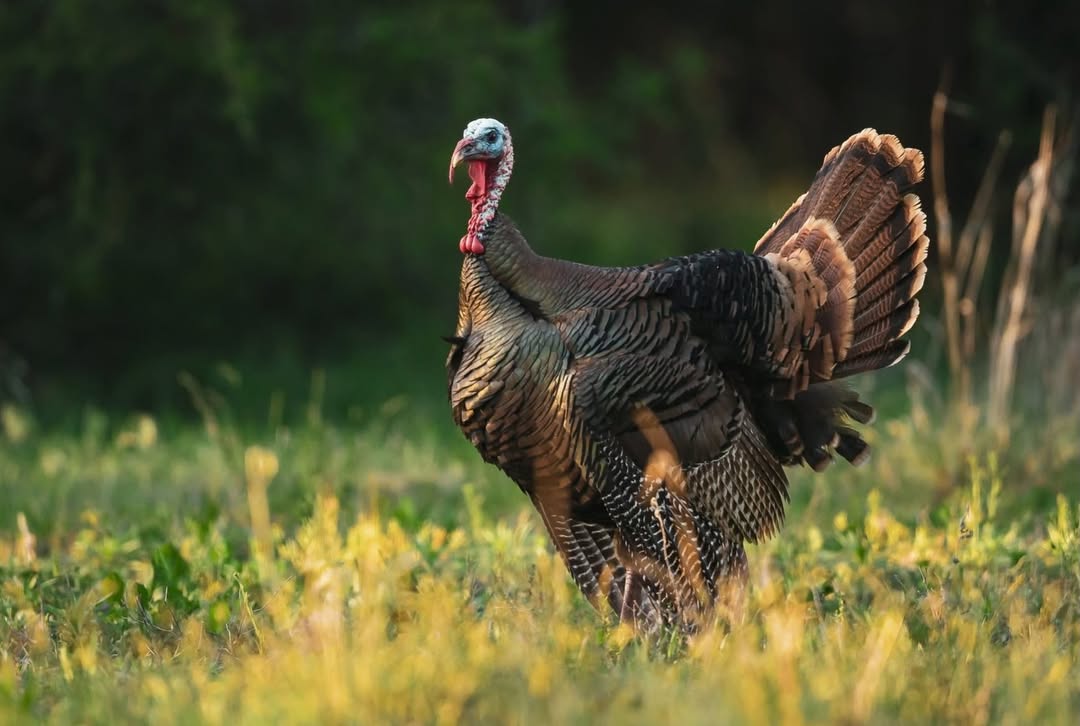
Early summer is an exciting yet challenging time for hunters. Trees are fully leafed out, streams are flowing, and the ground cover has thickened after spring growth. But while the outdoors looks inviting, the increasing heat brings subtle changes that can dramatically affect game behavior, making predictable hunting patterns harder to rely on.
1. Temperature Drives Animal Behavior
As temperatures rise in early summer, game animals respond to heat in ways that are often invisible to hunters:
- Midday Inactivity: Many animals, especially deer and turkeys, reduce movement during the warmest parts of the day. They conserve energy and avoid overheating.
- Shifted Feeding Patterns: Morning and evening feeding windows become compressed. Animals that were active all morning during spring may now only make short, efficient forays.
- Microclimate Preferences: Animals begin seeking shaded areas, stream edges, and thicker cover where temperatures remain lower.
Understanding these thermal preferences is critical for locating game during early summer.
2. Water Becomes a Central Focus
Rising temperatures also influence hydration behavior:
- Animals move closer to reliable water sources.
- Streams, ponds, and wetland edges become hubs of activity.
- Hunters who ignore water patterns risk missing the small windows when game is actively feeding nearby.
Water-driven movement often overrides traditional feeding or travel routes during early summer.
3. Vegetation Changes Affect Visibility and Movement
Early summer brings rapid vegetation growth:
- Thick cover reduces line-of-sight, making animals harder to spot.
- Trails that were open in spring now channel movement through narrower paths, changing where hunters expect activity.
- Edge habitats between thick cover and open areas become hotspots for animal traffic.
Vegetation dynamics make historical hunting patterns less reliable.
4. Early Summer Predators Influence Game Patterns
Predators, like coyotes or bobcats, can subtly alter behavior:
- Prey animals shift movement to avoid predator encounters.
- Game may concentrate in areas that seem “too quiet” to hunters.
- Increased predator activity near water and bedding areas compresses movement windows further.
Understanding predator-prey dynamics is essential for predicting game behavior.
5. The Impact of Daily Weather Fluctuations
Unlike spring, early summer can bring rapid changes:
- Hot, sunny days followed by brief thunderstorms.
- Sudden humidity shifts.
- Minor wind changes affecting scent and comfort for game.
These fluctuations create unpredictable movement:
- Game may feed earlier or later depending on shade availability.
- Trails that were active in one morning may go unused the next.
Flexibility and observation become more important than following fixed schedules.
6. Adjusting Your Hunting Strategy for Early Summer
To cope with unpredictable patterns:
- Scout for Water and Shade: Track animal movement near streams, ponds, or shady corridors.
- Focus on Edge Zones: Animals often move between thick cover and open feeding areas.
- Time Your Hunts: Early mornings and late evenings are prime windows.
- Observe Before Acting: Spend time watching game from a distance to identify shifting behavior.
- Adapt Stands and Blinds: Be ready to move or reposition as microclimates dictate animal routes.
Successful hunting in early summer requires patience, observation, and flexibility.
7. The Key Takeaway
Early summer heat does not make hunting impossible—it just requires a smarter approach:
- Predictability decreases, but knowledge of water, shade, and vegetation can guide hunters.
- Movement windows compress, meaning missing a few hours can lead to a missed opportunity.
- Observation and adaptation are more valuable than relying on old spring patterns.
By understanding the subtle impact of early summer heat on game behavior, hunters can remain successful even when patterns are less predictable.
