
California quail can make easy-looking upland country surprisingly difficult.
A covey feeds along a dusty road.
Several birds stand completely exposed.
The hunter stops.
The covey sees movement.
Within seconds, every bird disappears.
No dramatic flush.
No obvious flight.
They simply run into the nearest brush and vanish.
The hunter approaches the exact location.
Nothing.
Then fifty yards farther down the hillside, twenty birds burst from thick chaparral in multiple directions.
That is California quail hunting.
These birds often live where open feeding ground sits directly beside dense escape cover.
They may spend part of the morning visible along roads, grasslands, agricultural edges, or oak openings.
The moment pressure appears, they retreat toward:
Brush.
Creek bottoms.
Chaparral.
Poison oak.
Blackberry.
Oak understory.
Successful hunters learn to stop chasing the location where they first saw the covey.
Instead, they identify the cover the birds are trying to reach.
That is where the real hunt begins.
California Quail Are Birds of Edges
California quail, often called valley quail, use a wide variety of habitats across suitable portions of the West.
Productive areas may include:
- Chaparral
- Oak woodland
- Brushy creek bottoms
- Grassland edges
- Agricultural land
- Foothills
- Coastal brush
- Riparian habitat
- Suburban-rural transitions where hunting is legal
The best habitat often combines several different cover types.
Birds need:
- Feeding areas
- Water
- Low escape cover
- Roosting structure
- Open ground for movement
One giant wall of brush may be difficult to use.
One huge open field may provide too little protection.
The transition between them is often ideal.
Chaparral Can Hold Large Coveys
Chaparral provides excellent security.
Depending on region, this may include dense stands of:
- Manzanita
- Ceanothus
- Chamise
- Sage
- Other woody shrubs
To a hunter, chaparral can look almost impossible to enter.
That is part of why quail use it.
Birds can:
- Run underneath
- Hide from predators
- Escape hunting pressure
The best strategy is rarely crashing directly through the thickest cover.
Work the edges and natural openings first.
Hunt the Brush Edge
California quail commonly use the boundary between brush and more open feeding habitat.
Look where chaparral meets:
- Grass
- Road
- Oak woodland
- Creek corridor
- Agricultural ground
Birds may feed outside the brush and retreat into it when threatened.
That makes the first twenty or thirty yards of cover especially important.
Brush Fingers Create Natural Funnels
Chaparral often extends into open terrain through narrow fingers.
These strips can connect:
- Large brush patches
- Creek cover
- Hillside thickets
A covey pressured in open grass may run directly toward one of these fingers.
Instead of following from behind, hunters can anticipate the escape route.
Small Openings Inside Brush Matter
Dense chaparral is not always continuous.
Look for:
- Rocky openings
- Grass patches
- Old roads
- Firebreaks
- Clearings
These openings provide:
- Feeding
- Dusting
- Travel
while leaving security only a few steps away.
A tiny clearing inside a huge brush system can hold more birds than the entire surrounding slope.
Oak Foothills Can Be Excellent
Open oak woodland creates a very different kind of California quail habitat.
Productive foothills may contain:
- Valley oak
- Live oak
- Grass
- Brushy draws
- Creek bottoms
Birds may feed beneath oaks or across open grassy slopes.
When pressured, they often move toward:
- Brush
- Rock piles
- Creek vegetation
The relationship between open oak ground and dense escape cover is more important than the trees alone.
Acorn Country Can Provide Additional Food
Quail use a broad range of seeds and plant foods.
Oak country may provide diverse feeding opportunities beyond grass.
Look for birds using:
- Open soil beneath trees
- Weed patches
- Creek edges
- Disturbed ground
Do not assume the darkest oak forest is best.
California quail often prefer enough openness to walk and feed efficiently.
Creek Bottoms Are Major Habitat Corridors
Creeks can provide some of the best quail habitat in dry foothill landscapes.
They often contain:
- Water
- Blackberry
- Willow
- Poison oak
- Tall grass
- Dense escape cover
A narrow creek can connect multiple feeding areas.
That makes it a natural travel corridor.
Dry Creeks Can Still Be Valuable
A creek does not need permanent flowing water to create habitat.
Seasonal channels may still support:
- Thicker vegetation
- Cooler soil
- Brush
- Travel cover
Even when the channel is dry during hunting season, birds may continue using the vegetation pattern it created.
Creek Intersections Deserve Attention
Where two drainages meet, vegetation often becomes denser.
This may create:
- Better cover
- More food
- Multiple escape routes
Approach these intersections carefully.
A covey can remain hidden only a few yards inside the brush.
Riparian Cover Can Be Extremely Thick
Blackberry, willow, and other creek vegetation can form nearly impenetrable walls.
Do not assume you must walk through the center.
Instead, hunt:
- Parallel to the creek
- Small openings
- Trail crossings
- Brush gaps
Birds may run along the drainage until forced into a more open section.
Blackberry Patches Can Hold Birds
Dense blackberry provides excellent escape cover.
It also creates miserable walking.
That makes edges particularly valuable.
Work around:
- Outer margins
- Open grass
- Creek crossings
A pointing or flushing dog can be especially useful, provided the vegetation and hazards allow safe dog work.
Poison Oak Requires Awareness
Some California quail habitat may contain poison oak.
Hunters should learn to identify it in:
- Leafed condition
- Dormant winter condition
Avoid unnecessary skin contact.
Wash clothing and equipment after exposure.
Dogs can also carry plant oils on their coats.
Habitat knowledge includes knowing the plants you do not want touching you.
Roads Can Reveal Coveys Early
Quiet dirt roads can be excellent scouting areas.
Quail may use road edges for:
- Grit
- Feeding
- Easy walking
Early morning birds can sometimes be seen crossing or feeding beside roads.
Use these sightings to locate habitat.
Do not assume the roadside itself is a legal or safe hunting position.
Roadside Sightings Tell You Where to Hunt
If a covey runs from the road into brush, note exactly where it entered.
Ask:
- What cover was nearby?
- Was there a creek?
- Were oaks present?
- Was water close?
The birds are showing you the habitat connection.
Follow the pattern, not the road.
Grit Sources Can Attract Quail
Quail use small particles of grit to help process food.
Potential grit locations include:
- Dirt roads
- Gravel edges
- Bare soil
- Creek bars
Repeated bird tracks around gravel can confirm use.
Combine that sign with nearby feeding and security cover.
Water Can Become a Major Factor
California summers and falls can be dry.
Reliable water may influence bird distribution.
Possible sources include:
- Springs
- Creeks
- Stock tanks
- Wildlife water
- Agricultural water
Do not focus only on the water itself.
Study the surrounding brush and feeding habitat.
Birds may approach from multiple directions.
Water Trails Can Be Better Than the Water Hole
Tracks around a tank or spring can reveal repeated travel routes.
Follow those routes visually toward:
- Brush
- Grass
- Creek corridors
The transition between water and security may produce better hunting than the water’s edge.
Rain Can Completely Change Foothill Habitat
After the first meaningful seasonal rains, dry foothill country changes rapidly.
Rain may produce:
- Green grass
- Soft soil
- New plant growth
- Fresh water
- Better tracking surfaces
Covey distribution can shift.
Areas ignored during extreme dry conditions may suddenly become productive.
Post-Rain Tracks Can Help Locate Birds
Mud along:
- Roads
- Creek crossings
- Tank edges
may show current movement.
Fresh quail tracks in groups indicate active covey use.
Tracks are especially useful when dense brush makes direct observation difficult.
Rain Makes Chaparral Quieter
Dry brush can be extremely noisy.
After rain:
- Leaves soften
- Ground noise decreases
- Dust disappears
Hunters may move more quietly.
But wet brush transfers a tremendous amount of moisture to clothing.
Wet Grass Can Soak Feet Quickly
California upland country may appear dry from a distance.
After rain or heavy morning dew, hunters may walk through:
- Wet grass
- Mud
- Creek vegetation
- Brush
for hours.
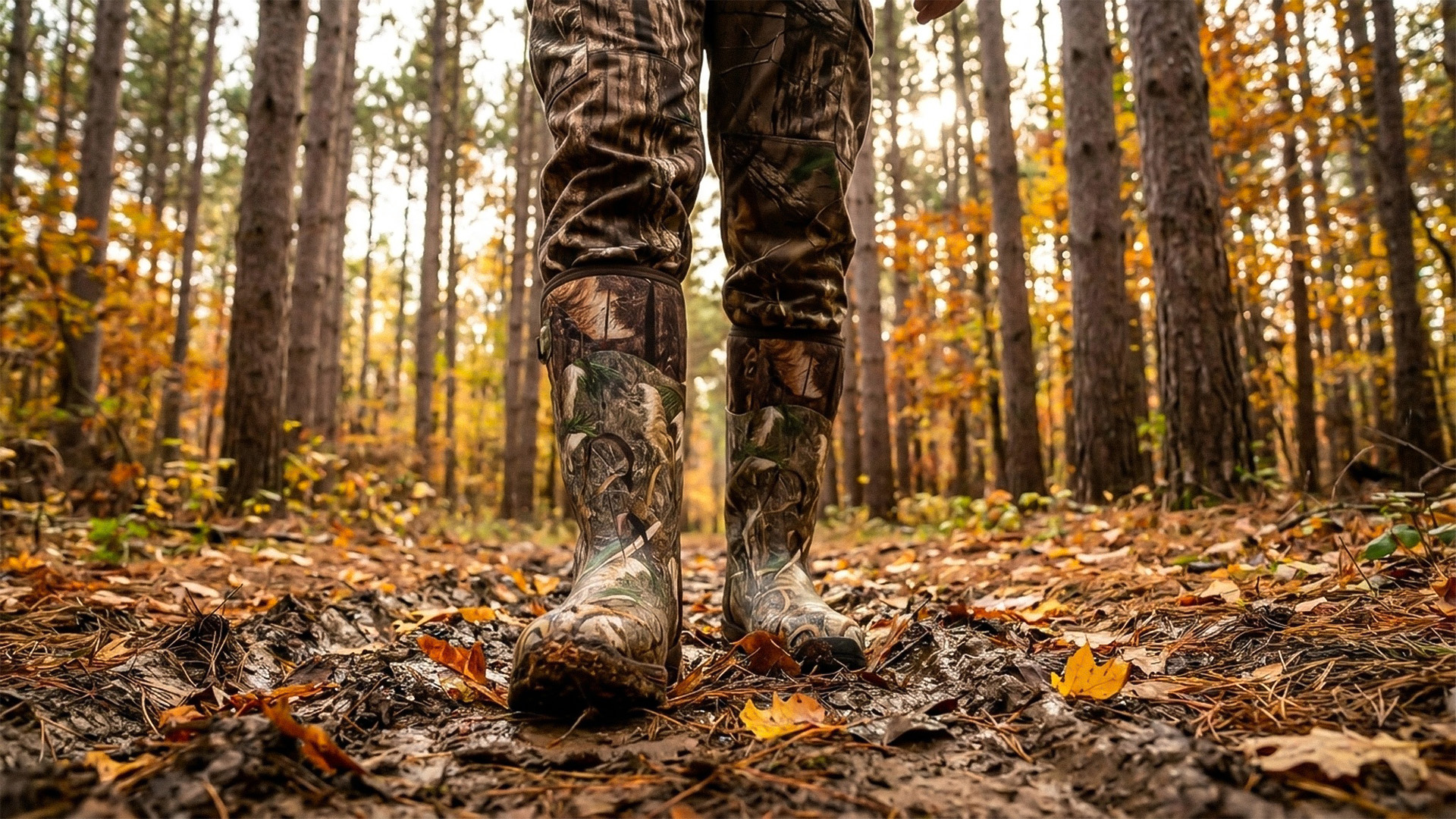
Hunters working these conditions may benefit from waterproof hunting boots for California upland hunting that provide secure fit, dependable wet-ground traction, and enough durability for brushy terrain without excessive weight.
Lightweight Boots Make Sense for Quail
California quail hunting often involves constant movement.
A hunter may cover:
- Several miles
- Rolling hills
- Creek crossings
- Brush edges
Heavy boots increase fatigue.
Choose footwear that balances:
- Weight
- Support
- Waterproofing
- Durability
Waterproofing Is Useful Even in Mediterranean Climates
A region can have long dry periods and still produce extremely wet hunting mornings.
A single storm can create:
- Mud
- Saturated grass
- Running creeks
Waterproof footwear gives hunters flexibility across those rapid changes.
Muddy Clay Can Become Slick
Foothill soils may become slippery after rain.
Be especially careful on:
- Steep trails
- Cattle paths
- Road cuts
- Creek banks
Good traction helps.
Slow movement matters more.
Boot Fit Matters on Sidehills
Rolling California foothills involve constant lateral movement.
Poor heel retention can cause:
- Hot spots
- Blisters
- Instability
Break boots in beforehand.
Test them on hills.
Toe Room Matters During Descents
Long downhill sections push feet forward.
A boot that fits poorly can cause repeated toe impact.
Proper sizing helps maintain comfort throughout the day.
Gaiters Can Help With Seeds and Moisture
Low gaiters can reduce:
- Grass seeds
- Dust
- Mud
- Wet vegetation
entering footwear.
They can be especially useful after rain.
Foxtails Can Be a Serious Dog Concern
California upland habitat may contain grass awns commonly referred to as foxtails.
These can create serious problems if they enter:
- Ears
- Eyes
- Nose
- Paws
- Skin
Inspect dogs frequently.
Persistent sneezing, head shaking, squinting, or swelling deserves veterinary attention.
Check Dogs After Every Hunt
Do not wait until the evening after several hours of driving.
Inspect:
- Feet
- Ears
- Eyes
- Coat
immediately after leaving the field.
Early detection can prevent complications.
Dogs Need Water Even During Cool Weather
Bird dogs cover far more ground than hunters.
Carry clean water.
Do not rely on:
- Seasonal creeks
- Stock tanks
because water may be absent or poor quality.
Heat Can Still Be a Problem
California hunting seasons can include warm days.
Start early when necessary.
Watch dogs for:
- Excessive panting
- Weakness
- Reduced coordination
Stop before overheating occurs.
Rattlesnakes Can Remain Active
Depending on location, elevation, and weather, rattlesnakes may still be active during parts of the season.
Use caution around:
- Rock
- Brush
- Sunny slopes
Keep dogs under control.
Know local emergency procedures.
Ticks Can Be Present
Oak woodland and brushy creek habitat may contain ticks.
Use appropriate prevention.
Check:
- Clothing
- Skin
- Dogs
after hunting.
Burrs and Seeds Add Up
Brush and grass can fill dog coats and hunting clothing with debris.
A quick post-hunt cleaning routine protects:
- Gear
- Dogs
- Vehicle interiors
and helps identify potential skin irritation early.
California Quail Often Run Before Flushing
Like several western quail species, California quail may run when pressured.
Coveys can move quickly through:
- Brush
- Creek edges
- Grass
Do not assume birds left because nothing flushed.
They may simply be farther ahead.
Change the Angle Instead of Following
If the covey keeps moving directly away:
- Use a side route
- Move toward escape cover
- Let another hunter hold an angle where safe
Predicting movement is more effective than walking faster.
Natural Barriers Can Create Better Flushes
Features that may slow running birds include:
- Open field
- Wide road
- Sparse hillside
- Creek opening
- Rock face
When birds approach a less secure habitat type, they may choose flight.
Use these transitions strategically.
Multiple Hunters Can Help With Running Coveys
Where safe and legal, two hunters can cover a wider line.
Maintain:
- Clear spacing
- Known partner position
- Safe shooting zones
Do not allow hunters to work toward one another from opposite sides of brush.
Dogs Can Help Pin Birds
A good pointing dog can locate coveys that hunters would otherwise walk past.
Running birds may cause repeated relocations.
Let the dog work.
Do not force the situation.
Flushing Dogs Can Be Effective Too
A close-working flushing dog can put pressure on birds hiding in thick edge habitat.
Range is critical.
If the dog moves too far ahead, birds may flush outside safe or practical shooting distance.
Hunting Without Dogs Is Completely Possible
Hunters can still find birds by targeting:
- Creek edges
- Brush transitions
- Oak openings
- Roads near escape cover
- Water routes
Slow movement becomes more important.
Pause frequently.
Listen for birds moving inside brush.
Listen for California Quail Calls
California quail are vocal.
Their distinctive calls can reveal covey location.
Early morning and evening are useful listening periods.
A call from a brushy drainage may save significant walking.
Covey Calls Can Reveal Hidden Birds
A covey completely concealed by chaparral may still communicate.
Stop often.
Do not create constant foot noise.
The quiet hunter gathers more information.
Early Morning Feeding Can Be Productive
Birds may leave roost or security cover toward:
- Road edges
- Open grass
- Seed-producing areas
Cool conditions encourage movement.
Morning can also provide better dog-working temperatures.
Midday Birds May Move Into Shade
As temperatures rise, coveys may shift toward:
- Dense brush
- Oak shade
- Creek bottoms
This changes the hunting strategy.
Open feeding habitat can become quiet while brushy security areas become more important.
Late Afternoon Can Bring Birds Back Out
As conditions cool, quail may return toward feeding areas.
Watch:
- Creek exits
- Road edges
- Grass openings
A covey seen in the morning may repeat a similar daily pattern.
Chaparral Fire History Can Influence Habitat
Wildfire and prescribed vegetation management can reshape shrublands dramatically.
Post-fire areas may develop:
- Grass
- Forbs
- Open ground
while nearby surviving brush provides security.
The transition between younger open growth and mature brush can be useful habitat.
Not Every Burn Is Good Immediately
A newly burned area may be too open.
As vegetation recovers, habitat quality changes.
Study:
- Plant regrowth
- Seed production
- Nearby escape cover
Do not assume “burned” automatically means productive.
Firebreaks Can Create Useful Openings
Fire roads and breaks may provide:
- Bare ground
- Grit
- Feeding edges
- Travel lanes
Birds may use them while remaining close to brush.
Scout intersections where firebreaks meet:
- Creek habitat
- Oak woodland
- Dense chaparral
Public Land Can Offer Good Opportunities
California quail habitat may exist on:
- State wildlife areas
- National forest
- BLM land
- Other public ground
depending on region.
Research:
- Access
- Seasonal closures
- Fire restrictions
- Hunting regulations
Habitat quality still determines success.
Access Can Change After Wildfire
Roads and trails may close after:
- Fire
- Flooding
- Landslides
Check current land-management information before hunting.
Do not assume last season’s access remains available.
Rain Can Damage Roads Too
Heavy storms may create:
- Washouts
- Mud
- Fallen trees
Respect closures.
Do not drive around barriers.
If safe legal access ends, park and walk from an authorized location.
Private Ranches Can Hold Excellent Habitat
Oak foothills and agricultural edges frequently occur on private property.
If access is granted:
- Respect gates
- Avoid livestock
- Follow parking instructions
- Pick up shells
Good landowner relationships are extremely valuable.
Never Assume Open-Looking Land Is Public
California landscapes can contain complicated ownership.
Use reliable maps.
Know boundaries before hunting.
A covey crossing a fence does not give hunters legal access.
Livestock Requires Extra Awareness
Foothill quail habitat may overlap cattle country.
Avoid shooting toward:
- Cattle
- Horses
- Ranch structures
Keep dogs controlled.
Leave gates exactly as instructed.
Low-Flying Birds Require Discipline
California quail frequently flush low.
Before shooting, know where:
- Dogs
- Partners
- Roads
- Livestock
- Houses
are located.
If the background is uncertain, do not shoot.
Pick One Bird From the Covey
A large covey eruption creates visual chaos.
Choose one bird.
Follow it.
Shoot under control.
Do not fire into the center of the flock.
Watch Where Birds Land
After the first flush, stay focused.
Birds may scatter into:
- Brush
- Oaks
- Grass
Mark several landing zones.
This creates the next phase of the hunt.
Singles May Hold Better
Scattered birds often behave differently from a large covey.
They may:
- Hold more tightly
- Fly shorter distances
Give them time to settle.
Then work the area slowly.
Do Not Rush Into the Landing Zone
Wait.
Organize hunters.
Confirm dog position.
Then move.
A patient second approach often produces better opportunities.
Mark Downed Birds Immediately
A quail can disappear in:
- Dry grass
- Oak leaves
- Chaparral
- Creek brush
Mark the exact fall.
Do not chase the remaining covey before beginning recovery.
Dogs Can Be Extremely Helpful During Recovery
Dense vegetation can hide a downed bird completely.
Give the dog room to search.
Avoid trampling the entire area immediately.
Warm Weather Requires Game Care
Some California quail hunts occur in mild temperatures.
Keep harvested birds:
- Clean
- Cool
- Shaded
Handle game promptly according to current wildlife and food-safety guidance.
California Quail Regulations Must Be Checked
Season structure may vary by zone and jurisdiction.
Before hunting, verify current:
- Season dates
- Bag limits
- Possession limits
- License requirements
- Public-land rules
- Non-lead ammunition requirements where applicable
- Other legal-method restrictions
Use current official wildlife-agency information.
Ammunition Regulations Deserve Special Attention
California has specific ammunition regulations for hunting.
Hunters should verify current requirements before entering the field.
Do not rely on equipment or ammunition rules remembered from previous years.
Current official guidance should determine what you carry.
Species Identification Matters
California may contain multiple quail species in different portions of the state.
Hunters should understand the differences between:
- California quail
- Mountain quail
- Gambel’s quail where applicable
Habitat provides clues.
Positive identification remains essential.
Conservation Helps Maintain Quail Habitat
California quail benefit from diverse landscapes containing:
- Brush
- Grass
- Water
- Open ground
- Healthy riparian habitat
Habitat loss, drought, severe wildfire, and development can change local bird numbers.
Responsible hunters benefit from conservation and habitat management.
Common California Quail Hunting Mistakes
Hunting Open Ground Too Far From Escape Cover
Birds want security nearby.
Following Running Coveys Straight From Behind
Predict where they are going.
Ignoring Creek Bottoms
Riparian habitat can concentrate birds in dry country.
Walking Through the Thickest Chaparral Instead of Hunting the Edge
Use transitions strategically.
Wearing Heavy or Non-Waterproof Boots
Foothill hunting rewards lightweight mobility with wet-weather protection.
Ignoring Foxtails
Grass awns can create serious problems for dogs.
Rushing the Second Flush
Mark landing areas and let birds settle.
Failing to Check Current California Hunting Regulations
Rules, zones, and ammunition requirements must be verified.
Frequently Asked Questions
Where do California quail usually live?
California quail commonly use chaparral, oak woodland, creek bottoms, grassland edges, agricultural areas, foothills, and other habitats combining food with dense escape cover.
Why do California quail run instead of flush?
Running allows coveys to stay inside protective cover while increasing distance from danger. They often flush when they reach a habitat barrier or feel more heavily pressured.
Are creek bottoms good for California quail?
Yes. Brushy creek and riparian corridors can provide water, food, shade, travel routes, and dense security habitat.
Is California quail hunting good after rain?
Rain can create green growth, improve tracking, quiet dry vegetation, and add water, although it can also create slippery mud and change bird distribution.
Can you hunt California quail without a dog?
Yes. Hunters can focus on creek edges, chaparral transitions, oak openings, road edges near cover, and water routes while moving slowly and listening for coveys.
What boots are best for California quail hunting?
Lightweight waterproof hunting boots with secure heel fit, durable uppers, and good traction on wet grass, mud, oak leaves, brushy slopes, and long foothill walking days are practical.
Final Thoughts
California quail hunting teaches hunters that the bird usually has a destination before the hunter takes the first step.
The covey sees danger.
It runs toward brush.
The brush connects to a creek.
The creek connects to oak woodland.
The oak woodland leads toward water.
Once you understand those connections, the hunt becomes much less random.
Find feeding ground.
Identify the nearest escape cover.
Follow creek corridors.
Watch where chaparral fingers enter open terrain.
Listen for covey calls.
Protect dogs from heat, foxtails, thorns, and rough country.
Wear boots that let you move through wet grass, oak leaves, mud, creeks, and brush without avoiding the places birds actually want to use.
And when the covey disappears without flushing, do not keep staring at where you last saw it.
Look ahead.
The birds are probably already running toward the next piece of cover.
