
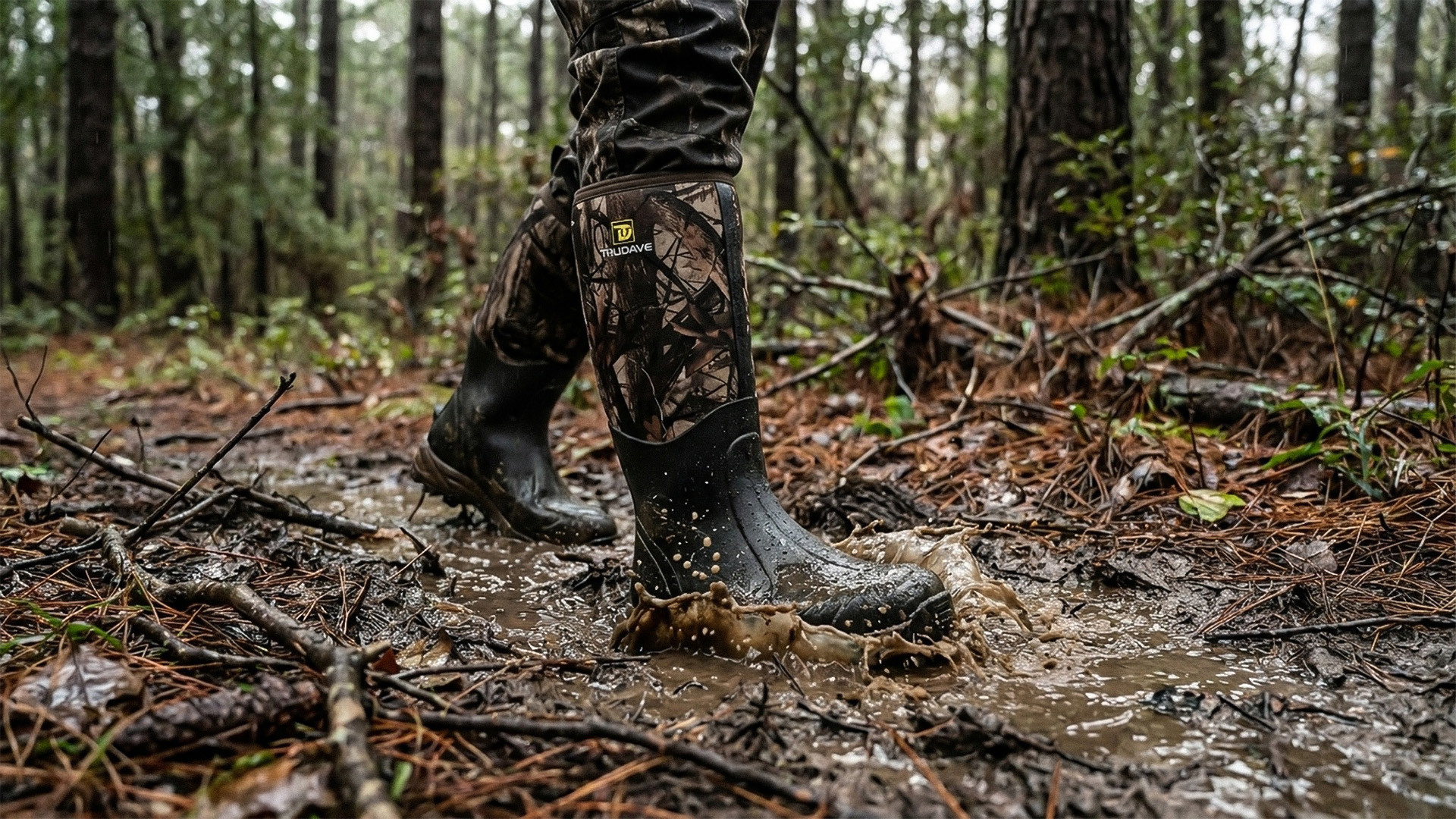
American woodcock hunting can confuse hunters who are used to more open upland birds.
The forest looks wrong.
Too wet.
Too thick.
Too young.
Alder stems grow shoulder to shoulder.
Young aspen blocks visibility.
Mud covers the trail.
A hunter takes five careful steps.
The dog suddenly locks up.
Nothing moves.
Another step.
A woodcock explodes from the ground almost vertically, twists between saplings, and disappears before the hunter has time to process what happened.
That is woodcock hunting.
These birds do not need wide grasslands or open agricultural fields.
They thrive in dense young forest where moist soil, earthworms, protective cover, and small openings all exist close together.
Successful woodcock hunters learn one simple lesson:
Do not hunt the prettiest forest.
Hunt the forest that looks young, wet, messy, and difficult to walk through.
That is often exactly where the birds want to be.
American Woodcock Need Young Forest
American woodcock are closely associated with early-successional habitat.
Productive cover may include:
- Young aspen
- Alder
- Birch regeneration
- Shrubby wetlands
- Young clearcuts
- Old farmland returning to forest
- Stream edges
- Low bottomlands
Mature open timber can look beautiful to hunters.
But it often provides too little ground-level structure for woodcock.
The best habitat is usually lower, thicker, and younger.
Dense Ground-Level Cover Matters
Woodcock spend much of their time on or near the ground.
They need vegetation that provides:
- Protection from predators
- Shade
- Moisture
- Nearby feeding opportunities
Young stems create exactly that kind of cover.
Look for forest where visibility is limited to:
- Twenty yards
- Ten yards
- Sometimes even less
If walking feels too easy, the cover may not be thick enough.
Moist Soil Is One of the Biggest Clues
Woodcock feed heavily on earthworms and other soil organisms.
That makes soft moist ground extremely important.
Productive locations often contain:
- Damp leaf litter
- Rich organic soil
- Streamside mud
- Low wet ground
Hard dry uplands may hold fewer feeding birds.
When scouting, pay attention to soil before trees.
Good woodcock cover usually begins under your boots.
Earthworm Habitat Matters
Earthworms are easier for woodcock to access in moist, workable soil.
This is why birds often concentrate around:
- Alder bottoms
- Creek edges
- Wet aspen
- Seep areas
A dry young forest may look structurally perfect.
But if the ground is hard and food availability is poor, birds may prefer another patch.
Alder Is Classic Woodcock Cover
Alder thickets are among the most recognizable woodcock habitats.
They provide:
- Dense stems
- Damp soil
- Shade
- Security
Alder often grows along:
- Streams
- Wet depressions
- Beaver systems
- Swamp edges
Do not assume the deepest swamp is best.
The transition between wet ground and slightly drier cover can be extremely productive.
Hunt the Alder Edge
The outer edge of an alder patch may provide:
- Easier feeding
- Better walking conditions
- Small openings
while security remains only a few feet away.
This transition can be ideal for both birds and hunters.
Work the edge slowly before pushing into the thick center.
Young Aspen Can Be Excellent
Regenerating aspen provides dense vertical structure.
Woodcock may use young stands where the ground remains moist enough to support food.
Search:
- Recent cuts
- Old burns
- Regrowth beside wetlands
- Aspen near streams
The best stands often combine young stems with a wet soil component.
Recent Logging Can Create Future Woodcock Habitat
Timber harvest can produce excellent young forest after vegetation regenerates.
A brand-new cut may be too open.
Several years later, it may contain:
- Aspen sprouts
- Shrubs
- Thick stems
This can create productive habitat.
Hunters should learn to recognize different regeneration ages.
Old Clearcuts Can Age Out
Young forest does not remain young forever.
As trees mature:
- Ground cover opens
- Stems become taller
- Habitat changes
A location that held birds ten years ago may no longer be ideal.
Keep finding newer regeneration.
Woodcock hunters need to follow forest age.
Beaver Habitat Can Create Excellent Conditions
Beaver activity changes hydrology.
It may create:
- Wet edges
- Alder
- Mud
- Shrubby regrowth
These changes can benefit woodcock around the margins.
Look at the transition around old or active beaver wetlands.
The deepest pond is not the target.
The moist young vegetation around it is.
Creek Bottoms Can Concentrate Birds
Small creeks often create narrow strips of ideal habitat.
They may provide:
- Moisture
- Soft soil
- Dense vegetation
- Travel structure
Follow creek systems through young forest.
Birds may concentrate where:
- Two drainages meet
- A creek enters alder
- Young forest borders the water
Small Seeps Can Be Better Than Big Wetlands
A tiny seep may create only a small patch of moist ground.
But if it sits inside otherwise dry young forest, that patch can become highly valuable.
Look for changes in vegetation color and soil softness.
One wet acre can hold more birds than a much larger dry area.
Rain Can Improve Woodcock Habitat Quickly
Rain softens ground.
That can increase feeding opportunities.
After rain, birds may shift toward:
- Damp young forest
- Creek bottoms
- Low ground
Wet conditions also make leaves quieter underfoot.
This can improve hunting.
Heavy Rain Can Push Birds Out of the Wettest Ground
Too much water can make some areas unsuitable.
Flooded bottoms may force birds toward:
- Slightly higher benches
- Edge cover
- Raised islands
Do not assume wetter is always better.
Woodcock want moist soil.
Not necessarily standing water everywhere.
Follow the Moisture Edge After Storms
After heavy rain, hunt the first firm ground above the saturated bottom.
This edge may combine:
- Soft soil
- Better footing
- Dense cover
Birds can remain near food without sitting in flooded habitat.
Migration Can Change Bird Numbers Overnight
Woodcock are migratory.
A cover that held only one bird yesterday may hold several after the right migration conditions.
This makes repeated scouting valuable.
Do not judge one patch permanently from one quiet hunt.
Bird numbers can change quickly.
Cold Fronts Can Bring New Birds
Weather systems can influence migration timing.
After favorable movement conditions, traditional young forest cover may suddenly improve.
Check proven habitat again.
The birds may have arrived overnight.
Stopovers Can Be Short
Migrating woodcock may use one location briefly.
A productive cover today may be quiet several days later.
This is normal.
Woodcock hunting rewards mobility and knowledge of multiple covers.
Build a Network of Covers
Do not depend on one woodlot.
Identify several areas containing:
- Young forest
- Alder
- Wet soil
- Creek edges
Then rotate.
This allows hunters to follow changing bird distribution.
Dogs Are Extremely Useful
A trained pointing dog can make woodcock hunting far more efficient.
The dog can locate birds hidden beneath:
- Leaves
- Ferns
- Alder
- Young saplings
Good dog work gives the hunter time to prepare.
In dense cover, those few seconds matter.
Close-Working Dogs Often Make Sense
Woodcock habitat can be thick.
A dog ranging too far may disappear completely.
Closer work helps hunters:
- Reach points
- Maintain safe shooting
- Track dog location
Range should match visibility.
Woodcock May Hold Very Tight
These birds often rely on camouflage.
A hunter may walk within only a few yards before the flush.
Trust the dog.
Do not assume the bird ran away because nothing moved immediately.
The Flush Can Be Almost Vertical
Woodcock may rise sharply before turning through cover.
This can create a very fast shooting window.
Be ready.
But do not rush unsafe shots.
Dense young forest limits visibility.
Tree Cover Makes Shooting Difficult
Unlike open-country upland hunting, woodcock shots often involve:
- Saplings
- Branches
- Brush
Wait for a clear lane.
Do not shoot through vegetation blindly.
The bird may disappear.
That is better than an unsafe shot.
Pick Safe Shooting Windows Before the Flush
When the dog points, look around immediately.
Identify:
- Open lane
- Partner location
- Dog position
Then approach.
Do not wait until the bird explodes upward to think about safety.
Low Shots Require Extra Discipline
Woodcock may fly low through young cover.
Know where:
- Dogs
- Partners
- Roads
- Houses
are located.
If the background is uncertain, do not shoot.
Multiple Hunters Need Tight Coordination
Dense cover hides people quickly.
Establish:
- Direction of travel
- Spacing
- No-shoot zones
before entering.
Do not assume visual contact will remain constant.
Blaze Orange Can Improve Visibility
Follow local legal requirements.
Visible clothing can make group hunting safer in:
- Alder
- Aspen
- Dense young forest
where another hunter can disappear behind stems only a few yards away.
Hunting Without a Dog Is Possible
Woodcock can still be hunted without dogs.
Focus on:
- Moist alder
- Young aspen
- Creek edges
- Seep zones
Move slowly.
Pause frequently.
Birds may hold until the hunter gets very close.
Use a Stop-and-Go Rhythm
Walk several steps.
Pause.
Listen.
Scan the ground.
Then continue.
A nervous woodcock may flush after the hunter stops.
Constant fast movement can reduce reaction time.
Walk the Best Ground, Not Every Stem
Dense cover burns energy.
Use habitat clues to focus effort.
Prioritize:
- Soft soil
- Moist pockets
- Young growth
Avoid spending equal time in dry mature timber.
Mud Can Be a Good Sign
Woodcock habitat often means wet ground.
Fresh mud may indicate:
- Suitable soil moisture
- Recent rain
- Productive feeding habitat
But it also creates a footwear challenge.
Waterproof Footwear Is Extremely Useful
Hunters working this habitat may encounter:
- Mud
- Wet leaves
- Dew
- Creek edges
- Shallow water
- Rain
Hunters may benefit from waterproof hunting boots for woodcock hunting that provide reliable moisture protection, secure heel fit, and traction for slippery young forest conditions.
The best woodcock cover often begins exactly where dry footwear stops working.
Lightweight Boots Help in Thick Cover
Woodcock hunting involves constant stepping over:
- Logs
- Roots
- Brush
- Mud
Heavy boots increase fatigue.
Choose footwear that balances:
- Waterproofing
- Support
- Weight
- Flexibility
Mobility matters.
Boot Height Depends on the Cover
Some areas contain only damp ground.
Others include:
- Shallow flooded sections
- Muddy creek crossings
A moderate or taller waterproof boot can be useful.
Deep water may require a different route or appropriate waders.
Scout first.
Rubber Boots Can Be Useful in Wet Bottoms
Tall rubber boots provide excellent water protection.
They can work well in:
- Swamp edges
- Mud
- Wet alder
But long walking requires good fit.
Loose heels create problems quickly.
Supportive Waterproof Boots Can Be Better for Hilly Covers
Some woodcock habitats combine wet bottoms with:
- Hills
- Rocky forest roads
- Long approaches
A supportive lace-up waterproof boot may provide better comfort.
Choose based on the whole hunt.
Mud Suction Can Pull at Boots
Soft bottomland mud creates resistance.
A loose boot may feel like it wants to stay in the ground.
Use shorter steps.
Walk firmer vegetation when possible.
Secure fit reduces fatigue.
Wet Leaves Are Slippery
Young forest floors often contain layers of wet leaves.
Underneath may be:
- Roots
- Mud
- Rocks
Watch every step.
Do not stare only at the dog while walking.
Fallen Logs Create Constant Obstacles
Regenerating forests often contain logging debris.
Step over carefully.
Do not jump blindly.
A hidden hole or branch can cause injury.
Brush Can Hide Old Wire
Former farmland and logging areas may contain:
- Barbed wire
- Fence posts
- Metal debris
This is a serious hazard for both hunters and dogs.
Learn the property history.
Watch for old fence lines.
Eye Protection Is Worth Wearing
Young forest branches constantly reach face level.
Clear protective glasses can help protect against:
- Twigs
- Alder
- Brush
This is especially useful when watching dog work instead of the vegetation directly ahead.
Durable Pants Make the Hunt Easier
Woodcock habitat can include:
- Briars
- Raspberry
- Blackberry
- Thick stems
Brush-resistant pants improve comfort.
If your clothing makes you avoid thick cover, you may avoid the birds too.
Dogs Need Post-Hunt Checks
Dense cover can create:
- Cuts
- Burrs
- Seeds
- Eye irritation
Inspect dogs after hunting.
Check:
- Paws
- Eyes
- Ears
- Coat
Small problems are easier to manage early.
Wet Dogs Can Get Cold
Late-season woodcock hunting may involve cool rain.
A dog moving constantly may stay warm.
During breaks, wet fur can cool quickly.
Monitor comfort.
Dry dogs where practical.
Carry Clean Water for Dogs
Wet habitat does not guarantee safe drinking water.
Carry clean water when practical.
Do not rely entirely on:
- Swamps
- Agricultural runoff
- Stagnant pools
Tick Awareness Matters
Young forest and brushy wetlands can contain ticks.
Use appropriate preventive measures.
Check:
- Hunters
- Dogs
- Gear
after the hunt.
Mosquitoes Can Persist Early in the Season
Warm early-season covers may still hold mosquitoes.
Use repellent and suitable clothing.
Constant swatting creates unnecessary movement.
Cold Weather Changes Cover Use
As temperatures drop, birds may use:
- Protected low ground
- Dense alder
- South-facing edges
depending on current conditions.
Weather can shift bird location inside the same property.
Frost Can Temporarily Harden Feeding Ground
A cold morning may make soil less workable.
As sunlight warms the cover, feeding conditions can improve.
Midmorning may be better than first light on some days.
Snow Changes the Search
Early snow can reveal tracks and habitat use.
Birds may shift toward:
- Snow-free moist ground
- Protected creek bottoms
- Dense young cover
Fresh snow provides information.
It can also make access more difficult.
Young Forest Can Be Hard to Navigate
Dense cover limits visibility.
It is easy to drift off course.
Use:
- GPS
- Offline maps
- Compass
where appropriate.
Do not assume you can always see the road.
Mark the Vehicle
Before entering a large young cut, save the vehicle location.
Dense stems can make every direction look the same.
This simple habit prevents unnecessary confusion.
Public Forests Can Offer Good Habitat
Woodcock habitat may occur on:
- State forests
- National forests
- Wildlife areas
- Other managed public land
Look for recent management creating young forest.
Habitat age matters more than property size.
Timber Management Maps Can Help
Where available, forestry information may identify:
- Recent cuts
- Regeneration areas
- Young stands
These can be useful scouting starting points.
Then verify:
- Soil moisture
- Actual vegetation
- Current bird sign
Maps identify possibilities.
Boots confirm them.
Private Woodlots Can Be Excellent
Small private forests may contain ideal combinations of:
- Alder
- Creek
- Young timber
- Old farm edges
Obtain permission.
Follow landowner rules.
Respect gates, roads, and property boundaries.
Wet Roads Can Be Easily Damaged
Logging and farm roads become soft after rain.
Do not drive through mud without permission.
Parking and walking protects access.
Migration Hunting Requires Flexibility
A cover can change quickly.
If one location is empty:
Move.
Do not spend the entire day proving that birds are not there.
A strong woodcock hunter usually knows several alternative covers.
Keep Notes on Productive Habitat
After every bird encounter, note:
- Soil moisture
- Stem age
- Tree species
- Nearby creek
- Weather
Over time, patterns become obvious.
The goal is not memorizing one hotspot.
It is learning how to find another one.
Mark Every Downed Bird
Woodcock can disappear instantly in:
- Leaves
- Ferns
- Brush
Mark the exact fall.
A dog can be extremely helpful during recovery.
Do Not Rush Toward the Next Flush
A second bird may rise immediately after the first.
Stay controlled.
Complete recovery before moving on.
Ethical hunting requires attention to every bird.
Warm Weather Requires Prompt Game Care
Early migration periods can still be mild.
Keep harvested birds:
- Clean
- Cool
- Shaded
Follow current wildlife and food-safety guidance.
Regulations Must Be Checked Locally
American woodcock are migratory game birds.
Hunters should verify current requirements regarding:
- Season dates
- Bag limits
- Possession limits
- Hunting licenses
- HIP registration where required
- Legal shooting hours
- Firearm restrictions
- Public-land rules
Use current official wildlife-agency information.
Migratory Bird Rules Matter
Do not assume woodcock regulations are identical to resident grouse or quail rules.
Federal migratory bird frameworks may apply.
Always verify the current season.
Species Identification Is Important
Woodcock habitat can overlap with other upland birds.
Hunters should recognize the woodcock’s:
- Compact body
- Long bill
- Rounded wings
- Distinctive flush style
Positive identification comes before the shot.
Habitat Conservation Is Essential
Woodcock depend heavily on young forest and wet early-successional habitat.
When forests mature uniformly, available habitat can decline.
Conservation and active habitat management can help maintain:
- Young timber
- Shrub wetlands
- Feeding ground
Hunters benefit directly from landscapes containing multiple forest age classes.
Common Woodcock Hunting Mistakes
Hunting Mature Open Timber
Young dense forest is usually more productive.
Ignoring Soil Moisture
Soft ground and food availability matter.
Walking Too Fast
Woodcock may hold extremely tight.
Avoiding Alder Because It Is Difficult
The thick wet cover is often exactly where birds are.
Wearing Leaky or Heavy Boots
Wet young forest demands waterproof mobility.
Letting Dogs Range Too Far
Dense cover requires close control.
Shooting Through Brush
Wait for a clear safe lane.
Depending on One Cover All Season
Migration changes bird numbers rapidly.
Frequently Asked Questions
Where do American woodcock usually live?
They commonly use young forests, alder thickets, moist bottomlands, stream edges, and other dense early-successional habitats with soft soil and good feeding conditions.
Why is moist soil important for woodcock?
Soft moist soil helps provide access to earthworms and other soil organisms that make up an important part of their diet.
Is woodcock hunting good after rain?
It can be. Rain can soften soil, improve feeding conditions, quiet leaves, and shift birds toward productive moist cover.
Can you hunt woodcock without a dog?
Yes. Hunters can still work young moist forest slowly, especially around alder, creek edges, and regenerating cuts.
What boots are best for woodcock hunting?
Lightweight waterproof hunting boots with secure fit, good mud and wet-leaf traction, and enough durability for alder, brush, and shallow wet ground are practical.
Are woodcock migratory birds?
Yes. American woodcock are migratory game birds, so hunters should always verify current migratory bird regulations before hunting.
Final Thoughts
Woodcock hunting teaches hunters to stop judging a forest by how comfortable it is to walk through.
Open mature timber may feel beautiful.
The birds may not care.
A wet alder thicket.
A young aspen cut.
A muddy creek bench.
A patch of regeneration filled with stems.
Those are the places worth slowing down.
Find soft soil.
Find young cover.
Follow the wet edge.
Trust the dog.
Wear boots that let you cross mud, wet leaves, creeks, alder, and young forest without choosing the easy route around productive habitat.
And when a woodcock suddenly explodes from beneath your feet in a cover that looked too wet and too thick to hunt, remember the lesson.
You were not in bad walking country.
You were finally in good woodcock country.
