
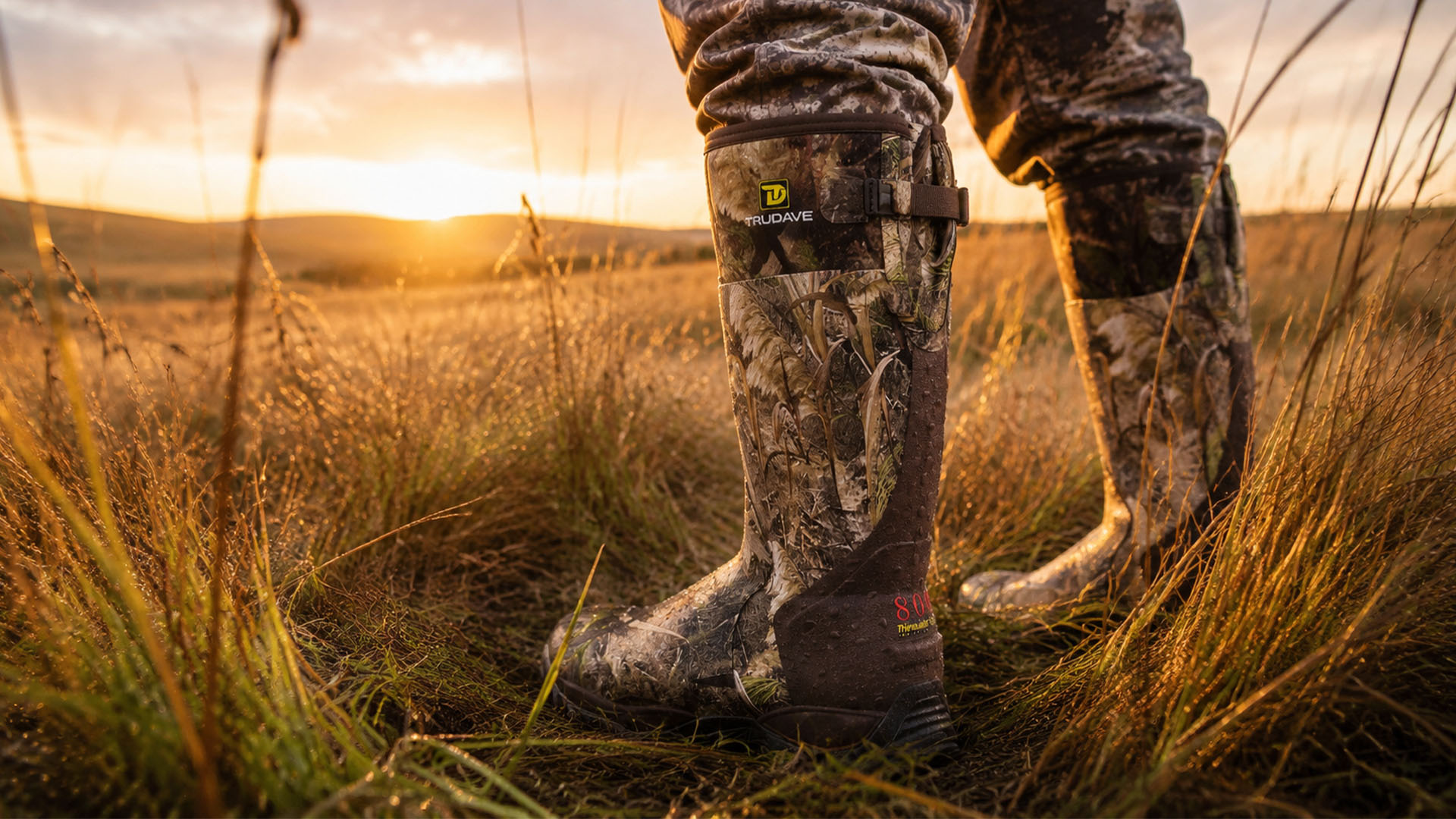
A light rain falls overnight.
By sunrise, the gravel roads are dark, the grass is heavy with water, and every step through a field edge leaves your pants soaked below the knees.
At first, the conditions seem miserable.
Then the dog slows down.
Its nose stays low.
The tail begins moving faster.
Thirty yards ahead, a rooster explodes from a narrow strip of switchgrass that looked too small to hold anything.
Wet weather can create some of the best pheasant hunting conditions of the season.
It can also make walking harder, conceal hazards, soak poorly chosen clothing, and change where birds spend the morning.
The hunters who do well after rain are not simply willing to get wet. They understand how moisture affects scent, cover, bird movement, access, and hunting pressure.
A wet field does not automatically hold more pheasants.
But it can make certain birds easier to locate—provided you know where to look.
Do Pheasants Move in the Rain?
Yes, pheasants continue feeding, traveling, and using cover during many rain events.
The intensity of the weather matters.
Light rain and drizzle may have limited effect on normal movement. Heavy rain combined with strong wind can push birds into thicker, more protected cover.
Temperature matters too.
A cool fall rain creates different conditions from freezing rain or a warm early-season storm.
Hunters should avoid using one rule for every wet-weather hunt.
Instead, evaluate:
- Rain intensity
- Wind direction
- Temperature
- Time of day
- Available cover
- Hunting pressure
- Recent agricultural activity
Pheasants respond to the complete environment, not rainfall alone.
Wet Conditions Can Improve Scenting for Dogs
Many pheasant hunters notice that dogs work differently when the ground and vegetation are damp.
Moisture can help scent remain closer to the ground and vegetation rather than dispersing as quickly in dry air.
This may allow a well-trained dog to identify bird scent more effectively.
However, better scenting does not mean every hunt becomes easy.
Wind, temperature, humidity, bird movement, and cover density all influence scent conditions.
A wet morning with moderate wind may provide excellent scenting.
A heavy downpour or strong gusting wind may create a much more complicated situation.
Watch the dog.
Changes in pace, head position, tail movement, and body posture often reveal more than a weather forecast.
Pheasants May Hold Tighter in Wet Cover
Wet vegetation can discourage birds from running long distances through heavy cover.
Some pheasants may hold tighter when pressured, especially when dense grass, cattails, or brush provides protection.
This can create closer flushes.
It can also surprise hunters.
A bird that would normally run ahead may remain still until the dog or hunter is only a few yards away.
Stay ready.
Maintain safe muzzle direction.
Communicate clearly with hunting partners.
Do not assume an empty-looking patch of cover is actually empty.
Heavy Rain Pushes Birds Toward Protection
During severe rain and wind, pheasants often seek cover that reduces exposure.
Look for:
- Dense cattails
- Brushy fence rows
- Shelterbelts
- Drainage ditches
- Thick grass beside crop fields
- Cedar or evergreen edges
- Overgrown creek bottoms
- Protected sides of hills
The best location may not be the largest field.
A narrow strip of dense cover protected from the wind can hold multiple birds when surrounding grass is exposed.
Study the landscape before entering.
Think about where a pheasant can remain dry, hidden, and protected from wind.
Start With the Leeward Side
Wind direction should influence where you begin hunting.
The leeward side of a shelterbelt, hillside, brush line, or heavy grass field often provides calmer conditions.
Birds may use these areas to conserve energy and avoid direct exposure.
Dogs may also work more effectively when hunters position the search to use the wind.
Whenever possible, plan a route that allows the dog to work scent carried from likely cover.
Do not simply enter from the nearest parking location.
The easiest access is not always the most productive.
Wet Grass Changes How Hunters Move
Tall wet vegetation creates resistance.
Every step requires more effort.
Pants become heavy.
Boots collect mud.
Hidden holes, wire, rocks, and uneven ground become more difficult to see.
Hunters often underestimate how much slower they will travel.
Leave extra time.
Shorten your route if necessary.
Reduce unnecessary pack weight.
A three-mile walk through dry grass is not the same as three miles through soaked cover.
Fatigue affects shooting, concentration, and decision-making.
Corn and Crop Fields Still Matter
Agricultural activity strongly influences pheasant movement.
Recently harvested corn, milo, wheat stubble, and other crops can provide food while nearby grass and brush offer security.
After rain, birds may move between food and thicker cover depending on the time of day and disturbance.
Look for edges where crop ground meets:
- Native grass
- Shelterbelts
- Ditches
- Brush
- Wetland vegetation
- Conservation strips
These transitions create feeding opportunities close to escape cover.
Pheasants rarely use every part of a large field equally.
Hunt the Edges Before the Middle
Many hunters immediately walk into the center of large grass fields.
That can push birds toward the edges, roads, or property boundaries before the hunters are ready.
Begin with the perimeter.
Check:
- Field corners
- Ditch intersections
- Brush piles
- Narrow grass strips
- Fence lines
- Crop edges
Birds often gather near structural changes in the habitat.
An edge gives pheasants several options: feeding, hiding, running, or escaping into adjacent cover.
Cattails Become More Important in Bad Weather
Cattails provide dense protection.
They reduce wind.
They conceal birds.
They often remain standing when other vegetation collapses.
Wet-weather pheasant hunters should pay attention to cattail sloughs, wetland edges, and narrow drainage systems.
But cattails create difficult walking.
Water depth changes.
Mud can become deep.
Ice may form later in the season.
Do not enter unfamiliar wetlands without evaluating conditions.
What looks like solid vegetation may hide water, soft mud, or drainage channels.
Small Cover Can Hold More Birds Than Expected
A ten-acre grass field looks promising.
A narrow ditch beside the road may look insignificant.
During wet weather, the ditch may provide better protection.
Pheasants often concentrate in small pieces of quality cover when large areas become uncomfortable.
Do not ignore:
- Roadside cover where legal
- Small shelterbelts
- Brushy waterways
- Abandoned farm edges
- Overgrown corners
- Narrow conservation strips
Pressure and weather can make small cover surprisingly productive.
Rain Changes Hunting Pressure
Bad weather affects hunters as much as birds.
Some groups stay home.
Others shorten their hunt.
Public access areas may receive less pressure.
This can create opportunity.
Birds that are usually pushed early may remain in predictable cover longer.
Parking areas can provide useful information.
Fewer vehicles may mean less competition—but it does not guarantee unpressured birds.
Use current sign and dog behavior to decide where to hunt.
Fresh Tracks Become Easier to Read
Wet roads, muddy field entrances, and soft ground reveal recent movement.
Look for pheasant tracks near:
- Crop edges
- Ditches
- Shelterbelts
- Gravel-road margins
- Wetland boundaries
- Feeding areas
Tracks can show direction and confirm birds are using the cover.
However, tracks alone do not guarantee the birds remain nearby.
Combine them with droppings, feathers, dog behavior, and current habitat conditions.
Birds May Run Instead of Flush
Pheasants are excellent runners.
Even in wet conditions, pressured birds may stay ahead of hunters.
Watch how the dog works.
If the dog repeatedly moves quickly through cover without producing a flush, birds may be running.
Consider:
- Blocking likely exits
- Using additional hunters safely
- Slowing the pace
- Approaching from a different direction
- Working toward a natural barrier
Never rush simply because the dog becomes excited.
Safe positioning matters more than forcing a quick flush.
Use Natural Barriers Carefully
Fences, creeks, roads, crop edges, and short-grass openings can influence how pheasants escape.
Birds running through cover may stop or flush when they reach a barrier.
Hunters can use these features strategically.
But barriers also create safety concerns.
Know where partners are positioned.
Be aware of roads, buildings, livestock, property lines, and other hunters.
Never allow a predicted escape route to create an unsafe shot.
Waterproof Footwear Can Extend the Hunt
Wet upland cover can soak ordinary footwear quickly.
Morning dew alone may be enough to wet socks before the first field is finished.
Rain adds mud, standing water, drainage crossings, and saturated vegetation.
Hunters spending hours walking these conditions may benefit from waterproof hunting boots for wet upland cover that provide dependable traction, secure heel retention, and enough flexibility for repeated walking.
The best boot depends on terrain.
Tall rubber boots may work well in wet grass and shallow mud.
Lace-up waterproof boots may provide more support for long distances or uneven ground.
Choose based on water depth, temperature, cover, and walking style.
Avoid Excessive Insulation
Wet weather often feels colder than the actual temperature.
That encourages hunters to wear heavy insulated footwear.
For mobile upland hunting, too much insulation can create sweat and discomfort.
The hunter begins walking.
Feet become hot.
Socks become damp from inside.
Later, the hunter stops and the moisture feels cold.
Choose insulation based on activity level, not temperature alone.
Mobile hunters usually generate significant heat.
Carry Dry Socks
A spare pair of socks can rescue a long day.
Store them in a waterproof bag.
If water enters the boot or sweat becomes excessive, change socks during a break.
Dry socks reduce friction and improve comfort.
They also help prevent blisters during long walks through wet cover.
Protect Your Shotgun From Moisture
Rain and wet vegetation expose firearms to water.
Wipe down metal surfaces after the hunt.
Inspect the barrel if the shotgun contacts mud or debris.
Never fire if you suspect an obstruction.
Keep ammunition dry.
Follow manufacturer recommendations for cleaning and maintenance.
A wet hunt should always be followed by proper firearm care.
Keep Electronics and Licenses Dry
Phones, vehicle keys, electronic dog collars, GPS devices, licenses, and permits should be stored in waterproof protection.
Assume everything unprotected will eventually become wet.
A simple sealed pouch can prevent major problems.
Carry backup batteries when using electronic dog equipment.
Cold and wet conditions can affect battery performance.
Watch the Dog for Cold Stress
Wet dogs can lose body heat quickly, especially when wind and low temperatures combine.
Monitor the dog throughout the hunt.
Watch for:
- Shivering
- Reduced energy
- Slower responses
- Reluctance to enter cover
- Stiff movement
Provide breaks, water, food, and protection appropriate for the conditions.
Dry the dog after the hunt.
A productive day is not worth risking the health of a hunting partner.
Mud Can Hide Sharp Hazards
Wet fields and ditches may contain:
- Barbed wire
- Broken glass
- Metal debris
- Sharp crop stubble
- Hidden holes
- Farm equipment parts
Walk carefully.
Watch the dog.
Carry a basic canine first-aid kit.
Know the location of the nearest veterinarian before hunting remote areas.
Light Rain and Heavy Rain Require Different Plans
A light drizzle may improve scenting and reduce hunting pressure.
A severe storm may reduce visibility, increase hypothermia risk, and make travel unsafe.
Do not treat every rainy forecast as a reason to hunt.
Evaluate:
- Temperature
- Wind speed
- Lightning
- Flooding
- Road conditions
- Dog safety
- Visibility
Sometimes the correct decision is postponing the hunt.
Know When to Leave the Field
Wet-weather hunters often take pride in staying out longer than everyone else.
That attitude can become dangerous.
End the hunt when:
- The dog becomes cold or exhausted
- Clothing is no longer keeping you warm
- Water levels are rising
- Lightning is nearby
- Roads may become impassable
- Visibility becomes unsafe
- Equipment problems develop
Good judgment fills more seasons than unnecessary toughness.
Common Wet-Weather Pheasant Hunting Mistakes
Hunting Only the Largest Grass Field
Protected edges and small cover may hold more birds during poor weather.
Ignoring Wind Direction
Leeward cover often becomes more attractive.
Walking Too Fast
Wet vegetation increases fatigue and can hide hazards.
Wearing Too Much Insulation
Mobile hunters can become wet from sweat.
Failing to Protect Electronics
Rain eventually reaches unprotected equipment.
Ignoring the Dog’s Condition
Wet, cold dogs require monitoring and regular breaks.
Assuming Every Bird Will Hold Tight
Pressured pheasants may continue running ahead.
Entering Unfamiliar Wetlands Carelessly
Cattails and marsh cover can conceal deep mud and water.
Frequently Asked Questions
Is pheasant hunting good after rain?
It can be. Wet conditions may improve scenting for dogs, reduce hunting pressure, and concentrate pheasants in protected cover.
Where do pheasants go during rain?
Pheasants often seek dense grass, cattails, shelterbelts, brushy ditches, creek bottoms, and other areas protected from wind and heavy precipitation.
Do pheasants hold tighter in wet weather?
Some birds may hold tighter in damp cover, but pressured pheasants can still run ahead of hunters. Behavior varies with cover, pressure, and weather intensity.
Is light rain good for pheasant dogs?
Moist conditions can improve scenting in some situations. Strong wind, heavy rain, and cold temperatures may create more difficult conditions.
What should you wear for wet-weather pheasant hunting?
Wear layered clothing, waterproof outer protection, suitable gloves, and waterproof footwear designed for the expected walking distance and terrain.
Should you hunt cattails after rain?
Cattails can provide productive weather protection for pheasants, but hunters should evaluate water depth, mud, ice, visibility, and access safety before entering.
Final Thoughts
Wet weather changes pheasant hunting.
It changes scent.
Cover.
Movement.
Access.
Hunting pressure.
Dog performance.
The best rainy-day hunters do not simply follow the same route they use in dry conditions.
They look for leeward cover.
Protected field edges.
Cattails.
Shelterbelts.
Small ditches.
Fresh tracks.
They slow down, protect their equipment, watch the dog, and adjust the hunt to the conditions.
Rain can make pheasants easier to locate.
It can also make every mile harder.
Prepare for both.
When you match the route, equipment, pace, and cover strategy to the weather, a morning that keeps other hunters at home can become one of the most productive upland hunts of the season.
