
Willow ptarmigan country can look almost empty.
Tundra stretches toward low mountains.
A creek cuts through the valley.
Willow thickets follow the water.
Snow fills shallow depressions.
Nothing moves.
Then one white bird steps from behind a shrub.
Another appears ten yards farther down the drainage.
A third bird rises from the snow.
Within seconds, a patch of tundra that looked completely vacant becomes alive with birds.
That is willow ptarmigan hunting.
These birds survive in landscapes where weather, vegetation, and snow can change quickly.
They rarely use every acre equally.
Successful hunters learn to connect:
- Willow
- Creek corridors
- Tundra edges
- Snow depth
- Feeding cover
- Wind protection
- Seasonal movement
The landscape is enormous.
The useful habitat can be surprisingly narrow.
Willow Ptarmigan Are Birds of Northern Shrub Country
Willow ptarmigan commonly use northern habitats containing combinations of:
- Willow
- Alder
- Tundra
- Creek valleys
- Wet lowlands
- Alpine foothills
- Snow-covered shrublands
They can occupy open country.
But shrubs often provide both food and security.
Willow Is One of the Best Habitat Clues
When searching unfamiliar country, willow-covered drainages are an excellent starting point.
Willow can provide:
- Food
- Cover
- Wind protection
- Travel structure
Follow the Creek Systems
In broad tundra valleys, creeks often create the densest shrub growth.
That makes them natural habitat corridors.
Small Tributaries Can Be Productive
Do not focus only on the largest drainage.
A narrow side creek may contain:
- Thick willow
- Better snow conditions
- Less disturbance
Creek Junctions Deserve Attention
Where two drainages meet, vegetation may become denser.
These intersections can offer more feeding cover.
Tundra-Willow Transitions Are High-Value Areas
The best habitat is often where:
- Open tundra
- Willow thicket
meet.
Birds can feed near cover while still maintaining visibility.
Hunt the Edge First
Walking directly into the thickest willow can reduce visibility and slow movement.
Work the boundary carefully.
Small Openings Inside Willow Matter
Birds may feed in:
- Snow openings
- Grass patches
- Creek margins
inside otherwise dense shrub cover.
Look for Repeated Tracks
Fresh snow can reveal current activity.
Tracks may show birds moving between:
- Feeding shrubs
- Resting cover
- Open tundra
Snow Is an Excellent Scouting Tool
Winter conditions can make ptarmigan easier to pattern.
Fresh tracks tell you:
- Where birds walked
- Where they fed
- Which shrubs they used
Track Freshness Matters
Fresh tracks often have:
- Sharp edges
- Clean snow displacement
- Little wind fill
Older sign softens.
Wind Can Erase Tracks Quickly
Open tundra receives constant weather.
A track may disappear much faster than it would in forest.
Fresh Snow Resets the Landscape
After snowfall, every new track becomes more meaningful.
Do Not Follow Every Track Forever
The goal is not tracing every step.
The goal is locating the habitat the birds are currently using.
Concentrated Sign Is More Important
If one willow patch contains:
- Multiple tracks
- Droppings
- Feeding evidence
slow down.
Ptarmigan Can Blend Extremely Well
Seasonal plumage allows them to disappear against:
- Snow
- Rock
- Tundra vegetation
White Birds Are Not Always Easy to See
Against snow, a stationary ptarmigan may nearly vanish.
Look for Dark Features
Sometimes the first clue is:
- Eye
- Beak
- Shadow
rather than the whole bird.
Movement Reveals Them
A head turn can suddenly expose a bird you had been staring past.
Scan Willow Tops and Snow Edges
Birds may stand slightly above surrounding vegetation.
Flocks Can Be Loose
One bird may sit twenty yards from the next.
Do not assume the habitat is empty after the first flush.
Stay Ready After One Bird Rises
Additional birds may remain nearby.
Early Season Looks Completely Different
Before heavy snow, the landscape may contain:
- Wet tundra
- Green willow
- Mud
- Open creeks
Birds Can Blend With Summer Vegetation Too
Brown and mottled plumage disappears against tundra extremely well.
Look for Feeding Movement
Birds walking through shrubs are easier to locate than stationary birds.
Autumn Weather Changes Quickly
Rain may become:
- Sleet
- Snow
- Freezing wind
within the same day.
Carry Layers
Alaska-style tundra weather can change faster than hunters expect.
Rain Makes Tundra Difficult
Wet vegetation and saturated ground increase fatigue.
Tundra Can Hold More Water Than It Appears To
A grassy-looking flat may actually be:
- Spongy
- Saturated
- Full of hidden puddles
Tussocks Create Difficult Footing
Raised grass clumps force uneven steps.
Every Step Can Twist Differently
Ankles work constantly.
Slow Down
Fast movement across tundra increases injury risk.
Wet Tundra Absorbs Energy
A mile can feel much longer than a mile on a road.
Distance Is Deceptive
Open country makes nearby ridges look closer than they are.
Use Maps Before Walking
Topographic maps can help identify:
- Creek systems
- Low ridges
- Valley bottoms
- Alpine transitions
Satellite Imagery Can Reveal Shrub Corridors
Dark lines following drainages may indicate denser willow.
Recent Imagery Is Better
Flooding and vegetation changes can alter access.
Glassing Can Save Miles
Use binoculars from slightly elevated ground.
Search:
- Willow edges
- Open tundra
- Snow patches
Ptarmigan Can Be Difficult to Glass at Long Distance
Their coloration is designed to blend in.
Repeated scanning helps.
Do Not Skyline Yourself
Stay just below exposed ridges when possible.
Open Tundra Offers Little Concealment
Birds may detect movement from considerable distance.
Use Terrain Folds
Even small depressions can hide an approach.
Creek Banks Can Provide Cover
Low corridors may reduce visibility.
Wind Changes Bird Location
Strong tundra wind can influence where birds spend time.
Look for:
- Leeward willow
- Low depressions
- Protected creek bends
Willow Can Block Wind
Dense shrubs create small sheltered pockets.
These can be far more comfortable than open tundra.
Wind Also Changes Flight
A flushed ptarmigan can move quickly with a tailwind.
Crosswinds Make Birds Harder to Track Visually
Stay controlled.
Pick One Bird
If several flush together, choose one clearly identified bird.
Do Not Shoot Into a Group
Individual target discipline improves safety and recovery.
Birds May Fly Low
Open tundra does not mean every shot direction is safe.
Know where:
- Partners
- Dogs
- Roads
- Camps
are located.
Establish Hunter Spacing
Wide-open habitat encourages hunters to spread out.
Maintain a clear line.
Communicate Around Willow
Dense shrubs can hide a partner quickly.
Never Shoot at Movement Inside Brush
Positive identification comes first.
Dogs Can Be Useful
Where legal and appropriate, pointing or flushing dogs can help locate birds in willow and tundra.
Tundra Is Physically Demanding for Dogs
Uneven ground increases energy use.
Carry Clean Water
Natural water may look clean.
That does not guarantee it is safe.
Dogs Still Need Hydration in Cold Weather
Cold does not eliminate water needs.
Wet Dogs Lose Heat Quickly
Wind across soaked fur can cool them fast.
Carry a Drying Towel
A simple towel can help during breaks.
Paw Checks Matter
Tundra and alpine terrain may contain:
- Sharp rock
- Ice
- Gravel
Snow Can Ball Between Toes
Remove ice buildup before it causes irritation.
Frozen Crust Can Abrade Pads
Inspect regularly.
Thick Willow Can Scratch Dogs
Eye and skin protection may be worth considering depending on conditions.
Willow Ptarmigan Hunting Is Hard on Footwear
A typical hunt may involve:
- Wet tundra
- Mud
- Snow
- Shallow creeks
- Frozen soil
- Willow brush
- Rocky foothills
- Long walks
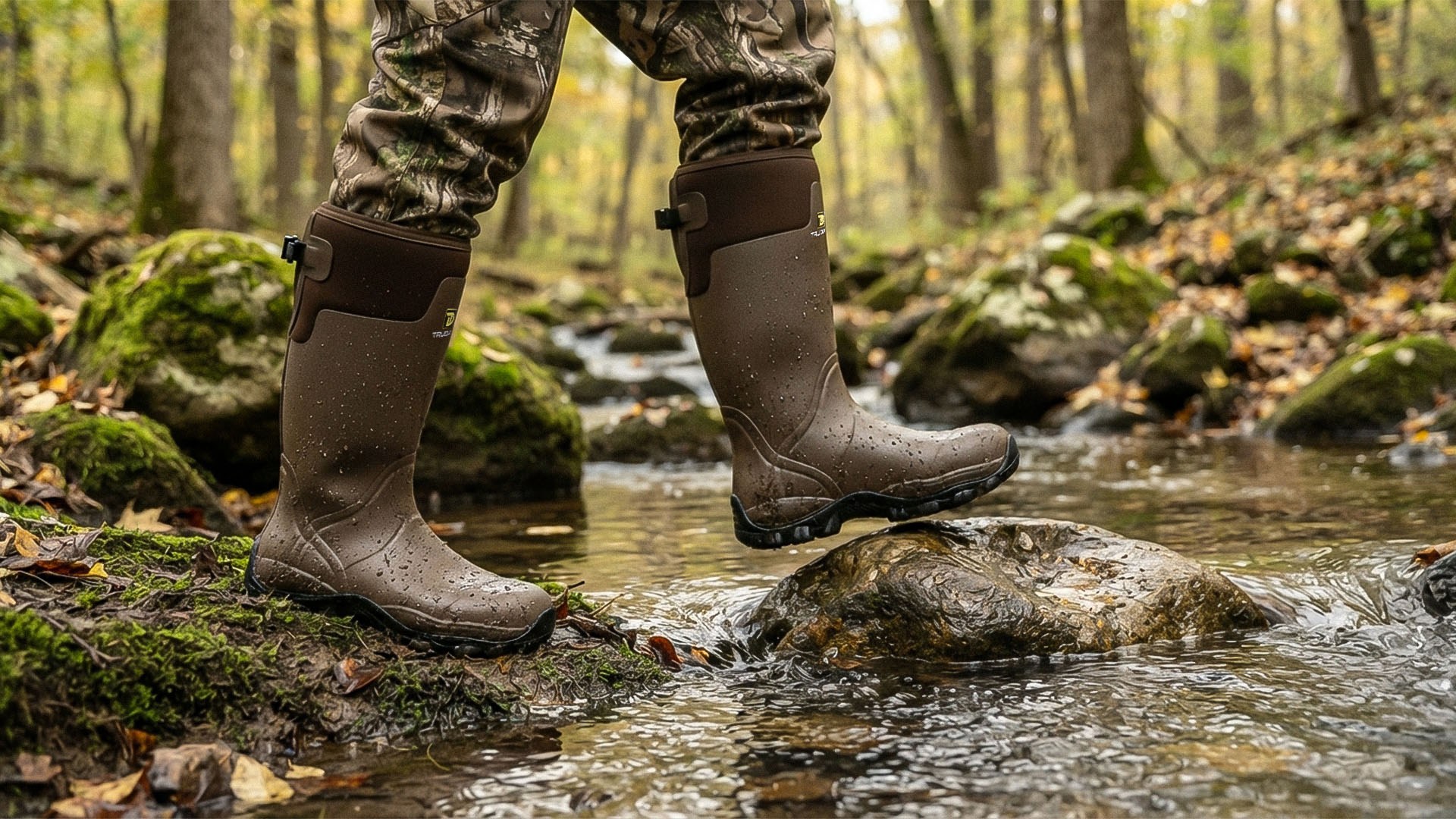
Hunters may benefit from waterproof hunting boots for Alaska upland hunting that provide secure heel retention, dependable traction, and enough ankle support for uneven tundra without becoming unnecessarily heavy.
Waterproofing Is Essential
Tundra moisture can soak ordinary footwear quickly.
Rain Is Only Part of the Problem
Moisture may come from:
- Wet grass
- Willow
- Mud
- Snow
- Shallow crossings
Gaiters Are Extremely Useful
Gaiters help reduce:
- Snow
- Water
- Mud
- Vegetation debris
entering boots.
Tundra Water Often Reaches Above Low Boots
Boot height matters.
Tall Rubber Boots Can Work in Wet Lowlands
Where terrain is flatter and extremely wet, rubber hunting boots may be practical.
Rubber Boots Need Walking Comfort
Long tundra miles expose poor heel fit.
Lace-Up Waterproof Boots Often Work Better in Mixed Terrain
If the route includes:
- Hills
- Rock
- Tundra
- Long approaches
supportive lace-up boots may offer better control.
Secure Heel Fit Is Critical
Uneven ground creates constant foot movement.
Poor Heel Lock Causes Blisters
Especially during long sidehill travel.
Moderate Ankle Support Helps
Tussocks and hidden holes stress ankles.
Toe Protection Matters
Rocky creek beds can punish lightweight footwear.
Traction Must Handle Mixed Surfaces
One hunt may include:
- Mud
- Wet grass
- Snow
- Rock
- Ice
No Sole Works Perfectly Everywhere
Careful foot placement still matters.
Snow Changes Boot Requirements
Later-season hunts may require more insulation.
Do Not Automatically Choose Maximum Insulation
Walking generates heat.
Too Much Insulation Can Cause Sweat
Moisture inside the boot becomes a problem during long stops.
Match Insulation to Activity
Consider:
- Temperature
- Wind
- Snow depth
- Mileage
Carry Spare Socks
A wet creek crossing does not have to end the hunt.
Dry Socks Improve Warmth
Protect them inside waterproof storage.
Cold Creeks Require Respect
Even shallow water can be painfully cold.
Choose Crossing Points Carefully
Look for:
- Firm bottom
- Lower flow
- Stable banks
Do Not Jump Between Wet Rocks Unnecessarily
A fall in cold conditions can become serious.
Walking Poles Can Help
They may improve stability across:
- Tundra
- Creeks
- Snow
Snow Can Hide Water
A white surface may cover:
- Creek edge
- Marsh hole
- Weak ice
Never Assume Frozen Ground Is Safe
Wildlife tracks do not prove human-safe ice.
Stay on Known Ground
Especially around:
- ponds
- creek channels
- wetlands
Early Ice Is Unpredictable
Avoid unnecessary crossings.
Deep Snow Changes Everything
Birds may concentrate around shrubs remaining above the snow.
Willow Tips Can Become Major Food Sources
Look for feeding sign around exposed stems.
Snow Can Make Shrub Corridors Easier to Identify
Willow stands rise above otherwise white terrain.
Deep Snow Also Increases Hunter Effort
Every step costs more.
Snowshoes May Be Useful
In suitable deep-snow terrain, snowshoes can reduce sinking.
Practice Before Hunting
Willow and uneven terrain can make them awkward.
Crusted Snow Creates Different Conditions
Hard surfaces may support weight inconsistently.
Punching Through Crust Is Exhausting
Plan shorter routes.
Windblown Ridges Can Have Less Snow
These routes may be easier to walk.
But Exposure Is Greater
Strong wind can increase cold stress.
Windproof Clothing Matters
Open tundra offers almost no shelter.
Dress in Layers
Start slightly cool during active movement.
Add Insulation During Stops
Especially when glassing.
Protect Dry Layers
Keep them in waterproof storage.
Gloves Need Backup
Snow and willow can soak gloves.
Carry a Second Pair
Dry hands improve comfort and dexterity.
Face Protection Helps
Strong cold wind can become uncomfortable quickly.
Eye Protection Can Be Useful
Blowing snow and willow branches both create problems.
Hydration Still Matters
Hunters often drink less in cold weather.
Carry Water Where It Will Not Freeze
Insulated storage can help.
High-Energy Food Is Useful
Cold-weather walking burns significant energy.
Daylight Can Be Limited
Northern hunts can have shorter daylight depending on season and latitude.
Plan Return Time
Do not wait until darkness to think about navigation.
Carry a Headlamp
Always.
Carry Backup Power
Cold reduces battery performance.
Fog Can Appear Quickly
Open tundra becomes surprisingly confusing when distant landmarks disappear.
Do Not Depend on Mountains Alone for Navigation
Use reliable maps.
Offline Maps Are Essential
Download:
- Topography
- Creek systems
- Property or management boundaries
- Access routes
before the hunt.
Mark the Vehicle or Camp
A long bird chase can pull hunters much farther than expected.
Remote Habitat Requires Extra Planning
Some ptarmigan country may be far from easy access.
Carry Basic Emergency Gear
Weather can delay the return.
Tell Someone the Plan
Remote hunting requires clear trip planning.
Public-Land Rules Can Vary
Different Alaska or northern properties may have different:
- Access
- Vehicle
- Hunting
rules.
Check Exact Management Areas
Do not assume all tundra is open to the same methods.
Regulations Can Vary by Region
Before hunting, verify current official:
- Season dates
- Daily bag limits
- Possession limits
- License requirements
- Area restrictions
- Legal methods
Ptarmigan Species Can Overlap
Depending on region, hunters may encounter more than one ptarmigan species.
Willow, Rock, and White-Tailed Ptarmigan Can Differ
Know the species present in the hunting area.
Identification Matters
Study:
- Habitat
- Plumage
- Body structure
- Seasonal appearance
using official wildlife resources.
Winter Plumage Makes Identification More Difficult
Several species can become largely white.
Do Not Identify Only by Color
Use multiple characteristics.
Habitat Is a Clue, Not Proof
A bird in willow may strongly suggest one species.
Visual confirmation still comes first.
If Unsure, Do Not Shoot
Positive identification is always more important than opportunity.
Recovery Can Be Difficult in Snow
A white bird can disappear completely after falling.
Mark the Fall Immediately
Use multiple landmarks such as:
- Willow patch
- Creek bend
- Dark rock
- Snow ridge
Do Not Look Away Too Soon
A few seconds can make relocation difficult.
Dogs Can Improve Recovery
A trained dog may locate birds hidden in:
- Snow
- Shrubs
- Tundra
Without a Dog, Search Methodically
Start at the marked point.
Use:
- Small circles
- Parallel passes
Tracks Can Help
Fresh snow may reveal final movement.
Do Not Destroy the Area Immediately
Preserve useful sign.
Warm Early-Season Weather Still Requires Game Care
Tundra does not always mean freezing temperatures.
Keep Harvested Birds Clean and Cool
Follow current food-safety guidance.
Wet Ground Can Contaminate Game
Use clean storage.
Common Willow Ptarmigan Hunting Mistakes
Walking Huge Tundra Areas Randomly
Focus on willow, creek systems, and transition habitat.
Ignoring Small Tributaries
Narrow drainages can hold excellent cover.
Following Every Track Without Reading Habitat
Use tracks to locate active feeding zones.
Walking Too Fast Through Willow
Birds may hold close.
Underestimating Tundra Footing
Flat does not mean easy.
Wearing Heavy or Poorly Fitting Boots
Wet ground and long mileage expose footwear problems quickly.
Ignoring Weather Changes
Northern conditions can shift rapidly.
Assuming Every White Ptarmigan Is the Same Species
Positive identification matters.
Frequently Asked Questions
Where do willow ptarmigan usually live?
Willow ptarmigan commonly use tundra, willow thickets, creek valleys, wet lowlands, alpine foothills, and other northern habitats containing dense shrub cover.
Are willow-covered creek bottoms good for ptarmigan hunting?
Yes. Creek systems often support dense willow, feeding opportunities, wind protection, and travel cover.
Is fresh snow good for willow ptarmigan hunting?
Yes. Fresh snow can reveal recent tracks, feeding areas, and travel patterns, though snow depth can make hunter movement more difficult.
Does wind affect ptarmigan hunting?
Yes. Strong wind may push birds toward sheltered willow and low terrain while also making flight and hunter comfort more challenging.
What boots are best for willow ptarmigan hunting?
Waterproof hunting boots with secure heel fit, dependable traction on wet tundra, mud, snow, and rock, plus moderate ankle support for uneven terrain are practical.
Are rubber boots useful for ptarmigan hunting?
Tall rubber boots can work well in very wet lowland tundra, while mixed tundra, hills, rock, and longer walking routes may favor supportive waterproof lace-up boots.
Can dogs help hunt willow ptarmigan?
Yes, where legal. Dogs can help locate birds in willow and improve recovery, but hunters should manage cold, wet conditions, paw health, hydration, and remote terrain carefully.
Do willow ptarmigan hunting regulations vary?
Yes. Seasons, bag limits, possession limits, licenses, species rules, area restrictions, and legal methods can differ by jurisdiction. Hunters should verify current official regulations before hunting.
Final Thoughts
Willow ptarmigan hunting teaches hunters that northern tundra is not as empty as it looks.
One willow corridor provides food.
One creek offers cover.
One shallow depression blocks the wind.
One fresh snowfall records where birds fed during the night.
One small patch of shrubs can hold an entire group while miles of open tundra remain empty.
Follow the willow.
Read fresh tracks.
Study creek systems.
Watch the wind.
Move slowly through good cover.
Respect snow, cold water, unstable tundra, weather, and remote access.
Wear boots that let you cross wet tundra, mud, shallow creeks, frozen soil, snow, willow thickets, rocky foothills, and miles of northern country without making soaked feet, blisters, or poor traction the reason the hunt ends early.
And when one white bird suddenly steps from behind a willow before several more appear around it, remember the lesson.
The tundra was never empty.
The birds were simply concentrated in the few places where food, cover, snow, and protection came together.
