
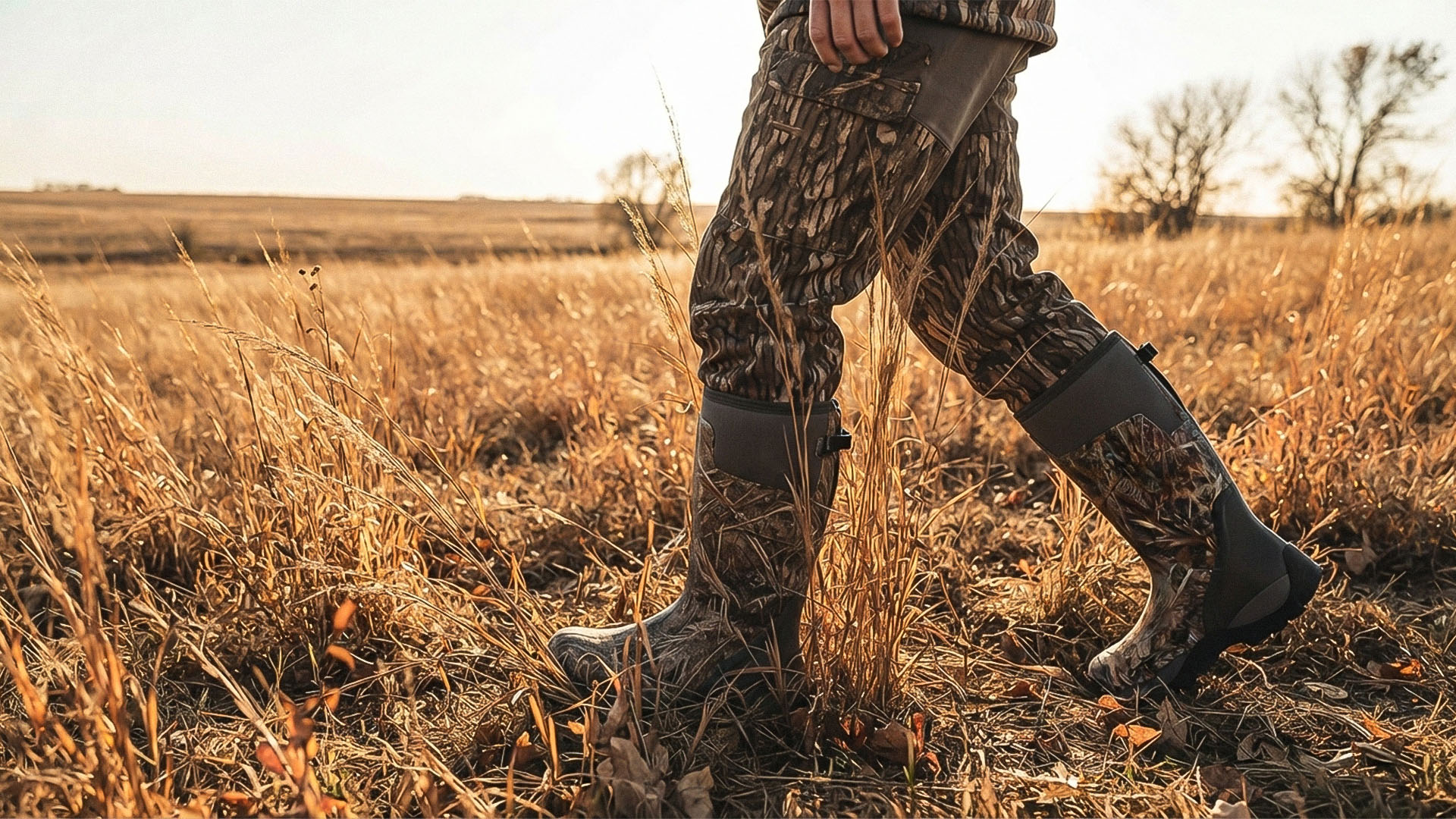
Cottontail rabbit country rarely looks dramatic.
A brushy fence line separates two fields.
Tall grass grows beside a drainage ditch.
Blackberry vines cover an old corner.
A pile of branches sits behind an abandoned shed.
Most hunters can walk past these places without thinking twice.
That is exactly why rabbits use them.
Cottontails do not need huge wilderness.
They need the right combination of:
- Food
- Dense escape cover
- Dry bedding ground
- Short travel distance
A narrow strip of ugly cover can be more valuable than hundreds of acres of open field.
The challenge is learning to see the landscape from the rabbit’s level.
What looks like one field to a hunter may contain dozens of small habitat zones.
One ditch.
One hedgerow.
One weedy corner.
One brush pile.
One wet low spot with a dry bank beside it.
Those details are where rabbit hunting begins.
Cottontails Are Edge Specialists
Cottontail rabbits commonly use places where two habitat types meet.
Examples include:
- Field and brush
- Pasture and hedgerow
- Creek and grass
- Crop and ditch
- Woodland and old field
These transitions provide both food and security.
A rabbit can feed close to open ground and disappear into thick cover within seconds.
Open Fields Alone Are Usually Not Enough
A large clean field may provide food.
But it often lacks protection.
Cottontails generally prefer to stay close to places where they can hide from:
- Hawks
- Foxes
- Coyotes
- Other predators
The best feeding area is usually near dense escape cover.
Start With Hedgerows
Hedgerows can be excellent rabbit habitat.
They may contain:
- Grass
- Briars
- Shrubs
- Small trees
- Fallen limbs
all packed into a narrow strip.
That creates both food and concealment.
Hunt the Thickest Sections First
Not every part of a hedgerow is equally valuable.
Slow down around:
- Blackberry patches
- Brush piles
- Fence corners
- Fallen trees
These features can create concentrated hiding cover.
Hedge Corners Can Hold Rabbits
Where two field edges meet, vegetation often becomes thicker.
Corners may also receive less farm traffic.
That combination can make them especially productive.
Do Not Walk the Center of the Field
Stay near the edge.
Cottontails often remain only a few yards inside:
- Brush
- Grass
- Briars
while feeding close to open ground.
Drainage Ditches Can Be Excellent
Farm drainage systems create long strips of:
- Grass
- Moist soil
- Brush
- Reeds
that connect habitat across large properties.
A ditch can function like a rabbit highway.
Hunt Slightly Above the Wettest Ground
Rabbits need dry places to rest.
After rain, they may use:
- Raised ditch banks
- Brushy shoulders
- Grass terraces
rather than the saturated bottom.
Wet Ditches Change Rabbit Location
A ditch that holds rabbits during dry weather may become partially flooded after storms.
Birds move.
Rabbits move too.
Look just above the waterline.
Rain Can Make Rabbit Sign Easier to Read
Fresh mud may show:
- Tracks
- Crossing points
- Travel direction
along:
- Ditches
- Farm roads
- Field edges
After rain, old sign becomes easier to separate from new activity.
Fresh Tracks Matter More Than Old Tracks
A well-used crossing may show tracks for days.
Look for prints with:
- Sharp edges
- Freshly disturbed mud
to identify recent movement.
Snow Is Even Better for Reading Travel
Where winter snow occurs, rabbit tracks can reveal:
- Feeding loops
- Escape routes
- Bedding cover
Fresh snow turns invisible movement into a map.
Tracks Often Lead Between Food and Cover
Do not follow every print individually.
Instead, ask:
Where are they coming from?
Where are they going?
Repeated movement between:
- Crop edge
- Hedge
- Brush pile
reveals the real pattern.
Old Fields Can Be Excellent
Abandoned or lightly managed fields may contain:
- Goldenrod
- Blackberry
- Grass
- Young saplings
This messy vegetation provides ideal escape cover.
Early Successional Habitat Is Valuable
Young, disturbed vegetation often gives rabbits what mature forest does not:
Dense cover near ground level.
Mature Forest Can Be Too Open
A beautiful hardwood stand may contain very little low vegetation.
Rabbits may instead concentrate around:
- Clearcuts
- Field edges
- Logging roads
- Brushy openings
Small Clearcuts Can Produce Good Habitat
Several years after timber harvest, regeneration may include:
- Briars
- Grass
- Saplings
that provide excellent cover.
Fresh Cuts May Be Too Open
Immediately after harvest, a cut may lack enough security.
As vegetation grows back, rabbit habitat often improves.
Brush Piles Are Classic Rabbit Cover
A pile of:
- Limbs
- Logs
- Old fence posts
can provide tight shelter.
Rabbits may sit deep underneath and refuse to move until hunters get close.
Approach Brush Piles Carefully
Old farm debris can hide:
- Wire
- Nails
- Metal
Avoid stepping directly onto unstable piles.
Never Reach Blindly Into Cover
Brush piles may contain:
- Sharp debris
- Other wildlife
Work around the outside.
Fence Lines Can Be Travel Corridors
Old fences often collect:
- Grass
- Brush
- Vines
and connect larger habitat blocks.
Rabbits can travel along them without entering open ground.
Fence Crossings Can Reveal Movement
Look for:
- Tracks
- Narrow grass paths
- Hair
where rabbits move under or through fencing.
Barbed Wire Requires Care
Farm country often contains:
- Active fences
- Abandoned fences
- Fallen wire
Watch your footing.
Dogs Can Be Extremely Useful
Beagles are traditionally associated with rabbit hunting because they can follow scent through thick cover.
A trained dog may help:
- Locate rabbits
- Keep pressure on moving animals
- Reveal escape routes
Dog Control Matters
Farm country contains hazards such as:
- Roads
- Livestock
- Fences
- Property boundaries
Maintain reliable control.
Roads Are a Major Concern
A rabbit may cross toward a road.
Dogs may follow.
Know nearby traffic before hunting a cover strip.
Do Not Run Dogs Near Unsafe Roads Without a Plan
A productive-looking ditch is not worth risking a dog near heavy traffic.
Farm Fences Can Injure Dogs
Running dogs may encounter:
- Barbed wire
- Woven wire
- Electric fencing
Scout obvious hazards.
Dogs Need Paw Checks
Wet farm habitat may contain:
- Sharp stems
- Wire
- Broken glass
- Metal
Inspect paws regularly.
Wet Grass Can Hide Debris
Vegetation may conceal old farm materials completely.
Move carefully.
Carry Clean Water for Dogs
Do not rely on:
- Ditch water
- Farm ponds
- Agricultural runoff
Bring fresh water when practical.
Hunting Without Dogs Can Still Work
Rabbit hunters can slowly work likely cover on foot.
Focus on:
- Briars
- Brush piles
- Ditch banks
- Hedge corners
Move deliberately.
Walk Slowly
Cottontails often hold tight.
A rabbit may remain motionless until a hunter is only a few yards away.
Fast walking can cause wild, unexpected flushes.
Stop Often
A rabbit that stays frozen while you move may become nervous when you stop.
Pause.
Scan.
Listen.
Then continue.
Watch for Tiny Movement
You may see:
- Ear movement
- Grass shifting
- A gray body slipping under brush
before a full flush.
Rabbits Often Use Familiar Escape Routes
A pressured cottontail may run toward:
- Brush pile
- Culvert
- Fence row
- Briar patch
where it already knows the cover.
Learn the Escape Cover Before the Flush
As you enter a field edge, identify where the rabbit is likely to go.
That helps you stay prepared.
Ditches Can Funnel Movement
A rabbit inside a narrow drainage corridor may run along it rather than immediately crossing open ground.
Watch the ditch ahead.
Culverts Can Become Refuge
Drainage structures may offer hiding space.
Do not reach or crawl into unsafe culverts.
Farm Roads Can Provide Useful Sign
Soft dirt roads may show fresh tracks where rabbits cross between:
- Hedge
- Field
- Woods
Early Morning Can Be Productive
Cool conditions may keep rabbits near feeding edges.
Look around:
- Crop boundaries
- Grass strips
- Clover areas
near secure cover.
Late Afternoon Can Produce Movement Too
As light drops, rabbits may begin feeding again.
Edges become especially important.
Midday Can Still Hold Rabbits
They may simply retreat deeper into:
- Briars
- Brush piles
- Thick grass
Slow down.
Cold Weather Changes Habitat Use
During cold conditions, cottontails may favor:
- Dense brush
- Sunny banks
- Sheltered field edges
South-Facing Edges Can Be Productive
A protected sunny bank may warm sooner.
Rabbits may use these microclimates during cold periods.
Wind Can Push Rabbits Into Shelter
Strong wind makes exposed fields less comfortable.
Search:
- Leeward hedgerows
- Ditches
- Brush
Snow Can Concentrate Rabbits Around Cover
Open snowy fields provide little concealment.
Birds and predators see more.
Rabbits may stay very close to dense escape cover.
Thick Briars Become Even More Important
Winter reduces leafy cover elsewhere.
Evergreen shrubs and tangled vines can become high-value security habitat.
Rain Changes Footing for Hunters
Wet field borders become:
- Slick
- Muddy
- Heavy
especially in clay soil.
Rabbit Hunting Is Harder on Boots Than It Looks
A typical hunt may involve:
- Dew-soaked grass
- Mud
- Drainage ditches
- Creek crossings
- Brushy field borders
- Frozen ruts
- Long walks
Hunters may benefit from waterproof hunting boots for rabbit hunting that provide secure heel retention, dependable mud traction, and enough flexibility for all-day farmland walking.
Waterproofing Matters Even Without Deep Water
Most hunters are not wading.
But moisture comes from:
- Dew
- Wet weeds
- Mud
- Light rain
Over several hours, non-waterproof footwear can become completely soaked.
Lightweight Boots Are Often Better
Rabbit hunting usually involves constant movement.
Heavy boots can become tiring.
Balance:
- Waterproofing
- Traction
- Flexibility
- Weight
Secure Heel Fit Matters
Sticky mud pulls against the boot.
Loose footwear creates:
- Heel slip
- Blisters
- Fatigue
Rubber Hunting Boots Can Work Well
Tall rubber boots are useful when habitat contains:
- Wet grass
- Shallow ditches
- Mud
Rubber Boots Need Good Walking Fit
Do not choose them only because they are waterproof.
Rabbit hunts can involve several miles.
Lace-Up Waterproof Boots May Be Better on Mixed Terrain
Where properties include:
- Rolling farmland
- Woods
- Firm roads
with only moderate wet ground, lightweight lace-up boots can provide more control.
Choose Boots for the Entire Hunt
One muddy ditch should not determine all your footwear.
Think about:
- Distance
- Temperature
- Terrain
- Moisture
Gaiters Can Help
Gaiters may reduce:
- Wet grass
- Seeds
- Mud
- Debris
entering boots.
Briars Demand Durable Clothing
Rabbit cover often contains:
- Blackberry
- Greenbrier
- Thorny shrubs
Thin clothing can tear quickly.
Brush Pants Can Improve Hunting Efficiency
If you constantly avoid thick cover, you avoid the habitat rabbits depend on.
Durable pants let you stay where the animals are.
Gloves Protect Hands
Light gloves can reduce scratches around:
- Briars
- Fences
- Brush piles
Eye Protection Can Be Useful
Branches and vines often sit at face height.
Clear protective glasses can reduce injury risk.
Old Farm Equipment Is a Hidden Hazard
Abandoned habitat may contain:
- Wire
- Tin
- Glass
- Machinery parts
beneath vegetation.
Never Run Blindly After a Rabbit
Watch your footing.
The animal can escape.
An injury lasts longer.
Livestock Can Share Rabbit Habitat
Pastures may contain:
- Cattle
- Horses
- Sheep
Know where they are before hunting.
Low Shots Require Strict Safety
Rabbit hunting occurs at ground level.
That makes background awareness critical.
Never shoot toward:
- Dogs
- Hunters
- Livestock
- Roads
- Buildings
Brush Is Not a Safe Backstop
A dense hedge may hide:
- Another hunter
- Farm equipment
- A house
Know what lies beyond.
Establish Hunter Positions
When hunting with partners, agree on:
- Direction
- Spacing
- Safe shooting zones
before pushing cover.
Never Swing Toward Another Hunter
Fast rabbit movement creates pressure.
Let unsafe opportunities go.
Keep Track of Dogs Constantly
Tall grass can hide them.
A rabbit may cross directly in front of a dog.
High-Visibility Clothing Can Improve Safety
Follow current local legal requirements and hunting-safety recommendations.
Property Boundaries Matter
Farm landscapes may contain several landowners within a small area.
Know exactly where permission ends.
A Rabbit Crossing a Fence Does Not Grant Access
Do not follow onto private land without permission.
Ask About Retrieval Before Hunting
Clarify:
- Neighboring boundaries
- Dog recovery
- Parking
- Gate use
in advance.
Private Farms Can Offer Excellent Habitat
Good relationships with landowners are extremely valuable.
Respect:
- Crops
- Roads
- Livestock
- Equipment
Do Not Drive Wet Fields
Soft agricultural ground can rut badly.
Park where instructed.
Walk.
Leave Gates As Directed
Do not assume every gate should be open or closed.
Follow the landowner’s instructions.
Public Land Can Hold Rabbits Too
Depending on region, cottontails may use:
- Wildlife areas
- Grasslands
- Forest edges
- Old fields
on public ground.
Small Public Patches Can Be Overlooked
Many hunters walk past:
- Brushy corners
- Ditches
- Small field borders
while focusing on larger areas.
Those small edges can hold rabbits.
Hunting Pressure Can Push Rabbits Deeper
Later in the season, pressured animals may stay closer to:
- Heavy briars
- Brush piles
- Thick hedgerows
Do Not Assume Easy Cover Is Better
The cover that is easiest for hunters is often the least secure for rabbits.
Habitat Quality Matters More Than Acreage
A twenty-acre property with:
- Brush
- Ditches
- Food
- Edges
can outperform hundreds of acres of open farmland.
Positive Identification Matters
Depending on location, hunters may encounter:
- Different cottontail species
- Hares
- Other small mammals
Know what is legal.
Cottontails and Hares Are Different
They differ in:
- Habitat
- Body size
- Seasonal behavior
and may have different regulations.
Do Not Rely Only on Color
Lighting and season can change appearance.
Use official local identification resources.
Regulations Vary by State
Before hunting, verify current official:
- Season dates
- Bag limits
- Possession limits
- License requirements
- Legal methods
- Dog-use rules
- Public-land restrictions
Private Property Rules Can Be More Restrictive
Landowners may limit:
- Dogs
- Vehicles
- Hunting areas
Follow their conditions.
Public Areas May Have Special Requirements
Some properties may regulate:
- Ammunition
- Hunting days
- Access
Check the exact area.
Habitat Management Benefits Rabbits
Cottontails often benefit from landscapes containing:
- Brush
- Early-successional growth
- Weedy field borders
- Native grass
- Shrub cover
Clean Farming Can Reduce Cover
When every edge is:
- Mowed
- Sprayed
- Cleared
rabbit security habitat may decline.
Hedgerows Support More Than Rabbits
Brushy farm edges can also benefit:
- Songbirds
- Pollinators
- Other small wildlife
Brush Piles Can Add Security Cover
Where appropriate and permitted by the landowner, woody debris can provide valuable wildlife habitat.
Responsible Hunters Protect Habitat Relationships
Do not damage:
- Fences
- Native vegetation
- Crops
unnecessarily.
Recovery Can Be Difficult
A rabbit can disappear quickly in:
- Grass
- Briars
- Brush
after a shot.
Mark the exact location.
Watch the Animal Until It Stops Moving
Do not immediately focus on another rabbit.
Recovery comes first.
Use Fixed Landmarks
Mark the location relative to:
- Fence post
- Tree
- Brush pile
- Ditch bend
Dogs Can Help With Recovery
A trained dog may locate an animal hidden in thick vegetation.
Do Not Destroy the Search Area
Avoid unnecessary trampling before beginning a systematic recovery.
Without a Dog, Search Methodically
Start at the marked location.
Work:
- Small circles
- Parallel passes
Check Under Brush
A rabbit may be hidden beneath:
- Grass mats
- Fallen limbs
- Briars
Warm Weather Requires Prompt Game Care
Early-season conditions can still be mild.
Keep harvested game:
- Clean
- Cool
according to current food-safety guidance.
Wear Gloves When Appropriate
Good field-handling hygiene is important for wild game.
Follow current local wildlife-health guidance.
Do Not Handle Obviously Sick Wildlife Casually
If an animal behaves or appears abnormal, follow local wildlife-agency recommendations.
Common Cottontail Rabbit Hunting Mistakes
Walking Open Fields Instead of Edges
Rabbits usually stay close to escape cover.
Avoiding Briars
Dense cover is exactly what makes an area attractive.
Ignoring Drainage Ditches
They can function as long travel corridors.
Walking Too Fast
Cottontails may hold until hunters are extremely close.
Wearing Leaky or Poorly Fitting Boots
Wet grass, mud, and ditches quickly punish bad footwear.
Losing Track of Dogs Near Roads
Farm-country traffic can create serious risk.
Shooting at Ground-Level Movement Without a Clear Background
Positive identification and safe direction are essential.
Assuming All Rabbit Regulations Are the Same
Rules vary by species and jurisdiction.
Frequently Asked Questions
Where do cottontail rabbits usually live in farmland?
Cottontails commonly use hedgerows, field borders, drainage ditches, brush piles, old fields, fence rows, and other places that combine food with dense escape cover.
Are hedgerows good for rabbit hunting?
Yes. Hedgerows provide travel routes, feeding edges, brush, and fast security cover, making them one of the most useful farmland rabbit habitats.
Are drainage ditches good rabbit habitat?
They can be excellent when grassy or brushy banks provide dry cover beside moist low ground.
Is rabbit hunting good after rain?
Rain can create fresh tracks and make vegetation quieter, but flooded low ground may push rabbits toward higher banks, brush piles, and field edges.
Can you hunt cottontails without dogs?
Yes. Hunters can slowly work briars, hedgerows, ditch banks, brush piles, and field corners without dogs.
What boots are best for rabbit hunting?
Lightweight waterproof hunting boots with secure heel fit, good traction in mud and wet grass, and enough flexibility for long farmland walks are practical. Tall rubber boots can be useful in wetter ditches and low fields.
Why do cottontails stay close to brush?
Dense cover provides fast protection from predators and allows rabbits to feed near open areas without traveling far from security.
Do rabbit hunting regulations vary?
Yes. Seasons, bag limits, possession limits, legal methods, dog rules, and public-land restrictions can vary by jurisdiction. Hunters should verify current official regulations before hunting.
Final Thoughts
Cottontail hunting teaches hunters that the smallest habitat features can hold the most value.
One hedge connects two feeding areas.
One ditch provides a protected travel route.
One brush pile gives a rabbit somewhere to disappear.
One muddy bank records last night’s movement.
One ugly field corner holds more cover than the rest of the farm combined.
The landscape does not need to be wild.
It needs to be connected.
Find the edges.
Check the ditches.
Slow down around briars.
Read fresh tracks after rain.
Know where roads and fences are before releasing dogs.
Respect private farms.
Wear boots that let you cross wet grass, sticky mud, shallow ditches, brushy field borders, frozen ruts, and long farm lanes without forcing you to walk around the cover rabbits actually prefer.
And when a cottontail explodes from a narrow hedgerow you nearly ignored, remember the lesson.
Rabbit habitat is rarely about how much land you have.
It is about how many safe edges that land provides.
