
Wilson’s snipe hunting can make a perfectly ordinary wet field feel impossible.
The meadow looks empty.
Short grass.
Muddy patches.
A little standing water.
Nothing that appears capable of hiding many birds.
A hunter takes several steps across the soft ground.
Nothing happens.
Then a bird explodes almost underneath his boots.
It climbs fast.
Changes direction.
Drops slightly.
Turns again.
Before the hunter fully understands the flight line, the snipe is already far across the meadow.
Three more steps.
Another bird flushes.
That is snipe hunting.
The birds often sit extremely tight.
Their coloration blends perfectly with wet grass and mud.
And their unpredictable flight can challenge even experienced wingshooters.
Successful hunters learn that snipe country is rarely about large areas of deep marsh.
Instead, it is often about a very specific moisture zone.
Not dry grass.
Not deep water.
The soft wet ground in between.
Find that band and the birds become much easier to locate.
Wilson’s Snipe Are Birds of Soft Ground
Wilson’s snipe commonly use moist habitats where they can probe soft soil for food.
Productive areas may include:
- Wet meadows
- Marsh edges
- Mud flats
- Flooded pastures
- Irrigated grass
- Shallow wetlands
- Pond margins
- Creek bottoms
The key feature is usually soft, moist soil.
Snipe use their long bills to feed in ground that is wet enough to probe.
That makes soil condition one of the strongest habitat clues.
The Best Ground Is Often Wet but Not Deep
Hunters sometimes assume snipe require standing water.
They often do not.
Excellent habitat may contain:
- Saturated soil
- Thin surface water
- Mud
- Short wet grass
A field where every boot step sinks slightly can be much better than open water several feet deep.
Learn the Moisture Gradient
A wet meadow usually contains several zones.
There may be:
- Dry grass on the outside
- Damp soil farther in
- Saturated mud
- Standing water
- Deep marsh
Snipe frequently concentrate around the middle zones.
That is where feeding conditions are often best.
Walk the Transition
Instead of crossing the entire meadow randomly, follow the line where:
- Firm ground becomes soft
- Short grass becomes wetter
- Mud begins appearing
This transition can produce repeated flushes.
Mud Is a Strong Habitat Clue
Soft mud can support the invertebrates snipe feed on.
Look for:
- Shallow footprints
- Probe marks
- Wet soil
- Small feeding depressions
The more active the mud appears, the more carefully it deserves to be hunted.
Probe Holes Can Reveal Feeding Activity
Snipe insert their bills into soft substrate while feeding.
In suitable conditions, hunters may notice small holes in:
- Mud
- Saturated soil
These clues can indicate active feeding habitat.
Combine them with actual bird sightings.
Not Every Mud Flat Holds Snipe
Mud alone is not enough.
Birds also need:
- Security
- Appropriate water depth
- Nearby vegetation
A completely bare exposed mud flat may be less attractive than a muddy area mixed with grass.
Short Grass Can Be Excellent
Snipe do not always need tall cover.
They may sit in surprisingly short vegetation if the soil below is suitable.
This is one reason they can seem almost impossible to see before flushing.
Their Camouflage Works Extremely Well
A motionless snipe can blend with:
- Brown grass
- Mud
- Dead vegetation
Even when a hunter knows the bird is nearby, seeing it before flush can be difficult.
Do not spend too much effort trying to visually spot every bird.
Read habitat instead.
Walking Produces Most Opportunities
Unlike many waterfowl hunts, snipe hunting is generally active.
Hunters often locate birds by walking through likely habitat and flushing them.
A systematic pattern is much more efficient than wandering randomly.
Use a Zigzag Pattern
In broad wet meadows, a controlled zigzag can help cover more habitat.
Focus especially on:
- Mud transitions
- Grass clumps
- Shallow water edges
Avoid wasting energy in clearly dry ground.
Slow Down in High-Quality Habitat
When one bird flushes, the area may hold more.
Reduce speed.
Work the surrounding ground carefully.
Several snipe may use the same productive moisture pocket.
One Flush Can Reveal the Best Zone
If the first bird comes from a narrow strip of wet grass, pay attention.
Instead of continuing straight ahead, follow that same moisture level across the field.
You may find multiple birds using the same habitat band.
Snipe May Hold Surprisingly Tight
A bird may remain still until the hunter is only a few yards away.
This creates explosive flushes.
Stay mentally ready whenever walking good habitat.
Do Not Assume Empty Ground Is Actually Empty
A field can appear completely lifeless.
Snipe may still be sitting:
- Beside small grass clumps
- In shallow depressions
- Along muddy edges
Trust the habitat.
Flight Is Fast and Erratic
Wilson’s snipe are famous for quick, twisting flight.
A flushed bird may:
- Climb sharply
- Zigzag
- Level out
- Change direction
within seconds.
That is part of what makes the hunt challenging.
Do Not Rush the First Movement
The initial flush can be chaotic.
Focus on:
- One bird
- Safe direction
- Clear background
rather than reacting to every movement.
Pick One Bird From a Group
Multiple snipe may flush close together.
Choose one legal bird.
Track it visually.
Do not fire into the center of several birds.
Follow-Through Matters
Quick directional changes can cause hunters to stop the swing.
Maintain controlled follow-through.
Field practice helps.
Birds May Level Out After the Initial Zigzag
Some snipe become easier to track after the first burst of erratic movement.
Hunters who panic immediately may miss the better opportunity that appears a second later.
Do Not Force a Poor Shot Through Vegetation
Wet meadow habitat may include:
- Reeds
- Brush
- Tall grass
Wait for a clear safe opportunity.
Low Birds Require Extra Caution
Snipe can remain relatively low during parts of the flush.
Know where:
- Partners
- Dogs
- Roads
- Livestock
are located.
Group Spacing Matters
When several hunters walk a meadow, maintain enough separation to provide:
- Clear shooting lanes
- Safe visibility
Do not bunch together.
Establish Shooting Zones Before Starting
Agree on:
- Walking direction
- Safe lateral angles
- No-shoot areas
before entering the field.
Do not wait until the first bird flushes.
Never Swing Through Another Hunter
Fast birds encourage fast movement.
Maintain muzzle awareness.
If the bird crosses another hunter’s zone:
Stop.
Let it go.
Dogs Can Help but Are Not Required
Snipe can be hunted successfully without dogs.
However, pointing or flushing dogs may help locate birds in larger marshy fields.
The dog must remain under control.
Close Dog Range Is Usually Better
Because snipe may flush quickly, a dog working too far ahead can create distant opportunities.
Keep range practical for the habitat.
Dogs Face Wetland Hazards
Potential problems include:
- Deep mud
- Hidden channels
- Sharp vegetation
- Cold water
Scout the terrain.
Mud Can Exhaust Dogs Quickly
Soft ground requires more effort than firm grass.
Give breaks.
Watch energy levels.
Carry Clean Water for Dogs
Do not rely on:
- Irrigation runoff
- Marsh water
- Agricultural ponds
Bring clean water when possible.
Check Paws After the Hunt
Wet fields may contain:
- Sharp stems
- Wire
- Debris
Inspect paws carefully.
Wet Meadows Can Hide Old Fence Wire
Former livestock fields may contain abandoned fencing.
Tall grass can hide:
- Wire
- Posts
Hunters and dogs both need caution.
Livestock Pastures Can Hold Birds
Wet cattle or grazing pastures may create excellent conditions where legal hunting access exists.
Hoof disturbance can produce:
- Mud
- Short vegetation
- Wet pockets
that snipe may use.
Livestock Changes Safety Requirements
If animals remain in the pasture:
Know their location at all times.
Never shoot toward:
- Cattle
- Horses
- Buildings
Obtain Clear Permission on Private Agricultural Land
Wet pastures and irrigated fields are often private.
Always secure permission.
Respect:
- Gates
- Crops
- Livestock
- Roads
Leave Gates As Directed
Working farms depend on proper gate management.
Ask the landowner.
Do not assume every gate should be closed.
Irrigation Can Create Excellent Temporary Habitat
Watering can turn an otherwise dry field into suitable snipe ground.
Bird distribution may change rapidly when irrigation changes.
Recently Irrigated Fields Deserve Scouting
Look for:
- Soft soil
- Mud
- Shallow standing water
where birds can feed.
But Agricultural Water Can Disappear Quickly
A field productive this week may dry rapidly.
Snipe follow conditions.
Keep scouting.
Rain Can Create New Habitat Overnight
One storm may turn:
- Dry pasture
- Meadow
- Field edge
into productive feeding habitat.
This makes snipe hunting highly responsive to recent weather.
Hunt After Rain
Fresh rain can create:
- Soft soil
- New shallow water
- Better feeding conditions
Areas that held no birds earlier may suddenly become productive.
Too Much Rain Can Flood the Best Ground
If water becomes too deep, birds may shift to higher edges.
Follow the new shoreline.
The correct moisture zone moves with water level.
Falling Water Can Be Excellent
As wetlands recede, fresh exposed mud appears.
This can concentrate feeding activity.
Watch recently exposed edges.
Pond Margins Can Hold Birds
Snipe may use shallow pond edges where:
- Mud
- Grass
- Thin water
meet.
Walk the perimeter instead of focusing on open water.
Reservoir Drawdowns Can Create Habitat
Where water levels legally and naturally fluctuate, newly exposed shoreline may create feeding ground.
Scout current conditions rather than relying on old maps.
Creek Bottoms Can Hold Small Pockets
A narrow wet creek meadow may hold only a few birds.
But these small pockets can be productive.
Check:
- Seep areas
- Muddy bends
- Grass edges
Springs Create Reliable Moisture
A small spring can keep soil soft even when surrounding country is dry.
These green wet pockets deserve attention.
Seeps Can Be Better Than Open Water
A hillside seep may create:
- Saturated soil
- Short vegetation
without deep standing water.
That can produce excellent snipe habitat.
Cold Fronts Can Change Bird Numbers
Wilson’s snipe are migratory birds.
Weather systems may bring new birds into an area or move birds onward.
A field that held only two birds may contain many more after changing migration conditions.
Keep Checking Previously Good Habitat
Do not permanently abandon a meadow because it was empty once.
Migration can refill suitable habitat quickly.
Wind Changes How Birds Flush
Strong wind can alter:
- Flight direction
- Speed
- Shooting difficulty
Birds may use the wind immediately after flushing.
Be ready for faster lateral movement.
Hunt Into the Wind When Practical
Walking into or across the wind may help:
- Dogs scent birds
- Hunters control approach
depending on the field.
Strong Wind Can Concentrate Birds in Protected Areas
Look for:
- Low depressions
- Leeward meadow edges
- Vegetation pockets
that reduce exposure.
Warm Early Season Conditions Require Water
Wetland hunting may feel cool because the ground is wet.
Air temperature may still be high.
Carry drinking water.
Humidity Can Increase Fatigue
Walking through saturated ground requires significant effort.
Take breaks when necessary.
Snipe Hunting Is a Serious Footwear Test
A typical hunt may involve:
- Wet grass
- Soft mud
- Shallow water
- Marsh edges
- Irrigated fields
- Slippery creek banks
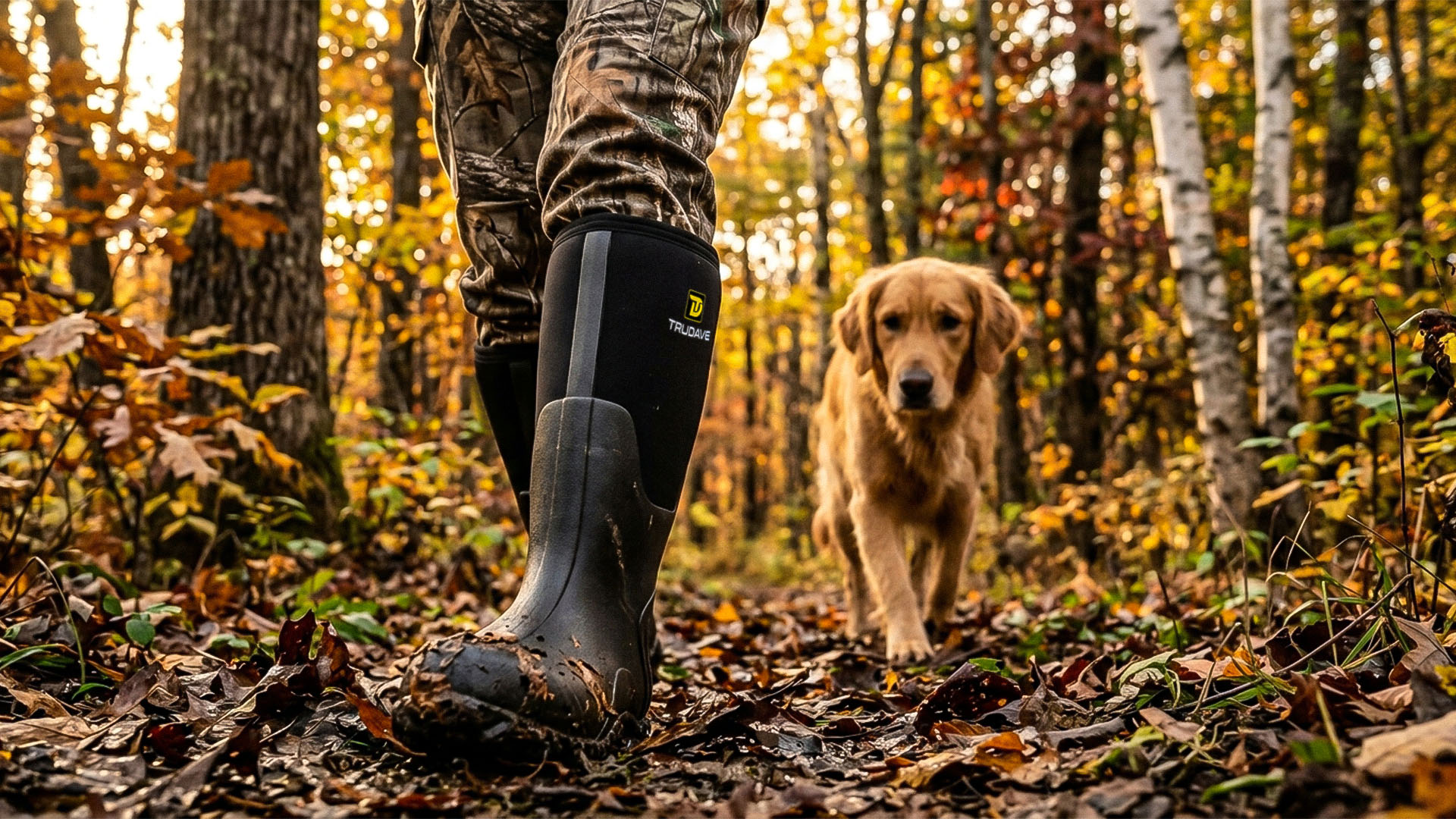
Hunters working these environments may benefit from waterproof hunting boots for wet meadow hunting that provide secure heel retention, dependable mud traction, and enough waterproof protection for hours of walking through saturated ground.
Waterproofing Is Essential
Even when there is no visible standing water, wet grass can soak footwear quickly.
Dew alone may saturate non-waterproof boots.
Dry feet make long walking much more comfortable.
Tall Rubber Boots Can Be Excellent
Rubber hunting boots can work particularly well when the field includes:
- Shallow water
- Mud
- Wet grass
They provide reliable water protection.
Fit Still Matters
Snipe hunting often requires miles of walking.
Loose rubber boots can create:
- Heel slip
- Blisters
- Fatigue
Choose a secure fit.
Lightweight Waterproof Boots Can Work in Firmer Meadows
If most habitat contains:
- Wet grass
- Shallow mud
- Firm ground
a lighter waterproof hunting boot may provide greater walking comfort.
Choose Boot Height Based on Water Depth
Do not assume every wet meadow requires tall boots.
Scout first.
Match footwear to actual conditions.
Waders May Be Too Much for Some Snipe Habitat
Deep-water gear can become:
- Heavy
- Warm
- Restrictive
when the hunt mainly involves shallow saturated ground.
Use only the level of waterproof protection the habitat requires.
Mud Suction Adds Fatigue
Sticky soil pulls at every step.
Secure footwear reduces wasted energy.
Take shorter strides.
Deep Mud Can Steal Loose Boots
Extremely soft ground can pull footwear off.
Avoid stepping blindly into unknown mud.
Test uncertain areas.
Marsh Grass Can Hide Holes
Vegetation may conceal:
- Livestock hoof holes
- Drainage channels
- Soft depressions
Watch each step.
Walking Sticks Can Help
A lightweight stick can help test:
- Mud
- Water depth
- Hidden channels
in uncertain wetland habitat.
Gaiters Can Help in Wet Grass
Where water is shallow, gaiters may reduce moisture entering the top of the boot.
They also keep out:
- Seeds
- Debris
Wet Grass Seeds Stick to Everything
Late-season meadows may contain:
- Burrs
- Grass seeds
Check:
- Socks
- Pants
- Dog coats
after the hunt.
Brush-Resistant Pants Can Help
Some wet meadows include:
- Briars
- Reeds
- Rough vegetation
Durable pants improve comfort during long walks.
Early Morning Dew Can Be Worse Than Rain
A dry forecast does not mean a dry hunt.
Heavy dew can soak vegetation from:
- Knee height downward
before sunrise.
Spare Socks Are Worth Carrying
A small leak or unexpected deep step can wet one foot.
Dry socks can make the rest of the day much more comfortable.
Store them in a waterproof bag.
Cold Wet Feet Become a Bigger Problem Late in the Season
As temperatures drop, moisture becomes more than a comfort issue.
Choose footwear and socks appropriate to:
- Weather
- Activity
Avoid Excessive Insulation During Active Hunting
Walking through mud generates heat.
Over-insulated boots can produce sweat.
Choose warmth according to conditions.
Public Wetland Access Can Be Productive
Depending on region, snipe habitat may occur on:
- Wildlife management areas
- Public marshes
- National wildlife refuges where hunting is permitted
- Other managed lands
Check property-specific rules.
Small Public Wetlands Can Be Overlooked
Hunters often focus on:
- Ducks
- Geese
and walk past small muddy meadow edges.
Those overlooked areas may contain snipe.
Pressure Can Move Birds Within the Same Wetland
After repeated disturbance, snipe may shift toward:
- Farther corners
- Denser grass
- Less-accessible mud
Do not assume they left the entire property.
Rotate Productive Fields
Repeatedly walking one small meadow can reduce activity.
If several areas are available, rotate them.
Private Farms May Offer Excellent Habitat
Wet pastures and irrigated ground can hold birds.
Ask permission respectfully.
Follow landowner instructions.
Avoid Driving Soft Fields
Do not create:
- Deep ruts
- Crop damage
to shorten the walk.
Park where directed.
Property Boundaries Can Be Hard to See
Wetlands and grass do not always show ownership clearly.
Use reliable maps.
Current Regulations Must Be Checked Carefully
Wilson’s snipe are migratory game birds.
Hunters should verify current official rules concerning:
- Season dates
- Daily bag limits
- Possession limits
- Legal shooting hours
- Required licenses
- Required stamps or registrations where applicable
- Ammunition rules
- Property-specific restrictions
before hunting.
Do Not Assume Snipe Regulations Match Other Upland Birds
Because snipe are migratory birds, their regulations may differ from:
- Quail
- Grouse
- Pheasant
Check the correct species.
Species Identification Is Extremely Important
Several shorebirds may occupy similar wetland habitat.
Hunters must positively identify Wilson’s snipe before shooting.
This is especially important because many other shorebirds are protected.
Do Not Shoot at Every Small Marsh Bird
Wet meadows may contain:
- Sandpipers
- Yellowlegs
- Other shorebirds
Positive identification is essential.
Learn Snipe Flight Characteristics
Wilson’s snipe often flush:
- Fast
- Erratically
from relatively close range.
Flight style can help identification.
It should be used together with:
- Body shape
- Bill
- Plumage
- Habitat
Long Bill Is an Important Feature
Wilson’s snipe have a long straight bill adapted for probing soft soil.
Study official identification resources before hunting.
Plumage Is Designed for Camouflage
Brown, buff, and striped markings allow snipe to blend into wet meadow vegetation.
Do not rely on color alone during a fast flush.
Calls Can Provide Another Clue
Hunters may hear vocalizations during flush or movement.
Learn them beforehand.
Sound supports identification but does not replace visual confirmation.
Snipe and Woodcock Are Different Birds
Both may be associated with wet ground.
Their habitats, appearance, and behavior differ.
Hunters should learn clear identification characteristics for both species.
Recovery Can Be Difficult
A small bird can disappear quickly in:
- Wet grass
- Mud
- Shallow water
Mark the fall immediately.
Do Not Watch the Next Bird Before Marking the First
Multiple flushes can create distraction.
First:
Mark the downed bird.
Then consider the next opportunity.
Use Fixed Landmarks
A patch of wet grass looks completely different after walking toward it.
Use:
- Fence post
- Grass clump
- Mud patch
- Tree
to mark the location.
Dogs Can Be Extremely Helpful for Recovery
A trained dog can locate birds hidden in wet vegetation.
Let the dog work before hunters trample the area.
Move Slowly During Recovery
Wet ground can hide:
- Holes
- Wire
- Mud
Do not run toward the fall.
Small Birds Require Careful Field Handling
Keep harvested birds:
- Clean
- Cool
according to current food-safety guidance.
Warm Weather Requires Faster Cooling
Early-season temperatures may be mild or warm.
Do not leave birds in direct sun.
Common Wilson’s Snipe Hunting Mistakes
Hunting Deep Water Instead of Soft Ground
Snipe often prefer saturated shallow habitat.
Walking Dry Grass for Miles
Follow the moisture gradient.
Leaving After One Flush
Good wet pockets may hold multiple birds.
Walking Too Fast
Birds may hold extremely tight.
Wearing Leaky or Loose Footwear
Wet grass and mud make poor boots miserable quickly.
Ignoring Recent Rain
Water level changes can completely shift the productive zone.
Shooting at Unidentified Shorebirds
Positive species identification is essential.
Failing to Mark Downed Birds
Small birds disappear easily in wet vegetation.
Frequently Asked Questions
Where do Wilson’s snipe usually live?
Wilson’s snipe commonly use wet meadows, shallow marsh edges, mud flats, irrigated fields, flooded pastures, pond margins, and other habitats with soft moist soil.
Are muddy fields good for snipe hunting?
They can be excellent when soft soil, shallow water, and suitable vegetation occur together.
Is rain good for snipe hunting?
Rain can create new feeding habitat by softening soil and flooding meadow edges, although excessive water may push birds toward higher ground.
Do snipe hide in tall grass?
They can use various vegetation heights, but many productive locations contain short to moderate wet grass with soft feeding ground.
What boots are best for snipe hunting?
Waterproof hunting boots with secure heel fit, good mud traction, and enough height for wet grass and shallow water are practical. Tall rubber boots can work especially well in saturated fields.
Why are snipe difficult to shoot?
They often flush suddenly at close range and can fly rapidly with unpredictable directional changes.
Are Wilson’s snipe migratory game birds?
Yes. Hunters should verify current federal and state migratory-game-bird regulations, limits, licenses, and legal hunting methods before hunting.
Final Thoughts
Wilson’s snipe hunting teaches hunters that the wettest-looking habitat is not always the best habitat.
Deep water may hold no birds.
Dry grass may hold none either.
The productive zone often exists between them.
One muddy edge.
One shallow seep.
One flooded pasture corner.
One strip of soft soil beside a pond.
That is where the hunt begins.
Follow the moisture.
Watch recent rain.
Slow down after the first flush.
Learn the difference between snipe and other wetland birds.
Wear boots that let you cross wet grass, sticky mud, shallow water, creek edges, and saturated pasture without forcing you to avoid the habitat birds actually prefer.
And when a snipe erupts from a piece of ground that looked completely empty one second earlier, remember why the hunt is so addictive.
The bird was there.
The mud was right.
You simply had to step close enough for the meadow to reveal it.
