
Arizona desert country looks exposed.
Low cactus.
Mesquite.
Palo verde.
Rocky hills.
Dry washes stretching through broad open valleys.
At first glance, it seems impossible for an entire group of javelina to disappear in this landscape.
Then a hunter spots six animals feeding below a ridge.
He lowers the binoculars for five seconds.
Looks again.
Nothing.
The herd has vanished into a shallow wash barely deep enough to hide their backs.
That is javelina hunting.
Javelina do not need a dense forest to disappear.
They use terrain differently.
A three-foot drainage.
A patch of prickly pear.
A mesquite thicket.
A rocky fold in the desert.
All of these can hide animals that seemed completely exposed moments earlier.
Successful javelina hunting requires hunters to understand food, sun, wind, washes, glassing, group behavior, and the subtle desert terrain most people drive past without noticing.
Javelina Are Made for Desert Country
Javelina, also known as collared peccaries, inhabit portions of the American Southwest.
Productive habitat may include:
- Sonoran Desert
- Desert grassland
- Mesquite country
- Prickly pear flats
- Rocky foothills
- Dry washes
- Canyon bottoms
- Brushy desert slopes
They are highly adapted to hot, dry environments.
But they still need the same basic resources as other wildlife:
- Food
- Water
- Security
- Thermal protection
Finding where those resources overlap is the foundation of the hunt.
Start With Food
Javelina spend significant time feeding.
Depending on habitat and season, they may use:
- Prickly pear cactus
- Cactus fruit
- Roots
- Agave
- Mesquite beans
- Other desert vegetation
Food can concentrate groups into relatively small areas.
Instead of searching every hillside equally, ask:
Where is the best food?
Where is that food close to cover?
Where can animals feed without crossing huge exposed areas?
Those questions dramatically reduce the amount of desert you need to hunt.
Prickly Pear Can Be a Major Clue
Prickly pear is one of the most recognizable desert plants.
Areas containing abundant cactus often deserve attention.
Look for signs of feeding such as:
- Bitten pads
- Disturbed plants
- Tracks nearby
- Droppings
- Repeated trails
One cactus patch may simply be vegetation.
A cactus flat covered in javelina sign tells a different story.
Slow down.
Glass the surrounding brush.
The animals may be much closer than expected.
Fresh Feeding Sign Matters
Old sign proves javelina used the area.
Fresh sign tells you the area may be active today.
Look for:
- Recently disturbed soil
- Fresh tracks
- Moist droppings
- Newly damaged cactus
- Strong trails
Desert environments can preserve old sign for a long time.
Do not assume every track is recent.
Study freshness carefully.
Dry Washes Are Desert Highways
One of the most important javelina habitat features is the desert wash.
A wash may provide:
- Cooler temperatures
- Shade
- Dense vegetation
- Travel cover
- Easier walking
- Concentrated food
From a distance, a wash may look insignificant.
At ground level, it can be several feet deep and lined with brush.
That is enough to hide an entire herd.
Hunt the Wash Edges
Walking directly down the center of a wash can limit visibility.
Instead, when terrain allows, move along the edge.
This provides a better view into:
- Brush pockets
- Side drainages
- Cactus flats
- Trail crossings
Javelina may travel inside the wash while feeding on the slopes above.
The transition between wash and hillside can be one of the most productive zones.
Side Washes Are Easy to Miss
Large desert drainages receive attention.
Small side washes often do not.
These narrow features can connect:
- Bedding areas
- Feeding flats
- Water
- Major washes
Look for fresh trails where side drainages meet larger systems.
An intersection containing heavy tracks may function like a trail junction in forest country.
Glassing Is One of the Best Ways to Find Javelina
Desert landscapes allow hunters to see enormous areas.
Use that advantage.
Find a glassing point overlooking:
- Cactus flats
- Wash systems
- Mesquite benches
- Rocky slopes
Then stay there.
Do not immediately start hiking because the desert looks empty.
Javelina may be:
- Feeding behind vegetation
- Moving through a wash
- Resting in shade
Movement eventually reveals them.
Use Binoculars Slowly
Fast scanning is one of the easiest ways to miss javelina.
Break the landscape into sections.
Search:
- The nearest slope.
- Wash edges.
- Cactus patches.
- Shaded brush.
- Open feeding areas.
Then repeat.
Animals may emerge between scans.
The desert did not suddenly produce javelina.
They were hidden by tiny terrain features.
Look for Groups, Not Individual Animals
Javelina often occur in social groups.
Once one animal appears, immediately scan nearby.
Others may be:
- Behind cactus
- Inside a wash
- Feeding beneath mesquite
- Slightly uphill
Do not concentrate so heavily on one javelina that you fail to notice the rest of the herd.
More animals mean more eyes and more opportunities to be detected.
Morning Sun Can Make Javelina Easier to Find
Cold desert mornings can make sunny slopes attractive.
After a cold night, javelina may move toward areas receiving early sunlight.
Look at:
- East-facing slopes
- South-facing hills
- Sunny cactus flats
- Protected benches
These areas provide both warmth and feeding opportunity.
A cold morning followed by strong sunshine can create excellent glassing conditions.
Shade Matters Later in the Day
As temperatures rise, the pattern changes.
Javelina may shift toward:
- Mesquite shade
- Palo verde
- Rock overhangs
- Deep washes
- Thick brush
Midday hunting can become more difficult because animals move less and remain concealed.
Do not assume the herd left.
Glass shaded locations carefully.
Cold Weather Changes Desert Behavior
Arizona winter mornings can be colder than many hunters expect.
Javelina may delay activity during very cold conditions.
As sunlight warms the ground, movement can increase.
This means late morning may outperform first light on certain days.
Follow animal comfort rather than rigid hunting schedules.
Warm Days Require a Different Plan
During warmer weather, early morning becomes more important.
Animals may feed before temperatures increase.
Later, they retreat into shade.
If the forecast is warm:
- Start early
- Glass feeding flats first
- Check shaded washes later
The same herd can use different parts of the landscape within only a few hours.
Rain Changes the Desert Quickly
A rainstorm can transform javelina country.
Hard dirt becomes soft.
Tracks become visible.
Vegetation receives moisture.
Temporary water appears.
This creates excellent scouting conditions.
After rain, check:
- Dirt roads
- Wash crossings
- Muddy trails
- Water pockets
Fresh tracks can reveal exactly which drainage system is being used.
Rain Can Create New Water Sources
During dry conditions, reliable water may influence movement.
After rainfall, temporary water becomes available in:
- Rock pockets
- Washes
- Small depressions
- Dirt-road ruts
This may reduce dependence on traditional water sources.
Hunters who continue watching one tank may wonder where the javelina went.
They probably gained more options.
Rescout after meaningful rain.
Mud Tracks Are Valuable
Desert terrain often makes track aging difficult.
Fresh mud solves that problem.
Look for repeated prints traveling in the same direction.
Large concentrations may indicate a group.
Track direction can help identify:
- Bedding cover
- Feeding zones
- Water routes
Use tracks to support your glassing strategy.
Javelina Can Be Difficult to See but Easy to Smell
Javelina have a distinctive natural odor that hunters sometimes notice before seeing the animals.
Do not depend on smell as the primary scouting method.
But if you notice a strong unfamiliar musky odor in high-quality habitat, slow down.
Look carefully.
Listen.
Fresh sign and odor together can indicate animals nearby.
Listen for Movement
In calm desert conditions, javelina may create noticeable sounds while:
- Feeding
- Moving through brush
- Interacting within the herd
Listen for:
- Footsteps
- Branch movement
- Grunts
- Vegetation shaking
Stop walking regularly.
A moving hunter creates so much noise that subtle animal sounds disappear.
Wind Still Matters
Javelina have strong senses and can detect hunters.
Always understand wind direction.
Before stalking, determine:
- Current wind
- Expected route
- Herd position
Avoid allowing scent to move directly toward the group.
Desert wind can shift around ridges and washes.
Check frequently.
Canyon Thermals Can Change During the Day
Even relatively low desert terrain creates thermal movement.
Morning air may settle into washes.
As slopes warm, air may begin rising.
A stalk that starts with good wind can become poor later.
Continue checking conditions.
Do not assume desert air is simple because the terrain is not mountainous.
Spot-and-Stalk Works Well
Once a herd is located, hunters can use spot-and-stalk tactics.
A basic approach is:
- Observe the herd.
- Determine travel direction.
- Check wind.
- Identify terrain cover.
- Move out of sight.
- Relocate the animals before the final approach.
The critical step is number six.
Do not assume the herd stayed in the exact location where you first saw it.
Javelina can move surprisingly quickly through hidden washes.
Use Washes to Hide the Approach
Dry washes can conceal hunters just as effectively as they conceal javelina.
When wind and terrain permit, hunters may use a drainage to move closer.
But pay attention to:
- Loose rock
- Thick brush
- Blind corners
- Animal position
Do not walk directly into the herd because the wash hid them from you too.
Stop before reaching the expected location.
Glass again.
Do Not Crest a Ridge Standing Upright
Ridges provide great glassing positions.
They also create silhouettes.
When approaching a crest:
- Slow down
- Stay below the skyline
- Use vegetation or rock
- Glass before exposing yourself
A javelina only needs one moving human outline to become alert.
Crawl Only When It Actually Helps
Open-country hunting sometimes encourages hunters to crawl excessively.
That is not always necessary.
Use terrain first.
A shallow wash or ridge can hide you more efficiently than crawling hundreds of yards across cactus-covered ground.
Save low crawling for the final portion where no better option exists.
Cactus Makes Crawling Dangerous
Desert hunters need to watch the ground.
Prickly pear and other cactus can be partially hidden beneath grass.
Before kneeling or placing a hand:
Look.
Do not focus entirely on the herd.
One careless movement can put cactus spines into:
- Hands
- Knees
- Clothing
- Equipment
Move deliberately.
Thorny Brush Punishes Lightweight Clothing
Arizona desert vegetation can be rough.
Hunters may encounter:
- Mesquite thorns
- Catclaw
- Cactus
- Agave
- Sharp woody stems
Durable clothing helps hunters use the best stalking route instead of constantly avoiding brush.
The easiest walking line is not always the best hunting line.
Protective Glasses Can Help
Branches and desert plants often grow at face level.
Clear protective glasses can reduce eye injuries during:
- Wash travel
- Brush stalking
- Low-light approaches
Eye protection is lightweight and can prevent a small branch from ending the hunt.
Desert Footwear Needs More Than Breathability
Hot, dry terrain encourages hunters to choose extremely light footwear.
That can work in some conditions.
But a full desert hunt may involve:
- Sharp rock
- Mud after rain
- Wet grass
- Sandy washes
- Cactus
- Long walks
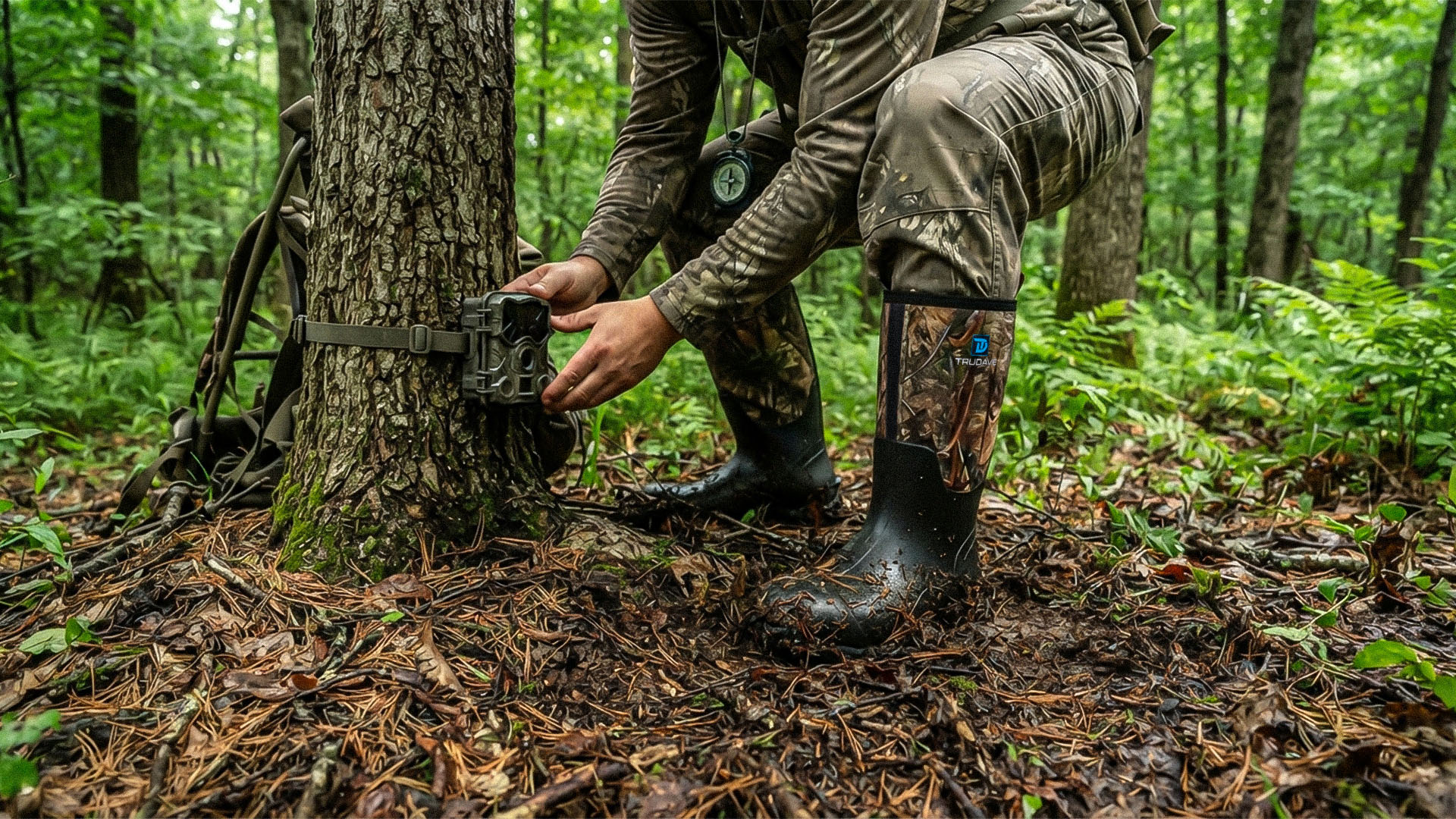
Hunters dealing with these conditions may benefit from waterproof hunting boots for Arizona desert hunting that provide secure fit, durable protection, and dependable traction without excessive insulation.
The ideal desert hunting boot balances protection with heat management.
Waterproof Boots Still Make Sense in the Desert
“Desert” does not always mean dry.
Winter and spring hunts may involve:
- Rain
- Mud
- Dew
- Creek water
- Wet vegetation
Waterproof footwear prevents a short wet crossing from turning into hours of damp socks.
Choose waterproof protection appropriate for the climate rather than automatically choosing a heavy cold-weather design.
Heavy Insulation Can Work Against You
Arizona temperatures can rise quickly.
A heavily insulated boot may become uncomfortable during active walking.
Match insulation to:
- Season
- Elevation
- Forecast
- Activity level
Warmth is useful on a freezing morning.
Excessive sweat creates a different problem.
Secure Heel Fit Matters in Washes
Sandy and rocky terrain creates constant foot movement.
A loose heel can cause:
- Hot spots
- Blisters
- Fatigue
This becomes especially noticeable on long approaches.
Break boots in before the hunt.
Test them on real dirt and rock, not only indoor flooring.
Rock Traction Matters
Desert slopes may contain:
- Loose gravel
- Smooth stone
- Broken volcanic rock
After rain, these surfaces can become slippery.
Move slowly.
Do not run after moving animals.
Traction helps, but no outsole makes careless movement safe.
Sandy Washes Create Hidden Fatigue
Walking through soft sand takes more energy than walking on a firm trail.
A mile inside a sandy wash can feel much longer.
Use firmer edges when possible.
Plan enough time for the return trip.
Do not underestimate terrain because elevation gain is low.
Desert Hills Can Be Steeper Than They Look
Long-distance glassing flattens terrain visually.
The stalk may involve:
- Steep sidehills
- Loose rock
- Sharp drainages
Study maps before leaving the glassing point.
A herd that appears only a half-mile away may require a much longer route.
Hydration Matters Even in Cool Weather
Dry desert air can hide dehydration.
Hunters may not notice sweat evaporating.
Carry enough water.
Do not depend completely on natural water sources.
Watch for:
- Headache
- Fatigue
- Dizziness
- Reduced concentration
Good decision-making requires hydration.
Carry Water on Every Stalk
Do not leave the pack behind because the animals look close.
A short stalk can become long when the herd:
- Changes direction
- Crosses a wash
- Moves behind a ridge
Carry at least enough water for the planned movement and return.
Midday Heat Can Be Serious
Depending on season and region, desert temperatures can become warm even when mornings are cold.
Use:
- Shade
- Breaks
- Lightweight layers
Monitor your physical condition.
Do not let excitement over a nearby herd override heat safety.
Layering Works Better Than One Heavy System
Desert temperature swings can be dramatic.
Morning may require insulation.
Afternoon may require lightweight clothing.
Use layers that can be added or removed.
This reduces sweating and improves comfort throughout the day.
Navigation Can Be Surprisingly Difficult
Open desert seems easy to navigate.
Then a hunter drops into a wash.
Every side drainage looks similar.
The ridge disappears.
Use reliable navigation.
Mark:
- Vehicle
- Glassing points
- Water
- Property boundaries
Do not assume you can simply “walk toward the road.”
Dry Washes Can Lead You the Wrong Direction
Following a drainage feels easy.
But desert washes twist and branch.
One wrong fork can add significant distance.
Check direction periodically.
Do not wait until dark to realize you entered a different drainage system.
Carry a Headlamp
Even day hunts can run late.
A successful stalk or recovery may extend beyond sunset.
Carry a headlamp and backup power.
Desert terrain becomes much more difficult when cactus, rock, and washes disappear into darkness.
Javelina Habitat Often Includes Public Land
Many southwestern hunting opportunities occur on public land.
Research:
- Unit boundaries
- Road access
- Closed areas
- Private inholdings
- Water sources
Good mapping is essential.
Do not assume an unmarked desert area is automatically public.
Private Ranch Boundaries Matter
Javelina do not recognize fences or ownership.
Hunters must.
Know the property line before beginning a stalk.
If the herd crosses into land where you do not have access, stop.
The animal moving does not change the law.
Roads Are Excellent Scouting Tools
Dirt roads can reveal tracks after rain.
They also provide good access to glassing points.
Use roads to:
- Locate active areas
- Reach ridges
- Compare drainages
But avoid turning the entire hunt into driving.
Once activity is located, get out and hunt carefully.
Avoid Damaging Wet Desert Roads
Arizona dirt roads can become extremely soft after storms.
Driving through wet clay may create:
- Deep ruts
- Road damage
- Stuck vehicles
Respect closures and current conditions.
Walking an extra mile is better than damaging access for everyone.
Off-Road Travel Rules Must Be Followed
Do not drive cross-country simply because terrain looks open.
Public and private lands may have strict vehicle restrictions.
Use legal routes.
Protect fragile desert vegetation and soil.
Responsible access is part of ethical hunting.
Javelina Groups Require Extra Awareness
A herd may contain several animals spread through brush.
Before taking any shot, know:
- Which animal is the target
- What is behind it
- Where the rest of the herd is
One animal may be hidden directly behind another.
Wait for clear separation.
Do Not Shoot at Brush Movement
Javelina can disappear inside vegetation.
A shaking bush is not enough.
Positive identification matters.
Wait until you can clearly confirm:
- Animal
- Legal target
- Safe background
Never fire at sound or vague movement.
Desert Backgrounds Can Be Deceptive
Open desert may appear empty.
But beyond the target could be:
- Roads
- Houses
- Livestock
- Other hunters
- Hiking trails
Know the complete background.
Do not use brush or cactus as a backstop.
Recovery Can Be Difficult in Thick Washes
After the shot, a javelina can disappear quickly into:
- Mesquite
- Drainage brush
- Cactus
- Rocky cover
Mark:
- Exact animal location
- Last visible point
- Direction of travel
Do this before moving.
Once inside a wash, everything can look different.
Fresh Tracks Can Help Recovery
Soft desert soil may preserve useful sign.
Look for:
- Tracks
- Blood where present
- Disturbed dirt
- Broken vegetation
Move methodically.
Do not allow several hunters to immediately spread through the trail and destroy evidence.
Warm Weather Makes Game Care Important
Desert temperatures can rise even during winter seasons.
Prepare before hunting with:
- Cooler space
- Ice
- Appropriate game bags
- Field-care tools
Do not wait until after success to decide how the animal will be handled.
Follow current wildlife-agency requirements for transport and tagging.
Learn the Difference Between Javelina and Feral Hogs
New hunters sometimes confuse javelina with pigs.
They are different animals.
Javelina are peccaries, not feral hogs.
Hunters should learn identification characteristics before entering the field.
Pay attention to:
- Body size
- Shape
- Coloration
- Collar
- Tail appearance
- Group behavior
Positive identification is essential.
Javelina Regulations Must Be Checked Carefully
Javelina hunting regulations can vary by state, unit, season, permit type, and legal method.
Before hunting, verify:
- Tag requirements
- Hunt units
- Season dates
- Weapon restrictions
- Bag limits
- Legal shooting hours
- Access rules
Use current official wildlife-agency information.
Do not rely on an older hunting article for legal details.
Draw and Tag Systems May Apply
Some javelina hunting opportunities use permit or draw systems.
Application deadlines may occur well before the hunt.
Research early.
Do not wait until the season begins to determine whether a tag is required.
Common Javelina Hunting Mistakes
Walking Before Glassing
Use optics to reduce unnecessary desert miles.
Ignoring Dry Washes
They are major travel and concealment corridors.
Looking Only at Open Flats
Javelina may be hidden only yards away inside small terrain features.
Moving Too Fast After Spotting a Herd
Observe direction before beginning the stalk.
Ignoring Wind
Good terrain does not compensate for bad scent control.
Wearing Overly Heavy or Fragile Footwear
Desert hunts require mobility, protection, and traction.
Underestimating Temperature Swings
Cold mornings can become warm afternoons quickly.
Forgetting Property Boundaries
Open desert is still divided by ownership and regulations.
Frequently Asked Questions
Where do javelina live in Arizona?
Javelina commonly occupy desert, grassland, rocky foothill, mesquite, cactus, and wash habitats across suitable portions of Arizona.
What is the best way to find javelina?
Glassing from elevated positions, locating fresh feeding sign, studying desert washes, and focusing on productive cactus and brush habitat are effective starting strategies.
Are javelina active during the day?
They can be, especially during cooler conditions. Temperature, pressure, food, and season influence daily activity.
Is javelina hunting good after rain?
Rain can create excellent tracking conditions, new vegetation, and temporary water, although it may also change established movement patterns.
What boots are best for Arizona javelina hunting?
Lightweight waterproof hunting boots with secure fit, good rock and mud traction, durable protection, and limited unnecessary insulation are practical for desert hunting.
Are javelina the same as wild pigs?
No. Javelina are collared peccaries and are biologically different from feral hogs.
Final Thoughts
Javelina hunting teaches hunters that desert cover does not need to be tall.
A wash only a few feet deep can hide an entire herd.
A cactus flat can become a feeding area.
A sunny slope can become a morning warming zone.
A mesquite patch can hide animals that looked obvious thirty seconds earlier.
Glass before walking.
Learn the washes.
Follow fresh feeding sign.
Watch where sunlight reaches cold slopes.
Use the wind.
Carry enough water.
Wear boots that let you move through cactus, mud, sand, and loose rock without avoiding the habitat you need to hunt.
And when a herd suddenly disappears into a landscape that looked completely open, do not assume the animals went far.
In javelina country, sometimes all they need to vanish is one small fold in the desert.
