
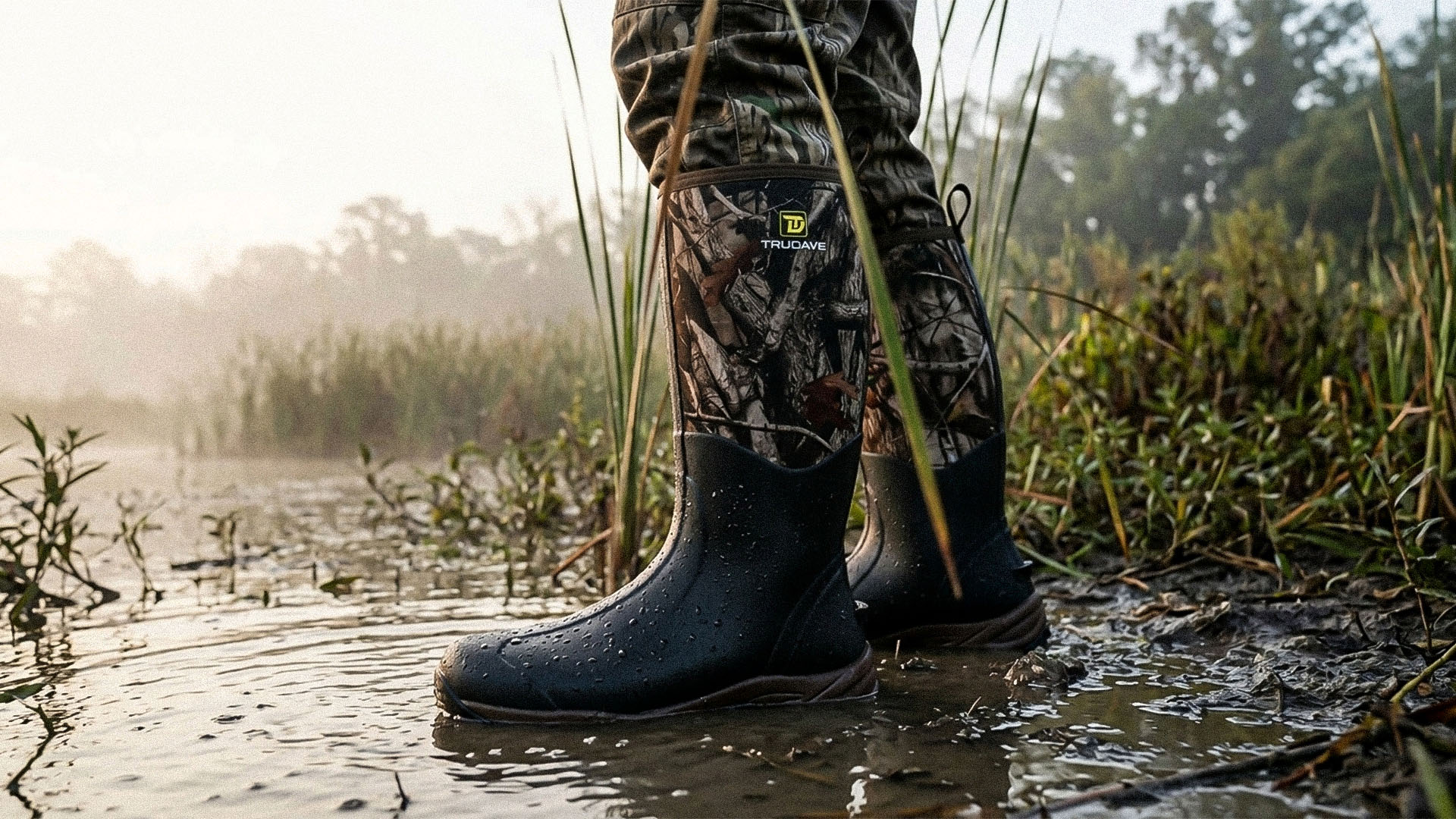
A southern marsh can look like one endless sheet of water and grass.
Canals cut through cattails.
Mud banks disappear beneath floating vegetation.
Small ponds connect through narrow channels, and every patch of reeds seems identical from a distance.
Then you notice the trails.
A slick path through the grass.
Fresh tracks pressed into black mud.
Vegetation clipped only a few inches above the water.
A narrow slide dropping from the bank into a canal.
Those details can reveal one of the marsh’s most recognizable residents: nutria.
Also known as coypu, nutria are semi-aquatic rodents commonly associated with wetlands, canals, marshes, drainage systems, and other waterside environments in parts of the United States.
For hunters, the challenge is rarely proving nutria exist in an area.
The challenge is determining which sections of an enormous wetland they are actively using right now.
That requires reading water, vegetation, mud, bank structure, and daily movement.
It also means accepting that the best nutria habitat is usually wet, muddy, and uncomfortable to reach.
Nutria Live Where Land and Water Meet
Nutria are closely associated with aquatic habitats.
Productive areas may include:
- Coastal marshes
- Freshwater wetlands
- Canals
- Drainage ditches
- Ponds
- Slow-moving waterways
- Rice-country drainage systems
- Swamp edges
- Levees
- Vegetated lake margins
The most important feature is often not the deepest water.
It is the edge.
Nutria need access to vegetation for feeding while remaining close to water for escape and travel.
That creates a narrow band of habitat where hunters should focus most of their attention.
Instead of searching the middle of open water, study where vegetation meets mud and where mud meets a channel.
Start With Bank Sign
Nutria frequently leave visible evidence along canal and pond banks.
Look for:
- Slides entering the water
- Tracks in mud
- Flattened vegetation
- Feeding trails
- Droppings
- Burrow entrances
- Cut plants
- Muddy water near bank activity
A nutria slide may look like a narrow smooth chute extending from higher vegetation into the water.
One old slide proves animals used the location at some point.
Several fresh slides within a short section of bank suggest current activity.
The difference matters.
Fresh Mud Makes Tracking Easier
Wet marsh ground is one of the best places to read animal movement.
Nutria tracks can appear around:
- Canal margins
- Mud flats
- Levee bases
- Pond banks
- Shallow crossings
- Drainage ditches
Recent rain can make old sign easier to separate from new sign.
Fresh tracks often show sharper edges and newly displaced mud.
Older prints may be softened by:
- Rain
- Wind
- Water changes
- Other wildlife
- Livestock
- Human traffic
Do not rely on one footprint.
Look for repeated movement along a section of shoreline.
Feeding Sign Is Often Easier to Find Than the Animal
Nutria feed heavily on vegetation.
Hunters may notice feeding damage before they ever see the animal responsible.
Look for:
- Clipped stems
- Pulled vegetation
- Short feeding lanes
- Fresh plant debris
- Muddy feeding platforms
- Trails through reeds
The key word is fresh.
Recently cut vegetation usually looks cleaner and brighter than old weathered stems.
If new feeding sign appears beside fresh slides and tracks, slow down.
You may be near an active feeding area.
Look for Repeated Travel Routes
Nutria often use the same routes between water and feeding areas.
Repeated use can create obvious trails.
These routes may run:
- Through marsh grass
- Along ditch banks
- Between ponds
- Across narrow levees
- Through canal-edge vegetation
A well-used trail is useful because it reduces the amount of marsh you need to search.
Instead of treating one thousand acres of wetland equally, you can focus on the fifty yards showing the strongest current activity.
That is the difference between random walking and pattern hunting.
Canal Intersections Can Concentrate Movement
Where two waterways meet, animal movement often increases.
Canal intersections may provide:
- More shoreline
- More feeding vegetation
- Multiple escape routes
- Mud banks
- Protected pockets
Nutria may move along one canal, feed near the junction, and disappear into another channel.
These intersections also give hunters wider visibility.
From a safe elevated position, you may be able to watch several active banks without constantly moving.
Narrow Canals Can Be Better Than Big Water
Large open marsh ponds look attractive because they offer visibility.
But nutria may be easier to pattern along narrow canals.
A narrow channel forces movement closer to the bank.
Signs are easier to locate.
Escape routes are more predictable.
Good narrow canal habitat often includes:
- Thick vegetation
- Muddy banks
- Moderate water
- Frequent slides
- Nearby feeding areas
You can often learn more from walking one active canal edge than glassing a huge open wetland.
Levees Create Valuable Observation Points
Levees and raised roads provide something rare in marsh country:
Dry elevation.
From a levee, hunters can inspect:
- Canal banks
- Feeding flats
- Marsh ponds
- Drainage intersections
- Vegetation edges
The higher position also makes it easier to see movement through tall grass.
However, levees can be heavily traveled by landowners, workers, fishermen, or other hunters.
Never assume a levee is open for hunting simply because it provides access.
Confirm permission and local rules.
Morning and Evening Movement Can Increase
Like many wetland animals, nutria may be easier to observe during lower-light periods.
Early morning and late afternoon can provide good opportunities to watch active feeding edges.
Instead of walking continuously, consider sitting where several fresh trails meet water.
Watch patiently.
Movement may appear as:
- Ripples
- Vegetation shaking
- A head moving along the bank
- Sudden muddy water
- An animal crossing a narrow canal
In wetland hunting, water often reveals the animal before the animal reveals itself.
Watch the Water Surface
Still water acts like a movement detector.
A nutria entering quietly can still produce:
- A V-shaped wake
- Circular ripples
- Moving floating vegetation
- Small waves against the bank
When glassing a canal, do not stare only at grass.
Watch the surface.
Movement that appears insignificant may lead directly to an animal traveling just beneath the bank.
Wind Changes How You See the Water
Strong wind makes water harder to read.
Ripples cover small wakes.
Vegetation moves constantly.
On windy days, focus more heavily on:
- Mud sign
- Slides
- Protected canals
- Leeward banks
- Narrow water
Sheltered channels are easier to observe and may also be more comfortable for animals.
A windy open pond can look active even when nothing is moving.
A quiet ditch gives much cleaner information.
Rain Can Improve Some Marsh Hunting Conditions
Light rain can create several advantages.
It may:
- Refresh tracks
- Soften mud
- Reduce human activity
- Cool warm conditions
- Quiet vegetation
But heavy rain can create problems.
Water levels may rise.
Banks become unstable.
Visibility drops.
Access roads become soft.
The best wet-weather hunter adapts rather than assuming rain is automatically good or bad.
Rising Water Can Change the Pattern
Water level is one of the most important variables in wetland habitat.
A productive bank at normal water may disappear after heavy rain.
Nutria can shift toward:
- Higher levees
- New feeding edges
- Floating vegetation
- Elevated islands
- Protected canals
Always compare current water level with older sign.
A slide ending underwater may have been used when the level was lower.
Fresh tracks on the new waterline tell you much more about present movement.
Falling Water Creates New Mud Flats
When water recedes, fresh mud becomes exposed.
This can create excellent scouting conditions.
Check newly exposed shoreline for:
- Tracks
- Slides
- Feeding sign
- Crossing routes
Fresh mud works like a natural trail camera.
It records what used the shoreline after the water dropped.
A few minutes spent reading one mud flat can save hours of searching elsewhere.
Marsh Grass Can Hide More Than It Seems
Tall wetland vegetation creates limited visibility.
An animal only yards away can disappear completely.
Instead of pushing directly into thick cover, hunt the edges.
Look for:
- Open mud
- Short-grass pockets
- Canal corners
- Levee margins
- Vegetation gaps
Openings create identification and observation opportunities.
The thick vegetation creates security.
The edge between the two is where hunters gain an advantage.
Boats Can Open Better Habitat
In some wetlands, boat access may be the most practical way to reach productive habitat.
Small boats can provide access to:
- Remote canals
- Marsh islands
- Interior ponds
- Less pressured banks
But boat hunting introduces serious safety considerations.
Prepare for:
- Changing water depth
- Submerged logs
- Strong wind
- Fog
- Muddy landings
- Cold water
- Motor problems
Use appropriate flotation equipment.
Know legal navigation and hunting rules.
Do not overload a small boat with people and gear.
Mark the Boat Before Leaving It
Wetlands are easy to navigate in daylight and surprisingly confusing after dark.
Every reed line begins to look similar.
Mark:
- Boat location
- Vehicle
- Major canal turns
- Launch point
Use reliable offline navigation.
Carry backup light and power.
Never assume you will simply recognize the route later.
Fog can reduce visibility dramatically.
Walking Marsh Ground Requires Different Footwear
Marsh hunting exposes hunters to constant moisture.
A short approach can involve:
- Mud
- Standing water
- Wet grass
- Slippery canal banks
- Soft levee edges
- Hidden holes
Hunters covering this environment may benefit from waterproof hunting boots for marsh hunting that provide enough waterproof protection, secure heel retention, and dependable traction in soft ground.
A boot that performs perfectly on a dry trail may feel completely different once every step sinks into mud.
Marsh footwear has to handle suction as well as water.
Boot Height Matters
Low footwear may work on dry levees.
It becomes much less useful when the route crosses:
- Flooded grass
- Shallow ditches
- Mud holes
- Wet canal margins
Additional boot height helps prevent water entering from above.
But height alone is not enough.
Fit remains critical.
A tall boot that moves around the heel can become exhausting when mud pulls against it.
Mud Suction Punishes Loose Boots
Deep mud creates resistance.
When the foot lifts, the mud tries to hold the boot behind.
A secure boot moves with the foot.
A loose boot creates:
- Heel slip
- Blisters
- Noise
- Fatigue
Take shorter steps.
Avoid unnecessarily deep sections.
Use firm vegetation roots and elevated trails when available.
A direct line through mud is rarely the fastest route.
Rubber Boots Can Work Well
Pull-on waterproof boots are common in wetland hunting because they provide excellent protection from mud and shallow water.
They can be useful for:
- Canal edges
- Mud flats
- Wet levees
- Short marsh approaches
However, long-distance walking may expose weaknesses in fit and support.
Choose based on how you actually hunt.
A half-mile muddy approach has different footwear requirements than a five-mile upland hunt.
Waterproof Lace-Up Boots Offer Another Option
Where marsh habitat transitions into firmer ground, supportive waterproof lace-up boots can offer better walking control.
They may be useful around:
- Raised levees
- Uneven banks
- Mixed wet and dry terrain
- Longer hikes
The tradeoff is usually water depth.
Know whether your route involves wet grass or actual standing water.
Choose accordingly.
Wet Banks Can Collapse
Canal edges are not always solid.
Vegetation may hide undercut banks.
Soft soil can collapse under body weight.
Avoid standing directly on questionable edges.
Test footing before stepping closer to the water.
Be especially cautious when carrying a firearm or heavy gear.
A short fall into a canal can become serious if the bank is steep and muddy.
Hidden Ditches Are Common
Marsh vegetation can grow over narrow channels.
From above, the surface may appear continuous.
One step can suddenly drop into deeper water.
Use known trails.
Test questionable ground.
Move slowly in darkness.
Never follow an animal path automatically.
Wildlife weighs less and may cross ground that will not support a person.
Summer Heat Can Be Serious
Southern marsh hunting can be physically demanding even when terrain looks flat.
Humidity reduces the body’s ability to cool.
Heavy waterproof gear traps heat.
Carry sufficient water.
Monitor for signs of heat illness.
Schedule long walks during cooler periods when possible.
A wetland hunter can become dehydrated without realizing it because the environment already feels wet.
Insects Are Part of Marsh Hunting
Mosquitoes and biting insects can be relentless.
Prepare before the hunt.
Useful precautions may include:
- Appropriate insect repellent
- Long sleeves
- Head nets
- Treated clothing where suitable
- Gloves
Constant swatting creates movement and reduces concentration.
Good insect protection is not just comfort equipment.
It helps hunters remain still and observant.
Snakes Require Awareness
Wetland habitats can support venomous snakes depending on the region.
Watch where you step and where you place hands.
Be cautious around:
- Logs
- Thick grass
- Canal banks
- Debris piles
- Levee edges
Do not handle snakes.
Give them space.
Know local species and emergency procedures before entering remote wetlands.
Alligators Can Be Present in Some Areas
Southern marsh and canal habitat may overlap with alligator territory.
Hunters should understand local risk.
Be cautious near:
- Deep canals
- Pond edges
- Warm shallow water
- Dense shoreline cover
Do not approach wildlife unnecessarily.
Keep dogs under close control if dogs are legally used for another purpose nearby.
Follow local wildlife-agency safety recommendations.
Identify the Animal Clearly
Wetland habitat can contain many semi-aquatic animals.
Do not shoot at:
- Ripples
- Movement in grass
- A dark shape
- An unidentified swimming animal
Positive identification comes first.
You may encounter:
- Muskrats
- Beavers
- Otters
- Raccoons
- Waterfowl
- Domestic animals near working properties
Know the target species and local regulations before taking any shot.
Safe Backgrounds Are Critical Around Water
Water does not automatically provide a safe background.
A low-angle shot across a canal may have:
- Houses
- Roads
- Boats
- Livestock
- Workers
- Other hunters
beyond what you can see.
Know the area before hunting.
Avoid shots where the background is uncertain.
Marsh vegetation can hide people and structures surprisingly well.
Agricultural Wetlands Require Extra Respect
Nutria habitat may overlap:
- Rice fields
- Crawfish ponds
- Drainage canals
- Farm ditches
- Levees
These are working agricultural properties.
Do not:
- Damage levees
- Block roads
- Open water-control structures
- Disturb equipment
- Drive wet fields without permission
Follow landowner instructions exactly.
A nutria problem does not automatically give hunters unrestricted access.
Permission Should Be Specific
When hunting private wetland property, confirm:
- Where you may hunt
- Where to park
- Which levees are accessible
- Whether boats are allowed
- Where workers may be
- Which areas are off limits
- Recovery procedures
- Shooting restrictions
Do not assume permission on one canal applies to the entire operation.
Clear communication protects everyone.
Wet Roads Can Be Easily Damaged
Marsh roads and levees are vulnerable after rain.
A truck can create deep ruts quickly.
If the road is soft, walk.
Do not risk damaging infrastructure for the convenience of carrying less gear.
Landowners remember hunters who protect their property.
They also remember the ones who do not.
Use Binoculars More Than You Expect
Nutria are not mountain animals, but optics can still save walking.
From a levee or canal bend, binoculars help inspect:
- Distant bank slides
- Feeding animals
- Canal intersections
- Mud flats
- Floating vegetation
A dark animal partly hidden in reeds can be difficult to identify with the naked eye.
Glassing also reduces unnecessary disturbance.
Sit Where Several Sign Types Overlap
The strongest setups often combine:
- Fresh tracks
- Slides
- Feeding damage
- Good visibility
- Safe shooting direction
One sign is useful.
Several signs together are much better.
A canal bend showing fresh feeding, multiple slides, and new mud tracks deserves more patience than a random stretch containing one old trail.
Avoid Constantly Moving
Once active sign is found, slow down.
Nutria may emerge after the area becomes quiet again.
Constant walking creates unnecessary disturbance.
Find a safe observation position.
Wait.
Watch the water and vegetation.
Patience may produce opportunities that aggressive movement pushes away.
Recovery in Marsh Vegetation Can Be Difficult
A harvested animal can disappear into:
- Reeds
- Water
- Mud
- Thick grass
Mark the exact location immediately.
Use fixed landmarks.
Do not rely on “somewhere near that patch of grass.”
Every patch may look identical once you begin moving.
Where legal and safe, retrieval tools appropriate for the terrain can help.
Do Not Enter Deep Water for a Risky Recovery
Recovery matters, but hunter safety comes first.
Do not wade blindly into:
- Deep canals
- Strong current
- Unknown mud
- Alligator habitat
- Unstable banks
Evaluate the situation carefully.
Use boats or other safe, legal retrieval methods when appropriate.
Planning shot opportunities around recoverability reduces these problems.
Clean Gear After Every Wetland Hunt
Mud and wetland water are hard on equipment.
After the hunt, clean and dry:
- Firearms
- Optics
- Knives
- Packs
- Boots
- Metal hardware
Brackish or salty water can accelerate corrosion.
Do not store wet equipment in the vehicle overnight and expect it to remain in good condition.
Gear care is part of marsh hunting.
Rinse Mud From Boots
Mud can dry inside outsole lugs and reduce future traction.
Clean boots after use according to manufacturer recommendations.
Check for:
- Cuts
- Separation
- Damaged tread
- Debris
A five-minute cleaning routine can extend footwear life considerably.
Regulations Can Vary by Location and Property Type
Nutria management and hunting rules can vary by state, season, public-land area, and private property.
Before hunting, verify current requirements related to:
- Hunting licenses
- Seasons
- Legal methods
- Shooting hours
- Public-land access
- Firearm restrictions
- Night hunting
- Boat use
- Landowner permission
Use current official wildlife-agency information.
Do not assume an animal’s invasive status means there are no hunting rules.
Public Wildlife Areas May Have Special Rules
Wetland management areas can have regulations different from surrounding private land.
These may involve:
- Access hours
- Firearm restrictions
- Seasonal closures
- Waterfowl-season rules
- Boat restrictions
- Permit requirements
Read the specific property’s regulations before entering.
A general statewide rule may not apply equally everywhere.
Common Nutria Hunting Mistakes
Searching Open Water Instead of the Edge
Fresh bank activity usually provides better clues.
Hunting Old Slides
Current tracks and feeding sign matter more than historic trails.
Ignoring Water-Level Changes
Rising and falling water can move the active shoreline.
Walking Too Much
Once you find concentrated fresh sign, patience can outperform constant movement.
Wearing Poor Footwear
Marsh mud, wet grass, and standing water require secure waterproof protection.
Trusting Vegetated Ground
Grass can hide channels, deep mud, and unstable banks.
Damaging Levees or Wet Roads
Access must be protected.
Shooting at Unidentified Movement
Wetlands hold many species and limited visibility.
Forgetting Equipment Maintenance
Mud and wetland water quickly punish neglected gear.
Frequently Asked Questions
Where do nutria usually live?
Nutria are commonly associated with marshes, canals, ponds, drainage systems, swamps, and vegetated wetland edges in regions where established populations occur.
What does fresh nutria sign look like?
Hunters may find fresh tracks, smooth bank slides, recently clipped vegetation, muddy trails, droppings, and disturbed shoreline.
Is hunting after rain useful?
Rain can soften mud and make fresh tracks easier to identify, but high water may also change active travel and feeding locations.
Where should you look along a canal?
Focus on intersections, fresh slides, feeding edges, protected bends, mud flats, and stretches showing multiple types of recent sign.
What boots are best for marsh hunting?
Waterproof hunting boots with sufficient height, secure heel retention, strong mud traction, and comfort for wet-ground walking are useful in canal and marsh environments.
Are all nutria hunting rules the same?
No. Regulations can vary by state, public land, private property, season, and legal method. Always confirm current local requirements.
Final Thoughts
Nutria hunting is less about covering huge amounts of marsh and more about learning how to read an edge.
The mud tells you where they walked.
The vegetation tells you where they fed.
The slide tells you where they entered the water.
The ripples tell you something is moving.
And the water level tells you whether yesterday’s trail still matters today.
Start with current sign.
Watch canal intersections.
Study feeding damage.
Use the levees for visibility.
Move carefully around unstable banks.
Keep your feet protected from mud and water.
Respect working wetlands and private property.
The marsh may look endless from the road.
But active animals usually leave clues in very specific places.
Once you learn to connect those clues, a thousand acres of wetland becomes a much smaller place to hunt.
