
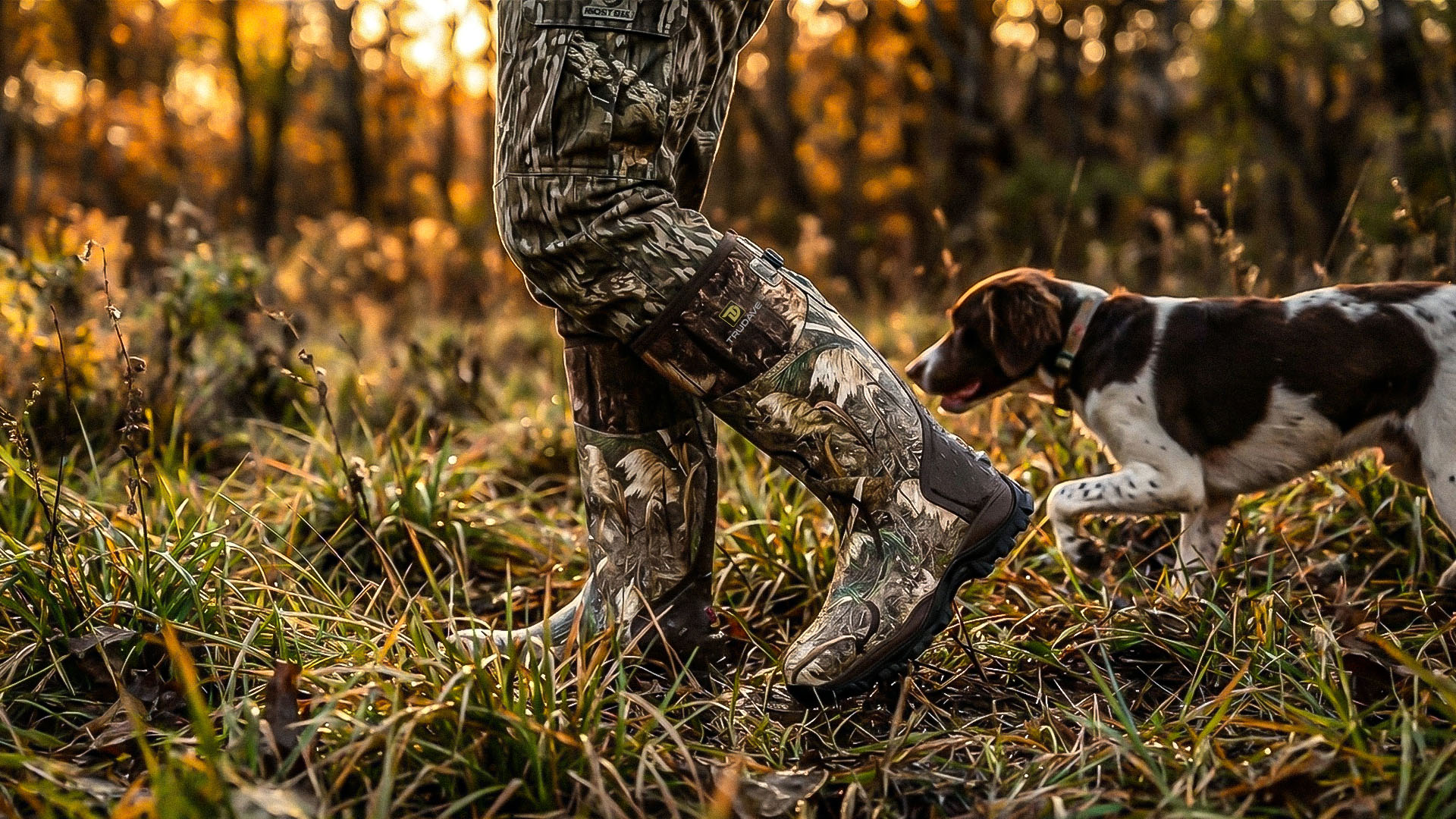
Late-season pheasant country looks completely different from opening weekend.
The corn is gone.
Most grass has been flattened by snow and wind.
Roadside cover is thinner.
Hunting pressure has already taught surviving roosters what trucks, dogs, slamming doors, and orange vests mean.
The birds that remain are not necessarily miles from where they lived in October.
They have simply learned which pieces of winter habitat give them the best chance to survive.
And very often, that means cattails.
A frozen slough packed with cattails may look miserable to hunt.
The ground underneath can be wet, uneven, or covered with ice. Snow fills the openings. Dense stalks catch clothing and hide dogs. Visibility may drop to only a few yards.
To a late-season rooster, that is exactly the point.
Cattail wetlands provide thermal protection, overhead concealment, wind protection, and escape cover close to agricultural feeding areas.
When snow begins eliminating easier cover, those ugly wet corners of the property can become some of the most important pheasant habitat available.
The key is learning when to hunt them, how birds use them, and how to enter without pushing every rooster out the opposite side.
Why Pheasant Behavior Changes Late in the Season
Early-season pheasants often use a wide range of habitat.
They may feed in crop fields, loaf along grassy edges, hide in waterways, and move through relatively light cover.
By late season, two things have changed.
Weather has reduced usable habitat.
Hunters have educated the birds.
Surviving roosters become much less tolerant of exposed ground and predictable hunting pressure.
They may spend daylight hours in:
- Cattail sloughs
- Dense shelterbelts
- Creek-bottom grass
- Wetland edges
- Heavy CRP cover
- Brushy draws
- Abandoned farm sites
- Thick fence rows
The worse the weather becomes, the more important secure winter cover can become.
A thin grass strip that held birds in October may be almost useless after repeated snow, wind, and hunter traffic.
Cattails Provide More Than Hiding Cover
Hunters often think pheasants use cattails only because they are thick.
That is part of the answer.
But cattails also create a more favorable winter environment.
Dense stands can reduce wind speed and hold warmer air near the ground compared with exposed agricultural fields.
They also catch snow differently.
Some portions may remain more protected beneath leaning stalks.
The combination of shelter and concealment can make cattail wetlands especially valuable during:
- Strong wind
- Blowing snow
- Extreme cold
- Heavy hunting pressure
- Deep snow
- Periods after crop harvest
A rooster hiding in cattails may be only a few hundred yards from an excellent food source.
That combination—food nearby and almost impenetrable security cover—is exactly what late-season birds need.
Start With Food Before Hunting the Cover
A cattail slough does not automatically hold pheasants.
The surrounding landscape still matters.
The best winter cover is often located close to reliable food.
Look for cattails near:
- Harvested corn
- Sorghum
- Milo
- Wheat stubble
- Food plots
- Grain bins where legal habitat relationships exist
- Weedy crop edges
Pheasants may leave cattails early or late in the day to feed.
During severe weather, they may reduce travel distance and choose cover nearest the best available food.
When scouting, ask:
Where can these birds feed without crossing large areas of open ground?
A small wetland beside productive crop residue may outperform a huge marsh surrounded by poor winter food.
Fresh Snow Can Reveal the Entire Pattern
Snow gives pheasant hunters information that dry ground hides.
Tracks leading between a crop field and cattail slough can show exactly how birds are using the property.
Look for tracks around:
- Cattail edges
- Snow-covered field roads
- Crop-field borders
- Frozen drainage ditches
- Shelterbelt entrances
- Grass strips
- Wetland islands
A few random tracks are interesting.
A network of fresh tracks entering one corner of a cattail stand is much more useful.
Pay attention to direction.
Tracks leaving the crop field and entering cover may indicate where birds return after feeding.
Tracks moving out early in the morning can show the reverse route.
Fresh snow turns bird movement into a map.
Roosters Often Use the Deepest Security Cover
Late-season hens and roosters do not always use identical cover.
Hens may appear in groups along more open edges while mature roosters bury themselves deeper inside security habitat.
That is especially true after several weeks of pressure.
A hunter may walk around the outside of a cattail slough and flush only hens.
That does not necessarily mean there are no roosters.
The rooster may be:
- Fifty yards deeper
- Running ahead
- Holding beside water
- Waiting near the far end
- Hiding in the thickest patch
- Using a narrow escape route
Late-season pheasant hunting requires more patience than simply walking obvious edges.
Wind Determines Which Side of the Slough Matters
Cold winter wind changes how pheasants use cattail cover.
Birds often prefer areas protected from direct wind.
That may mean focusing on:
- Leeward edges
- Protected corners
- Dense central sections
- South-facing cover
- Cattails behind shelterbelts
- Low depressions
Walk around the habitat before entering.
Feel the wind.
Observe where drifting snow accumulates.
A protected edge with tracks and droppings deserves more attention than an exposed side that looks identical on a satellite map.
Sunny Winter Days Can Pull Birds Toward the Edge
Cattails are excellent security cover, but pheasants do not necessarily stay buried in the center all day.
During calm sunny periods, birds may move toward edges where sunlight warms the ground.
Look at:
- South-facing cattail edges
- Short-grass openings
- Frozen shorelines
- Adjacent crop borders
- Weedy corners
A rooster may sit only a few yards inside the cattails while absorbing sun and remaining close to security.
This creates excellent still-hunting opportunities if the approach is quiet.
Cold Cloudy Days Can Push Birds Deeper
On bitter windy days, the opposite pattern may occur.
Pheasants may remain buried deep inside thick cattails for longer periods.
These are the days when casual edge hunting often fails.
You may need to work the actual wetland.
That means dealing with:
- Thick vegetation
- Frozen or partially frozen water
- Uneven ground
- Snow
- Hidden holes
- Limited visibility
Before entering, evaluate whether the ground is safe.
Good bird habitat is not automatically safe walking habitat.
Never Assume a Frozen Slough Is Safe
Late-season pheasant hunters often encounter ice inside cattail wetlands.
A layer of snow can make the surface appear solid.
Underneath may be:
- Thin ice
- Springs
- Deep mud
- Water channels
- Muskrat runs
- Uneven frozen ground
Do not follow a dog or bird blindly onto questionable ice.
Test unfamiliar surfaces.
Stay near firm vegetation and known ground where possible.
A pheasant can cross ice that may not safely support a hunter.
No rooster is worth entering unsafe water.
Hunt the Edge First
Before pushing into the center, work the perimeter.
Cattail edges provide:
- Better visibility
- Safer footing
- Escape routes
- Feeding transitions
- Dog scenting opportunities
Move slowly along the edge and watch the cover ahead.
A rooster may run parallel to the hunter inside the cattails.
If you rush, you may push the bird all the way to the far end.
If you slow down and pause, the bird may become nervous enough to flush before reaching a major escape route.
Birds Like Corners
Corners concentrate pheasant movement.
A cattail slough may have several points where habitat narrows or changes.
High-value corners include areas where cattails meet:
- Corn stubble
- Fence rows
- Shelterbelts
- Drainage ditches
- CRP
- Farm roads
- Creek channels
These transitions give pheasants several options.
They can feed, hide, run, or escape into another cover type.
When snow shows repeated tracks around one corner, hunt it carefully.
Narrow Cattail Strips Can Be Better Than Giant Marshes
Large cattail wetlands look impressive.
But they can be extremely difficult to hunt.
Birds have too many places to escape.
A narrow cattail strip along a drainage or field edge may be easier to hunt and more predictable.
Good narrow cover may include:
- Twenty-yard-wide creek corridors
- Cattails along farm ditches
- Small wetland fingers
- Short sloughs between fields
- Cattail strips bordering roads
These areas allow hunters and dogs to cover the habitat more completely.
A mature rooster may still run ahead, but the number of escape options is reduced.
Blockers Can Be Extremely Useful
When multiple hunters are available, a blocker can help prevent pheasants from simply running out the far end.
One or more hunters may position safely near likely exit routes while others work the cover.
Before beginning, establish:
- Exact hunter locations
- Safe shooting directions
- Dog position
- No-shoot zones
- Communication signals
Never assume you know where the blocker is.
Dense cattails can hide people completely.
If there is any doubt, do not shoot.
Safety matters more than flushing a rooster.
Late-Season Roosters Love to Run
Many opening-day birds flush relatively quickly.
Educated birds often run.
A rooster may stay ahead of hunters for hundreds of yards while using thick cover.
Signs that birds are running include:
- Dog becoming increasingly excited
- Tracks moving ahead through snow
- Sudden silence after obvious scent
- Birds flushing far ahead
- Movement visible in cattail tops
Do not automatically speed up.
Moving faster often pushes the bird faster.
Instead, consider slowing, changing angles, or using a blocker.
The goal is forcing the rooster to make a decision.
Pause Often
One of the most effective late-season techniques is stopping.
Walk.
Stop.
Listen.
Let the dog work.
A rooster running ahead may become uncomfortable when hunter pressure suddenly stops.
The bird does not know exactly where the threat is.
Sometimes that uncertainty causes a flush.
Constant forward movement gives the pheasant a predictable problem.
A pause changes the equation.
Dogs Need Control in Cattails
A good pheasant dog can be extremely useful in thick winter cover.
The challenge is maintaining contact.
Cattails can hide the dog completely.
Use appropriate tracking tools such as:
- Bells
- Beepers
- GPS collars
depending on hunting style and local rules.
Do not allow the dog to range so far that it pushes birds beyond effective hunting distance.
In thick cattails, control often matters more than speed.
Pointing Dogs May Have Difficult Scenting Conditions
Winter scent conditions vary.
Cold air, frozen ground, snow, wind, and wet vegetation can all affect scent.
A pointing dog may:
- Work slowly
- Lose scent temporarily
- Relocate frequently
- Point birds very close
- Struggle with running roosters
Watch subtle dog behavior.
Do not force the dog forward too quickly.
A rooster may be only yards away.
Flushing Dogs Can Excel in Thick Cover
Flushing dogs can be effective in cattails because they work close and force birds into the air.
Keep them within shotgun range.
Dense cover creates sudden flushes.
The hunter may have only a brief opportunity after positive identification.
This makes dog control and hunter readiness especially important.
Dogs Face Serious Winter Hazards
Cattail sloughs may hide:
- Thin ice
- Barbed wire
- Muskrat holes
- Deep water
- Sharp ice
- Frozen vegetation
- Broken farm debris
Inspect dogs regularly.
Cold wet dogs may lose body heat quickly during breaks.
Provide shelter and dry the dog when practical.
Watch for:
- Shivering
- Limping
- Cut pads
- Ice buildup
- Reduced energy
Do not continue pushing simply because birds are present.
Hunting Without a Dog Can Still Work
Pheasant hunting is often associated with dogs, but late-season cattails can still be hunted without one.
Without a dog, focus on predictable features:
- Narrow cover
- Fresh tracks
- Edge trails
- Corners
- Drainage strips
- Small sloughs
Move slowly.
Pause often.
Watch ahead.
Use partners safely to cover escape routes where appropriate.
Large cattail wetlands may be inefficient without a dog, so prioritize smaller manageable pieces.
Snow Shows Where Birds Escape
After a hunt, fresh snow can reveal mistakes.
You may find tracks showing that roosters:
- Ran around the hunters
- Slipped through thin cover
- Crossed the road behind you
- Entered another cattail patch
- Held on an outside edge
Use this information.
Late-season pheasants often repeat successful escape patterns.
A trail that saves a rooster today may become the exact place to position a hunter next time.
Cattail Islands Inside Grassland Are High Value
Sometimes the best cover is not a full wetland.
It may be a small cattail patch inside a larger grass area.
These islands provide concentrated security.
Birds feeding or loafing in grass can retreat into the cattails when disturbed.
Approach carefully.
The rooster may sit on the downwind edge watching the surrounding open cover.
Small cattail pockets deserve more attention than their size suggests.
Shelterbelts and Cattails Work Well Together
A winter pheasant property becomes especially attractive when dense cattails sit near a shelterbelt.
The birds gain:
- Wind protection
- Roosting cover
- Escape habitat
- Feeding access
- Multiple travel routes
Look for fresh tracks moving between the two.
Instead of hunting each habitat independently, think of them as one winter system.
The transition can produce more opportunities than the center of either cover type.
Food Plots Can Concentrate Late Birds
Where legal habitat management includes food plots, late-season pheasants may stay close to them during snow.
Food plots containing standing grain or other appropriate winter food can become especially attractive when ordinary agricultural residue becomes covered.
The strongest setup often includes food beside secure cattail cover.
Birds can feed without traveling far.
Do not simply hunt through the middle of the food source.
Watch the security edges and travel routes.
Pressure Makes Parking Areas Important
Late-season roosters learn the sound of vehicles.
A truck door closing near a familiar access point can send birds running before hunters enter the field.
Consider quieter access where legal and permitted.
Avoid:
- Slamming doors
- Loud conversations
- Letting dogs run immediately
- Parking directly beside cover
- Walking the same approach every hunt
A longer quiet approach may create better opportunities.
Educated birds respond to patterns.
Walk Around Before Walking Through
If possible, scout the perimeter before entering.
Look for:
- Fresh tracks
- Feather sign
- Droppings
- Snow tunnels
- Dog interest
- Escape trails
This can identify the section worth hunting.
There is no reason to battle through an entire forty-acre cattail wetland if all current tracks are concentrated along one ten-acre edge.
Use sign to reduce unnecessary effort.
Late-Season Footwear Matters More Than Most Hunters Expect
Cattail pheasant hunting combines several difficult conditions:
- Snow
- Mud
- Wet vegetation
- Frozen ruts
- Shallow water
- Uneven ground
- Long field walks
Hunters working this environment may benefit from waterproof hunting boots for late-season pheasant hunting that provide moisture protection, traction, secure heel retention, and enough warmth for current temperatures without becoming excessively heavy during active walking.
A boot designed only for stationary cold-weather hunting may be too bulky.
A lightweight upland boot without waterproof protection may leave feet wet within minutes.
The goal is balancing warmth, mobility, and wet-ground performance.
Boot Height Can Matter in Cattails
Cattail areas frequently hold shallow water or snow deeper than surrounding agricultural ground.
Additional boot height can reduce water and snow entering from above.
Gaiters can also help in dry snow or wet vegetation.
But height alone is not enough.
A tall boot that fits loosely can become tiring in suction mud.
Secure fit remains important.
Mud Beneath Snow Is a Common Surprise
A field may look frozen.
Under snow, the ground may still be soft.
Low areas can contain mud beneath a frozen surface.
Every step can break through.
Choose footing carefully.
If possible, use:
- Grass roots
- Established trails
- Firm field edges
- Frozen road surfaces
- High ground
Do not assume cold air has frozen the soil deeply.
Corn Stalks Can Be Hard on Boots
Harvested crop fields contain sharp stalks and uneven residue.
Thin footwear can take significant abuse during a season.
A hunting boot for pheasant country should offer enough durability to handle:
- Corn stalks
- Sunflower stalks
- Grass stems
- Brush
- Ice
- Mud
while remaining comfortable for long walking days.
Durability matters because pheasant hunters may cover several miles in one hunt.
Avoid Excessive Insulation During Active Hunts
Walking cattails produces heat.
Hunters wearing very heavy insulation may sweat even in cold weather.
That moisture becomes uncomfortable when the hunt stops.
Choose insulation based on:
- Temperature
- Walking intensity
- Wind
- Snow depth
- Length of stationary periods
Layer clothing so you can regulate heat.
Do not dress for standing at the truck when you plan to push cattails for three hours.
Carry Spare Socks
A spare pair of dry socks can save the rest of the day.
Even waterproof boots may become damp from sweat.
If socks become wet, change during a break.
Protect spares inside waterproof storage.
Cold wet socks quickly reduce comfort and can contribute to foot problems.
Blaze Orange Is Especially Important
Pheasant hunting often involves multiple hunters moving through thick cover.
Cattails may hide people completely except for their head and shoulders.
Wear required and appropriate blaze orange.
Use enough visible color to remain identifiable through vegetation.
Before shooting, confirm:
- Bird
- Hunter locations
- Dog location
- Safe background
A rooster flying low over cattails can create a dangerous shot angle.
Let unsafe birds go.
Low Birds Require Discipline
Pheasants frequently fly low when exiting thick cover.
This can place dogs or blockers near the line of fire.
Never shoot a low bird unless you know exactly what lies beyond it.
Wait for the rooster to rise.
If it does not provide a safe angle, pass.
Late-season birds are valuable opportunities, but they are not worth compromising safety.
Eye Protection Is Useful
Cattail stalks, grass, brush, and snow-covered vegetation can strike hunters in the face.
Protective glasses help reduce injury.
Clear or high-visibility lenses can be useful during overcast winter conditions.
Eye protection should not interfere with target identification or safe shooting.
Mark Every Downed Bird
A rooster falling into cattails can disappear immediately.
Mark the fall using a fixed landmark.
Good reference points include:
- Cattail corner
- Fence post
- Lone tree
- Road sign
- Grass opening
- Distinctive snow patch
Walk directly toward the fall.
If a dog is available, give it time to search.
Do not continue pushing the field until recovery is complete.
Wounded Roosters Can Run
Pheasants are capable runners.
A wounded rooster may move deep into cover after landing.
Search carefully for:
- Tracks
- Feathers
- Blood
- Tunnels through snow
- Dog behavior
- Disturbed cattails
Begin at the fall and expand outward systematically.
Do not assume the bird is lost because it is not sitting at the landing point.
Make every reasonable effort to recover it.
Snow Can Help Recovery
Fresh snow can reveal a running bird’s tracks.
If you find the trail, follow it carefully.
A wounded rooster may hide beneath:
- Leaning cattails
- Grass clumps
- Brush
- Snow-covered edges
Do not rush.
If the trail enters dangerous ice or water, prioritize safety and use a trained dog or another legal, safe retrieval method when available.
Late-Season Weather Can Turn Quickly
Winter pheasant country can experience:
- Blowing snow
- Rapid temperature drops
- Freezing rain
- Strong wind
- Whiteout conditions
Check the forecast before entering remote habitat.
Carry navigation.
Keep the vehicle accessible.
Do not let one running rooster pull the group miles from shelter as conditions deteriorate.
Know when to quit.
Roads Can Become Dangerous After Snow
Country roads near pheasant habitat may be poorly maintained.
Wind can drift snow rapidly across open farmland.
Avoid parking where your vehicle may become blocked or where it interferes with farm traffic.
Carry suitable winter emergency supplies.
A successful hunt is not successful if the group cannot safely get home.
Respect Private Agricultural Land
Many pheasant opportunities depend on farmers and landowners.
During winter:
- Avoid crop damage
- Stay off soft roads
- Close gates as instructed
- Avoid livestock
- Do not block equipment
- Pick up shells
- Follow parking instructions
Do not assume permission from early season automatically applies forever.
Communicate clearly.
Good relationships preserve hunting access.
Public Land Birds Learn Fast
Public-land pheasants often experience intense pressure.
By late season, surviving roosters may associate parking lots, main trails, and obvious field entries with danger.
Search for habitat requiring:
- Longer walks
- Alternate legal access
- Small overlooked cattail pockets
- Secondary wetland corners
- Less obvious food sources
But do not assume farther always means better.
A tiny cattail drainage beside a busy area may hold birds because everyone walks past it toward the famous cover.
Hunt Weekdays When Possible
Reduced pressure can improve late-season hunting.
After several quiet days, birds may return to more predictable feeding and cover patterns.
A weekday hunt can also reduce competition around small public wetlands.
Regardless of timing, always have backup habitat.
Do not crowd another group already working a slough.
Regulations Must Be Verified Locally
Ring-necked pheasant seasons, limits, public-land rules, shooting hours, license requirements, and non-toxic ammunition requirements vary by state and property.
Before hunting, verify current rules for:
- Season dates
- Daily bag limits
- Possession limits
- Sex restrictions
- Legal shooting hours
- Public access
- Hunter-orange requirements
- Non-toxic shot areas
- Road restrictions
- Dog-use regulations
Use current official wildlife-agency information.
Do not rely on an older hunting article as legal guidance.
Common Late-Season Pheasant Hunting Mistakes
Hunting October Cover in January
Winter weather changes which habitat remains usable.
Ignoring Cattails
Dense wetland cover can become critical during snow and cold.
Walking Too Fast
Educated roosters often run ahead.
Hunting Only the Outside Edge
Mature birds may hold deeper in secure cover.
Entering Unsafe Ice
Never assume a snow-covered slough is frozen safely.
Letting Dogs Range Too Far
Thick cattails can push birds out of range quickly.
Wearing the Wrong Boots
Snow, mud, wet vegetation, and active walking require balanced waterproof protection, traction, and warmth.
Shooting Low Birds
Know the location of dogs, blockers, and partners.
Quitting After the First Empty Slough
Late-season birds concentrate. One excellent piece of cover may hold most of the birds in the area.
Frequently Asked Questions
Where do pheasants go after heavy snow?
They often concentrate in dense winter cover such as cattail wetlands, shelterbelts, heavy grass, creek bottoms, and other areas that provide protection from wind and snow near reliable food.
Are cattails good for pheasant hunting?
Yes. Cattail stands can provide excellent late-season thermal and escape cover, especially when located near grain or other winter food.
What time of day is best for late-season pheasants?
Early and late periods can be productive around feeding movement, while severe weather may keep birds in heavy cover for much of the day.
Do pheasants run ahead of hunters?
Yes. Experienced late-season roosters commonly run through cover rather than flushing immediately.
Can you hunt late-season pheasants without a dog?
Yes, especially in narrow cattail strips, small sloughs, and predictable edge cover. Dogs are extremely useful but not mandatory.
What boots are best for late-season pheasant hunting?
Waterproof hunting boots with dependable traction, secure fit, adequate warmth, and manageable weight are useful for snow, mud, wet cattails, crop fields, and long walking hunts.
Final Thoughts
Late-season pheasant hunting is not about finding the prettiest cover.
It is often about finding the ugliest cover on the farm.
The cattail slough nobody wants to cross.
The drainage filled with snow.
The wet corner beside harvested corn.
The shelterbelt connected to a frozen marsh.
Those places allow pheasants to survive winter weather and months of hunting pressure.
Scout the food.
Read fresh snow.
Watch the wind.
Hunt the protected edges first.
Slow down when dogs show bird scent.
Use blockers safely.
Do not trust ice.
Protect your feet from snow, mud, and wet vegetation.
And remember that by late season, surviving roosters have learned one important lesson:
If a place is miserable enough that hunters avoid walking through it, it may be the safest place on the farm.
