
Every duck hunter has experienced it.
You arrive before daylight.
The decoys are perfectly arranged.
Your blind is hidden.
The calling sounds natural.
Legal shooting time begins.
Then the birds fly somewhere else.
Hundreds of ducks circle another section of the marsh while your spread sits untouched.
Many hunters assume the problem is their decoys or calling technique.
Often, the real issue is much simpler.
They chose the wrong location.
Successful duck hunting starts long before opening morning. It begins with understanding how waterfowl use habitat, respond to weather, and select landing areas throughout the season.
Finding the right spot usually matters more than owning the newest gear.
Ducks Follow Food Before They Follow Decoys
Decoys attract attention.
Food keeps birds returning.
Different duck species prefer different food sources, but productive areas often include:
- Flooded grain fields
- Moist-soil wetlands
- Aquatic vegetation
- Shallow feeding flats
- Natural seeds
- Invertebrate-rich mud
Scouting should focus first on identifying active feeding areas.
A perfect decoy spread in an empty marsh rarely produces consistent success.
Water Depth Changes Everything
Not all wetlands are equally attractive.
Many puddle ducks prefer shallow water where they can tip up and feed efficiently.
Water that is too deep may limit feeding opportunities.
Conditions change throughout the season due to rainfall, water management, and drought.
Visit hunting areas regularly before opening day.
The best location in September may look completely different by November.
Watch Where Ducks Want to Land
During preseason scouting, avoid focusing only on where ducks fly.
Instead, watch where they actually land.
Notice:
- Wind direction
- Water depth
- Nearby cover
- Feeding behavior
- Time of day
Repeated observations reveal consistent patterns that maps alone cannot show.
Wind Controls Landing Direction
Ducks generally prefer landing into the wind because it provides greater control during descent.
This influences:
- Blind placement
- Decoy orientation
- Shooting lanes
- Calling position
Ignoring wind often forces birds to approach from awkward angles or land outside effective range.
Always adjust your setup to current conditions instead of relying on yesterday’s plan.
Natural Cover Beats Perfect Camouflage
A blind hidden within existing vegetation usually blends better than one placed in the open.
Use:
- Cattails
- Reeds
- Smartweed
- Willow edges
- Native grasses
The goal is to match the surrounding habitat.
Avoid creating unnatural shapes that stand out from above.
Don’t Hunt the Middle of Every Marsh
Open water looks attractive.
Many hunters automatically choose the center of large wetlands.
However, ducks frequently travel along edges where food, cover, and shallow water meet.
Look for:
- Small coves
- Shoreline points
- Narrow channels
- Vegetation transitions
- Protected pockets
These areas often concentrate bird movement.
Weather Creates New Opportunities
Cold fronts.
Heavy rain.
Strong north winds.
Rapid temperature drops.
All influence migration and daily movement.
Conditions that seem uncomfortable for hunters sometimes produce the best flights of the season.
Monitor forecasts carefully.
The day after a weather change may hunt very differently than the day before.
Scout Without Disturbing Birds
Repeatedly flushing ducks from the same marsh teaches them to avoid the area.
Use binoculars or spotting scopes from a distance whenever possible.
Limit unnecessary disturbance.
Observe quietly.
Leave the birds comfortable enough to return.
Good scouting gathers information without changing animal behavior.
Public Marshes Require Flexibility
Public waterfowl areas often receive heavy pressure.
Expect other hunters.
Have backup locations prepared.
Sometimes a smaller overlooked pond or secondary wetland produces better hunting simply because fewer people choose it.
Success often comes from adapting rather than competing for the most obvious location.
Don’t Ignore Small Water
Large lakes attract attention.
Small beaver ponds.
Flooded timber.
Seasonal wetlands.
Creek backwaters.
These areas sometimes hold surprising numbers of birds, especially during migration.
Always evaluate habitat quality instead of judging a location by size alone.
Comfortable Access Makes Better Hunts
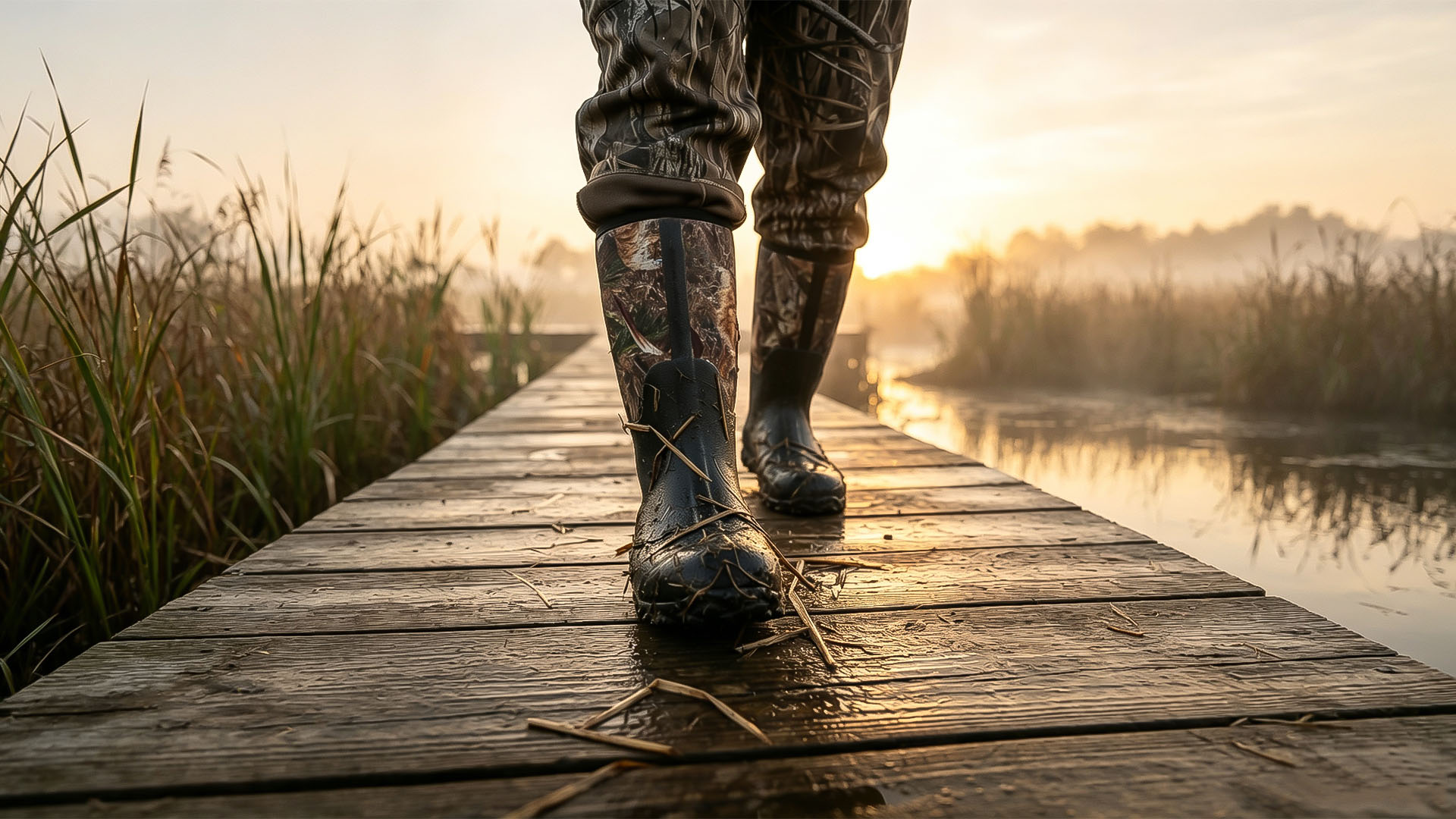
Reaching productive wetlands often means walking through mud, shallow water, flooded trails, and marsh grass before daylight.
Hunters who regularly scout and hunt these environments often rely on waterproof hunting boots for marsh and wetland hunting to stay comfortable while carrying decoys, blinds, and other gear across uneven terrain.
Dry feet don’t guarantee more ducks, but they help you remain focused on the hunt instead of your discomfort.
Early Morning Isn’t the Only Time
Opening flights receive most of the attention.
But changing weather, hunting pressure, and bird movement can create productive opportunities later in the morning.
Remain observant.
Watch where birds relocate after being disturbed.
Sometimes moving your setup is more effective than waiting all day in the wrong location.
Learn From Every Flight
Each group of ducks teaches something.
Did they:
- Circle repeatedly?
- Land short?
- Flare away?
- Ignore the spread?
- Follow another shoreline?
Instead of blaming the birds, study their behavior.
Patterns become obvious over time.
Avoid Overcrowding Your Spread
More decoys don’t always produce better results.
Match local conditions.
Observe the size of natural groups using the area.
An oversized spread in a small secluded pond may appear unnatural.
Realism usually beats quantity.
Common Duck Hunting Location Mistakes
Choosing a Spot Without Scouting
Birds determine good locations—not assumptions.
Ignoring Water Depth
Feeding habitat changes with water levels.
Setting Up Against the Wind
Landing patterns become less predictable.
Hunting the Most Obvious Location
Pressure pushes birds elsewhere.
Disturbing Birds During Scouting
Observation works better than repeated flushing.
Ignoring Small Wetlands
Overlooked habitat often holds fewer hunters.
Refusing to Move
Adapt when birds consistently choose another area.
Frequently Asked Questions
How do you choose a good duck hunting location?
Look for active feeding areas, suitable water depth, natural cover, fresh bird activity, and favorable wind conditions.
Is scouting more important than decoys?
Scouting often has a greater influence on success because it identifies where ducks already want to be.
Where do ducks usually land?
Many ducks prefer shallow water near food sources and natural cover while landing into the wind.
Are small ponds worth hunting?
Yes. Small wetlands can attract excellent bird numbers, particularly when hunting pressure is lower.
How often should you scout waterfowl?
Regular scouting before and during the season helps identify changing migration patterns, food availability, and water conditions.
Final Thoughts
Successful duck hunting begins long before legal shooting time.
It starts with observation.
Study bird behavior instead of relying on luck.
Watch where ducks feed.
Pay attention to wind.
Understand changing water levels.
Respect hunting pressure.
Remain flexible enough to adjust when conditions change.
The best duck hunters aren’t simply excellent callers.
They’re excellent observers.
When you consistently hunt where ducks already want to be, every part of your setup—from your decoys to your concealment—becomes far more effective.
