
Talk to enough elk hunters, and you’ll hear the same advice repeated over and over:
“Get farther from the road.”
“Climb higher.”
“The steeper the mountain, the bigger the bulls.”
There is some truth behind these ideas.
Elk often seek areas that receive less hunting pressure, and difficult terrain naturally discourages many hunters. But steep country alone doesn’t guarantee success.
Every season, hunters push miles into the mountains only to discover empty ridges, exhausted legs, and very little elk sign.
Meanwhile, another hunter tags a mature bull less than two miles from a forest road because they understood how elk actually use terrain—not simply how difficult that terrain looked on a map.
Mountain hunting rewards smart decisions far more than unnecessary climbing.
Elk Don’t Choose Terrain to Challenge Hunters
Steep ridges don’t attract elk because they are steep.
Elk choose areas that provide what they need:
- Food
- Water
- Security
- Comfortable bedding
- Escape routes
- Low disturbance
Sometimes those needs are found high on a mountain.
Sometimes they’re halfway down a north-facing slope.
Occasionally they’re surprisingly close to roads where hunting pressure is inconsistent.
Terrain is only part of the equation.
Elevation Changes Throughout the Season
Many first-time elk hunters assume elk stay high all season.
In reality, elevation often changes with:
- Hunting pressure
- Weather
- Snowfall
- Food availability
- Breeding activity
- Human disturbance
Early-season archery elk may remain much higher than late-season rifle elk.
Heavy snow can push animals into lower elevations.
Warm temperatures may keep elk near cooler timber during daylight.
Don’t hunt an elevation simply because someone told you elk “always” stay there.
North-Facing Slopes Hold More Than Shade
North-facing slopes usually receive less direct sunlight.
Because of this, they often remain cooler and hold moisture longer than south-facing hillsides.
That creates favorable bedding habitat during warm weather.
Thicker vegetation also provides additional security.
However, don’t ignore nearby feeding opportunities.
Many elk bed on shaded slopes but feed elsewhere.
Understanding the connection between bedding and feeding areas is more valuable than focusing on one feature alone.
Water Isn’t Just for Drinking
Mountain water sources influence daily elk movement.
Small creeks.
Springs.
Seeps.
Wallows.
Seasonal drainages.
These locations can create travel corridors.
But don’t expect elk to stand beside water all day.
Instead, think about how water fits into their larger movement pattern.
Saddles Funnel More Than Hunters
Hunters love saddles because they provide easier travel.
Elk understand that too.
A saddle naturally connects drainages and ridges, often concentrating movement.
Not every saddle holds elk activity.
The surrounding habitat still matters.
But overlooking these natural travel corridors can mean missing consistent movement opportunities.
Fresh Sign Beats Beautiful Scenery
Mountain views don’t fill tags.
Fresh sign does.
Pay attention to:
- Fresh droppings
- Tracks
- Rubs
- Wallows
- Recent bedding areas
- New feeding sign
- Freshly broken branches
Old sign tells you elk were there.
Fresh sign tells you they may still be there.
Listen More Than You Walk
Many hunters cover unnecessary miles.
Every ridge looks promising.
Every drainage deserves another look.
Sometimes slowing down produces better results.
Spend time listening.
Especially during the rut.
Bugles reveal far more than another mile of hiking through empty country.
Walking constantly can also create unnecessary noise and fatigue.
Wind Is More Important Than Elevation
A perfect ridge becomes useless if elk smell you first.
Mountain winds change throughout the day.
Morning thermals generally rise as slopes warm.
Evening thermals often fall into drainages.
General wind forecasts rarely explain exactly what happens inside mountain terrain.
Check wind frequently.
Adjust your position.
Avoid forcing an approach when air movement is working against you.
Plan the Entire Approach
Many hunters spend hours choosing a destination.
Very few spend enough time planning how to reach it.
Consider:
- Wind direction
- Noise
- Visibility
- Creek crossings
- Loose rock
- Deadfall
- Alternative routes
Sometimes the easiest route creates the most disturbance.
The best approach is often longer but quieter.
Mountain Terrain Punishes Poor Footwear
Rock.
Mud.
Wet grass.
Loose shale.
Creek crossings.
Deadfall.
Mountain hunting places constant demands on your feet.
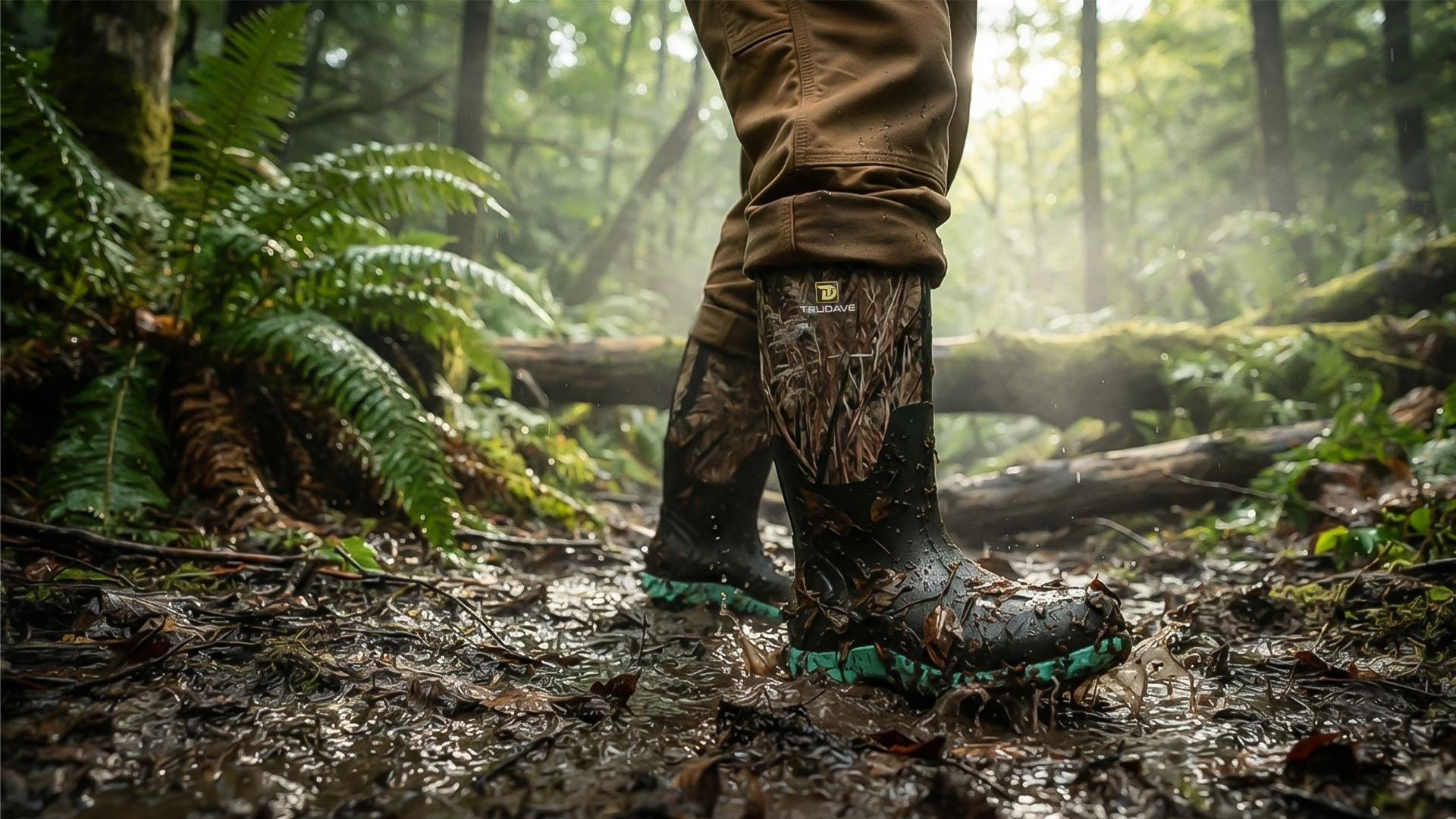
Hunters spending full days covering steep terrain often rely on waterproof hunting boots for mountain hunting terrain that provide dependable traction, ankle support, and protection from changing weather conditions.
Comfort matters because every unnecessary blister or sore foot shortens the distance you can hunt effectively.
Don’t Ignore Mid-Elevation Benches
Benches are often overlooked.
These relatively flat sections interrupt otherwise steep slopes.
Elk frequently use benches for:
- Bedding
- Travel
- Feeding
- Resting
Because movement is easier, benches can become natural routes through rugged country.
Study topographic maps before arriving.
Many benches are difficult to recognize from ground level.
Hunting Pressure Creates Opportunity
Most hunters follow predictable patterns.
Popular trailheads.
Easy ridges.
Well-known glassing knobs.
Elk respond.
Sometimes they move deeper.
Sometimes they simply shift to adjacent cover.
Pressure doesn’t always push elk ten miles away.
Often it moves them only a few hundred yards into thicker security cover.
Glassing Saves Energy
Before climbing another ridge, stop.
Use binoculars.
Study open parks.
Burn scars.
Avalanche chutes.
Meadows.
South-facing openings.
Every mile you avoid walking unnecessarily leaves more energy for when you truly need it.
Midday Isn’t Always Dead
Many hunters return to camp after the morning hunt.
Elk don’t stop existing at noon.
They may become quieter.
Movement slows.
But bedding areas, water sources, and travel routes still offer opportunities for careful hunters willing to remain patient.
Weather Changes Movement
Mountain weather changes quickly.
Fog.
Rain.
Snow.
Wind.
Rapid temperature drops.
Elk often respond by adjusting movement patterns.
Rather than focusing only on today’s weather, pay attention to approaching weather systems.
Movement sometimes improves before significant weather arrives.
Common Mountain Hunting Mistakes
Climbing Higher Without a Plan
Elevation alone doesn’t hold elk.
Ignoring Fresh Sign
Maps don’t replace current activity.
Walking Too Much
Smart movement beats constant movement.
Hunting Wind Instead of Terrain
You need both.
Returning to Camp Too Early
Midday scouting can reveal tomorrow’s opportunities.
Forgetting the Hike Out
Packing meat downhill requires as much planning as finding elk.
Carrying Too Much Gear
Every unnecessary pound becomes noticeable after several miles.
Frequently Asked Questions
Do elk always stay at high elevations?
No. Elk move throughout the season based on weather, hunting pressure, food, and breeding activity.
How far should you hike for elk?
Distance alone doesn’t determine success. Fresh sign, low pressure, and good habitat matter far more than simply hiking farther.
Are north-facing slopes better for elk?
They often provide cooler bedding habitat during warm weather, but feeding areas and travel routes nearby remain equally important.
What terrain features attract elk?
Benches, saddles, drainages, water sources, meadows, and thick bedding cover all influence elk movement.
Should you hunt all day during elk season?
Many experienced elk hunters remain in the field throughout the day because elk movement can occur outside traditional morning and evening periods.
Final Thoughts
The mountain doesn’t reward the hunter who climbs the highest.
It rewards the hunter who understands why elk use specific terrain.
Fresh sign matters more than elevation.
Wind matters more than distance.
Access matters more than speed.
Pressure matters more than steepness.
Study maps before the season.
Scout efficiently.
Move with purpose.
Watch the wind.
Protect your energy.
And remember that the best elk hunting location isn’t necessarily the hardest place to reach—it’s the place where food, water, security, and low pressure come together in the right conditions.
Smart mountain hunters don’t measure success by how many miles they hike.
They measure it by how many good decisions they make before taking the next step.
