
Blue-winged teal hunting can feel completely different from late-season duck hunting.
The air may still be warm.
Mosquitoes hover above the marsh.
Mud sticks to every step.
Shallow water reflects the sunrise.
A few cattails move in the breeze.
Then the teal arrive.
Not slowly.
Not carefully.
A small flock appears low over the marsh.
They cross the opening in seconds.
Turn together.
Drop toward shallow water.
And disappear behind vegetation before a hunter has much time to react.
That is teal hunting.
These small ducks are fast, mobile, and strongly connected to shallow productive wetlands.
Successful hunters learn to recognize the places where:
- Shallow water
- Mud
- Aquatic vegetation
- Invertebrates
- Wetland edges
- Agricultural flooding
- Early migration
come together.
The best teal water does not always look impressive.
Sometimes the birds choose the shallowest, muddiest, most overlooked corner of the entire marsh.
Blue-Winged Teal Are Early Migrants
Blue-winged teal are well known for moving earlier than many other waterfowl.
That means hunters often pursue them under:
- Warm weather
- Green vegetation
- Open-water marsh conditions
- Active insect populations
Early migration changes both bird behavior and hunting conditions.
Do Not Think Like a Late-Season Duck Hunter
Heavy winter cover and deep water are not always the key.
Early-season teal often respond strongly to:
- Shallow flooded ground
- Productive mud
- Emergent vegetation
- Small wetland complexes
Shallow Water Is One of the Best Habitat Clues
Teal often use water shallow enough to support abundant food.
Look for:
- Ankle-deep water
- Knee-deep marsh edges
- Flooded grass
- Mud flats
rather than focusing only on deeper ponds.
Water Depth Affects Food Availability
Shallow wetlands can support:
- Seeds
- Aquatic insects
- Small invertebrates
- Submerged vegetation
that teal can access efficiently.
Deep Water Is Not Automatically Better
A large reservoir may hold ducks.
But one shallow backwater can hold more teal.
Hunt the Margins
Wetland edges often provide the best combination of:
- Food
- Cover
- Shallow water
Mud Flats Can Be Extremely Productive
Where water levels fall, exposed mud can create rich feeding zones.
Newly Exposed Ground Deserves Attention
As a wetland recedes, birds may move onto fresh mud edges.
Mud Flats Change Quickly
One day they may be productive.
A week later they may be dry.
Water-Level Changes Control the Hunt
Teal habitat can change dramatically with:
- Rain
- Irrigation
- Wetland management
- Drought
Rising Water Can Create New Habitat
Rain may flood:
- Short grass
- Agricultural ground
- Marsh edges
that were previously dry.
Blue-Winged Teal Hunting After Rain Can Be Excellent
Fresh shallow flooding may open entirely new feeding areas.
Falling Water Can Concentrate Birds
As wetlands shrink, teal may crowd into the remaining productive water.
Scout Water Depth, Not Just Bird Numbers
Understanding why birds are present makes it easier to find them again.
Wetland Complexes Matter
A single small pond may be part of a larger system.
Nearby habitat may include:
- Seasonal wetlands
- Marshes
- Flooded fields
- Creek backwaters
Teal Move Between Small Waters
They may feed in one pond and rest in another.
Watch Inter-Wetland Flights
Small flocks moving between nearby waters can reveal:
- Feeding locations
- Safe resting water
- Disturbance patterns
Early Morning Flights Can Be Fast
Teal often appear suddenly.
Be ready before legal shooting time begins.
Movement Can Continue After Sunrise
Do not assume the hunt ends after one early flurry.
Midmorning Can Still Produce Birds
Disturbance or weather may move teal between wetlands.
Wind Can Trigger More Movement
Changing wind may push birds into new pockets.
Cattail Edges Are Useful
Cattails provide:
- Concealment
- Wind protection
- Wetland structure
Broken Cattails Are Better Than Solid Walls
Look for:
- Open pockets
- Small channels
- Short edges
Teal Need Landing Space
A hole only a few yards wide may be enough.
Small Openings Can Be Better Than Huge Water
Teal often feel comfortable in intimate shallow marsh pockets.
Channels Through Vegetation Matter
Natural channels can guide birds through marsh systems.
Scout Channel Depth
Some are much deeper than the surrounding water.
Do Not Enter Unknown Water Blindly
A shallow marsh can hide:
- Muskrat runs
- Beaver channels
- Drainage cuts
Soft Bottom Can Be Worse Than Deep Water
Ankle-deep water over deep mud can be exhausting.
Test Every New Area
Use a wading staff where appropriate.
Mud Suction Can Trap Boots
Lift slowly.
Do not yank suddenly.
Vegetation Can Hide Holes
Emergent plants make the bottom difficult to read.
Take Short Steps
This improves balance.
Early-Season Marshes Can Be Extremely Hot
Unlike late-season duck hunting, teal hunts may happen in:
- Warm mornings
- High humidity
- Strong sun
Heat Changes Everything
Hunters must manage:
- Hydration
- Clothing
- Dogs
- Game care
Lightweight Clothing Can Improve Comfort
But it should still provide:
- Sun protection
- Insect protection
- Brush resistance
Avoid Heavy Cold-Weather Gear
Match clothing to actual temperature.
Humidity Can Make Walking Harder
Marsh travel creates more heat than expected.
Drink Water Regularly
Do not wait for thirst.
A Wet Landscape Does Not Mean Safe Drinking Water
Carry clean water.
Mosquitoes Can Be Severe
Early-season marshes may have intense insect activity.
Use Appropriate Insect Protection
Especially during low-wind mornings.
Biting Flies Can Also Be a Problem
Open wetland edges may attract them.
Long Sleeves Can Help
Lightweight coverage protects against both:
- Sun
- Insects
Teal Habitat Can Hold Ticks Too
Especially around grassy access areas.
Check Clothing After the Hunt
Dogs Face Extra Heat Risk
Warm teal seasons can be demanding for retrievers.
Do Not Assume Water Prevents Overheating
Working through warm shallow water still requires energy.
Provide Frequent Rest
Watch for:
- Excessive panting
- Reduced energy
- Loss of coordination
Carry Fresh Drinking Water
Do not rely on marsh water.
Provide Shade
Open wetlands often have very little.
Wet Dogs Can Still Overheat
Humidity reduces cooling efficiency.
Manage Retrieve Distance
Repeated long retrieves in warm conditions can exhaust a dog quickly.
Paw Hazards Remain
Wetlands may contain:
- Sharp stems
- Shell
- Debris
- Wire
Check Pads
Especially after walking levees or agricultural edges.
Teal Flight Is Fast
Blue-winged teal are small and quick.
They Can Appear Suddenly
A flock may cross the wetland before hunters fully react.
Stay Alert
Do not spend long periods looking down at gear.
Low Flight Is Common
Teal may skim:
- Water
- Vegetation
- Marsh edges
Safety Becomes Extremely Important
Never shoot toward:
- Dogs
- Partners
- Boats
- Roads
Flat Water Is Not a Backstop
Know what lies beyond the marsh.
Pick One Bird
Small flocks can tempt hunters to swing through multiple birds.
Choose one.
Do Not Shoot Into the Group
Target discipline improves both safety and recovery.
Teal Can Turn Quickly
Fast direction changes make rushed shooting unsafe.
Smooth Movement Matters More Than Speed
Stay controlled.
Positive Identification Is Essential
Early teal seasons or early migration periods can contain other ducks.
Do Not Shoot Every Small Duck
Study:
- Blue-winged teal
- Green-winged teal
- Cinnamon teal where applicable
- Other small ducks
Blue Wing Patches Can Help
But wing color may be difficult to see in poor light.
Study Body Shape
Use:
- Size
- Head shape
- Flight
- Plumage
together.
Hens and Juveniles Are Harder
Early-season birds may lack bright breeding plumage.
Learn Subtle Plumage
Do not study only mature drakes.
Low Light Reduces Color
Identification must remain conservative.
If Unsure, Let the Bird Pass
Early Teal Hunting Can Have Special Regulations
Some jurisdictions may offer special early teal seasons.
Do Not Assume Regular Duck Rules Apply
Always verify current official regulations.
Species Eligibility Can Be Specific
An early teal season may restrict which ducks are legal.
Positive Identification Becomes Even More Important
Verify Current Official Regulations
Before hunting, confirm:
- Season dates
- Species allowed
- Daily bag limits
- Possession limits
- Shooting hours
- License requirements
- Migratory bird requirements
- Non-toxic ammunition requirements
Do Not Use Last Year’s Regulations
Waterfowl regulations can change annually.
Public Wetlands Can Add Rules
Individual wildlife areas may regulate:
- Entry times
- Parking
- Boats
- Hunting zones
- Draw systems
Check the Exact Property
Agricultural Wetlands Can Be Excellent
Flooded crop ground may attract teal during migration.
Shallow Rice Fields Can Be Productive
Where legal access exists, flooded agricultural habitat may provide:
- Seeds
- Invertebrates
- Shallow water
Moist-Soil Units Can Be Excellent Too
Managed wetlands often create ideal teal conditions.
Water Management Shapes Habitat
Shallow flooding can encourage productive vegetation.
Never Alter Water-Control Structures
Leave:
- Gates
- Pumps
- Boards
alone unless authorized.
Wetland Managers Control Water Intentionally
Respect the system.
Muddy Agricultural Roads Need Respect
Early-season rain can turn access roads soft quickly.
Do Not Create Ruts
Park farther away when needed.
Landowner Trust Matters
Private Wetlands Require Permission
Know:
- Parking
- Walking routes
- Water access
- Property boundaries
Water Does Not Erase Ownership
A flooded field can still cross multiple properties.
Recovery Across Boundaries Requires Permission
Plan before hunting.
Teal Often Use Small Shallow Agricultural Corners
Do not focus only on large managed ponds.
Low Spots Can Flood First
After rain, small depressions can suddenly become productive.
Scout Soon After Weather Changes
Wind Strongly Affects Teal Movement
Even small ducks use wind during approach.
Protected Shorelines Can Be Productive
Strong wind may push birds toward calmer water.
Crosswinds Can Move Flight Lines
One side of a marsh may suddenly become more active.
Watch Actual Bird Movement
Calm Mornings Can Increase Insect Activity
This may improve feeding in some shallow wetlands.
But Calm Air Also Means More Mosquitoes
Prepare accordingly.
Strong Wind Can Reduce Insects
But make shooting and boat handling harder.
Open Prairie Wetlands Have Little Wind Protection
Use Vegetation for Shelter
Cattail edges can block some wind.
Boat Hunting Can Be Useful
Larger marshes may require:
- Canoe
- Kayak
- Small marsh boat
where legal and appropriate.
Shallow Water Does Not Eliminate Boat Risk
Use proper flotation equipment.
Mud Can Trap Boats Too
A channel deep enough to paddle may end abruptly.
Know the Route
Do Not Overload Small Craft
Gear, dogs, and decoys add weight.
Early-Season Heat Adds Another Boat Concern
Dark boats can become very hot under sun.
Keep Dogs From Overheating in Boats
Provide shade and ventilation.
Shallow Marsh Boats Can Hit Submerged Objects
Possible hazards include:
- Stumps
- Rocks
- Logs
- Fence posts
Travel Slowly in Unknown Water
Teal Hunting Is Hard on Footwear
A typical hunt may involve:
- Warm shallow water
- Sticky mud
- Wet grass
- Cattail edges
- Flooded agricultural ground
- Levees
- Long walks
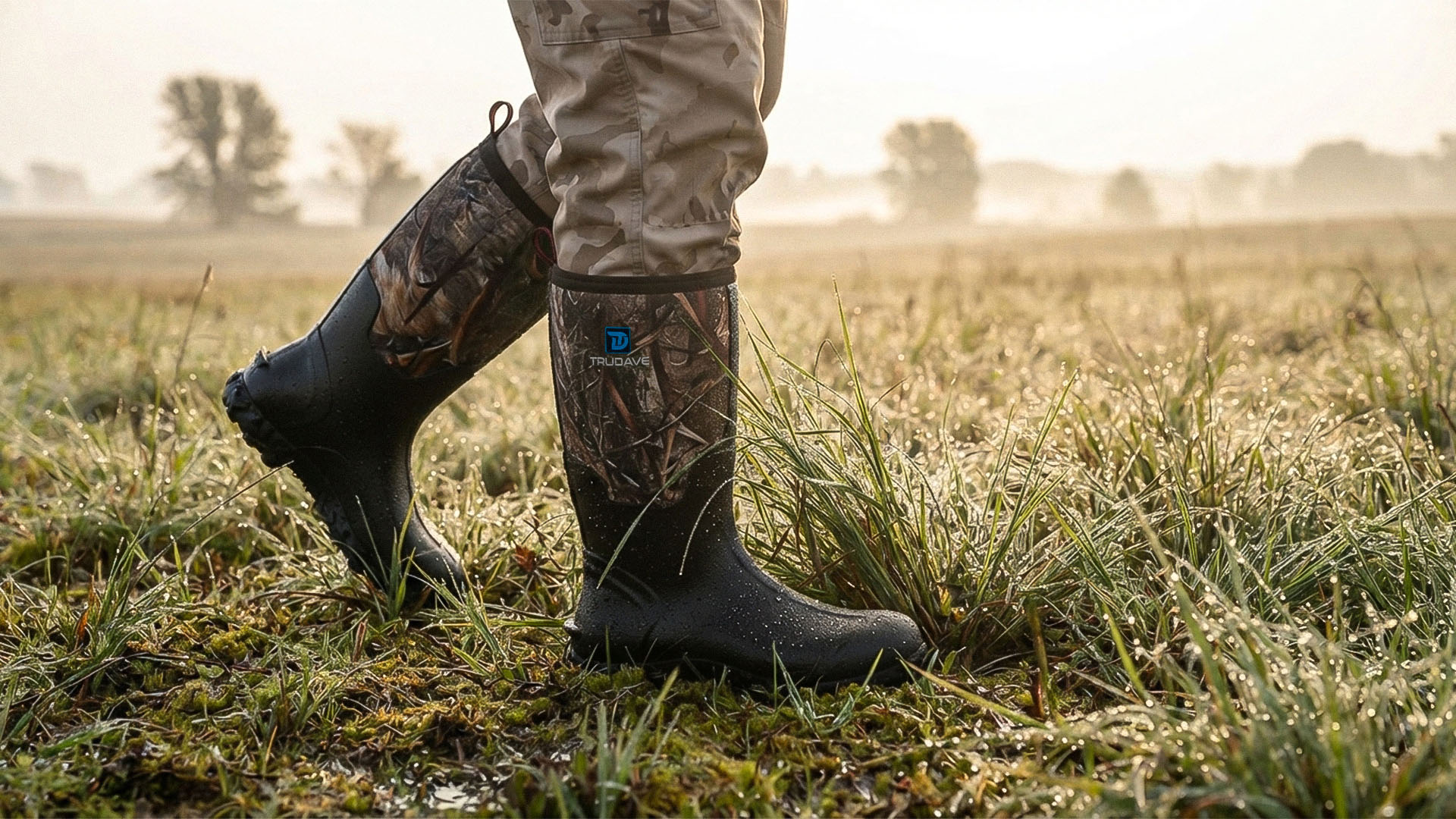
Hunters may benefit from waterproof hunting boots for teal hunting that provide secure heel retention, dependable mud traction, and enough waterproof protection for shallow early-season wetlands without excessive insulation.
Avoid Heavy Insulated Boots in Warm Weather
Heat and sweat can become the bigger problem.
Lightweight Waterproof Boots Can Be Excellent
Especially where most water stays below boot height.
Tall Rubber Boots Work Well
They provide simple protection against:
- Mud
- Dew
- Shallow water
Secure Heel Fit Is Critical
Mud suction exposes poor fit immediately.
Loose Rubber Boots Become Exhausting
Traction Matters
Shallow marsh mud can be extremely slick.
Aggressive Tread Helps
But it can still fill with mud.
Clear Tread When Practical
Lace-Up Waterproof Boots Can Work on Firmer Marsh Edges
Where access involves:
- Grass
- Levees
- Dry trails
they may provide better walking comfort.
Choose Boots for the Entire Route
Think about:
- Parking area
- Wet grass
- Mud
- Water depth
Waders May Be Better in Deeper Wetlands
Where water exceeds boot height, properly fitted hunting waders may be more appropriate.
Breathable Waders Can Be Valuable in Warm Weather
Early-season conditions may make heavy insulated waders uncomfortable.
Waders Do Not Make Deep Water Safe
They do not protect against:
- Hidden channels
- Soft bottom
- Current
Use a Wading Belt as Directed
Follow manufacturer guidance.
Chest Waders Are Not Flotation Devices
Avoid Water Deeper Than You Can Safely Wade
Heat Inside Waders Can Build Quickly
Walking long distances in warm weather can cause overheating.
Take Breaks
Vent Safely When Appropriate
Carry Dry Clothing
A fall or leak can still happen.
Spare Socks Are Valuable
Wet Grass Can Soak Clothing Above Boots
Rain pants or gaiters can help.
Early Morning Dew Is Often Heavy
A dry weather forecast does not mean dry clothing.
Marsh Grass Transfers Water Fast
Teal Recovery Can Be Difficult
Small birds disappear easily in:
- Emergent vegetation
- Mud
- Floating plants
Mark Every Fall
Use fixed landmarks like:
- Cattail point
- Lone tree
- Levee corner
- Open-water pocket
Keep Watching the Bird
Do not immediately look for another flock.
Small Birds Drift Easily
Wind can move downed teal quickly.
Current Can Also Move Them
Even shallow managed wetlands may have flow.
Dogs Can Improve Recovery Greatly
Their nose helps where visibility fails.
Give Dogs Room to Search
Without a Dog, Search Systematically
Begin at the marked point.
Use:
- Parallel passes
- Small circles
Do Not Trample the Entire Area Immediately
Preserve clues.
Warm Weather Makes Game Care Important
Early teal hunts often occur in temperatures much warmer than traditional duck season.
Keep Harvested Birds Cool
Do not leave them:
- In direct sun
- On hot vehicle surfaces
Use Appropriate Cooling
Follow current food-safety guidance.
Mud Can Contaminate Birds
Use clean storage.
Prepare Before Hunting
Bring the cooler or storage needed for expected temperature.
Public Marsh Pressure Can Change Teal Behavior
Popular wetlands may receive heavy early-season pressure.
Birds Learn Quickly
They may move toward:
- Smaller pools
- Private ground
- Less disturbed edges
Do Not Hunt Only Famous Openings
Quiet secondary water can be excellent.
Small Hidden Ponds Deserve Attention
Teal need very little water if food and security are right.
Walk-In Wetlands Can Be Productive
Where legal access allows, areas farther from easy parking may receive less disturbance.
But Distance Alone Is Not Habitat
Find food and shallow water first.
Scouting Still Matters
Binoculars Can Help
Even on small wetlands, glass before entering.
Birds May Be Resting Along Far Edges
Do Not Push Them Just to Count Them
Observe quietly.
Evening Scouting Can Reveal Tomorrow’s Pattern
Watch where birds settle.
But Overnight Migration Can Change Everything
Teal are highly mobile.
Fresh Migrants Can Arrive Suddenly
Weather can bring entirely new groups.
A Wetland Empty Yesterday May Be Full Today
Cold Fronts Can Push Blue-Winged Teal South Early
Current migration conditions matter.
Do Not Assume They Will Stay Long
Blue-wings can move quickly.
Hunt Current Birds
Not last week’s report.
Habitat Conservation Matters
Shallow seasonal wetlands are extremely important for many species.
Small Wetlands Have Large Value
They support:
- Waterfowl
- Shorebirds
- Amphibians
- Invertebrates
Do Not Damage Mud Flats Unnecessarily
Vehicle traffic can destroy sensitive edges.
Stay on Authorized Routes
Clean Equipment Between Wetlands
Mud and aquatic vegetation can spread invasive organisms.
Inspect:
- Boots
- Waders
- Boats
- Trailers
Remove Plant Material
Follow local recommendations.
Pick Up All Trash
Especially:
- Food packaging
- Line
- Shell boxes
Retrieve Spent Hulls
Leave the marsh clean.
Common Blue-Winged Teal Hunting Mistakes
Hunting Water That Is Too Deep
Teal often favor shallow productive wetlands.
Ignoring Mud Flats
Soft feeding edges can concentrate birds.
Hunting Only Large Marshes
Small flooded pockets can be excellent.
Wearing Heavy Cold-Weather Gear
Early teal hunting may be hot.
Underestimating Mud
Shallow water can hide deep soft bottom.
Assuming Waders Make Deep Water Safe
They do not.
Shooting at Any Small Fast Duck
Positive identification is essential.
Using Regular Duck Regulations During a Special Teal Season
Always verify the exact current rules.
Frequently Asked Questions
Where do blue-winged teal usually live during migration?
Blue-winged teal commonly use shallow marshes, prairie potholes, mud flats, flooded agricultural ground, wetland edges, and other productive shallow-water habitats.
Do blue-winged teal prefer shallow water?
They frequently use shallow wetlands where seeds, aquatic vegetation, and invertebrates are easy to access.
Are mud flats good for teal hunting?
Yes. Muddy wetland edges can provide productive feeding habitat, especially when water levels are changing.
Is teal hunting good after rain?
Rain can create new shallow flooded habitat and open feeding areas that were dry only days earlier.
What boots are best for teal hunting?
Lightweight waterproof hunting boots with secure heel fit and strong mud traction are practical for warm, shallow wetlands. Tall rubber boots are especially useful where water remains below boot height.
Are waders necessary for teal hunting?
Not always. Many shallow marshes can be hunted in tall waterproof boots. Deeper wetland areas may require properly fitted breathable hunting waders.
Can retrievers hunt blue-winged teal?
Yes. Retrievers can be very useful for recovering small ducks in vegetation, but early-season heat, soft mud, sharp stems, and warm water require careful dog management.
Do blue-winged teal hunting regulations vary?
Yes. Seasons, special early teal opportunities, legal species, bag limits, shooting hours, licenses, migratory-bird requirements, and public-land rules vary by jurisdiction and year. Hunters should verify current official regulations before hunting.
Final Thoughts
Blue-winged teal hunting teaches hunters that good duck water does not need to be deep.
One shallow marsh grows more food.
One mud flat holds more invertebrates.
One flooded grass corner becomes productive after a rainstorm.
One cattail opening gives birds enough room to land.
One small seasonal pond can suddenly hold more teal than a lake hundreds of times larger.
Follow the shallow water.
Watch changing water levels.
Find mud edges.
Scout small wetlands.
Prepare for heat as seriously as you would prepare for cold later in the season.
Respect soft bottom, hidden channels, dogs, property boundaries, and current migratory-bird regulations.
Wear boots that let you cross warm shallow water, sticky marsh mud, dew-soaked grass, flooded agricultural ground, cattail edges, and long wetland access routes without making soaked feet, heel slip, or poor traction the reason the hunt ends early.
Use properly fitted breathable waders when the water becomes deeper than boots can safely handle.
And when a flock of blue-winged teal ignores a beautiful deep pond and drops into an ankle-deep muddy corner covered with aquatic food, remember the lesson.
To a hunter, it may look like barely enough water.
To a teal, it may be exactly enough.
