
American woodcock country often looks too thick to hunt.
Young aspen grows shoulder to shoulder.
Alder bends across old logging trails.
Wet leaves cover dark soil.
Small drains cut through bottomland cover.
Visibility may be only twenty yards.
Sometimes less.
A hunter steps around one young tree.
Nothing moves.
Another step.
Still nothing.
Then a bird erupts from beneath the brush.
It climbs almost vertically.
Turns through the trees.
And disappears before the hunter fully understands where it came from.
That is woodcock hunting.
These birds do not need large open forests.
They need exactly the opposite.
Woodcock often thrive where young vegetation, moist soil, and dense ground-level cover come together.
Successful hunters learn to stop thinking about mature woods as one continuous habitat.
Instead, they search for transitions between:
- Young forest
- Wet soil
- Alder
- Aspen
- Old fields
- Bottomlands
- Regenerating cuts
One dense patch of young growth may hold several birds while hundreds of acres of mature timber nearby hold almost none.
American Woodcock Are Birds of Young Forest
Woodcock are strongly associated with early-successional habitat.
Productive areas may include:
- Young aspen
- Alder thickets
- Regenerating clearcuts
- Abandoned fields
- Shrubby wetlands
- Creek bottoms
- Brushy forest edges
The key is often dense ground-level structure.
Mature Forest Can Be Too Open
A beautiful stand of large hardwoods may have:
- Little understory
- Harder soil
- Less security cover
than a younger stand.
Hunters should pay attention to forest age.
Think About Cover at Bird Height
Look at the first few feet above the ground.
Ask:
Can a woodcock hide here?
Can it walk beneath the brush?
Is the soil soft enough for feeding?
Moist Soil Is Critical
Woodcock feed by probing soft ground.
That makes moist organic soil extremely important.
Look for:
- Dark soil
- Damp leaf litter
- Soft creek edges
- Wet depressions
Too Dry Can Be Poor
Young forest with hard dry ground may look perfect from above.
But feeding conditions may be limited.
Too Wet Can Also Be Poor
Standing water several inches deep may reduce usable ground.
Woodcock often favor moist soil rather than deep water.
Hunt the Transition
The best zone may sit between:
- Dry upland
- Saturated bottomland
That slightly wet band can be excellent.
Alder Thickets Are Classic Woodcock Habitat
Alder often grows in damp low ground.
That combination creates:
- Soft soil
- Dense cover
- Feeding opportunity
Work Alder Slowly
Visibility is limited.
Birds may hold extremely tight.
Do Not Rush Through the Thickest Cover
Fast walking can push birds before hunters are positioned well.
Move deliberately.
Young Aspen Can Be Excellent
Regenerating aspen often provides:
- Dense stems
- Good concealment
- Soft leaf litter
Stand Age Matters
Very young growth may be too low.
Older forest may become too open.
The most productive stage is often somewhere in between.
Regenerating Clearcuts Can Create Excellent Habitat
Timber harvest creates early-successional growth.
Several years later, the cut may develop:
- Aspen shoots
- Shrubs
- Herbaceous cover
that attracts woodcock.
Very Fresh Cuts May Be Too Open
Immediately after harvest, there may be little security.
Older Cuts Can Become Too Dense
Eventually, movement may become difficult for hunters and birds.
Hunt the Edge of Regeneration
Transitions between:
- Young cut
- Older timber
- Wet bottom
can be productive.
Old Logging Roads Can Help
They provide:
- Easier walking
- Access
- Visibility
through otherwise dense habitat.
Road Edges Can Hold Birds
Where soft ground and young cover meet an old road, woodcock may feed or rest nearby.
But Do Not Hunt Only the Road
Use it as an access corridor.
The birds may sit just inside the cover.
Creek Bottoms Deserve Attention
Small drainages often provide:
- Moist soil
- Alder
- Young shrubs
- Dark organic ground
Hunt Slightly Above the Wettest Channel
The actual creek may be too wet.
The best woodcock ground can sit only a few yards higher.
Small Seeps Can Be Productive
A seep may create a narrow strip of soft soil through otherwise dry woods.
Look for Vegetation Changes
Plants can reveal moisture.
Greener or denser growth may indicate soft ground.
Wet Meadows Can Hold Birds Around the Edges
The center may be too open.
The brushy transition can be much better.
Old Fields Can Become Woodcock Habitat
Abandoned agricultural ground often develops:
- Shrubs
- Young trees
- Wet pockets
over time.
Succession Creates the Opportunity
A field that was open ten years ago may now be ideal.
Habitat Changes Constantly
Woodcock cover is temporary.
Young forest grows older.
Old fields close in.
New cuts appear.
Hunters must keep finding new habitat.
Rain Can Improve Feeding Conditions
Moisture softens soil.
That can improve feeding opportunities.
Woodcock Hunting After Rain Can Be Productive
Wet ground may also make fresh bird use more likely in:
- Bottomlands
- Alder
- Soft forest edges
Rain Quietens Leaves
Hunters and dogs may move more quietly.
But Wet Cover Soaks Clothing
Brush holds water long after rain stops.
Wet Leaves Become Slippery
Traction gets worse.
Do Not Let Quiet Conditions Make You Walk Faster
Birds can still be very close.
Early Morning Can Be Productive
Cool moist conditions may keep birds in classic feeding cover.
Midday Can Still Produce Birds
Woodcock may remain in dense habitat throughout the day.
Late Afternoon Can Be Good Too
Depending on local conditions and migration, birds may remain active until evening.
Migration Can Change Bird Numbers Quickly
Woodcock are migratory.
A cover that held few birds yesterday may hold several after a migration movement.
Do Not Judge Habitat From One Hunt
Current migration conditions matter.
Cold Fronts Can Change Distribution
Weather may bring new birds or move others farther south.
Local Birds and Migrants Can Use the Same Cover
Good habitat can remain productive even as individual birds change.
Recent Scouting Matters
Do not rely only on last week’s bird numbers.
Dogs Can Be Extremely Valuable
Pointing and flushing dogs can help locate birds hidden in thick cover.
Woodcock Scent Can Be Difficult in Dense Habitat
Dog behavior may change quickly around birds.
Trust the Dog
A dog suddenly slowing, circling, or becoming focused may indicate nearby birds.
Give the Dog Time
Do not rush every potential point.
Tight-Holding Birds Create Close Flushes
Woodcock can remain motionless until hunters are only a few yards away.
Dogs May Work Very Close
Dense stems naturally shorten the hunt.
Keep Dog Range Controlled
Young forest contains hazards such as:
- Roads
- Fences
- Barbed wire
- Water
Dense Cover Can Hide Dogs
Visual contact may disappear quickly.
Reliable recall is essential.
Bells or Legal Tracking Equipment Can Help
Where permitted, locating equipment may improve awareness.
Dogs Work Hard in Thick Cover
Running through brush requires more energy than running across open prairie.
Carry Clean Water
Do not rely on:
- Creeks
- Wetland water
for dog hydration.
Wet Dogs Can Chill
Cool fall temperatures and wet cover can reduce body temperature.
Provide Dry Rest Periods
A towel and dry vehicle area can help.
Warm Weather Still Happens
Early-season hunting can create overheating risk.
Shade Is Usually Available
But dogs still need water and rest.
Paw Care Matters
Young forest may contain:
- Broken sticks
- Rock
- Sharp stems
- Wire
Check Pads Regularly
Small cuts can worsen through the day.
Burrs Can Build Quickly
Remove them before they become deeply tangled.
Grass Seeds Can Be a Problem
Inspect:
- Ears
- Coat
- Paws
after the hunt.
Eye Protection for Dogs Can Be Worth Considering
Dense brush places branches directly at face level.
Hunters Need Eye Protection Too
Clear protective glasses can help around:
- Alder
- Aspen
- Thorny shrubs
Woodcock Flush Fast in Tight Cover
The first few seconds can feel chaotic.
Pick One Bird
If multiple birds flush nearby, maintain target discipline.
Do Not Shoot Through Thick Brush
Branches can hide:
- Partners
- Dogs
Wait for a safe opening.
Woodcock Often Rise Steeply
They may climb through young trees before leveling.
Do Not Swing Blindly Through Trees
Know where everyone is.
Establish Hunter Spacing
Dense habitat makes partner awareness critical.
Never Walk Too Far Ahead
One hunter drifting forward changes safe directions.
Communicate Constantly
Short calls can confirm location when visual contact disappears.
Bright Clothing Can Improve Partner Visibility
Follow current local safety requirements.
Low-Lighting Conditions Increase Risk
Dense young forest can remain dark even during daylight.
Do Not Shoot at Movement Alone
Positive identification comes first.
Woodcock Can Be Confused With Other Birds
Hunters should study identification before the season.
Their Long Bill Is Distinctive
But flushes happen too quickly to rely only on one feature.
Study Flight Shape and Body Form
Use official wildlife identification resources.
Woodcock and Snipe Are Different Birds
They use some overlapping wet habitat but generally differ in:
- Cover
- behavior
- flight
- regulations
Do Not Assume Their Seasons Are the Same
Always verify current rules.
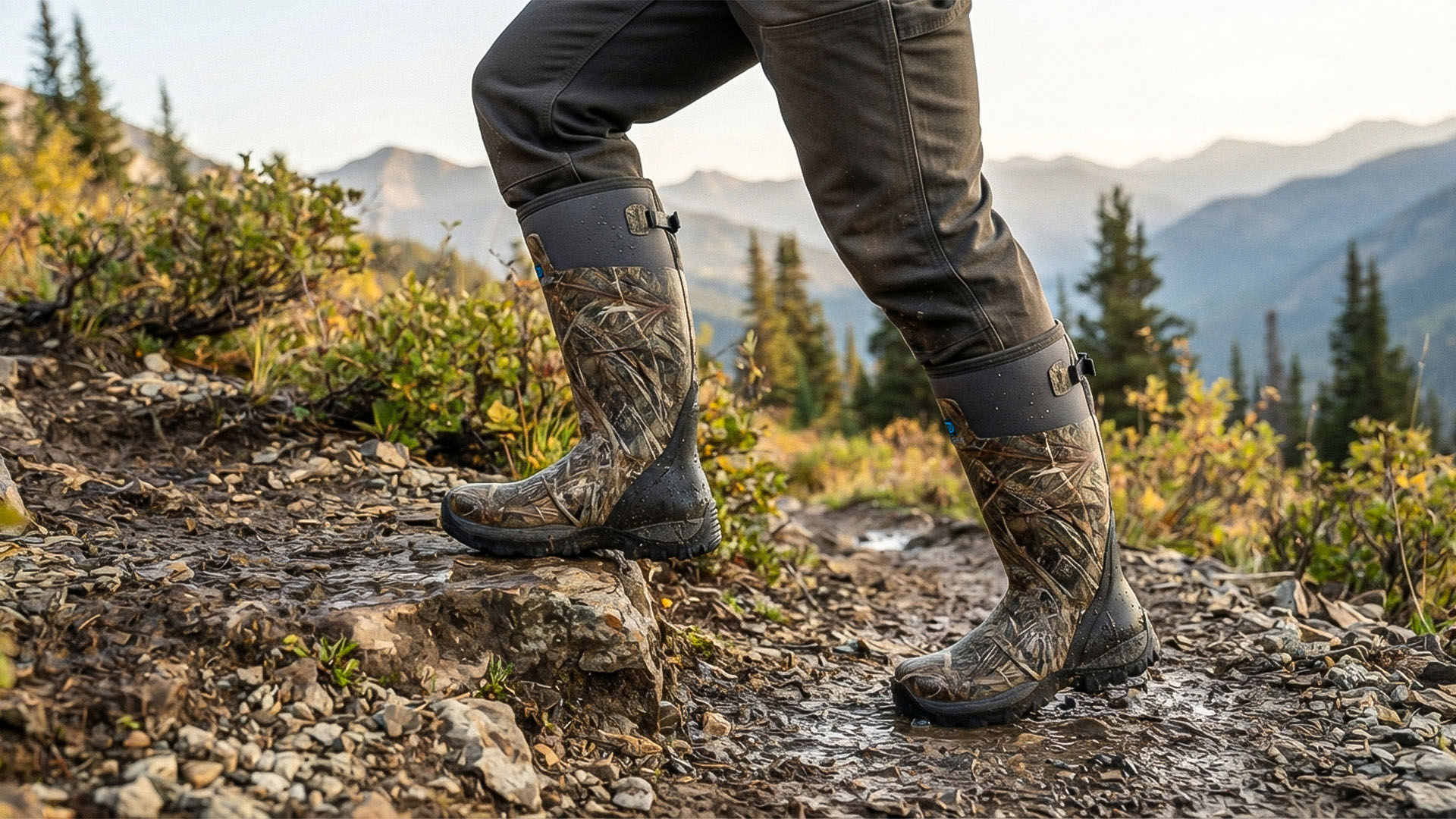
Woodcock Hunting Is Hard on Footwear
A typical hunt may involve:
- Wet leaves
- Mud
- Creek bottoms
- Dew-soaked brush
- Roots
- Logging roads
- Long forest walks
Hunters may benefit from waterproof hunting boots for woodcock hunting that provide secure heel retention, dependable mud traction, and enough protection for repeated travel through wet young forest.
Waterproofing Matters More Than Many Hunters Expect
Even without standing water, vegetation transfers moisture constantly.
Wet Brush Can Soak Boots From Above
Rainwater moves down:
- Pants
- Gaiters
- Boot collars
Gaiters Can Be Extremely Useful
They help reduce:
- Water
- Seeds
- Debris
- Mud
entering boots.
Tall Rubber Boots Can Work Well
In flatter wet bottoms, rubber hunting boots provide useful protection from:
- Mud
- Shallow water
- Wet grass
Rubber Boots Must Fit Well
Loose heel fit becomes exhausting in mud.
Lace-Up Waterproof Boots Can Be Better for Long Mileage
Where terrain includes:
- Hills
- Logging roads
- Firmer forest
supportive lace-up boots may provide more comfort.
Choose Boots for the Whole Hunt
Do not choose footwear only for one muddy crossing.
Consider:
- Distance
- Water
- terrain
- temperature
Traction Matters Constantly
Wet leaves can slide over:
- Roots
- Rock
- hard clay
Roots Become Extremely Slick
Step beside them when possible.
Fallen Logs Are Hazardous
Wet bark can provide almost no grip.
Mud Can Hide Holes
Soft bottomland soil may conceal:
- Roots
- Ditches
- Old stump holes
Lift Your Feet
Do not shuffle through dense cover.
Secure Heel Fit Prevents Blisters
Mud suction and uneven ground expose poor fit.
Toe Protection Helps
Young forest contains many hidden:
- Sticks
- Stumps
- Rocks
Lightweight Boots Reduce Fatigue
Woodcock hunting often involves constant walking.
Heavy Insulation Is Usually Unnecessary in Mild Fall Weather
Match insulation to actual conditions.
Too Much Insulation Causes Sweat
Sweaty feet can become uncomfortable during long hunts.
Carry Spare Socks
One deeper creek crossing can fill a boot unexpectedly.
Dry Socks Can Save the Day
Especially if the hunt continues for several hours.
Rain Pants Can Be Useful Without Active Rain
Wet brush alone can soak ordinary pants.
Durable Pants Matter
Young forest can contain:
- Briars
- sharp stems
- brush
Brush Pants Can Improve Comfort
They reduce scratches during dense-cover hunting.
Gloves Help
Light gloves can protect hands from:
- Thorns
- branches
- cold wet vegetation
Carry a Backup Pair
Wet gloves become cold quickly.
Layering Still Matters
Hunters walk constantly.
Avoid overdressing.
Start Slightly Cool
You will warm quickly once moving through brush.
Add a Layer During Breaks
Especially on cold windy days.
Wind Can Affect Woodcock Habitat Use
Dense forest reduces wind locally.
Birds may favor protected cover during harsh conditions.
Leeward Cover Can Be More Comfortable
Small terrain differences may matter.
Wind Also Affects Dog Scenting
Steady airflow can help.
Swirling timber wind may make bird location harder.
Topography Still Matters
Woodcock habitat is not always flat.
Young forest may occur around:
- Hillsides
- creek benches
- low ridges
Creek Benches Can Be Excellent
Small flat zones above wet bottoms combine:
- Moist soil
- security cover
- easier movement
Bottomland Islands Can Hold Birds
Slightly higher ground inside wet habitat may provide useful cover.
Map Wetland Edges Before Hunting
Satellite imagery can help identify:
- Young cuts
- creek systems
- alder flats
Recent Imagery Is Better
Forest succession changes quickly.
A Five-Year-Old Map May Be Misleading
A young clearcut can become dense.
Another new cut may appear nearby.
Forestry Activity Can Create New Habitat
Keep scouting new timber operations where access is legal.
Public Land Can Be Excellent
National forests, state forests, and wildlife properties may provide young forest management areas.
But Property Rules Vary
Check:
- Access
- Parking
- Hunting zones
- Dog rules
Private Timber Requires Permission
Never assume an old logging road means public access.
Property Boundaries Can Be Difficult in Forest
Use current maps.
A Bird Crossing a Boundary Does Not Create Access
Stay legal.
Logging Roads Can Be Active
Watch for:
- Trucks
- Equipment
- Forestry workers
Never Block Gates
Working forests require access.
Muddy Roads Need Respect
Do not damage wet surfaces unnecessarily.
Walk Instead of Driving When Needed
Future access matters.
Navigation Can Be Difficult
Young forest looks repetitive.
One alder patch can resemble another.
Offline Maps Are Useful
Download:
- Roads
- Wetlands
- Property boundaries
- Timber cuts
before hunting.
Mark the Vehicle
A birdy dog can pull hunters deep into cover.
Carry a Headlamp
Fall daylight becomes shorter quickly.
But Avoid Entering Unknown Dense Cover After Dark
Hidden:
- Wire
- ditches
- water
become more dangerous.
Woodcock Are Migratory Game Birds
Hunters should verify current official regulations before hunting.
Check:
- Season dates
- Daily bag limits
- Possession limits
- Shooting hours
- License requirements
- Migratory-bird requirements
- Public-land rules
Do Not Use Last Year’s Regulations
Migratory bird seasons can change.
Woodcock Rules May Differ From Grouse Rules
Both may occur in the same cover.
That does not mean regulations match.
HIP or Similar Migratory Requirements May Apply
Verify the exact jurisdiction.
Ammunition Rules May Vary by Property
Certain wetlands or public areas can impose additional restrictions.
Positive Identification Is Essential
Do not shoot simply because a brown bird erupts from brush.
Ruffed Grouse Can Overlap With Woodcock
In some regions, both use young forest.
Hunters need to recognize each.
Habitat Is Not Identification
A bird in alder is not automatically a woodcock.
If Unsure, Do Not Shoot
Identification comes before opportunity.
Recovery Can Be Difficult
Woodcock are small and blend into:
- Brown leaves
- Mud
- Young vegetation
Mark the Fall Immediately
Use:
- Aspen clump
- Log
- alder edge
- road opening
Do Not Take Your Eyes Off the Area
A few seconds of distraction can make relocation difficult.
Dogs Greatly Improve Recovery
A trained dog may find birds hidden beneath leaves or brush.
Give the Dog Room
Do not immediately trample the entire fall area.
Without a Dog, Search Methodically
Begin at the marked point.
Work:
- Small circles
- Parallel passes
Look Beneath Vegetation
A bird may be hidden under only a few leaves or stems.
Warm Weather Requires Game Care
Some woodcock seasons begin under relatively mild conditions.
Keep harvested birds:
- Clean
- Cool
according to current food-safety guidance.
Wet Leaves Can Contaminate Game
Use clean storage.
Common American Woodcock Hunting Mistakes
Hunting Mature Open Forest
Young dense cover is usually more important.
Ignoring Soil Moisture
Perfect-looking brush may hold few birds if the ground is too dry.
Walking Too Fast
Woodcock can hold extremely tight.
Skipping Alder and Aspen Transitions
These are classic habitat combinations.
Wearing Boots With Poor Mud Traction
Wet bottomlands can be extremely slippery.
Letting Dogs Range Too Far
Roads, wire, water, and thick cover create hazards.
Assuming Every Brown Bird in Young Forest Is a Woodcock
Positive identification matters.
Using Old Migratory Bird Regulations
Always verify current rules.
Frequently Asked Questions
Where do American woodcock usually live?
American woodcock commonly use young forests, alder thickets, regenerating aspen, brushy wetlands, abandoned fields, creek bottoms, and other habitats combining dense low cover with moist soil.
Why do woodcock like wet ground?
Their long bills are adapted for probing soft soil for food, making moist organic ground especially useful.
Are alder thickets good for woodcock hunting?
Yes. Alder often combines dense security cover with the moist soils woodcock use for feeding.
Is woodcock hunting good after rain?
Rain can soften soil, improve feeding conditions, create fresh wet habitat, and make leaf litter quieter, although wet brush and mud become more difficult for hunters.
What boots are best for woodcock hunting?
Waterproof hunting boots with secure heel fit, dependable traction on mud, wet leaves, roots, and creek bottoms, and enough comfort for constant walking are practical.
Are rubber boots good for woodcock hunting?
Tall rubber boots can work extremely well in flat wet alder bottoms and shallow mud, while longer or hillier hunts may favor supportive waterproof lace-up boots.
Can dogs help hunt American woodcock?
Yes. Pointing and flushing dogs can be very effective in dense young forest, but hunters should manage dog range, roads, wire, water, paw condition, and thick cover carefully.
Do American woodcock hunting regulations vary?
Yes. Seasons, bag limits, possession limits, migratory-bird requirements, shooting hours, licensing, public-land rules, and other regulations vary by jurisdiction. Hunters should verify current official rules before hunting.
Final Thoughts
American woodcock hunting teaches hunters that the best forest is not always the oldest forest.
One young aspen cut provides security.
One alder flat provides wet soil.
One creek bench stays soft.
One abandoned field grows into dense brush.
One rainstorm turns a dry feeding area into productive ground.
The birds follow those changes.
Hunters need to follow them too.
Find young forest.
Check soil moisture.
Hunt alder edges.
Walk slowly.
Trust the dog.
Expect close flushes.
Protect your eyes.
Respect wet ground, logging roads, property boundaries, and migratory-bird regulations.
Wear boots that let you cross wet leaves, muddy alder bottoms, creek edges, slick roots, old logging roads, and miles of dense young forest without making soaked feet, poor traction, or blisters the reason the hunt ends early.
And when a woodcock erupts from beneath an alder only a few yards away in cover you were certain was too thick to hold a bird, remember the lesson.
The thick cover was not the problem.
For the woodcock, it was the reason to be there.
