
Javelina country can look far too open to hide an entire group of animals.
A rocky hillside rises above the desert.
Prickly pear covers one slope.
Mesquite fills a shallow wash.
Palo verde trees stand scattered across the flats.
A hunter glasses for twenty minutes.
Nothing moves.
Then one dark shape appears beside a cactus.
Another stands behind it.
A third animal steps out of the wash.
Within seconds, an entire group that seemed invisible becomes obvious.
That is javelina hunting.
These animals live in country where hunters often assume visibility is good.
It is not.
Low desert vegetation creates thousands of small hiding places.
One prickly pear patch.
One brushy wash.
One shadow beneath mesquite.
One rocky bench.
Successful hunters learn to use optics, terrain, fresh sign, wind, and patience to make the desert smaller.
Javelina Are Not Wild Pigs
One of the most common misconceptions is that javelina are simply small wild hogs.
They are not.
Javelina are collared peccaries.
They are distinct from feral pigs and wild boar.
That difference matters for:
- Identification
- Behavior
- Regulations
- Hunting strategy
Hunters should use current official wildlife resources to learn local identification before entering the field.
Javelina Are Strongly Associated With Desert Habitat
Depending on region, productive habitat may include:
- Sonoran Desert
- Chihuahuan Desert
- Desert grasslands
- Mesquite flats
- Cactus slopes
- Rocky foothills
- Desert washes
- Brushy canyons
They do not need tall forest.
Low vegetation can provide more security than hunters expect.
Start With Prickly Pear
Prickly pear is one of the most useful habitat clues in many javelina areas.
Javelina may feed on cactus pads and fruit where available.
A slope containing substantial prickly pear deserves attention.
Not Every Cactus Flat Holds Animals
Look for additional ingredients:
- Water nearby
- Bedding cover
- Washes
- Rocky escape terrain
Habitat combinations matter more than one plant alone.
Fresh Feeding Damage Is Valuable
Javelina feeding may leave:
- Bitten cactus pads
- Disturbed vegetation
- Tracks
- Droppings
around actively used areas.
Learn the Difference Between Old and New Damage
Fresh cactus damage may appear:
- Moist
- Bright
- Recently broken
Older feeding sign becomes:
- Dry
- Discolored
- Weathered
Desert Washes Are Major Travel Corridors
A wash can connect:
- Feeding slopes
- Bedding cover
- Water
- Adjacent basins
while allowing animals to stay below surrounding terrain.
Hunt the Wash Edges
The deepest center may be sandy and open.
More useful habitat often lies where the wash meets:
- Mesquite
- Palo verde
- Cactus
- Rocky banks
Side Washes Can Hide Entire Groups
Small tributary drainages are easy to overlook.
A narrow branch wash may provide enough:
- Shade
- Brush
- Concealment
for several animals.
Wash Junctions Deserve Extra Attention
Where two drainages meet, vegetation may become:
- Taller
- Denser
- Greener
because moisture accumulates.
These intersections can be high-value habitat.
Mesquite Patches Can Provide Bedding Cover
Dense mesquite offers:
- Shade
- Concealment
- Wind protection
especially during warmer periods.
Hunt the Downwind Side Carefully
Javelina have a strong sense of smell.
Wind can end an approach quickly.
Palo Verde Can Create Shade
Scattered desert trees may not look substantial.
At animal level, their shade can matter.
Midday Shade Can Be Important
During warm conditions, javelina may spend more time around:
- Mesquite
- Palo verde
- Rocky shade
- Brushy washes
Rocky Foothills Can Be Excellent
Javelina are not limited to flat desert.
They may use:
- Rocky benches
- Broken slopes
- Canyon mouths
- Low ridges
where food and cover overlap.
Look for Benches
A small flat shelf on an otherwise steep slope can provide:
- Easier feeding
- Bedding
- Travel
Rocky Terrain Creates Glassing Opportunities
Open rock makes dark-bodied animals easier to spot when they move.
Glass Before Walking
This is one of the most efficient javelina strategies.
Use binoculars from:
- Low ridges
- Road overlooks
- Opposite slopes
to scan large areas.
Javelina Can Be Harder to See Than Their Color Suggests
Their dark bodies blend surprisingly well with:
- Shadow
- Rock
- Brush
- Cactus
Look for Movement
One ear.
One head.
One animal walking behind cactus.
Small movement often reveals the entire group.
Glass the Same Patch Several Times
A javelina standing still may look like:
- Rock
- Shadow
- Shrub
until it moves.
Early Morning Light Can Help
Low sun creates contrast on slopes.
This can make dark animals easier to identify.
Evening Light Can Do the Same
Late-day movement near feeding cover can also improve visibility.
Midday Is Not Necessarily Dead
Javelina may bed more during warm periods.
That can actually help hunters if bedding cover can be glassed.
Search Shaded Brush
Look beneath:
- Mesquite
- Palo verde
- Rock ledges
Group Behavior Helps
Javelina commonly occur in social groups.
Seeing one animal often means others are nearby.
Do Not Focus Only on the First Animal
Continue glassing around it.
Another animal may reveal:
- Group size
- Direction
- bedding location
A Group Creates Many Eyes and Noses
Approaching several animals is harder than approaching one.
Stay concealed.
Wind Becomes Even More Important
One animal smelling the hunter can alert the entire group.
Javelina Have Strong Scent Communication
Hunters may notice a distinctive odor in areas of recent activity.
Treat odor only as supporting evidence.
Tracks and visual confirmation are more useful.
Tracks Can Be Valuable
Soft desert soil may preserve clear prints.
Check:
- Wash bottoms
- Water edges
- Dirt roads
- Sandy trails
Tracks Can Be Confused With Other Animals
Study official track references before hunting.
Substrate changes appearance significantly.
Fresh Tracks Are More Useful Than Big Tracks
A large old print says less than a sharp fresh trail.
Follow Direction, Not Every Individual Step
Use tracks to understand whether animals moved toward:
- Feeding
- Water
- bedding cover
Dirt Roads Can Be Excellent Scouting Surfaces
After rain, desert roads may show fresh crossings clearly.
Road Crossings Can Narrow Huge Country
A fresh trail crossing a road may point toward an actively used basin.
Do Not Drive Every Fresh Track
Walking may reveal much more without disturbing animals.
Recent Rain Can Improve Javelina Hunting
Rain changes desert conditions quickly.
It creates:
- Fresh mud
- Green vegetation
- Cleaner tracks
- New water sources
Javelina Hunting After Rain Can Be Excellent for Scouting
Check:
- Wash crossings
- Dirt roads
- Springs
- Cactus flats
for current sign.
Rain Can Also Spread Animals Out
Temporary water may reduce dependence on traditional permanent sources.
Rescout after storms.
Desert Green-Up Can Change Feeding Areas
New vegetation may appear in places that were previously dry.
Javelina can respond quickly.
Do Not Hunt Last Month’s Pattern Automatically
Desert habitat changes with moisture.
Current conditions matter.
Water Can Be Important
Depending on season and region, javelina may use:
- Springs
- Stock tanks
- Wildlife water developments
- Creek pools
Hunt the Travel Route, Not Only the Water
Animals may drink briefly and leave.
Tracks connecting water to:
- Washes
- Feeding slopes
- Bedding cover
can be more useful.
Respect Wildlife Water Developments
Never interfere with:
- Tanks
- Pipes
- Pumps
- Catchments
Stock Tanks May Be Shared With Livestock
Know where cattle are before hunting nearby.
Desert Wind Is Unpredictable Around Terrain
Open country can still create swirling wind around:
- Canyon mouths
- ridges
- rock walls
Check Wind Repeatedly
Do not rely on the direction at the truck.
Thermals Matter
Morning warming can cause air to rise.
Evening cooling can reverse airflow.
Long Stalks Can Outlast the Wind You Started With
A javelina stalk may take an hour or more.
Conditions can change.
Stay Below the Skyline
Javelina may not have the extreme long-distance vision of pronghorn, but movement on an exposed ridge is still easy to detect.
Use Washes for Concealment
A shallow drainage may hide most of the approach.
Ridges Can Hide Movement Too
Stay on the opposite side until the final approach.
Do Not Leave Cover Too Early
The last hundred yards often determine success.
Cactus Makes Final Approaches Difficult
Getting low may help concealment.
It also places hunters closer to:
- Prickly pear
- Cholla
- Sharp rock
Check the Ground Before Kneeling
Never drop onto desert vegetation blindly.
Cholla Deserves Special Respect
Detached pieces can sit almost invisibly on the ground.
They may attach to:
- Boots
- Pants
- Gloves
Carry Suitable Removal Tools
Do not grab cactus segments with bare hands.
Prickly Pear Spines Can Penetrate Lightweight Fabric
Durable pants are useful.
Smaller Spines Can Be Difficult to See
Inspect clothing carefully after contact.
Desert Brush Can Scratch Legs and Hands
Mesquite and other thorny vegetation make durable clothing valuable.
Gloves Help
Light gloves reduce:
- Scratches
- cactus contact
during low approaches.
Eye Protection Can Be Useful
Branches and thorns may sit at face height.
Javelina Hunting Is Harder on Boots Than It Looks
A typical hunt may involve:
- Sand
- Loose gravel
- Cactus
- Rocky slopes
- Mud after rain
- Dry grass
- Wash crossings
- Long walking distances
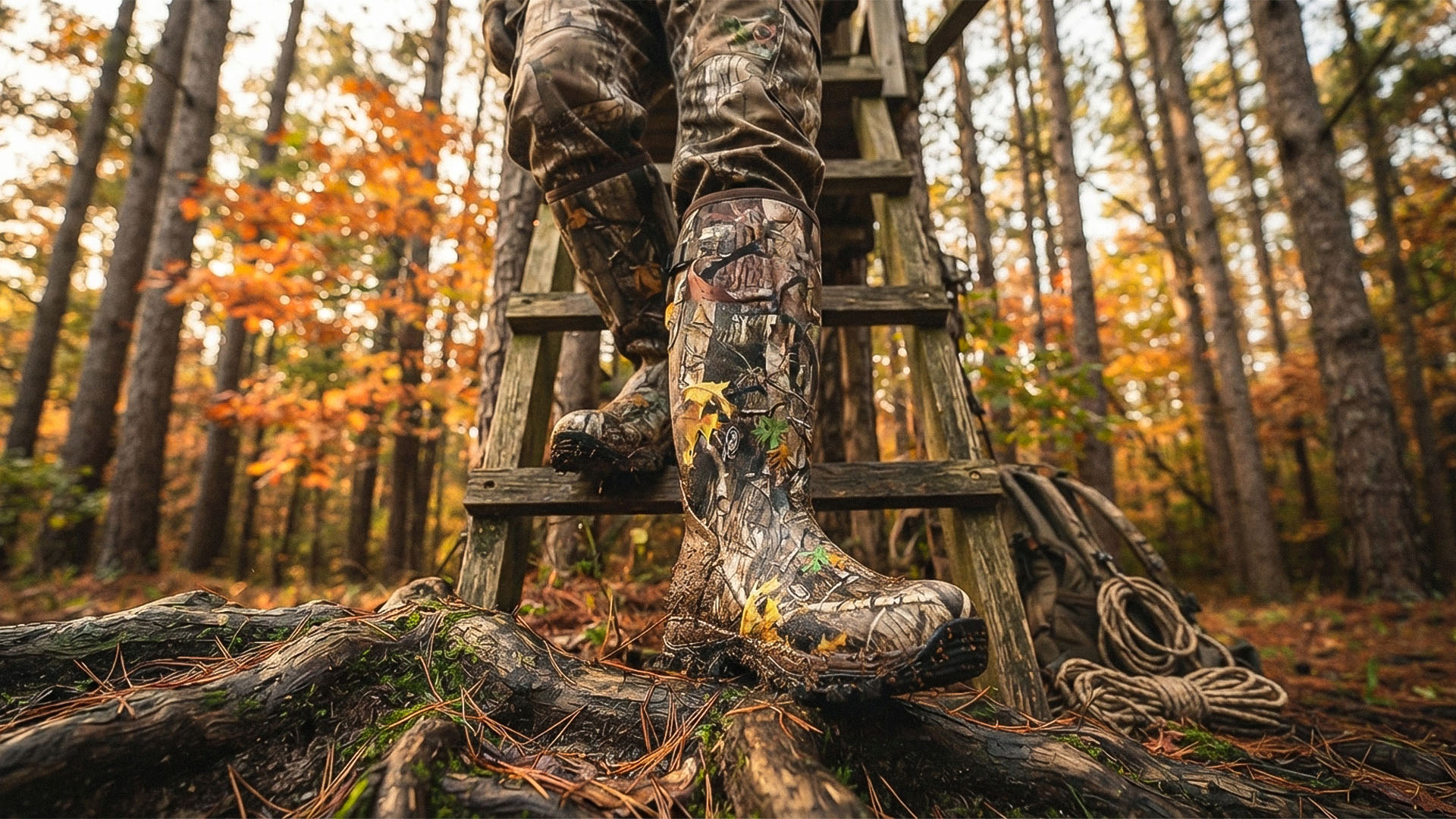
Hunters may benefit from waterproof hunting boots for desert hunting that provide secure heel retention, dependable traction, and enough protection for rocky, thorny Southwestern terrain without unnecessary weight.
Lightweight Boots Are Usually Valuable
Desert hunts can involve substantial mileage.
Heavy mountain boots may cause extra fatigue.
But Support Still Matters
Broken foothills and rocky slopes may justify moderate ankle structure.
Match the Boot to Terrain
Flat cactus country and rocky canyon country are not the same hunt.
Waterproofing Still Has Value
Desert hunters can encounter:
- Wet grass
- Mud
- Rain
- Shallow wash water
after storms.
Breathability Matters Too
Warm desert conditions can make heavily insulated waterproof boots uncomfortable.
Avoid Excessive Insulation
Match footwear to actual temperature.
Secure Heel Fit Prevents Blisters
Long miles and loose gravel expose poor fit quickly.
Toe Protection Helps
Cactus and rock can punish lightweight footwear.
Strong Outsole Traction Matters
Loose desert rock can roll underfoot.
Wet Clay Can Be Extremely Slick
After rain, some desert roads and slopes become difficult.
Mud Can Pack Into Tread
Clear soles when practical.
Gaiters Can Be Useful
They help keep:
- Sand
- gravel
- cactus debris
- grass seeds
out of boots.
Grass Seeds Can Be Annoying
Dry desert vegetation can fill socks and shoes quickly.
Tall Rubber Boots Are Usually Not the Default Choice
In mostly dry rocky terrain, they may feel heavy and less precise.
But Wet Lowlands Can Change That
If a hunt involves:
- muddy tank edges
- shallow flooded washes
waterproof height may matter more.
Choose Boots for the Whole Route
One muddy crossing should not determine footwear for six miles of rock.
Desert Heat Can Be Serious
Even during cooler hunting seasons, afternoon temperatures may rise significantly.
Carry More Water Than You Expect to Need
Natural water is unreliable.
Dry Air Hides Fluid Loss
Sweat evaporates quickly.
Drink regularly.
Sun Exposure Adds Fatigue
There may be little continuous shade.
Use appropriate:
- Hat
- sunscreen
- clothing
Early Starts Help
Cool morning temperatures make:
- Hiking
- glassing
- stalking
more comfortable.
Afternoon Heat Can Slow Movement
Animals may remain in shade longer.
Temperature Swings Can Be Large
A cold dawn may become warm by midday.
Layer Lightly
Use clothing that can be removed and packed easily.
Windproof Layers Can Still Matter
Open ridges may feel cold even when valley temperatures are mild.
Desert Nights Can Become Cold Quickly
If a hunt runs late, temperatures may drop fast.
Carry a Headlamp
Recovery or navigation may continue after sunset.
Carry Backup Light
Rock and cactus are much harder to see at night.
Do Not Walk Fast After Dark
Hidden cactus and wash banks become major hazards.
Flash Flooding Is a Real Risk
Desert washes can flood rapidly after storms.
Rain does not need to fall directly overhead.
Watch Upstream Weather
Storms in distant mountains can send water through dry channels.
Never Camp in a Wash During Flood Risk
Move to higher ground.
Do Not Drive Into Moving Water
A shallow-looking flood can be much stronger than expected.
Desert Roads Can Become Impassable
Dry clay roads may turn into deep mud quickly.
Do Not Damage Wet Roads
If conditions deteriorate:
Park and walk.
Road Damage Can Affect Future Access
Especially on private ranches and public desert routes.
Navigation Is Important
Desert basins can look repetitive.
One wash resembles another.
Offline Maps Are Useful
Download:
- Roads
- Property boundaries
- Water
- Topography
before hunting.
Mark the Vehicle
A stalk may lead several drainages away.
Property Boundaries Can Be Difficult to See
Javelina habitat may cross:
- State land
- Federal land
- Private ranch
- Other managed property
Open Desert Does Not Mean Open Access
Use current land information.
Private Ranch Permission Matters
Clarify:
- Roads
- parking
- gates
- retrieval
before hunting.
Leave Gates As Directed
Do not automatically open or close them.
Livestock Often Shares Javelina Habitat
Cattle may be hidden in:
- Mesquite
- Washes
- Low terrain
Know the Background
Sparse brush is not a safe backstop.
Open Terrain Allows Long Projectile Travel
Never take unsafe opportunities toward:
- Roads
- livestock
- buildings
- other hunters
Positive Identification Is Essential
Javelina can be confused with:
- Feral pigs
by inexperienced hunters.
Javelina Are Usually Smaller and Structurally Different
Study current official identification resources.
The White Collar Is a Useful Feature
The pale collar around the shoulders helps identification.
But never rely on a single characteristic.
Body Shape Helps
Javelina have a compact form and relatively short tail.
Feral Hogs Can Occur in Some Overlapping Areas
Hunters must know which species is legal under their tag and regulations.
Do Not Shoot at a Dark Animal in Brush Without Confirmation
Wait for a clear view.
Regulations Can Be Highly Specific
Javelina hunts may involve:
- Draw systems
- Units
- Specific seasons
- Weapon-specific opportunities
depending on jurisdiction.
Tag Requirements Matter
Do not assume a general hunting license automatically authorizes javelina hunting.
Verify Current Official Regulations
Before hunting, confirm:
- Season dates
- Tag or permit validity
- Hunt-unit boundaries
- Legal methods
- Shooting hours
- Reporting requirements
- Public-land rules
Archery and General Hunts May Differ
Season structure can vary considerably.
Unit Boundaries Matter
A group moving across a road may enter a different legal area.
Know exact boundaries.
Public Land Can Add Access Restrictions
Vehicle use and seasonal closures may apply.
Urban-Interface Areas Require Extra Attention
Some javelina live near:
- Rural homes
- Desert subdivisions
- Recreation areas
Hunting may be prohibited.
Do Not Assume Animal Presence Means Hunting Is Legal
Always verify the exact property and local rules.
Javelina Can Defend Themselves
They generally prefer avoiding people.
But close encounters can become risky, especially when animals feel trapped.
Give Groups Space
Do not intentionally crowd them at close range.
Dogs Can Trigger Defensive Behavior
Where dogs are present, maintain strong control.
Do Not Place Yourself Between Animals and Escape Cover
Allow an exit route.
Thick Brush Reduces Reaction Time
Stay aware.
Harvest Recovery Can Be Difficult in Cactus Country
An animal may move into:
- Cholla
- Prickly pear
- Mesquite
- Rocky washes
Mark the Last Known Location
Use:
- Cactus patch
- Wash bend
- Rock
- tree
as reference.
Desert Landmarks Repeat
Use multiple points.
Do Not Rush Recovery Through Cactus
Move carefully.
Tracks Can Assist Recovery
Soft sand may preserve movement.
Rain Can Remove Sign
Wet conditions may complicate tracking despite creating good initial footprints.
Follow Current Hunter-Education Guidance
Use careful, ethical recovery procedures.
Warm Weather Makes Game Care Important
Many javelina hunts occur in relatively mild or warm conditions.
Cooling Should Begin Promptly
Plan ahead.
Direct Sun Can Heat Game Quickly
Use proper cooling according to current food-safety guidance.
Clean Handling Matters
Desert dust and mud can contaminate meat.
Carry Clean Game Bags or Containers
Keep harvested game away from:
- dirt
- vegetation
- vehicle contaminants
Field-Dressing Hygiene Matters
Use clean tools and appropriate gloves.
Javelina Have a Strong Odor
Scent glands and field handling require careful technique.
Avoid contaminating edible meat during processing.
Learn Proper Field Care Before the Hunt
Do not improvise after harvest.
Common Javelina Hunting Mistakes
Treating Javelina Like Feral Hogs
They are different animals with different identification and regulations.
Walking Before Glassing
Optics can save miles.
Ignoring Washes
They are important travel and security corridors.
Looking Only for Animals Instead of Fresh Feeding Sign
Cactus damage and tracks can reveal current use.
Underestimating Wind
Javelina rely heavily on smell.
Ignoring Cactus During the Final Stalk
Getting low in the wrong place can become painful quickly.
Wearing Heavy, Hot Footwear
Desert hunting rewards lightweight support and ventilation.
Assuming Javelina Regulations Are Simple
Tags, units, season types, and legal methods can vary.
Frequently Asked Questions
Where do javelina usually live?
Javelina commonly use Southwestern desert habitat containing prickly pear, mesquite, palo verde, rocky foothills, desert grassland, brushy canyons, and washes.
Are javelina the same as wild pigs?
No. Javelina are collared peccaries and are biologically distinct from feral hogs and wild boar.
Is prickly pear good javelina habitat?
It can be. Prickly pear may provide food and cover, especially when combined with washes, water, shade, and rocky terrain.
What is the best way to find javelina in open desert?
Glassing from elevated positions, checking fresh tracks and feeding sign, and focusing on cactus slopes, washes, and shaded bedding cover are useful strategies.
Is javelina hunting good after rain?
Rain can create fresh mud for tracking, stimulate vegetation, and make current movement easier to read, although temporary water can also spread animals across more habitat.
What boots are best for javelina hunting?
Lightweight waterproof hunting boots with secure heel fit, durable toe protection, dependable traction on loose rock and mud, and enough support for desert foothills are practical.
Do javelina have a strong sense of smell?
Yes. Wind direction is important when approaching groups, especially in brushy washes and broken terrain.
Do javelina hunting regulations vary?
Yes. Tag systems, draw requirements, hunt units, seasons, legal methods, shooting hours, and public-land rules vary by jurisdiction. Hunters should verify current official regulations for the exact hunt.
Final Thoughts
Javelina hunting teaches hunters that desert cover does not need to be tall to be effective.
One cactus patch provides food.
One mesquite cluster provides shade.
One shallow wash hides movement.
One rocky bench gives a group somewhere to bed.
One fresh track across a muddy road narrows thousands of acres into one active drainage.
Glass first.
Follow the freshest sign.
Look for prickly pear.
Study the washes.
Watch the wind.
Stay off the skyline.
Respect cactus, flash-flood risk, livestock, roads, and property boundaries.
Wear boots that let you cross loose gravel, rocky slopes, cactus flats, muddy washes, wet grass after storms, and miles of Southwestern desert without making blisters, poor traction, or overheated feet the reason the hunt ends early.
And when one dark shape beside a prickly pear suddenly becomes six animals you had been glassing past for fifteen minutes, remember the lesson.
The desert was not empty.
The javelina were simply using cover at a scale you had not learned to see yet.
