
Wild hog country rarely hides the fact that pigs have been there.
The forest floor may be ripped apart.
Mud holds deep tracks.
Roots are overturned.
A creek bank looks freshly plowed.
A trail disappears through palmetto and thick brush.
The sign can look obvious.
The hogs themselves are not.
A group may feed in one bottom during the night, cross a road before sunrise, and bed inside cover so thick that hunters can walk nearby without seeing anything.
That is one of the biggest challenges of wild hog hunting.
Finding hog sign is relatively easy.
Finding fresh sign is harder.
Finding the animals responsible for that sign is harder still.
Successful hunters learn to separate:
- Last week’s rooting
- Yesterday’s tracks
- This morning’s mud
- Active bedding cover
The fresher the information, the smaller the property becomes.
Wild Hogs Use Many Southern Habitats
Feral hogs are highly adaptable.
Depending on region, they may use:
- Swamps
- Creek bottoms
- Pine flatwoods
- Hardwood forests
- Agricultural edges
- Pastures
- Marsh borders
- Thick brush
They can survive in surprisingly different landscapes.
The strongest areas usually provide:
- Food
- Water
- Security cover
within reasonable traveling distance.
Start With Fresh Feeding Sign
Hogs disturb the ground while searching for food.
Fresh rooting may look like soil has been turned with a machine.
Look for:
- Exposed dark soil
- Freshly broken roots
- Wet vegetation
- Recently overturned leaves
Rooting Ages Quickly
Fresh disturbance may appear:
- Dark
- Moist
- Sharp-edged
Older rooting becomes:
- Dry
- Flattened
- Covered with leaves
Learning this difference saves time.
A Huge Rooted Area Does Not Mean Hogs Are Still There
Wild pigs can damage an area in one night.
Then they may move several miles.
Freshness matters more than size.
Follow the Newest Section
If one part of a rooted field appears older and another section looks freshly disturbed:
Focus on the newer edge.
That may reveal the current direction of travel.
Mud Is One of the Best Tracking Surfaces
Southern hog habitat often contains soft soil.
Look around:
- Creek crossings
- Pond edges
- Swamps
- Muddy roads
- Wallows
for tracks.
Hog Tracks Can Resemble Deer Tracks
Hunters should learn the differences.
Hog tracks often appear:
- Rounder
- Wider
- More blunt
than many deer tracks.
Use multiple characteristics.
Dewclaw Marks Can Appear in Soft Ground
Deep mud may preserve additional impressions behind the main hoof.
But substrate changes track appearance.
Do not identify an animal from one poor print alone.
Track Direction Matters
A fresh track is useful.
A fresh trail of tracks is better.
Follow the pattern visually to determine whether hogs moved toward:
- Water
- Bedding cover
- Feeding area
- Agricultural ground
Creek Crossings Can Be Excellent Clues
Hogs often cross water repeatedly at preferred locations.
Look for:
- Muddy banks
- Worn trails
- Tracks on both sides
Repeated Crossings Create Obvious Trails
A major hog crossing may look like a livestock trail.
But confirm current use.
Creek Bottoms Offer Multiple Resources
Lowland drainages may provide:
- Water
- Soft soil
- Mast
- Thick vegetation
- Cooler temperatures
That combination can attract hogs throughout much of the year.
Hunt Slightly Above the Wettest Bottom
The deepest creek edge may be difficult for hunters.
Hogs may travel on:
- Low benches
- Natural levees
- Slightly higher ground
beside it.
Natural Levees Can Become Travel Routes
Raised strips along waterways may offer firmer walking while staying close to water and cover.
Look for repeated sign.
Hardwood Mast Can Pull Hogs Into Bottoms
When available, foods such as:
- Acorns
- Nuts
- Other mast
can attract pigs strongly.
Fresh Feeding Sign Under Oaks Matters
Rooting beneath producing trees can reveal active feeding.
But mast availability changes seasonally.
Agricultural Fields Can Be Major Food Sources
Hogs may feed in:
- Corn
- Peanuts
- Soybeans
- Grain
- Pastures
depending on region.
Field Edges Often Show Entry Trails
Look for where brush or timber meets agriculture.
Repeated tracks can reveal where hogs enter after dark.
Do Not Assume They Stay in the Field During Daylight
After feeding, hogs may retreat deep into:
- Swamp
- Pine cover
- Brush
before sunrise.
Find the Connection Between Food and Bedding
A trail connecting the two can be more useful than the field itself.
Pine Flatwoods Can Hold Hogs
Southern pine country may look relatively open.
But pigs can use:
- Palmetto
- Wet depressions
- Young pine
- Brushy drainages
for security.
Palmetto Cover Can Be Extremely Dense
An animal may be only a few yards away and remain invisible.
Move cautiously.
Young Pine Stands Can Be Almost Impenetrable
Dense regeneration provides excellent bedding security.
Rather than pushing directly through the center, search:
- Roads
- Firebreaks
- Creek edges
- Open borders
Firebreaks Are Valuable Scouting Routes
They allow hunters to:
- Move quietly
- Check tracks
- Monitor crossings
through thick pine habitat.
Soft Firebreak Soil Can Preserve Sign
After rain, hog tracks may stand out clearly.
Old Logging Roads Can Do the Same
Road systems connect:
- Feeding areas
- Timber
- Creek bottoms
and often create excellent tracking surfaces.
Road Crossings Can Reveal Timing
Fresh mud after rain can help distinguish current movement from old use.
Rain Can Improve Wild Hog Hunting
Wet conditions create:
- Fresh tracking surfaces
- Quieter leaves
- Muddy travel routes
and can make current activity easier to identify.
Hog Hunting After Rain Can Be Especially Good for Scouting
Search:
- Dirt roads
- Creek banks
- Field entrances
- Wallows
soon after conditions settle.
Wet Vegetation Makes Walking Quieter
Hunters may approach more quietly through:
- Leaf litter
- Grass
- Pine needles
after rain.
Rain Also Makes Terrain Harder
Mud, roots, and wet wood become slippery.
Do not trade noise reduction for unsafe footing.
Hogs Use Water Frequently
In warm climates, access to water can be especially important.
Useful areas may include:
- Creeks
- Ponds
- Swamps
- Stock tanks
- Marsh edges
Wallows Can Reveal Active Use
Hogs may use muddy depressions for cooling and parasite management.
Fresh wallows may contain:
- Tracks
- Mud splatter
- Hair
- Recently disturbed water
Old Wallows Can Mislead
A muddy depression may remain visible long after use stops.
Look for fresh edges and tracks.
Rub Trees Can Add Information
Hogs may rub against:
- Trees
- Posts
near wallows or travel routes.
Mud or hair on bark may indicate use.
Mud Height Can Suggest Animal Size
Large hogs may leave higher rubbing marks.
But treat this only as supporting evidence.
Bedding Cover Is Often Extremely Thick
During daylight, pigs may bed in places hunters dislike entering.
Examples include:
- Palmetto
- Briars
- Cane
- Young pine
- Marsh brush
Thick Cover Is Security
If a patch is:
- Difficult to walk
- Hard to see through
- Close to food and water
it may deserve attention.
Hunt the Edges First
Before entering extremely dense cover, study:
- Trails
- Downwind side
- Escape routes
around the perimeter.
Bedding Areas Can Have Multiple Exits
Do not assume the most obvious trail is the only route.
Wind Matters
Hogs have a strong sense of smell.
Approaching with poor wind can end the hunt before you see them.
Check Wind Constantly
Southern timber can create:
- Swirls
- Drainage airflow
- Sudden changes
Creek Bottoms Can Move Scent Differently
Cool low air may travel along drainages.
Test conditions instead of guessing.
Morning Thermals Can Shift
As the forest warms, air movement can change.
An approach that works before sunrise may fail later.
Avoid Walking Through the Feeding Route
Human scent on an active trail can change animal behavior.
Plan entry from the side where possible.
Spot-and-Stalk Can Work in More Open Country
Where hogs feed in:
- Pastures
- Agricultural fields
- Open marsh edges
hunters may locate them from distance.
Use Optics Around Field Edges
Look for:
- Dark moving shapes
- Groups entering brush
- Feeding activity
Hogs Can Be Hard to See in Low Light
Dark bodies blend into:
- Timber
- Shadow
- Mud
Positive identification is essential.
Groups Can Contain Different Sizes
A sounder may include:
- Adult females
- Juveniles
- Smaller pigs
Be certain of local hunting regulations and the animal selected.
Do Not Shoot at Movement in Brush
Dense southern cover may hide:
- Other hunters
- Livestock
- Non-target wildlife
Wait for a clear target.
Ground-Level Shooting Requires Background Awareness
Hogs often remain low in brush.
Know what lies beyond.
Swamps Complicate Background Visibility
Vegetation can hide:
- Roads
- Houses
- Farm buildings
farther away.
Scout the entire property.
Night Hunting Rules Vary Widely
Some jurisdictions may allow certain night hunting methods.
Others may restrict:
- Lights
- Thermal equipment
- Hunting hours
- Weapon use
Always verify current local regulations.
Do Not Assume Feral Hog Rules Are Simple
Wild pig regulations can differ significantly by:
- State
- Public land
- Private land
- Time of year
Public-Land Rules May Be More Restrictive
Even where hogs are widely considered invasive, public properties may limit:
- Seasons
- Methods
- Weapons
- Dogs
- Night hunting
Verify Current Official Rules
Before hunting, confirm:
- Legal hunting dates
- License requirements
- Shooting hours
- Legal equipment
- Public-land restrictions
- Private-land permissions
- Reporting requirements if applicable
Private Land Permission Is Critical
Many productive hog areas occur on:
- Farms
- Ranches
- Timber properties
Clarify access before hunting.
Ask About Roads
Wet southern roads can become impassable quickly.
Know which routes the landowner wants hunters to use.
Do Not Rut Farm Roads
After rain, park farther away if necessary.
Future access is more important than convenience.
Leave Gates As Directed
Livestock management depends on correct gate position.
Follow landowner instructions exactly.
Livestock Can Share Hog Habitat
Hogs may feed near:
- Cattle
- Horses
- Farm equipment
Know the background.
Never Shoot Toward Livestock
Dense brush and low-light conditions require strict discipline.
Dogs May Be Used in Some Regions
Where legal, specialized dogs may be part of hog hunting traditions.
Dog use introduces additional safety and regulatory considerations.
Dog Regulations Vary
Check:
- Public-land rules
- Seasons
- Collar requirements
- Property restrictions
Thick Cover Creates Dog Hazards
Potential hazards include:
- Barbed wire
- Water
- Snakes
- Roads
- Wild hogs themselves
Wild Hogs Can Injure Dogs
Large pigs can defend themselves aggressively.
Handlers should understand the risks before using dogs.
Roads Are a Major Dog Hazard
Rural roads may have:
- Fast vehicles
- Poor visibility
Maintain control.
Barbed Wire Is Common in Southern Farm Country
Old fence strands may be hidden by grass or brush.
Scout major fences.
Snakes Can Be Active
Warm southern habitat may contain venomous snakes depending on region and season.
Watch:
- Footing
- Dogs
- Brush piles
Do Not Step Over Logs Blindly
Look at the other side first.
Alligators Can Be Relevant in Some Swamp Regions
Where present, water edges require extra caution, especially with dogs.
Follow local wildlife-safety guidance.
Insects Can Be Severe
Southern swamp hunting may involve:
- Mosquitoes
- Ticks
- Biting flies
Use appropriate prevention.
Ticks Thrive in Brush
Check:
- Clothing
- Skin
- Dogs
after the hunt.
Heat Can Be a Major Issue
Wild hog hunting can occur in warm climates.
Hunters may deal with:
- Humidity
- High temperatures
- Limited airflow
Carry More Water Than Expected
Swamp environments feel wet.
That does not mean they provide safe drinking water.
Humidity Reduces Cooling
Sweat evaporates less efficiently.
Take breaks.
Early Morning May Be More Comfortable
Cooler hours improve hunter endurance.
Midday Heat Can Shift Hog Bedding
Animals may stay deeper in:
- Shade
- Wet cover
during hot periods.
Evening Can Produce Feeding Movement
As temperatures fall, pigs may leave bedding cover.
Watch routes toward:
- Fields
- Mast
- Water
Cold Weather Changes Behavior Too
Northern portions of hog range can experience cold conditions.
Animals may adjust:
- Feeding times
- Bedding cover
according to temperature.
Dense Cover Can Provide Thermal Protection
Thick vegetation blocks wind.
Sunny Openings Can Matter on Cold Days
Hogs may use sun-exposed feeding areas when conditions are cold.
Wild Hog Hunting Is Hard on Footwear
A typical hunt may involve:
- Mud
- Shallow water
- Wet grass
- Pine needles
- Creek bottoms
- Marsh edges
- Long road walks
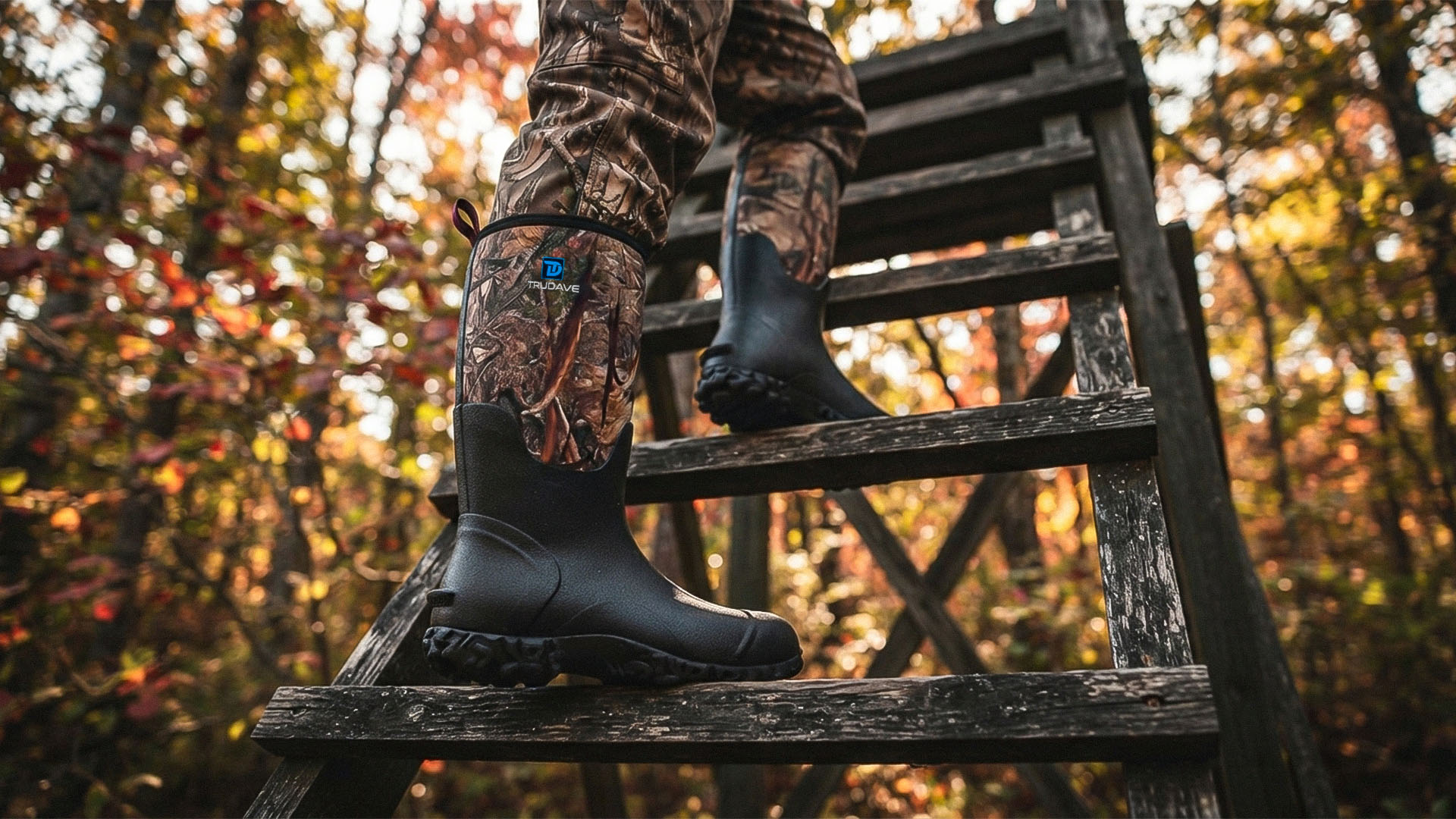
Hunters may benefit from waterproof hunting boots for wild hog hunting that provide secure heel retention, dependable mud traction, and enough waterproof protection for repeated travel through wet southern terrain.
Tall Rubber Boots Can Be Extremely Practical
Where habitat includes:
- Swamp mud
- Shallow water
- Wet grass
rubber hunting boots offer simple waterproof protection.
Boot Height Matters
A low creek channel can suddenly rise above shorter boots.
Scout routes.
Secure Fit Is Essential
Mud suction pulls at every step.
Loose boots become exhausting.
Lightweight Waterproof Lace-Ups Can Work on Firmer Ground
If most of the hunt involves:
- Pine roads
- Dry ridges
- Mixed woods
with limited deep mud, supportive waterproof boots may be more comfortable.
Choose Boots for the Whole Route
Do not choose footwear solely for one mud hole.
Think about:
- Distance
- Water depth
- Heat
- Terrain
Waterproofing Alone Is Not Enough
Traction matters equally.
Southern clay and swamp mud can be extremely slick.
Aggressive Tread Helps
But no outsole replaces careful stepping.
Mud Packs Into Soles
Clean tread when practical.
Wet Logs Can Be Dangerous
Avoid stepping on smooth, mossy surfaces.
Roots Become Slick After Rain
Shorten stride.
Creek Banks Can Collapse
Saturated soil may be unstable.
Stay away from undercut sections.
Waders May Be Appropriate in Some Swamp Habitat
If water regularly exceeds boot height, properly fitted hunting waders may provide more protection.
Waders Do Not Make Deep Swamp Water Safe
They do not protect against:
- Deep holes
- Current
- Submerged logs
- Wildlife hazards
Use Conservative Water Routes
Never enter unknown flooded habitat simply because pigs crossed there.
Walking Sticks Can Help
A sturdy stick can test:
- Bottom firmness
- Water depth
- Hidden channels
Swamp Mud Can Exhaust Hunters Quickly
Every step may require pulling against suction.
Short distances can feel much longer.
Save Energy for the Return
The walk out can be harder once temperatures rise.
Gaiters Can Help on Wet Brush
Where water is not too deep, gaiters can reduce:
- Vegetation moisture
- Seeds
- Mud
entering boots.
Durable Pants Matter
Wild hog habitat often includes:
- Briars
- Palmetto
- Cane
- Thorny vines
Thin fabric can tear quickly.
Brush Pants Improve Mobility
Hunters who avoid thick cover may avoid the animals.
Gloves Protect Hands
Light gloves help around:
- Briars
- Fences
- Brush
Eye Protection Is Valuable
Dense vegetation frequently reaches face height.
Clear protective glasses can help.
Pine Flatwoods Can Hide Holes
Wet depressions may sit beneath grass.
Watch footing.
Old Farm Ground Can Hide Debris
Possible hazards include:
- Wire
- Glass
- Metal
- Broken equipment
Do Not Run Blindly Through Brush
A hog can escape.
An injury can end the hunt.
Navigation Can Be Difficult in Swamps
Flat terrain and dense vegetation reduce landmarks.
Offline Maps Are Useful
Download:
- Property boundaries
- Creeks
- Roads
- Marshes
- Trails
before hunting.
Mark the Vehicle
Following tracks can pull hunters through multiple drainages.
Save the access point.
Carry a Headlamp
Many hog hunts occur around:
- Dawn
- Dusk
or may require after-dark recovery where legal.
Carry Backup Lighting
Wet environments can damage electronics.
Waterproof Important Gear
Protect:
- Phone
- Batteries
- Maps
- Emergency supplies
Fresh Sign Can Be Followed Carefully
Tracking hogs may involve reading:
- Mud
- Bent vegetation
- Rooting
- Tracks
Do Not Follow Sign With Tunnel Vision
Keep awareness of:
- Wind
- Property boundaries
- Other hunters
Sound Can Reveal Hogs
In thick cover, hunters may hear:
- Grunting
- Vegetation movement
- Feeding noise
before seeing animals.
Do Not Shoot at Sound
Visual identification comes first.
Hogs Can Be Noisy While Feeding
Rooting and group movement can carry through still woods.
Use sound only to locate.
Quiet Groups Can Still Surprise Hunters
Never assume noisy animals are the only ones present.
Bedding Hogs May Hold Tight
Move cautiously near fresh sign in dense cover.
Wounded Hogs Can Be Dangerous
Recovery requires careful judgment.
Follow current hunter-safety and wildlife-agency guidance.
Do Not Rush Into Dense Cover
If an animal enters:
- Palmetto
- Cane
- Briars
after being wounded, plan the recovery carefully.
Know Your Partners’ Positions
Never enter a tracking situation without clear communication.
Mark the Last Known Location
Use:
- Tree
- Road
- Creek bend
- Rooted patch
as reference.
Blood Can Be Hard to See in Wet Terrain
Rain, mud, and standing water may obscure sign.
Move Methodically
Do not destroy the track by rushing.
Legal Recovery Across Boundaries Must Be Respected
A wounded animal crossing private property does not automatically create access.
Know local rules and ask permission when required.
Warm Weather Makes Game Care Critical
Wild hog hunting often occurs in hot, humid conditions.
Harvested animals need prompt field care.
Plan Meat Care Before the Hunt
Know:
- Cooling method
- Vehicle access
- Ice availability
- Processing plan
before success.
Direct Sun Heats Game Quickly
Move harvested meat toward cooling as soon as practical.
Humidity Slows Cooling
Do not assume shade alone is sufficient.
Clean Handling Matters
Swamp mud and dirty water can contaminate meat.
Use:
- Clean tools
- Clean game bags or storage
Wild Hogs Can Carry Diseases
Hunters should follow current public-health and wildlife-agency recommendations for safe handling.
Gloves Are Sensible During Field Dressing
Use proper hygiene.
Avoid Contact With Bodily Fluids
Cover cuts and clean tools appropriately.
Cook Wild Pork Properly
Follow current food-safety recommendations for wild game.
Do Not Judge Meat Safety by Appearance Alone
Use established food-safety guidance.
Common Wild Hog Hunting Mistakes
Hunting Old Rooting Sign
The damage may be days old.
Ignoring Creek Crossings
Mud often reveals current travel.
Hunting Only Agricultural Fields
Daytime pigs may be deep in security cover.
Walking With the Wrong Wind
Hogs rely heavily on scent.
Entering Thick Bedding Cover Too Fast
Visibility can disappear quickly.
Wearing Loose Boots in Swamp Mud
Suction makes poor fit exhausting.
Underestimating Southern Heat
Humidity and brush increase physical stress.
Assuming Hog Regulations Are the Same Everywhere
Public and private land rules can differ dramatically.
Frequently Asked Questions
Where do wild hogs usually live?
Feral hogs can use swamps, creek bottoms, pine forests, agricultural edges, hardwood bottoms, pastures, marshes, and many other habitats that provide food, water, and security cover.
What is the best sign for finding wild hogs?
Fresh rooting, tracks, wallows, muddy trails, droppings, and recent creek crossings can all be useful. Freshness matters more than the amount of old sign.
Are creek bottoms good places to find hogs?
Yes. Creek bottoms often combine water, food, soft soil, dense cover, and natural travel routes.
Is wild hog hunting good after rain?
Rain can create excellent fresh tracking conditions and quiet the forest floor, although heavy mud and rising water may make access more difficult.
What boots are best for wild hog hunting?
Waterproof hunting boots with strong mud traction and secure heel fit are practical. Tall rubber hunting boots can be especially useful in flat swampy areas and shallow water.
Are waders useful for swamp hog hunting?
They can be useful where water consistently exceeds normal boot height, but properly fitted waders do not make deep water, unstable mud, current, or unknown swamp channels safe.
Why do hogs root the ground?
Hogs use their snouts to search for underground and surface food such as roots, tubers, mast, invertebrates, and other available food sources.
Do wild hog hunting regulations vary?
Yes. Feral hog regulations vary substantially by jurisdiction and may differ between public and private property, including season dates, licenses, legal equipment, dog use, night hunting, and access rules. Hunters should verify current official regulations before hunting.
Final Thoughts
Wild hog hunting teaches hunters that obvious sign is only useful when it is fresh.
A field can be destroyed and empty.
A creek can look untouched and still have a fresh track from that morning.
One muddy crossing reveals the travel route.
One palmetto thicket provides bedding cover.
One oak bottom supplies food.
One rainstorm resets the entire property and shows exactly what moved afterward.
Read the newest sign.
Follow the mud.
Check water crossings.
Watch the wind.
Study feeding-to-bedding routes.
Respect farms, timber roads, livestock, and property boundaries.
Wear boots that let you cross swamp mud, wet pine flatwoods, shallow creeks, saturated grass, slick roots, and miles of southern cover without making wet feet or poor traction the reason you stop hunting.
And when one fresh set of tracks leaves a rooted field and disappears into a creek bottom, remember the lesson.
The destroyed ground tells you where the hogs were.
The fresh track tells you where they went.
That difference is the hunt.
