
Gambel’s quail country can look empty from the road.
Rock.
Sand.
Creosote.
Palo verde.
Mesquite.
Cholla scattered across a dry slope.
Then a covey appears at the edge of a wash.
A few birds run across open sand.
Several disappear beneath a mesquite.
Others slip through cactus without making a sound.
Seconds later, the entire group is gone.
That is Gambel’s quail hunting.
These birds know how to use desert structure.
They do not need a forest.
They need:
- Shade
- Food
- Escape cover
- Water
- Travel corridors
In the Sonoran Desert and similar Southwestern landscapes, those resources often collect around washes.
A dry drainage that looks like nothing more than sand can function as a highway connecting:
- Mesquite
- Palo verde
- Cactus
- Water
- Feeding flats
Successful hunters learn to read the wash first.
The birds often tell the rest of the story.
Gambel’s Quail Are Desert Specialists
Gambel’s quail commonly use arid Southwestern habitat containing:
- Desert washes
- Mesquite
- Palo verde
- Cactus
- Creosote
- Desert grass
- Brushy slopes
- Agricultural-desert edges
They are well adapted to hot, dry country.
But the desert is not uniform.
Small differences in shade, vegetation, and water can determine where coveys spend their time.
Start With the Wash
One of the strongest landscape features in Gambel’s quail habitat is the desert wash.
A wash may provide:
- Denser vegetation
- Shade
- Softer soil
- Travel structure
- Food
- Temporary water
Even when completely dry, it can concentrate bird movement.
Large Washes Are Not Always Better
A huge open wash may contain little cover.
A smaller drainage with:
- Mesquite
- Palo verde
- Brush
can provide much better habitat.
Look at vegetation, not just width.
Hunt the Wash Edge
The center may be open sand.
Birds often stay near the transition where:
- Wash
- Shrubs
- Cactus
meet.
That edge provides both movement and security.
Side Washes Can Be Excellent
Small tributary drainages may hold birds that avoid the main wash.
Check where side washes meet the larger channel.
These junctions often contain thicker vegetation.
Wash Junctions Create Habitat Diversity
Where two drainages meet, you may find:
- More moisture
- Larger shrubs
- Seed-producing plants
- Shade
That makes the intersection worth hunting slowly.
Palo Verde Can Provide Valuable Shade
Palo verde trees create relatively open shade.
Quail may use them during:
- Warm midday periods
- Feeding movement
- Resting periods
Look beneath mature trees for:
- Tracks
- Droppings
- Dusting sign
Mesquite Is Another Key Feature
Mesquite can provide:
- Shade
- Seed resources
- Security
especially where several trees form a dense pocket.
Mesquite Groves Can Hold Entire Coveys
A single isolated tree may hold only a few birds.
A small grove near a wash can shelter an entire group.
Approach carefully.
Desert Birds Often Run Before Flushing
Like scaled quail, Gambel’s quail frequently use their legs.
A covey may move rapidly through:
- Brush
- Cactus
- Wash bottoms
before finally flushing.
Watch for Birds Crossing Open Sand
Running birds can become visible for only a second.
That brief movement may reveal the direction of the entire covey.
Do Not Chase Running Birds Blindly
Running faster often keeps birds ahead of you.
Instead:
- Slow down
- Watch cover
- Predict the next stopping point
Dense Cactus Can Stop Movement
A covey may hesitate when reaching:
- Thick cholla
- Steep bank
- Rock pile
These terrain breaks can create more predictable flushes.
Cactus Patches Need Respect
Gambel’s quail habitat often contains:
- Prickly pear
- Cholla
- Barrel cactus
Hunters should never move carelessly through them.
Cholla Is Especially Problematic
Detached segments may lie on the ground.
They can attach instantly to:
- Boots
- Pants
- Dogs
without obvious contact.
Carry Cactus-Removal Tools
Appropriate pliers or other safe removal tools can be useful.
Do not try to grab embedded cholla with bare hands.
Dogs Need Constant Cactus Checks
Inspect:
- Paws
- Legs
- Chest
- Face
throughout the hunt.
Small spines can become major problems.
Watch Dog Eyes
Desert brush can scratch:
- Cornea
- Eyelids
If a dog begins squinting or rubbing an eye, stop and inspect.
Desert Grass Can Hide Cactus
Dry vegetation may cover:
- Small prickly pear
- Detached cholla
Watch foot placement.
Durable Pants Matter
Thin fabric may not handle:
- Thorns
- Cactus
- Catclaw
for long.
Brush-resistant pants can improve mobility.
Gloves Can Help Around Thorny Cover
Light gloves provide protection when crossing:
- Mesquite
- Fence lines
- Brush
Eye Protection Is Useful
Low branches and thorny shrubs frequently reach face height.
Clear protective glasses can reduce injury risk.
Gambel’s Quail Often Use Agricultural Edges
Where desert habitat meets:
- Irrigated fields
- Orchards
- Rural agriculture
quail may find concentrated food and water.
Edge Habitat Matters
Birds may stay inside natural brush while feeding near agricultural land.
Focus on the transition.
Irrigation Can Change Desert Bird Distribution
Water creates:
- Green vegetation
- Insects
- Seeds
that may attract birds.
Do Not Assume Agricultural Land Is Open Access
Much of this habitat is private.
Always secure permission.
Rural Development Can Also Hold Quail
Gambel’s quail sometimes occur around:
- Rural homes
- Desert neighborhoods
- Golf-course edges
But legal hunting access may be restricted or prohibited.
Know exact regulations and boundaries.
Water Is Important in Dry Country
During dry periods, quail may remain relatively close to:
- Springs
- Stock tanks
- Wildlife water developments
- Irrigation
depending on local conditions.
Hunt the Travel Route, Not the Water Source Alone
Birds may drink quickly and move away.
Look for tracks leading between:
- Water
- Wash
- Feeding area
Wildlife Water Developments Need Respect
Never interfere with:
- Tanks
- Pipes
- Pumps
- Catchments
These structures can be important to multiple species.
Permanent Water Becomes Less Predictive After Rain
When storms create:
- Puddles
- Temporary pools
birds may spread across a much larger area.
Rain Can Completely Change the Desert
After monsoon rainfall, the landscape may become:
- Greener
- Cooler
- Muddy
- More productive
in a very short time.
Gambel’s Quail Hunting After Rain Can Be Excellent
Fresh moisture may increase:
- Plant growth
- Insects
- Seed availability
Bird distribution can shift toward recently greened areas.
Fresh Mud Reveals Tracks
Check:
- Wash crossings
- Ranch roads
- Water edges
for current movement.
Old Sign Becomes Easier to Separate
Rain resets dusty surfaces.
New tracks stand out clearly.
Temporary Water Can Spread Birds
A covey that once depended on one tank may no longer return there consistently after storms.
Adjust scouting.
Green-Up Can Be More Important Than Water Alone
Look for fresh vegetation around:
- Washes
- Low basins
- Drainages
Birds may follow food created by moisture.
Desert Seeds Matter
Gambel’s quail feed on a variety of:
- Seeds
- Plant material
- Insects
depending on season.
Watch Seed-Producing Plants
Areas containing abundant mature seed can become strong feeding zones.
Young Birds Depend More on Insects
During brood-rearing periods, insect-rich habitat can be particularly valuable.
Healthy desert vegetation matters.
Morning Feeding Can Be Productive
Cool early hours may bring birds into more open areas.
Look around:
- Wash edges
- Low slopes
- Open flats
Listen for Covey Calls
Gambel’s quail are vocal.
Calls can reveal:
- General location
- Group direction
before hunters see birds.
Sound Travels Far in Open Desert
A calling covey may be farther away than expected.
Use terrain and multiple listening points.
Do Not Walk Straight Toward Every Call
The birds may continue moving.
Try to understand where the covey is heading.
Midday Heat Changes Habitat Use
As temperatures rise, birds may move toward:
- Mesquite shade
- Palo verde
- Dense wash vegetation
Hunt Cooler Microhabitats
North-facing wash banks and shaded vegetation can be more productive later in the day.
Late Afternoon Can Bring Birds Back Out
As temperatures drop, coveys may move toward:
- Feeding flats
- Water
- Open wash edges
Heat Is One of the Biggest Hunting Challenges
Even winter desert hunts can become warm.
Hunters need to manage:
- Hydration
- Sun
- Effort
Carry More Water Than You Think You Need
Natural water may be:
- Dry
- Unsafe
- Miles away
Bring enough for hunters and dogs.
Dry Air Hides Fluid Loss
Sweat evaporates quickly.
Drink consistently.
Sun Exposure Adds Fatigue
Open desert provides little shade.
Use appropriate:
- Hat
- Sunscreen
- Clothing
Dogs Cover Much More Ground
A hunting dog may travel several times farther than the hunter.
Its water needs are significant.
Give Frequent Dog Breaks
Do not wait until the dog looks exhausted.
Stop earlier.
Warm Ground Can Damage Paw Pads
Sun-heated rock and sand can become uncomfortable.
Check paws regularly.
Desert Rock Is Abrasive
Even when temperatures are mild, sharp gravel can wear pads.
Dog Conditioning Matters
A dog accustomed to soft grass may struggle on:
- Rock
- Sand
- Cactus terrain
Condition gradually.
Gambel’s Quail Hunting Requires Many Miles
A typical hunt may involve:
- Sand
- Gravel
- Loose rock
- Dry grass
- Mud after rain
- Wash crossings
- Cactus
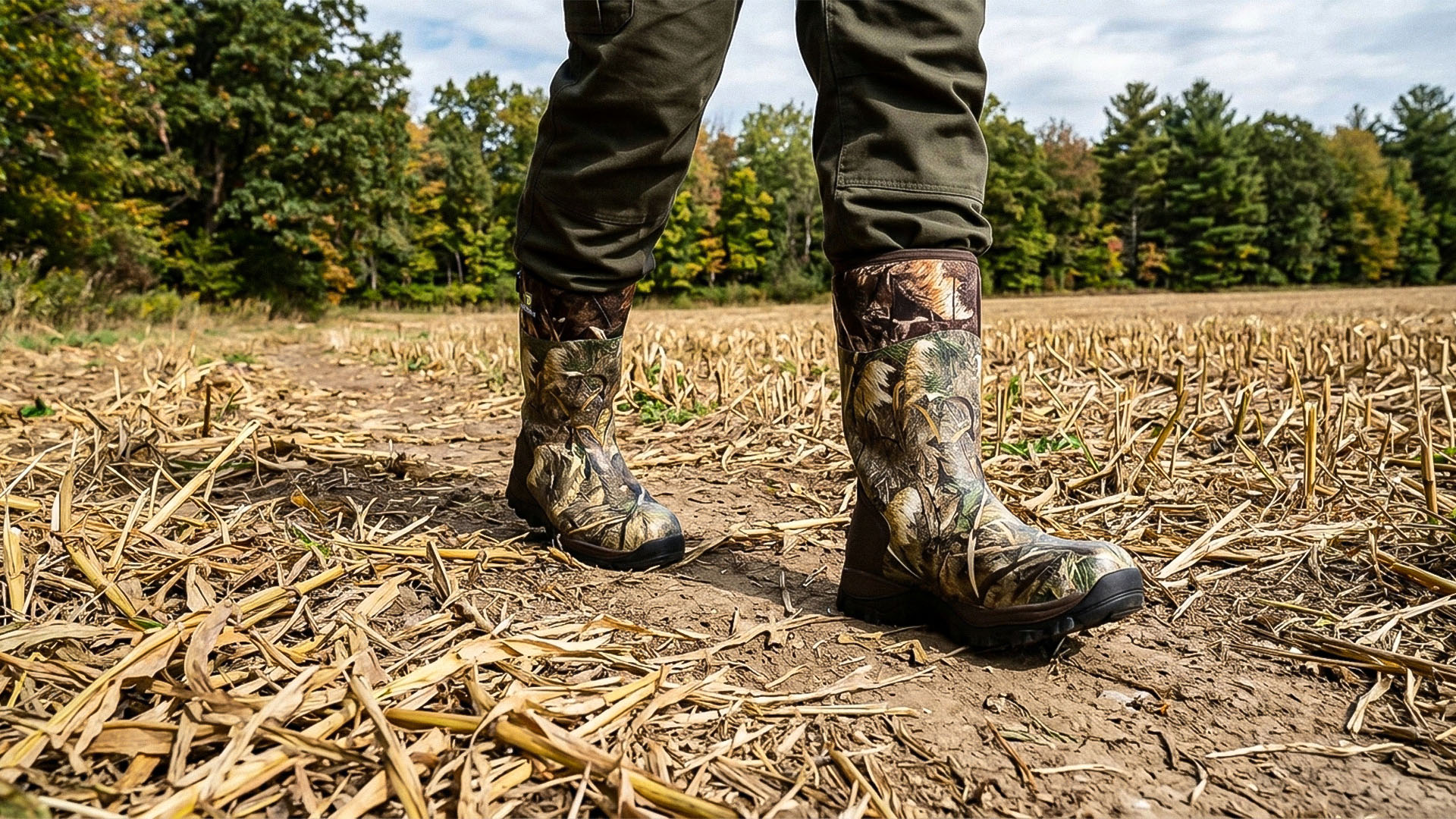
Hunters may benefit from waterproof hunting boots for desert upland hunting that provide secure heel retention, dependable traction, and enough protection for sharp Southwestern terrain without excessive weight.
Lightweight Boots Usually Work Well
Desert upland hunting rewards mobility.
Heavy insulated boots may cause:
- Fatigue
- Sweating
Waterproofing Is Still Useful
The desert is dry until it is not.
Rain can create:
- Mud
- Wet grass
- Shallow running washes
quickly.
Secure Heel Fit Prevents Blisters
Long miles across uneven ground expose poor fit fast.
Heel movement becomes painful.
Toe Protection Helps
Rock and cactus can punish lightweight footwear.
A durable toe area improves protection.
Traction Matters on Loose Gravel
Desert slopes can be covered with rolling stone.
Use controlled steps.
Wet Rock Can Become Slippery
After storms, smooth desert rock may lose traction quickly.
Mud Can Be Extremely Sticky
Clay-rich desert roads may accumulate thick mud on soles.
This increases:
- Weight
- Slipping
Clean Tread When Needed
Packed tread does not grip well.
Gaiters Can Be Very Useful
Gaiters help keep:
- Sand
- Gravel
- Grass seeds
- Mud
out of boots.
Desert Seeds Can Cause Constant Irritation
Seeds can work into:
- Socks
- Boots
- Dog fur
Check during the day.
Wash Banks Can Be Steep
Erosion may create sudden drops.
Do not jump down blindly.
Undercut Banks Can Collapse
What looks solid may be hollow underneath.
Stay back from unstable edges.
Flash Flooding Is a Serious Desert Hazard
A wash can go from dry to dangerous quickly.
Rain may be falling miles upstream.
Never Ignore Storm Clouds Upstream
If thunderstorms develop:
Move away from washes.
Do Not Camp or Wait in Drainage Bottoms During Flood Risk
Higher ground is safer.
Never Drive Through Moving Floodwater
Desert flash floods can move vehicles.
Turn around.
Dirt Roads Can Become Impassable After Storms
Access that was easy in the morning may be poor later.
Check weather and road conditions.
Avoid Damaging Wet Roads
Deep ruts create long-term problems.
Stay on legal routes.
Ranch Roads Can Be Valuable Access
Where legal, roads can help hunters reach:
- Wash systems
- Mesquite flats
- Grassland edges
Walk the Last Section
Vehicles can disturb birds.
Parking farther away may improve the hunt.
Navigation Is Important
One desert wash can look like another.
After several miles, orientation becomes difficult.
Offline Maps Are Useful
Download:
- Roads
- Washes
- Boundaries
- Topography
before the hunt.
Mark the Vehicle
A covey chase can pull hunters much farther than expected.
Save the parking location.
Carry a Headlamp
Late recovery in cactus country is difficult without light.
Night Walking Requires Extra Caution
Cactus and wash banks become harder to see after sunset.
Property Boundaries Can Be Hard to Recognize
Open desert may cross:
- Federal land
- State land
- Private ranch
without obvious visual differences.
Open Ground Does Not Equal Public Access
Use current land ownership information.
Private Ranches Require Permission
Respect rules involving:
- Gates
- Roads
- Dogs
- Livestock
- Water developments
Leave Gates As Directed
Do not automatically change gate position.
Livestock May Be Hidden in Washes
Cattle can disappear behind:
- Mesquite
- Terrain
Know the background.
Low-Flying Birds Require Strict Safety
Quail often flush close to the ground.
Never shoot toward:
- Dogs
- Hunters
- Livestock
- Roads
Brush Is Not a Safe Backstop
Sparse desert vegetation can hide animals or people beyond.
Open Country Allows Long Shot Travel
Know what lies far behind the bird.
Hunting With Partners Requires Spacing
In open desert, hunters may naturally spread out.
Maintain:
- Visibility
- Communication
- Safe shooting zones
Do Not Let One Hunter Drift Far Ahead
Low flushes make inconsistent spacing dangerous.
Pick One Bird During a Covey Rise
Many birds may flush at once.
Choose one clearly identified bird.
Do Not Shoot Into the Middle of the Covey
Target discipline improves safety and recovery.
Watch the Covey After the Flush
Follow birds visually.
They may land around:
- Mesquite
- Washes
- Cactus slopes
Use Multiple Landmarks
Desert vegetation repeats.
“Near the palo verde” is not enough.
Use:
- Wash bend
- Rock outcrop
- Fence post
- Hill
together.
Scattered Birds Can Become Easier
After a covey breaks apart, individual birds may hold more tightly.
Slow down in the landing zone.
But Singles May Still Run
Do not assume every bird will remain still.
Read dog behavior.
Dogs Can Be Very Helpful
Pointing dogs may help locate birds in:
- Wash vegetation
- Grass
- Mesquite
Dog Range Should Stay Practical
Open terrain tempts wide casts.
Cactus and running birds can make excessive range problematic.
A Dog Moving Rapidly May Be Following Runners
Slow the hunt rather than rushing behind.
Let the Dog Work
Repeated relocation can be normal.
Stay prepared.
Recovery Can Be Difficult
A small quail can disappear completely among:
- Cactus
- Rock
- Grass
Mark Every Bird
Do not focus on the rest of the covey until the fall is marked.
Dogs Improve Recovery
A trained dog can find birds in sparse-looking cover where humans struggle.
Cactus Complicates Recovery
Take the safe route.
Do not run into cholla.
Without a Dog, Search Methodically
Start at the marked location.
Work:
- Small circles
- Parallel passes
Birds May Run After Landing
Search beyond the visible fall point.
Species Identification Matters
Gambel’s quail range may overlap with other quail species in some areas.
Hunters should understand local identification.
Gambel’s Quail Have Distinctive Features
Study:
- Head plume
- Facial markings
- Body pattern
using official wildlife resources.
Females and Young Birds Look Different
Do not rely only on the adult male appearance.
Habitat Alone Is Not Identification
A quail in the Sonoran Desert is not automatically Gambel’s.
Confirm visually.
Regulations Vary by Jurisdiction
Before hunting, verify current official:
- Season dates
- Daily limits
- Possession limits
- License requirements
- Legal methods
- Public-land restrictions
Different Quail Species May Have Different Rules
Do not assume all local quail share identical regulations.
Public Lands May Limit Vehicle Use
Desert soil can be easily damaged.
Stay on authorized roads and trails.
Special Closures May Apply
Wildlife refuges, parks, military lands, and other special areas can have different access rules.
Check before hunting.
Habitat Conservation Is Closely Tied to Rainfall
Desert bird populations can respond strongly to:
- Drought
- Monsoon success
- Vegetation production
Wet Years Can Look Completely Different
More rainfall may produce:
- More grass
- More insects
- Better cover
Drought Can Reduce Habitat Quality
When water and food decline, bird distribution may become more concentrated.
Do Not Judge Every Year by the Last
Desert habitat changes dramatically.
Scout current conditions.
Healthy Washes Matter to Many Species
Desert drainages support:
- Quail
- Rabbits
- Songbirds
- Reptiles
- Other wildlife
Protect Water Developments
Never disturb structures maintained for wildlife or livestock.
Avoid Off-Road Damage
Vehicle tracks can damage desert soil for years.
Use designated access.
Pick Up All Trash
Leave no:
- Food wrappers
- Shell packaging
- Dog supplies
behind.
Common Gambel’s Quail Hunting Mistakes
Ignoring Desert Washes
They often connect the most useful habitat.
Chasing Running Birds Too Fast
Coveys may simply keep moving ahead.
Hunting Only Around Permanent Water
Rain can spread birds across new habitat.
Underestimating Cactus
Hunters and dogs can both be affected badly.
Carrying Too Little Water
Desert distance and dry air cause rapid dehydration.
Wearing Heavy or Poorly Fitting Boots
Long desert walks reward lightweight, secure footwear.
Failing to Mark Covey Landing Areas
Repeated vegetation makes relocation difficult.
Assuming Every Desert Quail Has the Same Rules
Species and land regulations vary.
Frequently Asked Questions
Where do Gambel’s quail usually live?
Gambel’s quail commonly use Southwestern desert habitat containing washes, mesquite, palo verde, cactus, brushy slopes, grass, and other vegetation providing food, shade, and escape cover.
Are desert washes good places to hunt Gambel’s quail?
Yes. Washes can provide denser vegetation, shade, travel corridors, food, and temporary water, making them one of the most useful habitat features.
Do Gambel’s quail run before flushing?
They often do. Coveys may move rapidly through low vegetation and washes before finally taking flight.
Is Gambel’s quail hunting good after rain?
Rain can improve plant growth, insects, mud tracking conditions, and temporary water, but it may also spread birds farther across the landscape.
What boots are best for Gambel’s quail hunting?
Lightweight waterproof hunting boots with secure heel fit, durable toe protection, dependable traction on loose rock and mud, and enough comfort for long desert walks are practical.
Can dogs help hunt Gambel’s quail?
Yes. Pointing dogs can help locate coveys, but cactus, heat, sharp rock, limited natural water, grass seeds, and running birds require careful range control and frequent checks.
Do Gambel’s quail need permanent water?
Water can influence habitat use, especially during dry periods, but recent rainfall and temporary water can change how closely birds depend on permanent sources.
Do Gambel’s quail hunting regulations vary?
Yes. Seasons, limits, licenses, legal methods, vehicle access, and public-land rules differ by jurisdiction. Hunters should verify current official regulations before hunting.
Final Thoughts
Gambel’s quail hunting teaches hunters that the desert is not empty.
It is organized around small lines of life.
One wash grows taller vegetation.
One palo verde provides shade.
One mesquite grove gives a covey security.
One rainstorm fills temporary pools.
One cactus-covered bank finally stops birds that have been running for two hundred yards.
Those details define the hunt.
Follow the washes.
Look for shade.
Read fresh tracks after rain.
Slow down when birds begin running.
Carry more water than you think you need.
Check dogs constantly for cactus and grass seeds.
Respect desert roads and water developments.
Wear boots that let you cross sand, gravel, loose rock, cactus flats, wet mud after storms, and miles of Southwestern country without making your feet the limiting factor.
And when an entire covey suddenly erupts from the edge of a wash that looked completely empty seconds earlier, remember the lesson.
The desert was never empty.
You simply had to learn which lines of the desert the birds were following.
