
Blue-winged teal can make a tiny wetland feel faster than the entire sky.
The marsh looks quiet.
Water is only ankle deep.
Mud surrounds short vegetation.
A few narrow channels break through flooded grass.
Then several teal appear almost at water level.
They cross the marsh.
Turn once.
Drop toward an opening.
Seconds later, they are gone.
That speed is what defines early teal hunting.
These small ducks often arrive before many hunters mentally switch into waterfowl season.
Temperatures may still feel like summer.
Mosquitoes remain active.
Marsh vegetation is green.
And some of the best water may be only a few inches deep.
Successful teal hunters learn to think differently from hunters searching for traditional deep-water duck habitat.
They focus on:
- Shallow water
- Mud
- Seeds
- Flooded vegetation
- Rice fields
- Wetland edges
- Protected pockets
The best teal water is often not the biggest water.
It is the water that combines food with easy access and shallow feeding habitat.
Blue-Winged Teal Are Early Migrants
Blue-winged teal are among the earlier-moving North American ducks during seasonal migration.
This means teal hunters often deal with conditions very different from late-season waterfowl hunting.
Expect:
- Warm mornings
- Humidity
- Insects
- Green vegetation
- Shallow wetlands
Heavy winter systems are often unnecessary.
Mobility matters more.
Shallow Water Is One of the Biggest Habitat Clues
Blue-winged teal commonly use relatively shallow wetland environments.
Productive habitat may include:
- Flooded grass
- Shallow marsh
- Muddy pond edges
- Agricultural wetlands
- Rice fields
- Managed impoundments
A wetland does not need deep water to be useful.
Several inches may be enough to attract feeding birds.
Do Not Automatically Search the Deepest Pond
Deep open water may hold ducks.
But teal frequently use the edges and shallow pockets.
Search where:
- Vegetation emerges
- Mud becomes flooded
- Water depth decreases
Those transitions often provide better feeding conditions.
Mud Edges Can Be Extremely Productive
When water slowly recedes, fresh mud becomes exposed.
This can create concentrated food around:
- Seeds
- Invertebrates
- Shallow vegetation
Watch the line where mud and water meet.
Falling Water Can Improve Feeding Habitat
A wetland that was too deep several weeks ago may become excellent as water drops.
Newly exposed or shallow areas can attract teal rapidly.
Wetland conditions are always changing.
Rising Water Creates New Habitat Too
Rain can flood:
- Grass
- Agricultural vegetation
- Low fields
that were previously dry.
Teal may quickly move into these newly available areas.
Follow the Water Level
One of the most valuable teal scouting habits is tracking changing water depth.
A productive wetland can shift tens or hundreds of yards as water rises or falls.
Flooded Rice Fields Can Be Excellent
In regions where rice agriculture overlaps teal migration, flooded rice systems can provide:
- Shallow water
- Grain
- Aquatic food
- Open feeding space
where lawful access exists.
Not Every Rice Field Hunts the Same
Birds may prefer one field because it offers:
- Better water depth
- More food
- Less disturbance
- Better nearby refuge
Scout actual bird use.
Do not assume every flooded field will hold teal.
Water Depth Within One Field Can Vary
A rice field that appears flat may contain:
- Slight depressions
- Higher strips
- Drainage channels
These small elevation differences can determine where birds feed.
Watch Where Birds Actually Land
When scouting, do not simply count teal.
Study:
- Entry direction
- Landing pocket
- Water depth
- Vegetation
Repeated landings in one part of a field reveal much more than total bird numbers.
Field Corners Can Be Productive
Water and seed may accumulate in:
- Low corners
- Drainage edges
creating attractive feeding zones.
These small pockets can receive disproportionate bird activity.
Agricultural Drainage Channels Matter
Rice and other wet agricultural systems often contain:
- Ditches
- Canals
- Drainage cuts
These can influence bird movement and hunter access.
Scout them in daylight.
Ditches Can Be Much Deeper Than the Field
A shallow flooded field may contain a channel several feet deeper.
Never assume water depth remains consistent.
Managed Wetlands Can Be Ideal
Wildlife management areas and private wetland projects may create shallow seasonal impoundments designed to support migratory birds.
These areas can be excellent teal habitat.
Moist-Soil Wetlands Can Produce Natural Food
Managed wetlands may support seed-producing plants that teal use during migration.
The combination of:
- Shallow water
- Seeds
- Open feeding pockets
can be highly attractive.
Vegetation Diversity Is Better Than One Solid Wall
A wetland containing:
- Open water pockets
- Short emergent vegetation
- Mud edges
- Dense cover
provides multiple habitat types.
This diversity can concentrate birds.
Teal Like Small Openings
A large solid stand of cattails may provide little landing room.
Small openings within vegetation create:
- Feeding space
- Landing zones
- Visibility
Watch these pockets carefully.
Pond Edges Can Hold Teal
Farm ponds and shallow reservoirs may attract birds where:
- Mud is exposed
- Vegetation is short
- Water is protected
The middle of the pond is not always the best zone.
Recently Flooded Pastures Can Be Productive
Heavy rain may create temporary shallow water across:
- Pastures
- Low agricultural fields
Teal may use these areas while conditions last.
Temporary Water Can Disappear Quickly
A productive flooded field may dry within days.
Early teal habitat can be highly temporary.
Scout frequently.
Migration Can Change Overnight
A marsh holding only a few teal can suddenly contain many more birds after favorable migration conditions.
Likewise, birds may leave quickly.
Recent scouting is essential.
Scout Close to the Hunt
Information from two weeks ago can be nearly useless.
Water changes.
Migration changes.
Pressure changes.
Try to know what happened recently.
Early Morning Observation Helps
Watch wetlands before hunting pressure increases.
You can learn:
- Bird numbers
- Flight direction
- Preferred pools
without walking through the habitat.
Evening Scouting Can Reveal Resting Areas
Teal may move between feeding and resting wetlands.
Watching evening movement can help explain the entire local system.
Do Not Disturb Every Roost
Repeatedly pushing birds from secure resting water can alter local patterns.
Where practical, hunt feeding or travel areas rather than constantly disturbing core refuge habitat.
Small Wetlands Can Hold Surprising Numbers
A shallow pond only a few acres in size may hold significant teal during migration.
Never judge habitat only by acreage.
Big Water Can Be Too Open
Large reservoirs may offer plenty of water but relatively little shallow feeding habitat.
Focus on:
- Back bays
- Mud flats
- Protected coves
- Vegetated edges
Protected Water Can Be Better During Wind
Strong winds may push birds toward:
- Leeward shorelines
- Sheltered pockets
Search areas where water remains calmer.
Wind Changes Landing Direction
Teal often adjust approaches according to wind.
A setup that worked yesterday may need to move after the wind changes.
Watch the Birds, Not the Forecast Alone
Weather predictions help.
Actual bird approach tells you what matters on that wetland.
Fast Flight Defines Teal Hunting
Blue-winged teal are small and quick.
They can cross a small marsh in seconds.
Hunters must stay alert.
They May Arrive Low
Teal often move close to the water.
This makes:
- Partner awareness
- Dog awareness
- Background safety
especially important.
Low Birds Demand Discipline
Never shoot toward:
- Other hunters
- Dogs
- Roads
- Buildings
even when the bird offers a brief opportunity.
Establish Safe Shooting Zones
Before legal shooting time, partners should know:
- Positions
- Safe directions
- No-shoot areas
Dense marsh vegetation can hide people quickly.
Do Not Change Positions Without Communicating
A hunter moving fifty yards through grass may become completely invisible.
Tell partners before relocating.
Small Ducks Create Fast Identification Decisions
Early-season plumage can make identification challenging.
Hunters should study current identification resources before hunting.
Blue-Winged Teal Identification Matters
Learn features such as:
- Wing pattern
- Body size
- Head characteristics
- Flight style
using official waterfowl identification resources.
Do Not Identify Only by Size
Other small ducks may overlap in habitat.
Positive species identification remains essential.
Low-Light Conditions Make Identification Harder
Sunrise marsh hunting can reduce visible detail.
If the bird cannot be identified confidently:
Let it pass.
Multiple Teal Species May Occur Together
Depending on region and migration timing, hunters may encounter other teal.
Know which species are legal under current regulations.
Habitat Does Not Equal Identification
A small duck in shallow water is not automatically a blue-winged teal.
Use actual physical characteristics.
Calls Can Provide Supporting Clues
Vocalizations may help hunters recognize approaching birds.
But sound does not replace visual identification.
Decoy Strategy Should Match the Habitat
In small wetlands, the larger lesson is not carrying huge numbers of decoys.
It is creating enough open water and visibility where birds already want to land.
Do Not Overfill Tiny Pockets
A small opening can become visually crowded quickly.
Leave clear landing space.
Birds Often Show You the Best Hole
During scouting, watch where they naturally settle.
That location already answers many setup questions.
Natural Food Is More Important Than Extra Equipment
A wetland containing the right food and depth often attracts birds without complicated setups.
Habitat comes first.
Travel Light During Early Season
Warm temperatures make heavy gear uncomfortable.
Shallow wetlands may require only a compact setup.
Mobility improves scouting and access.
Heat Can Be One of the Biggest Challenges
Early teal seasons often occur during warm weather.
Hunters walking through marsh mud can overheat quickly.
Carry water.
Humidity Makes Heat Worse
Wetlands can feel extremely humid.
Sweat evaporates less efficiently.
Take breaks.
Heavy Waterproof Clothing Can Trap Heat
Choose breathable layers appropriate for the weather.
Late-season waterfowl clothing may be excessive.
Teal Hunting Footwear Should Match Early-Season Conditions
A typical hunt may involve:
- Warm temperatures
- Shallow water
- Wet grass
- Mud
- Flooded fields
- Drainage ditches
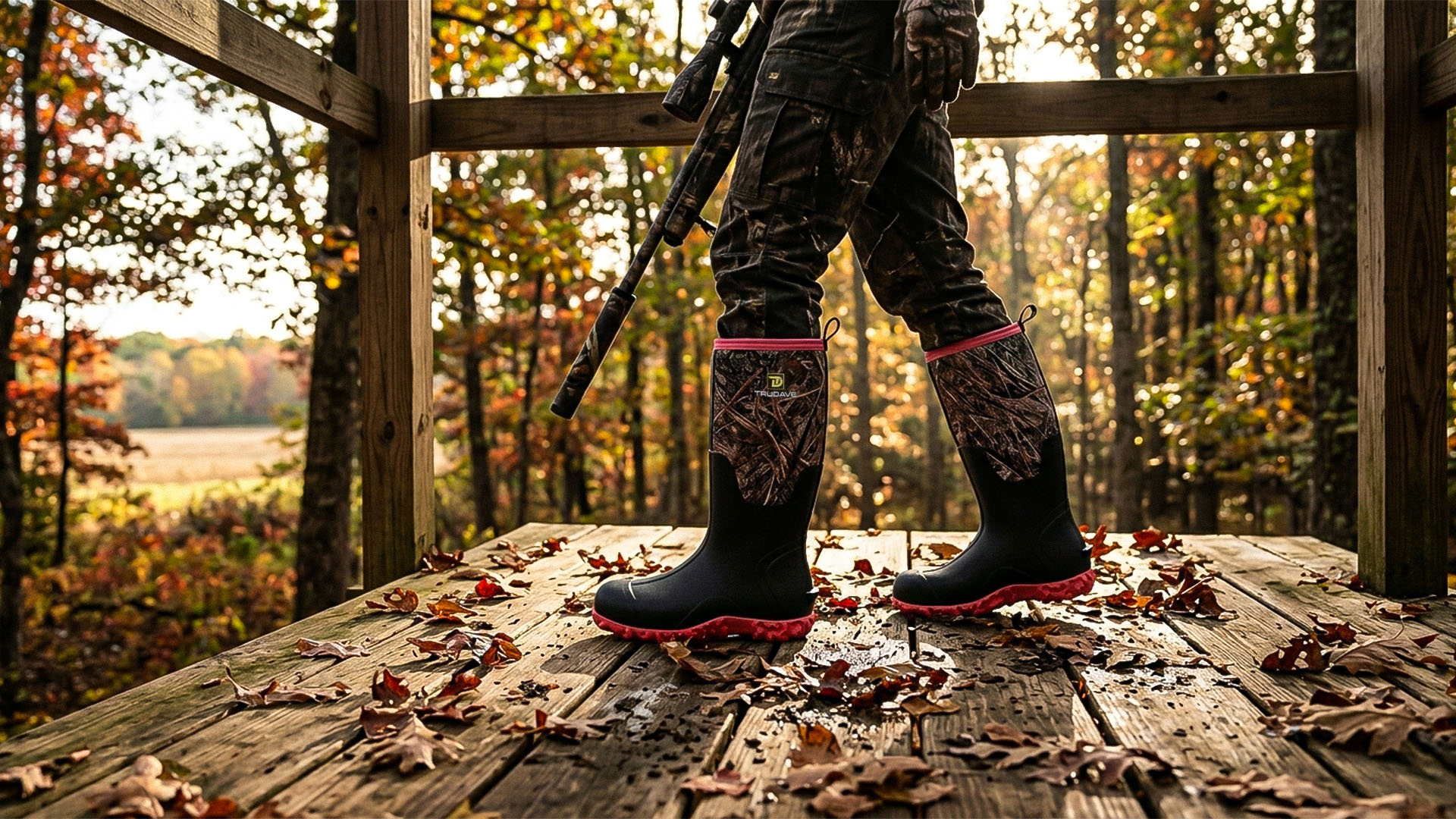
Hunters may benefit from waterproof hunting boots for early teal hunting that provide secure heel retention, dependable mud traction, and enough waterproof protection for shallow wetlands without excessive insulation.
Tall Rubber Boots Can Be Excellent
Where water remains below boot height, rubber hunting boots provide:
- Waterproofing
- Mud protection
- Easy cleanup
They can be ideal for shallow marsh edges.
Too Much Insulation Can Be Uncomfortable
Early teal hunts may be hot.
Heavy insulated boots can cause:
- Sweating
- Blisters
- Unnecessary fatigue
Choose insulation for actual temperature.
Lightweight Waterproof Boots Can Work on Firmer Ground
If most access involves:
- Levees
- Farm roads
- Wet grass
with limited standing water, lighter waterproof boots may be more comfortable.
Waders May Be Necessary in Deeper Water
Some wetlands require water crossings above normal boot height.
Appropriately fitted hunting waders can provide the necessary protection.
Do Not Automatically Wear Heavy Waders Everywhere
If the entire hunt involves six inches of water and hot weather, unnecessarily heavy gear can increase fatigue.
Scout depth first.
Waders Do Not Make Deep Water Safe
They provide waterproof protection.
They do not protect against:
- Hidden channels
- Deep mud
- Sudden drop-offs
Route choice remains important.
Mud Can Be the Hardest Part of the Hunt
Soft marsh bottom creates suction.
Every step requires extra energy.
A short walk can become exhausting.
Tight Heel Fit Helps in Mud
Loose boots may pull partially off with every step.
Secure footwear saves energy.
Never Force a Boot Out of Deep Mud Quickly
A sudden pull can affect balance.
Shift weight gradually.
Use stable support.
Walking Sticks Can Help
A sturdy stick can test:
- Mud depth
- Water depth
- Bottom firmness
before stepping.
Hidden Channels Are Common
Managed wetlands and agricultural fields may contain:
- Drainage ditches
- Irrigation cuts
- Natural channels
Scout them during daylight.
Grass Can Hide Water Depth
Flooded vegetation makes depth difficult to judge.
Do not follow another hunter blindly.
Check your own footing.
Submerged Crop Rows Can Be Uneven
Flooded agricultural ground may contain:
- Furrows
- Wheel ruts
underwater.
Move slowly.
Levees Offer Easier Access
Managed wetlands often contain raised levees.
These can provide firm travel.
But they may also have property or access restrictions.
Follow posted rules.
Wet Levees Can Still Be Slick
Clay surfaces become extremely slippery after rain.
Good traction matters.
Gaiters Can Help Around Wet Grass
Where standing water remains shallow, gaiters can reduce moisture and vegetation entering boots.
Wet Vegetation Can Soak Clothing
Even when water stays below the knee, flooded grass can soak pants.
Choose suitable outerwear.
Insects Can Be Severe
Early teal habitat often contains:
- Mosquitoes
- Biting flies
Use appropriate repellent and clothing.
Mosquitoes Can Be Worse Before Sunrise
Hunters sitting still near warm shallow water can experience intense insect pressure.
Plan protection before arriving.
Ticks May Occur Along Access Trails
Tall grass around levees and field edges can hold ticks.
Use appropriate prevention.
Snakes May Still Be Active
Warm early seasons mean snakes can remain active around:
- Water edges
- Levees
- Grass
Know local species and watch footing.
Do Not Reach Blindly Into Marsh Vegetation
Use caution around unseen wildlife and debris.
Thunderstorms Can Be Dangerous
Early-season weather may include:
- Lightning
- Heavy rain
- Strong wind
Wetlands often provide little shelter.
Do Not Stay Exposed During Lightning
Leave open water and exposed levees according to severe-weather safety guidance.
Heavy Rain Can Flood Access Routes
A field road that was dry at arrival may become impassable.
Think about the route out.
Farm Roads Are Easy to Damage
If private agricultural access becomes soft:
Do not create deep ruts.
Follow landowner instructions.
Private Rice Fields Require Clear Permission
Productive agricultural waterfowl habitat is often private.
Clarify:
- Parking
- Field boundaries
- Water access
- Retrieval permission
before hunting.
Do Not Adjust Water-Control Structures
Rice and managed wetlands may use:
- Gates
- Pumps
- Boards
- Levees
Never alter them without authorization.
Water Management Is Part of the Farm
Damaging infrastructure can affect:
- Crops
- Habitat
- Future permission
Respect every structure.
Public Wetlands May Have Special Rules
Managed wildlife areas can regulate:
- Entry time
- Parking
- Draws
- Blinds
- Boats
- Hunting days
Check the exact property.
Do Not Assume General State Rules Are the Only Rules
Property-specific regulations may be more restrictive.
Review both.
Blue-Winged Teal Are Migratory Game Birds
Hunters should verify current official regulations covering:
- Season dates
- Daily bag limits
- Possession limits
- Legal shooting hours
- Species restrictions
- Required licenses and stamps
- Approved ammunition
- Property-specific rules
before hunting.
Special Teal Seasons May Have Specific Rules
Some jurisdictions may structure early teal opportunities differently from regular duck seasons.
Do not assume regular-season regulations apply unchanged.
Species Restrictions Require Extra Attention
When an early season is limited to specific species, accurate identification becomes even more important.
Non-Toxic Ammunition Requirements Apply to Waterfowl Hunting
Verify current federal, state, provincial, or local requirements as applicable.
Use only legal ammunition.
Shooting Hours Need to Be Confirmed
Do not begin simply because neighboring hunters start shooting.
Know the legal time yourself.
Migratory Bird Regulations Can Change Annually
Use the current season’s official material.
Old screenshots and previous-year summaries are not enough.
Boats Can Help on Larger Wetlands
Where legal, small shallow-water boats may improve access.
But early-season heat can encourage hunters to underestimate boating hazards.
Wear Appropriate Flotation Equipment
Shallow marshes can contain deep channels.
Follow current boating-safety requirements.
Do Not Overload Small Boats
Hunters, dogs, decoys, and gear add weight quickly.
Respect capacity limits.
Muddy Launches Can Be Difficult
A boat ramp or field edge may become slick after rain.
Use caution.
Dogs Can Be Valuable for Recovery
Teal are small.
A trained retriever can help recover birds in:
- Flooded grass
- Rice
- Marsh vegetation
Early-Season Heat Is Serious for Dogs
Warm water does not mean safe working conditions.
Dogs can overheat rapidly.
Provide:
- Water
- Shade
- Rest
Watch Panting and Coordination
Signs of heat stress require immediate attention.
Do not push a dog simply because birds are flying.
Carry Clean Drinking Water
Do not assume flooded agricultural water is safe for dogs to drink.
Bring clean water.
Mud Is Exhausting for Dogs
Swimming may be easier than repeatedly pushing through sticky bottom.
Monitor fatigue.
Hidden Channels Can Surprise Dogs Too
Scout retrieval areas.
Do not send a dog blindly into unknown water.
Rice Stubble Can Affect Paws
Flooded agricultural vegetation may contain rough stems.
Check feet after hunts.
Warm Conditions Increase Other Wildlife Risks
Depending on region, dogs may encounter:
- Snakes
- Insects
Maintain awareness.
Recovery Begins the Moment a Bird Falls
Small teal can disappear quickly in:
- Flooded grass
- Rice
- Mud-edge vegetation
Mark every fall.
Do Not Watch the Next Flock Before Marking the First Bird
Pick a fixed reference immediately.
Recovery comes first.
Use Multiple Landmarks
Choose:
- Levee marker
- Tree
- Vegetation gap
- Open-water edge
to locate the fall.
Water Can Move Birds
Even slight current or wind may shift a downed bird.
Account for movement during recovery.
Dense Vegetation Hides Birds Completely
A teal can disappear beneath:
- Grass
- Rice stems
- Floating vegetation
even in shallow water.
Let the Dog Work Before Trampling the Area
Where a trained retriever is used, avoid turning the entire fall zone into human footprints first.
Without a Dog, Search Methodically
Begin at the marked point.
Work:
- Parallel lines
- Small expanding circles
according to habitat.
Recovery Conditions Should Affect Shot Selection
A low bird crossing toward:
- Deep channel
- Impenetrable vegetation
- Unauthorized property
may create a poor recovery situation.
Passing is always better than creating unnecessary loss.
Warm Weather Makes Game Care Important
Early teal seasons can be hot.
Harvested birds should be kept:
- Clean
- Cool
as soon as practical.
Do Not Leave Birds in Direct Sun
Shade alone may not be enough during high temperatures.
Use suitable cooling.
Bring Cooling Equipment Before the Hunt
Do not wait until after success to think about game care.
Wet Birds Still Need Clean Handling
Marsh mud and agricultural water can contaminate game.
Use appropriate storage and hygiene.
Habitat Conservation Matters
Shallow wetlands support far more than teal.
They can provide habitat for:
- Other waterfowl
- Shorebirds
- Amphibians
- Aquatic wildlife
Temporary Wetlands Are Valuable Too
A seasonal pond that disappears later may still provide critical migration habitat for a short period.
Water Management Shapes Migration Habitat
Properly managed shallow wetlands can provide food exactly when migrating birds need it.
Agricultural Wetlands Can Support Wildlife and Farming
Rice landscapes and managed water systems may create important seasonal habitat where practices are compatible.
Hunters Depend on Healthy Wetlands
Protecting wetlands protects future waterfowl hunting opportunities.
Common Blue-Winged Teal Hunting Mistakes
Searching Only Deep Water
Teal often prefer shallow feeding habitat.
Ignoring Mud and Vegetation Edges
Transitions can hold the highest bird activity.
Using Old Scouting Information
Migration and water levels change rapidly.
Wearing Heavy Late-Season Gear
Early teal hunts can be extremely warm.
Using Boots That Are Too Loose in Mud
Suction makes poor fit exhausting.
Entering Unknown Flooded Fields Before Scouting
Hidden channels and ditches create hazards.
Underestimating Dog Heat Stress
Early-season temperatures can be dangerous.
Assuming Early Teal Rules Are Identical to Regular Duck Season
Always verify the exact current regulations.
Frequently Asked Questions
Where do blue-winged teal usually live during migration?
Blue-winged teal commonly use shallow marshes, flooded grass, mud-edge wetlands, managed impoundments, rice fields, ponds, and other shallow feeding habitat.
Are shallow wetlands good for teal hunting?
Yes. Shallow water mixed with vegetation and mud can provide excellent feeding habitat and may be more attractive than deep open water.
Are flooded rice fields good for blue-winged teal?
They can be excellent where appropriate water depth, food, limited disturbance, and lawful hunting access coincide.
Is teal hunting good after rain?
Rain can create newly flooded habitat and change water depth rapidly. After significant rainfall, hunters should rescout because birds may shift into newly available areas.
What boots are best for early teal hunting?
Lightweight waterproof hunting boots or tall rubber boots with secure heel fit and strong mud traction can work well in shallow wetlands. Deeper habitat may require appropriately fitted hunting waders.
Are waders always necessary for teal hunting?
No. Some early teal habitat is only ankle- or boot-deep. Equipment should match actual water depth, temperature, mud, and access conditions.
Why is scouting important for blue-winged teal?
Migration can change quickly, and teal often concentrate in specific shallow feeding pockets. Recent observation reveals which wetlands and field sections birds are actually using.
Do early teal regulations differ from regular duck seasons?
They can. Hunters should verify the current official season structure, legal species, limits, shooting hours, licenses, stamps, ammunition rules, and property restrictions before hunting.
Final Thoughts
Blue-winged teal hunting teaches hunters that the depth of the water does not determine the quality of the wetland.
One shallow rice corner holds food.
One muddy edge exposes seeds.
One flooded grass pocket attracts an entire group.
One small protected marsh fills with birds overnight during migration.
Then the water rises.
Or falls.
Or the birds keep moving south.
Everything changes again.
That is why teal hunters need to stay mobile.
Scout recently.
Watch water levels.
Find mud edges.
Look for newly flooded vegetation.
Pay attention to wind.
Keep early-season heat in mind.
Wear boots that let you cross wet grass, sticky mud, shallow marsh, flooded fields, and levees without carrying unnecessary weight or insulation.
And when a group of blue-winged teal suddenly appears inches above a wetland that looked completely empty, remember the lesson:
Early teal hunting is not about finding the deepest water.
It is about finding shallow water at exactly the right time.
