
Gambel’s quail country can look deceptively open.
Rock.
Cactus.
Mesquite.
Palo verde.
Dry washes cutting through the desert.
There does not appear to be enough cover to hide a covey.
Then a hunter spots several birds feeding beside a wash.
He moves closer.
The birds disappear.
No flush.
No wings.
Nothing.
A minute later, twenty Gambel’s quail explode from brush fifty yards farther ahead.
That is one of the defining frustrations of desert quail hunting.
Gambel’s quail are excellent runners.
They use washes, cactus, brush, and tiny terrain changes to stay ahead of hunters before finally deciding to fly.
Successful hunting is rarely about covering the most desert.
It is about understanding where a covey wants to feed, where it runs when pressured, and which pieces of cover eventually make the birds stop.
Gambel’s Quail Are Desert Specialists
Gambel’s quail are strongly associated with the desert Southwest.
Productive habitat may include:
- Sonoran Desert
- Mesquite flats
- Palo verde
- Desert washes
- Cactus country
- Brushy foothills
- Agricultural desert edges
- Riparian corridors
The best habitat normally contains more than open desert.
Coveys need:
- Food
- Water
- Shade
- Escape cover
- Ground-level travel structure
A flat cactus plain may look promising.
A wash running through that same plain can be much more valuable.
Desert Washes Are One of the Best Places to Start
A dry wash creates a natural corridor.
It often contains more vegetation than surrounding ground.
You may find:
- Mesquite
- Palo verde
- Desert shrubs
- Grasses
- Seed-producing plants
The wash also allows birds to move while remaining partially concealed.
When scouting a large desert property, find the drainage network first.
Those washes can shrink thousands of acres into a manageable hunting plan.
Small Side Washes Matter Too
Hunters often focus on the biggest drainage.
Gambel’s quail may use smaller tributaries connecting:
- Feeding areas
- Roost cover
- Water
- Larger washes
Pay attention to intersections.
Where two washes meet, habitat density often increases.
That can create excellent covey locations.
Coveys Often Run Along the Wash
Once pressured, birds may move rapidly through the drainage rather than immediately fly.
That creates a common hunting mistake.
The hunter simply follows behind.
The birds continue running.
Distance never closes.
Instead, use terrain to change the angle.
If possible, move toward:
- Side cover
- Wash bends
- Brush bottlenecks
- Hillside exits
Try to anticipate where the birds are going rather than following where they were.
Watch for Birds Leaving the Wash
A covey pressured heavily inside one drainage may climb onto:
- Cactus slopes
- Rocky benches
- Brushy side hills
Watch both sides.
The wash is a travel corridor.
It is not necessarily where every bird will flush.
Mesquite Provides Important Cover
Mesquite can offer:
- Shade
- Seed resources
- Concealment
- Roosting structure
Coveys may feed beneath mesquite and retreat into denser brush when disturbed.
Look for tracks and droppings around productive trees.
A line of mesquite following a wash can become a natural quail highway.
Palo Verde Adds Structure
Palo verde and other desert trees provide shade and overhead protection.
Birds may loaf beneath them during warmer parts of the day.
Do not scan only the ground.
Look beneath the darkest tree shadows.
A whole covey can remain almost invisible until it starts moving.
Cactus Is More Than an Obstacle
Prickly pear and other cactus provide important structure.
They create:
- Security
- Shade
- Feeding habitat around nearby vegetation
Quail may use cactus patches because predators and hunters dislike moving through them.
That inconvenience is part of the habitat value.
Avoid Walking Straight Through Every Cactus Patch
You do not need to destroy your legs to hunt effectively.
Work:
- Edges
- Open lanes
- Washes
- Cactus gaps
Let dogs search appropriately where safe.
A good route keeps you near productive cover without forcing every step through spines.
Food Changes With Rainfall
Desert bird populations are heavily influenced by moisture and plant production.
Rain can increase:
- Seeds
- Green vegetation
- Insects
- Water availability
A wet year may create much better conditions than a severe drought year.
Hunters should expect quail distribution and numbers to vary.
The desert is dynamic.
Summer Rain Can Shape Fall Hunting
Monsoon rainfall can influence habitat well before hunting season.
Good moisture may improve:
- Brood habitat
- Insect production
- Seed availability
- Vegetation structure
When scouting, notice which areas responded best.
Greener washes and productive seed zones may support more birds later.
After Rain, Tracks Become Easier to Read
Fresh mud around:
- Washes
- Water
- Roads
- Springs
can reveal current bird activity.
Look for small clustered tracks rather than one isolated print.
A covey leaves a very different pattern from a single bird.
Fresh tracks help confirm whether good-looking habitat is actually being used.
Water Can Concentrate Birds During Dry Periods
In arid environments, water becomes especially valuable.
Possible sources include:
- Springs
- Stock tanks
- Wildlife guzzlers
- Creek pools
- Irrigation areas
But hunting directly beside water may not always be the best strategy.
Instead, study the travel routes connecting water to:
- Feeding areas
- Roosting cover
- Washes
The transition can produce better hunting opportunities.
Temporary Water Can Change Old Patterns
After storms, birds may gain access to temporary water.
That can reduce use of one traditional source.
If your reliable location suddenly looks empty after heavy rain, the birds may simply have more options.
Rescout.
Early Morning Is Often Productive
Cool morning conditions encourage movement.
Birds may leave roosting locations and begin feeding through:
- Washes
- Grass
- Seed patches
- Open desert edges
This is a good time to listen and watch.
Coveys can be surprisingly vocal.
Listen for Covey Sounds
Gambel’s quail make distinctive calls.
Early morning and evening vocalization can help hunters locate birds.
Stop regularly.
Turn off unnecessary movement.
Listen.
Sound can reveal a covey hidden completely by brush.
Calls Are Scouting Information
Hearing birds tells you:
- Covey location
- General direction
- Habitat being used
Do not immediately charge toward every call.
Watch and listen long enough to understand movement.
A thoughtful approach works better than a noisy pursuit.
Midday Birds Seek Shade
As temperatures rise, Gambel’s quail may concentrate near:
- Thick mesquite
- Brush
- Wash banks
- Shaded cactus
- Riparian vegetation
This can actually reduce the amount of habitat you need to search.
Look for the coolest cover.
Hot Weather Changes Dog Work
Dogs can struggle quickly in desert heat.
Even moderate temperatures can become dangerous during intense activity.
Hunt early.
Carry water.
Watch for:
- Excessive panting
- Weakness
- Reduced coordination
- Loss of focus
Stop before the dog becomes overheated.
Carry More Water Than You Think
Desert air removes moisture quickly.
Hunters often underestimate dehydration because sweat evaporates.
Carry water for:
- Hunter
- Dog
Do not depend completely on natural desert sources.
Dry Air Makes Long Walks Deceptive
A five-mile quail hunt may not feel extreme at first.
Add:
- Sand
- Loose rock
- Heat
- Cactus detours
and energy disappears quickly.
Plan routes realistically.
Gambel’s Quail Prefer Running Until They Feel Trapped
One reason these birds are difficult is their tendency to run.
A covey may stay ahead for hundreds of yards.
They often flush when:
- Cover ends
- Hunters change angle
- Dogs pressure them
- Terrain narrows
Understanding this behavior helps hunters create opportunities instead of simply following tracks.
Try to Pin Birds Against Habitat Changes
Potential stopping features include:
- End of a wash
- Open slope
- Road
- Rock wall
- Sparse vegetation
The goal is not trapping birds dangerously.
It is predicting where continued running becomes less attractive.
That is where a flush becomes more likely.
Use Two Hunters Carefully
Two hunters can sometimes work parallel sides of a broad wash.
This reduces the birds’ ability to simply run around one person.
Maintain:
- Clear spacing
- Safe shooting zones
- Constant awareness
Never allow hunters to converge blindly.
Dogs Can Be Extremely Effective
Pointing and flushing dogs can both help locate desert quail.
A dog may reveal:
- Running coveys
- Hidden singles
- Birds holding beneath brush
However, dog range should remain appropriate to terrain and visibility.
Cactus and heat make control especially important.
Watch the Dog for Subtle Changes
A running covey can create confusing scent.
The dog may:
- Become birdy
- Relocate
- Lose scent
- Pick it up farther ahead
Do not force a point.
Let the dog work.
The birds may be moving faster than expected.
Desert Ground Is Hard on Paws
Dogs may encounter:
- Sharp rock
- Sand
- Cactus
- Thorns
Check paws during the hunt.
Look for:
- Cuts
- Spines
- Abrasions
- Limping
Condition dogs gradually before long desert days.
Cactus Spines Require Immediate Attention
Prickly pear and cholla can create problems quickly.
Carry basic tools appropriate for removing cactus material safely.
Do not pull aggressively with bare hands.
Protect yourself while helping the dog.
Hunting Without a Dog Is Possible
Hunters can successfully pursue Gambel’s quail without dogs.
Focus on:
- Washes
- Mesquite
- Cactus edges
- Water routes
- Feeding zones
Use a slow stop-and-go approach.
Watch for ground movement.
Running birds may reveal themselves before flushing.
Glassing Can Help in Open Desert
Binoculars are not only for big game.
Use them to scan:
- Wash openings
- Desert roads
- Water
- Hillsides
A covey crossing open ground can sometimes be seen from surprising distances.
Finding birds first saves unnecessary walking.
Roadside Scouting Can Reveal Coveys
Quail may cross quiet dirt roads.
Tracks and direct sightings can reveal active areas.
Use roads for scouting where legal.
Do not assume roadside birds can legally or safely be hunted directly from the road.
Dusting Areas Can Confirm Use
Quail use loose soil for dusting.
Look for small depressions around:
- Dry washes
- Roads
- Sandy openings
Multiple dust bowls can indicate repeated covey use.
Combine that with tracks and droppings.
Droppings Around Loafing Cover Matter
A shaded brush patch containing abundant droppings may be a regular midday location.
Study nearby:
- Food
- Water
- Escape routes
The strongest habitat clues occur together.
Gambel’s Quail Can Roost Off the Ground
These birds may use shrubs or trees for nighttime security.
Mesquite and other suitable woody vegetation can provide roost structure.
Morning activity around these areas can help locate coveys.
Do Not Disturb Roost Cover Repeatedly
If you identify a regular roost, avoid unnecessary pressure.
Instead, hunt the feeding and travel pattern after birds begin moving.
Preserving predictable behavior makes future hunts better.
Desert Wind Changes Bird Location
Strong wind can make exposed areas uncomfortable.
Search:
- Protected washes
- Leeward slopes
- Dense mesquite
- Brush pockets
Wind can also make calls difficult to hear.
Use terrain to narrow the search.
Wind Can Hide Hunter Noise
A breeze can cover footsteps in gravel and dry vegetation.
That helps hunters approach.
But it does not hide visual movement.
Stay below ridges and use brush.
Rocky Ground Can Make Quiet Walking Difficult
Desert gravel crunches.
Loose stones roll.
Move slowly near coveys.
Take controlled steps.
Do not assume a noisy approach will always force birds to flush toward you.
Often it simply encourages more running.
Sand Can Be Surprisingly Tiring
Dry washes often contain soft sand.
Walking several miles through it increases fatigue.
Use firmer edges when practical.
Good route selection saves energy.
Desert Quail Hunting Requires the Right Footwear
A single hunt may involve:
- Sand
- Rock
- Cactus
- Wet grass after rain
- Muddy washes
- Long distances
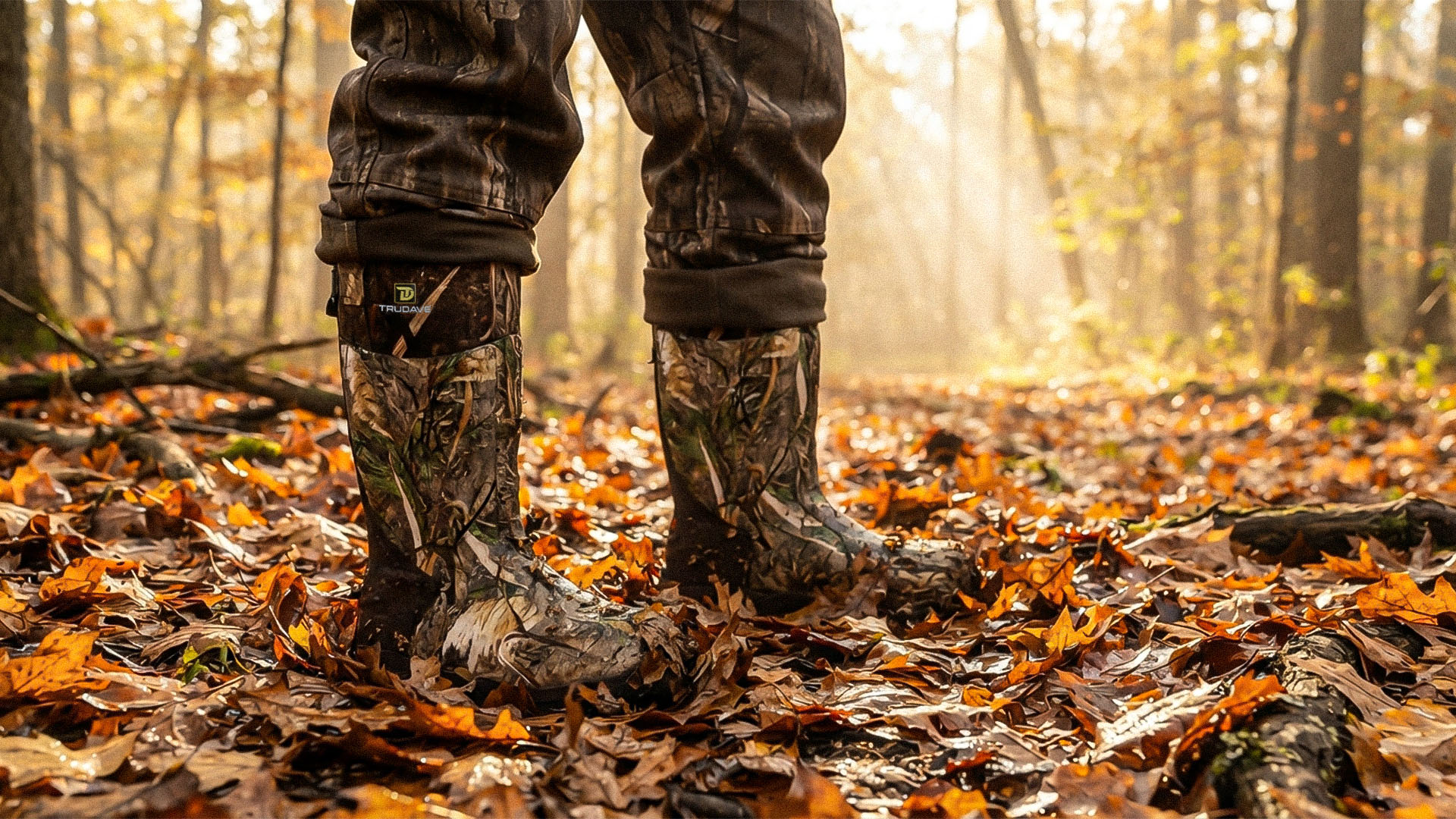
Hunters working this terrain may benefit from lightweight waterproof hunting boots for desert quail hunting that provide secure fit, dependable traction, and enough protection from moisture and rough vegetation without excessive insulation.
Desert footwear should protect without becoming a heat trap.
Lightweight Matters
Upland hunting involves constant movement.
Heavy boots become expensive over miles.
Choose footwear that balances:
- Weight
- Support
- Durability
- Waterproof protection
A boot designed only for cold stationary hunting can become uncomfortable quickly.
Waterproofing Still Matters in Arizona
Desert does not mean permanently dry.
Rain can create:
- Mud
- Wet grass
- Flowing washes
- Puddles
Morning vegetation can also hold moisture.
Waterproof boots help hunters transition between dry and wet terrain without changing footwear.
Too Much Insulation Can Cause Problems
Arizona mornings may be cold.
Afternoons can warm rapidly.
Overly insulated boots can increase sweating.
Match footwear to:
- Season
- Elevation
- Forecast
- Activity level
Secure Heel Fit Matters on Rocky Slopes
Poor heel retention causes friction while:
- Climbing
- Descending
- Sidehilling
Break boots in before hunting.
Desert quail days can involve much more elevation than the word “desert” suggests.
Traction Matters After Rain
Dry desert rock may become slick when wet.
Clay soil can become extremely slippery.
Move carefully after storms.
No bird is worth a fall.
Gaiters Can Help Keep Debris Out
Low gaiters can reduce:
- Sand
- Gravel
- Seeds
- Cactus debris
entering footwear.
They may also help with wet vegetation after rain.
Durable Pants Are Worth It
Gambel’s habitat can contain:
- Cholla
- Prickly pear
- Catclaw
- Mesquite thorns
Light fabric may tear quickly.
Durable brush-resistant pants improve freedom of movement.
Eye Protection Is Useful
Low desert branches and thorns create eye hazards.
Clear protective glasses can help hunters moving through:
- Mesquite
- Palo verde
- Thick washes
This becomes even more valuable when watching a dog instead of the branch directly ahead.
Snakes Can Be Present
Depending on temperature and season, venomous snakes may still be active.
Be cautious around:
- Rock
- Brush
- Water
- Warm sunny slopes
Keep dogs under control.
Know local snake-safety procedures.
Public Land Can Offer Excellent Opportunities
Much Gambel’s quail habitat occurs on public lands in the Southwest.
Research:
- Access
- Water
- Roads
- Habitat
- Regulations
Do not simply choose the largest public parcel.
Find the strongest combination of washes and vegetation.
Desert Roads Can Become Impassable After Rain
A dry road can turn into mud quickly.
Respect:
- Closures
- Road conditions
- Vehicle limitations
Do not damage soft roads.
If conditions are poor, park and walk.
Remote Desert Requires Navigation
Wash systems can become confusing.
Every drainage begins to look similar.
Mark:
- Vehicle
- Main wash
- Water
- Property boundaries
Carry offline maps.
Do not depend entirely on cell service.
Carry a Headlamp
Late covey relocations can push hunters toward sunset.
A headlamp weighs little and provides security if the return walk runs longer than expected.
Desert footing becomes much harder in darkness.
Know Property Boundaries
Open-looking land can contain:
- Private ranches
- State land
- Federal land
- Restricted areas
Confirm access before hunting.
Birds crossing a fence do not provide permission to follow.
Quail Hunting Can Overlap Livestock Country
Watch for:
- Cattle
- Horses
- Ranch infrastructure
Respect water tanks and gates.
Do not disturb livestock unnecessarily.
Low Shots Require Discipline
Gambel’s quail often flush low.
Before shooting, know where:
- Dogs
- Partners
- Roads
- Livestock
are located.
If the background is uncertain, do not fire.
Pick One Bird From the Covey
A twenty-bird flush creates chaos.
Choose one bird.
Track it.
Shoot safely.
Do not fire into the mass of birds.
Controlled shooting improves both accuracy and ethical outcomes.
Watch the Entire Flush
After the first shot opportunity, watch where birds land.
Gambel’s coveys may split into:
- Singles
- Pairs
- Small groups
Those scattered birds can hold better than the original covey.
Mark Separate Landing Areas
Use landmarks:
- Cactus
- Wash bend
- Rock
- Mesquite
Desert vegetation can look identical once you begin walking.
Precise observation creates better relocations.
Let Scattered Birds Settle
Do not sprint immediately toward landing locations.
Give birds time.
Then approach slowly.
A settled single can provide a much closer flush.
Recovery Can Be Difficult in Cactus
A downed quail may disappear beneath:
- Cactus
- Grass
- Brush
- Rock
Mark the exact location immediately.
A dog can be extremely useful where safe.
Without one, search systematically.
Do Not Ignore Wounded Birds
A quail may run after landing.
Look for:
- Feathers
- Tracks
- Movement
- Dog interest
Complete recovery effort before moving to another group.
Early Season Heat Makes Game Care Important
Warm desert afternoons require prompt handling.
Keep harvested birds:
- Clean
- Cool
- Shaded
Follow applicable wildlife and food-safety guidance.
Regulations Must Be Checked Locally
Gambel’s quail seasons, bag limits, and rules vary by jurisdiction.
Before hunting, verify:
- Season dates
- Daily limits
- Possession limits
- License requirements
- Public-land restrictions
- Blaze-orange requirements where applicable
- Legal methods
Use current official wildlife-agency information.
Population Numbers Can Vary Dramatically
Desert quail abundance may change from year to year because of:
- Rainfall
- Brood success
- Habitat conditions
- Drought
Do not assume a historically productive area will always hold the same number of birds.
Current scouting matters.
Habitat Conservation Matters
Healthy Gambel’s quail populations depend on functioning desert habitat.
Protect:
- Water sources
- Native vegetation
- Wash systems
- Public access
Avoid damaging fragile soil and plants unnecessarily.
Good hunting begins with healthy habitat.
Common Gambel’s Quail Hunting Mistakes
Hunting Random Desert Instead of Washes
Drainages concentrate habitat.
Following Running Birds Directly
Change the angle and predict movement.
Ignoring Shade During Warm Weather
Midday birds seek thermal protection.
Underestimating Water Needs
Desert walking dehydrates hunters and dogs quickly.
Wearing Heavy Boots
Active desert upland hunting rewards lightweight support.
Ignoring Cactus
Poor route selection creates unnecessary injuries.
Rushing After a Covey Flush
Watch landing areas first.
Taking Low Shots Without Knowing Dog Position
Safety comes before the bird.
Frequently Asked Questions
Where do Gambel’s quail live?
They commonly use southwestern desert habitats containing washes, mesquite, palo verde, cactus, brush, feeding areas, and available water.
What is the best way to find Gambel’s quail?
Focus on desert washes, feeding habitat, water routes, fresh tracks, morning calls, and areas with dense brush nearby.
Why do Gambel’s quail run instead of flush?
Running allows coveys to remain concealed while maintaining distance from threats. They often flush only when continued ground escape becomes less practical.
Is Gambel’s quail hunting good after rain?
Rain can improve vegetation, seed production, water availability, and tracking conditions, although it may also change traditional movement patterns.
Can you hunt Gambel’s quail without a dog?
Yes. Hunters can target washes, cactus edges, mesquite, and feeding areas while moving slowly and watching for running birds.
What boots are best for Gambel’s quail hunting?
Lightweight waterproof hunting boots with secure heel fit, durable protection, and good traction on rock, sand, wet washes, and uneven desert terrain are practical.
Final Thoughts
Gambel’s quail hunting teaches hunters that the desert is not nearly as empty as it looks.
A dry wash becomes a road.
A mesquite patch becomes shade.
A cactus flat becomes feeding habitat.
A tiny side drainage becomes an escape route.
And twenty birds can disappear into cover that looked almost nonexistent.
Find the washes.
Listen early.
Watch the shade.
Follow fresh tracks after rain.
Carry more water than you think you need.
Wear boots that can handle sand, rock, cactus country, wet washes, and long miles without adding unnecessary weight.
And when a covey starts running ahead instead of flushing, stop following the birds’ last location.
Start thinking about where the desert gives them somewhere to go.
That is usually where the real hunt begins.
