
Fall turkey hunting feels completely different from spring turkey hunting.
The woods are quieter.
The mornings are colder.
Leaves cover the ground.
The dramatic gobbling of spring may be gone.
Instead of chasing a fired-up tom looking for hens, hunters are searching for something else:
The flock.
Fall turkey hunting is a game of understanding behavior.
Where do birds feed?
Where do they roost?
How do family groups move through the landscape?
Where do they go after pressure?
The hunter who finds the flock usually finds the opportunity.
The hunter who walks randomly through the woods may never know how close the birds were.
Fall Turkeys Follow Food
After summer, turkey priorities change.
Birds focus heavily on building energy before winter.
Their diet may include:
- Acorns
- Seeds
- Insects
- Fruits
- Agricultural crops
- Nuts
- Green vegetation
Food availability often determines movement.
A forest that looks perfect may hold few birds if food is limited.
A less obvious area with abundant food can become a turkey hotspot.
Acorns Can Change Everything
In many hardwood regions, acorns are one of the most important fall turkey foods.
Look for:
- Oak ridges
- Hardwood bottoms
- Forest edges
- Mature oak stands
Fresh sign includes:
- Scratched leaves
- Droppings
- Tracks
- Feathers
Turkeys can spend significant time in areas where acorns are abundant.
The best hunting location may not be where birds roost.
It may be where they feed afterward.
Find Where Turkeys Sleep
Roosting locations are still important in fall.
Turkeys often prefer:
- Large trees
- Protected ridges
- Creek bottoms
- Mature timber
Evening scouting can reveal:
- Where birds fly up
- How many birds are present
- Their morning direction
Do not disturb roost areas unnecessarily.
Information is valuable.
Pressure is not.
Morning Movement Is Predictable
After leaving the roost, turkeys often move toward feeding areas.
Watch:
- Trails
- Logging roads
- Field edges
- Hardwood openings
A hunter who understands the route can position ahead of the flock.
You do not always need to call birds.
Sometimes being where they naturally want to go is enough.
Fall Turkey Hunting Is About Scouting
Spring hunting often focuses on calling.
Fall hunting often depends more on scouting.
Look for:
- Tracks
- Droppings
- Feathers
- Scratch areas
- Feeding zones
The more information you gather before hunting, the less you depend on luck.
Turkey Scratchings Reveal Feeding Areas
Turkeys disturb leaves while searching for food.
Fresh scratching areas often indicate:
- Active feeding
- Recent flock movement
- Good food availability
Search beneath:
- Oak trees
- Hickory trees
- Forest edges
A fresh scratch line can reveal where birds were recently feeding.
Weather Changes Turkey Movement
Fall weather influences bird behavior.
Cold mornings may push turkeys toward:
- Sun-exposed slopes
- Protected areas
- Lower elevations
Rain can change feeding patterns.
Wind may move birds into sheltered locations.
Successful hunters adapt to current conditions.
Rain Can Improve Scouting
After rain, the forest floor becomes valuable information.
Mud can reveal:
- Tracks
- Travel routes
- Crossing points
Wet leaves can also make movement quieter.
A rainy day can become a scouting advantage.
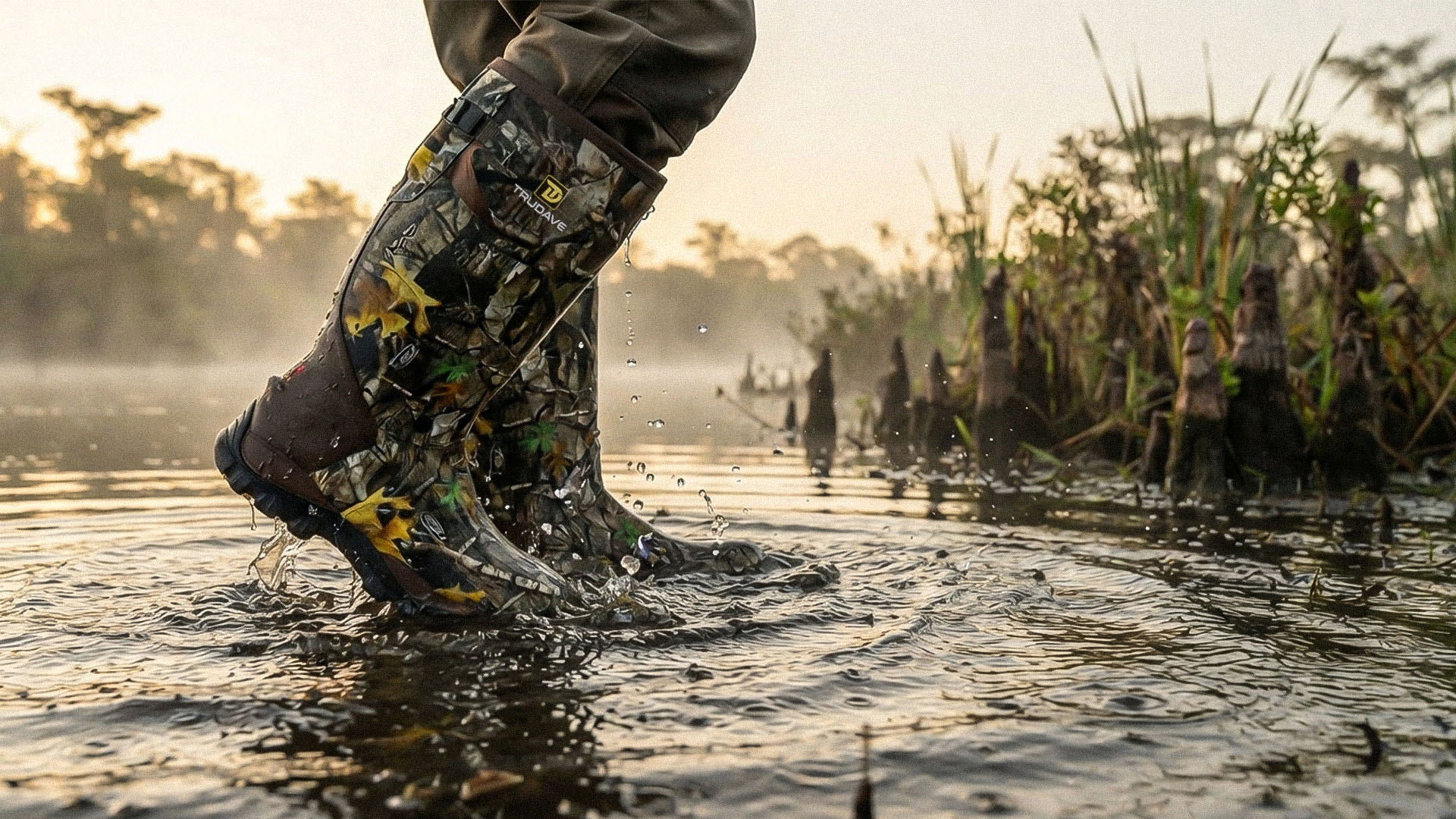
Wet Woods Create Footwear Challenges
Fall turkey hunting often happens during changing conditions:
- Wet leaves
- Mud
- Rain
- Creek crossings
- Cold mornings
Hunters covering these environments may benefit from waterproof hunting boots for fall turkey hunting that provide traction, comfort, and moisture protection during long woodland walks.
Dry feet help hunters stay focused longer.
Quiet Movement Matters
Fall turkey hunting is often close-range.
Birds may hear:
- Leaves crunching
- Branches breaking
- Equipment noise
Move slowly.
Choose routes with:
- Soft ground
- Grass
- Pine needles
The quieter hunter often gets closer.
Avoid Walking Directly Toward Birds
Turkeys have excellent eyesight.
Even when they cannot hear you, they may see movement.
Use:
- Terrain
- Trees
- Brush
- Ridges
to hide your approach.
The goal is not sneaking faster.
It is being unnoticed.
Forest Edges Are Valuable
Turkeys often use transition areas.
Look where habitats meet:
- Woods and fields
- Timber and grass
- Creek and forest
- Oak and open areas
Edges provide:
- Food
- Visibility
- Security
Small Openings Can Be Important
Large fields receive attention.
Small openings are often overlooked.
Look for:
- Logging cuts
- Small meadows
- Clearings
- Old roads
Turkeys may prefer smaller areas where they feel safer.
Fall Flocks Behave Differently
Understanding flock structure matters.
Fall groups may include:
- Hens
- Young birds
- Juveniles
- Adult males
They often move together.
Finding the group is usually more important than locating one bird.
Calling Strategy Changes in Fall
Fall calling is different from spring.
The goal is often communication.
Calls may include:
- Assembly calls
- Lost calls
- Soft clucks
- Purrs
The purpose is to sound like another turkey.
Not necessarily challenge a dominant bird.
Breaking Up Flocks Can Create Opportunities
One classic fall strategy involves separating birds and calling them back.
The idea is:
- Locate flock.
- Allow birds to move away.
- Create separation.
- Use communication calls.
However, always follow local regulations.
Some areas have specific rules about methods and seasons.
Patience Is Critical
Fall turkeys may not respond immediately.
A flock can take time to move.
Stay still.
Listen.
Observe.
Many opportunities happen after long quiet periods.
Midday Can Be Productive
Do not assume morning is the only opportunity.
Turkeys may continue feeding throughout the day.
Check:
- Food sources
- Oak ridges
- Field edges
- Creek bottoms
A flock that disappears at sunrise may simply be somewhere else nearby.
Wind Affects Turkey Hunting
Wind changes more than sound.
It affects:
- Bird movement
- Visibility
- Hunter comfort
Turkeys may prefer sheltered areas during strong winds.
Look for:
- Protected valleys
- Timber edges
- Low areas
Cold Weather Changes Bird Location
As temperatures drop, turkeys may seek:
- Sun
- Food-rich areas
- Protected terrain
Pay attention to:
- Morning sunlight
- South-facing slopes
- Open feeding areas
Snow Can Create New Patterns
Early snow can reveal movement.
Tracks show:
- Travel routes
- Feeding areas
- Roost direction
Snow also changes food availability.
Turkeys may concentrate where food remains accessible.
Fall Turkey Hunting Requires Good Boots
Unlike some hunts, turkey hunting involves long periods of walking mixed with waiting.
You may cover:
- Forest trails
- Muddy roads
- Hills
- Wet fields
Good footwear provides:
- Comfort
- Stability
- Waterproof protection
Traction Matters in Wet Forests
Leaves become slippery when wet.
Mud creates unstable footing.
Roots and rocks become dangerous.
Reliable traction helps hunters move quietly and safely.
Lightweight Boots Improve Mobility
Fall turkey hunting often requires covering large areas.
Heavy footwear creates fatigue.
A balanced boot provides:
- Support
- Comfort
- Flexibility
The goal is moving efficiently without sacrificing protection.
Public Land Requires Extra Scouting
Public turkey hunting areas may receive pressure.
Birds often adjust behavior.
Look for:
- Less obvious feeding areas
- Remote ridges
- Secondary woods
- Quiet access points
Pressure changes movement.
Respect Other Hunters
Fall turkey seasons can overlap with other hunting activities.
Practice safety:
- Identify targets clearly
- Avoid calling near other hunters
- Communicate when possible
Safety comes before success.
Shot Opportunity Requires Identification
Always confirm:
- Legal bird
- Safe background
- Clear target
Never shoot at:
- Movement alone
- Sounds
- Unclear shapes
Turkey hunting requires patience and responsibility.
Common Fall Turkey Hunting Mistakes
Hunting Without Scouting
Find birds first.
Using Only Spring Tactics
Fall behavior is different.
Ignoring Food Sources
Food drives movement.
Walking Too Much
Let scouting guide decisions.
Poor Footwear Choice
Wet woods require proper boots.
Calling Too Aggressively
Match natural behavior.
Frequently Asked Questions
Is fall turkey hunting harder than spring turkey hunting?
Many hunters find it challenging because birds are less vocal and require more scouting.
Where do turkeys go in fall?
They often focus on food sources such as oak forests, agricultural edges, and areas with abundant vegetation.
What is the best way to find fall turkeys?
Scout feeding areas, roost locations, tracks, scratchings, and flock movement.
What boots are best for fall turkey hunting?
Waterproof hunting boots with traction, comfort, and support are ideal for wet forests and long walks.
Does rain affect fall turkey hunting?
Rain can change movement but also creates useful tracking conditions.
Final Thoughts
Fall turkey hunting is not about forcing a bird to respond.
It is about understanding where the flock wants to be.
Find the food.
Find the roost.
Find the travel routes.
Then let the turkey behavior create the opportunity.
Walk quietly.
Scout carefully.
Stay patient.
Wear boots that can handle wet leaves, mud, and long forest walks.
Because in fall turkey country, success belongs to the hunter who understands the flock.
